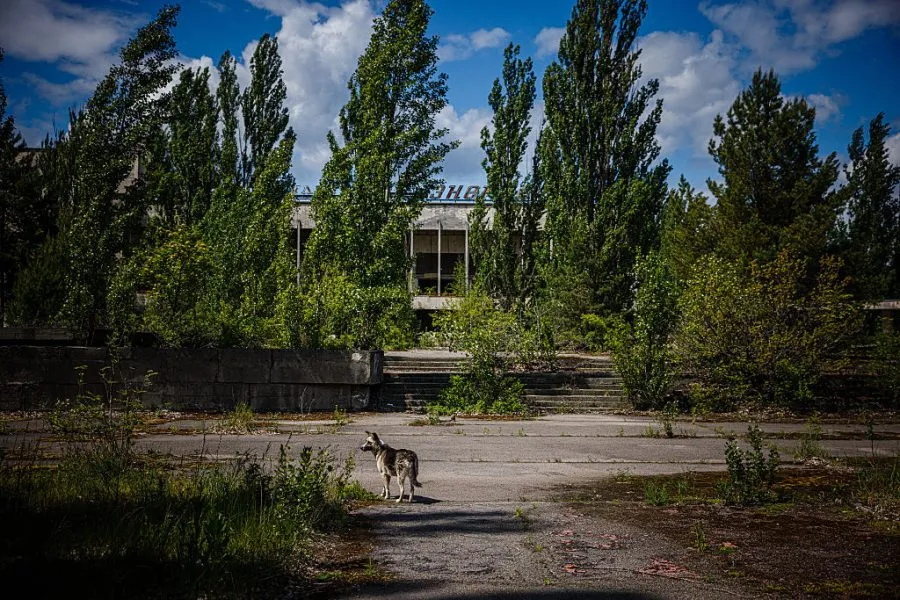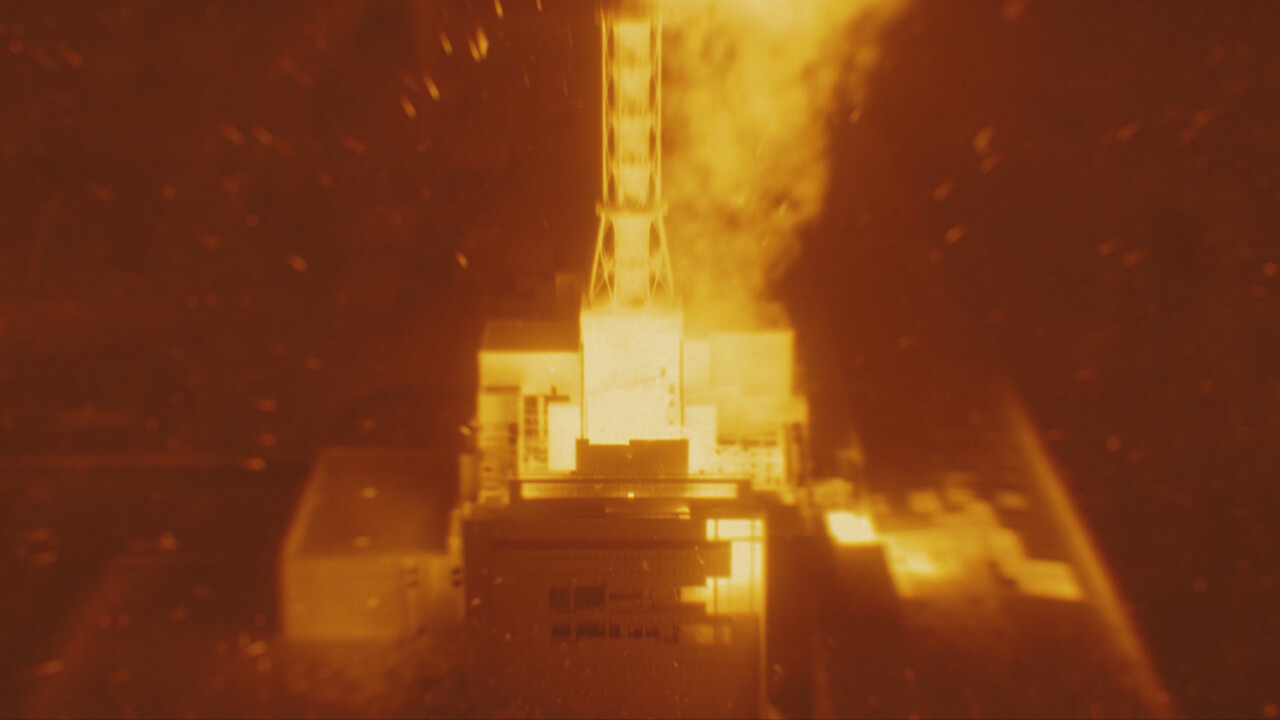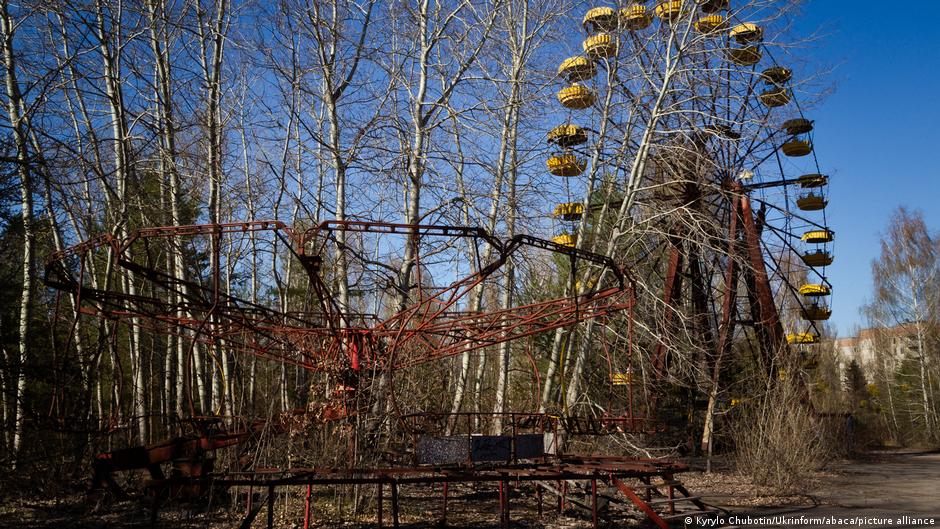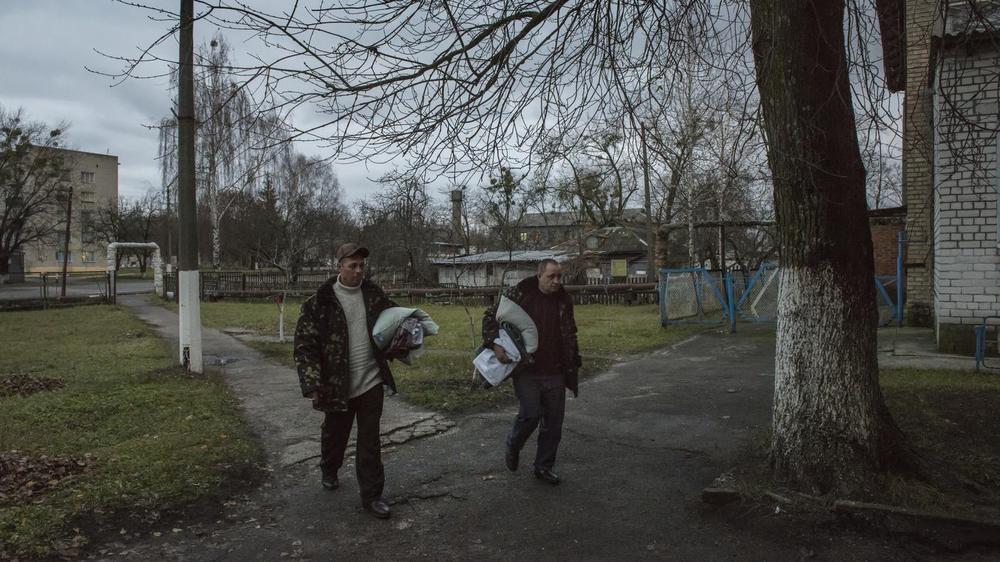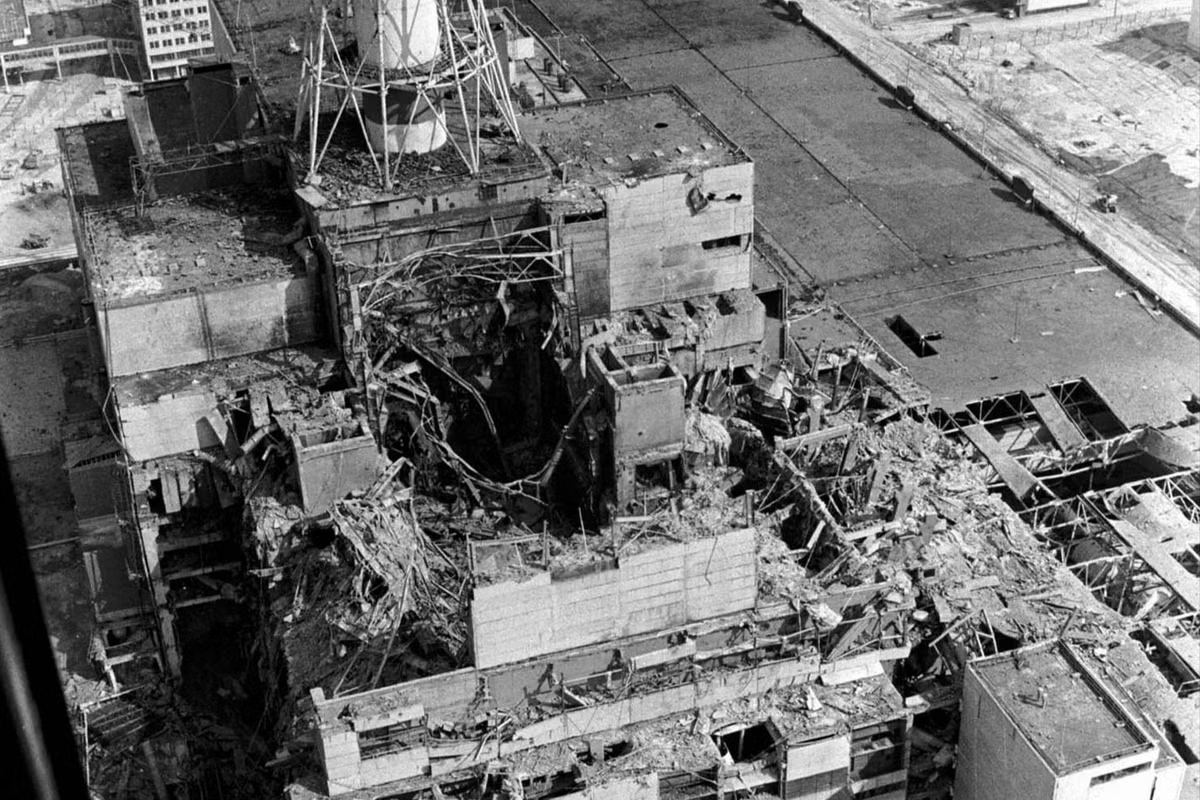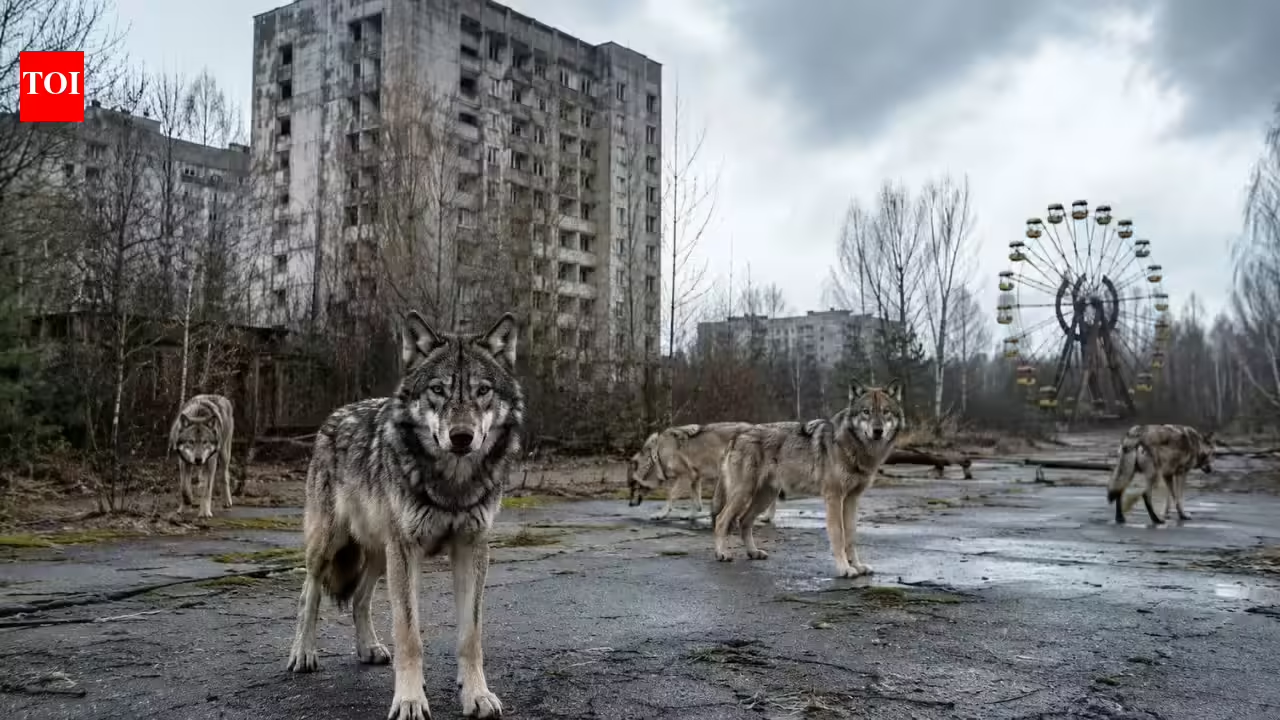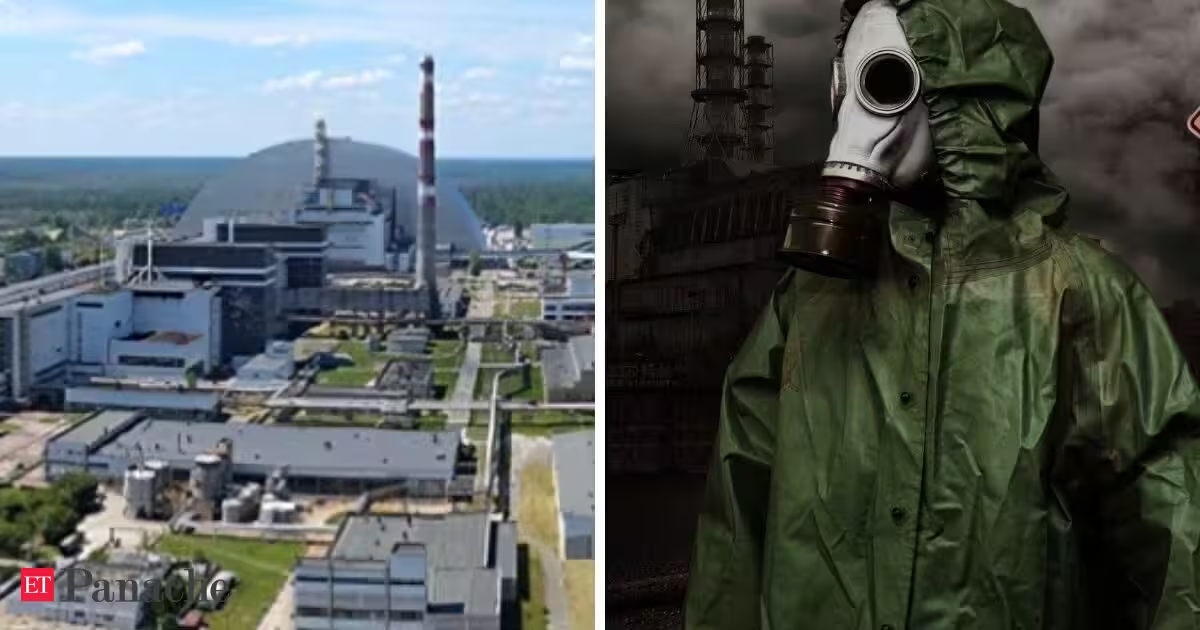
Nearly 50,000 people once lived in Pripyat, a modern Soviet city built just a few kilometres from the Chernobyl nuclear power plant. Families had homes, children went to school and an amusement park was preparing to open. Then, on April 26, 1986, the Chernobyl nuclear disaster changed the city forever. Within hours, residents were preparing to leave. Many thought they would return soon. Instead, Pripyat became one of the world's most haunting abandoned cities.Pripyat was built as a modern Soviet cityPripyat was established in 1970 near the Chernobyl Nuclear Power Plant. It was designed primarily for plant workers, builders and the families who supported the rapidly expanding nuclear facility. According to the International Atomic Energy Agency, the city covered nearly 600 hectares and had 149 multi-storey buildings spread across five microdistricts. When the Chernobyl disaster occurred, Pripyat had a population of around 49,360 people. It was a planned city built around everyday life. There were apartment buildings, schools, shops, cultural facilities, sports complexes and public spaces. That ordinary urban life is what makes the city's later transformation so striking.The Chernobyl disaster changed everythingOn April 26, 1986, a catastrophic accident destroyed a reactor at the Chernobyl nuclear power plant and released large amounts of radioactive material into the environment.According to the United Nations Scientific Committee on the Effects of Atomic Radiation, or UNSCEAR, the Chernobyl accident was the most serious accident ever to occur in the nuclear power industry. UNSCEAR reported that 30 workers died within a few weeks of the accident, while more than 100 others suffered radiation injuries. Authorities evacuated about 115,000 people from areas surrounding the reactor during 1986 and subsequently relocated about 220,000 people from Belarus, the Russian Federation and Ukraine.The disaster also caused severe social and psychological disruption and enormous economic losses across the affected region. Radioactive materials contaminated large areas, with radionuclides from the release detected across countries throughout the Northern Hemisphere.Aabandoned Ferris wheel at the Pripyat Amusement Park. (Image credits-WHO)Pripyat was evacuated within hoursPripyat's proximity to the damaged reactor meant its residents were directly affected by the disaster. According to the official Chornobyl Nuclear Power Plant account, the evacuation of Pripyat began at 2 p.m. on April 27, 1986, and lasted approximately three hours. About 45,000 people were transported out of the city that day. History.com reports that residents were given only a short time to prepare and were instructed to take limited belongings because the evacuation was initially described as temporary.Many people therefore left believing they would soon be able to return to their homes, but, they never did.Homes and classrooms were left behindThe sudden evacuation transformed ordinary homes and public buildings into reminders of the lives that had once filled them. Decades later, photographs of Pripyat show abandoned apartment blocks surrounded by vegetation, deteriorating public buildings and streets increasingly overtaken by nature. History.com has documented abandoned classrooms at School Number 3, where objects and furniture offer glimpses of the city's former everyday life.The same is true of residential buildings and other public spaces. What was once a functioning city became an increasingly decayed landscape, with traces of its former residents still visible in the ruins.The amusement park that never openedPerhaps the most recognisable symbol of Pripyat is its abandoned amusement park, particularly the Ferris wheel. The park was scheduled to open around May 1, 1986, just days after the Chernobyl disaster. Instead, the accident occurred before the planned celebrations could take place. The rides were never opened to the city's residents as intended. Today, the Ferris wheel and other attractions stand among the abandoned structures, creating an eerie contrast between their original purpose and the fate of the city around them.Nature slowly reclaimed the cityWith no permanent population maintaining the streets, buildings and public spaces, vegetation gradually began taking over. Trees and plants grew around abandoned structures, while the city's once-busy streets became increasingly overgrown. The transformation is visible throughout Pripyat. Apartment blocks still stand, but the surroundings are dramatically different from the planned urban environment created in the 1970s.The contrast between the city's modern design and its abandoned state has made Pripyat one of the most recognisable symbols of the Chernobyl disaster.Why Pripyat still mattersPripyat is more than an abandoned city. Its empty schools, homes, public buildings and amusement park provide a human-scale picture of what the Chernobyl disaster meant for ordinary people. The statistics reveal the enormous scale of the nuclear accident. Pripyat shows what those numbers looked like in everyday life. Nearly 50,000 people had built their lives there. They had homes to return to, children attending schools and a city designed around their future.Instead, a disaster at a nearby nuclear plant forced them to leave within hours, turning a thriving Soviet city into an enduring reminder of the consequences of Chernobyl.
50,000 people lived here. Then a 1986 nuclear disaster turned the town into a ghost place overnight. The reason still haunts the world
Pripyat was a modern Soviet city of nearly 50,000 people before the Chernobyl nuclear disaster in 1986 forced its residents to leave. About 45,000 people were evacuated within three hours on April 27, many believing they would return. They never did. Today, abandoned homes, classrooms and the amusement park remain, while nature reclaims the city, making Pripyat a haunting symbol of the disaster's human cost.
793 words~4 min read