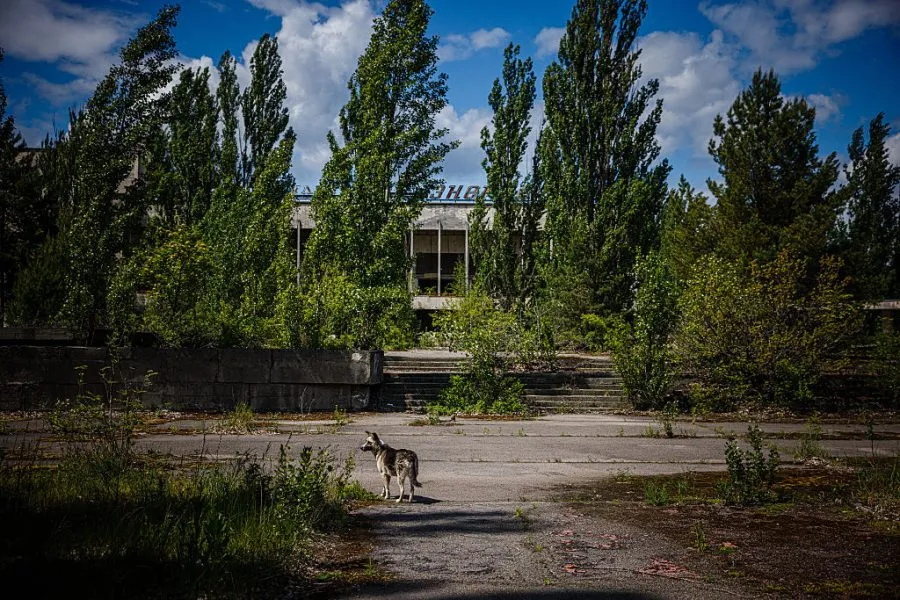
Dappled light falls across the lobby of Pripyat’s abandoned Hospital No. 126, now so smothered by vegetation that it is almost invisible from the road. The silence in this ghost town in northern Ukraine is broken by an irregular crackle: sharp clicks like static from an old radio. As the radiation level rises, the clicks quicken into an urgent rattle.
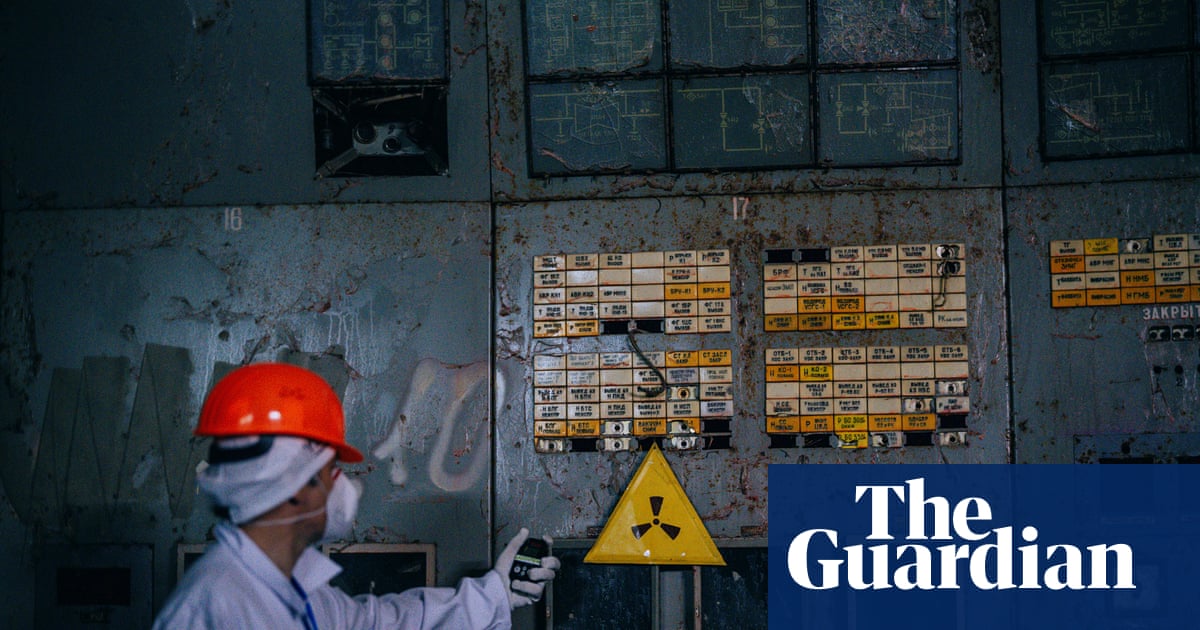
Anton Yukhymenko, 40, passes his dosimeter over the lobby’s reception desk. At one spot the rattle becomes an angry electronic chatter and the figures on the screen race upwards: 150 microsieverts an hour, an abnormally high dose rate. ‘It was here,’ he says. ‘I can’t believe it’s gone. It was dangerously contaminated.’
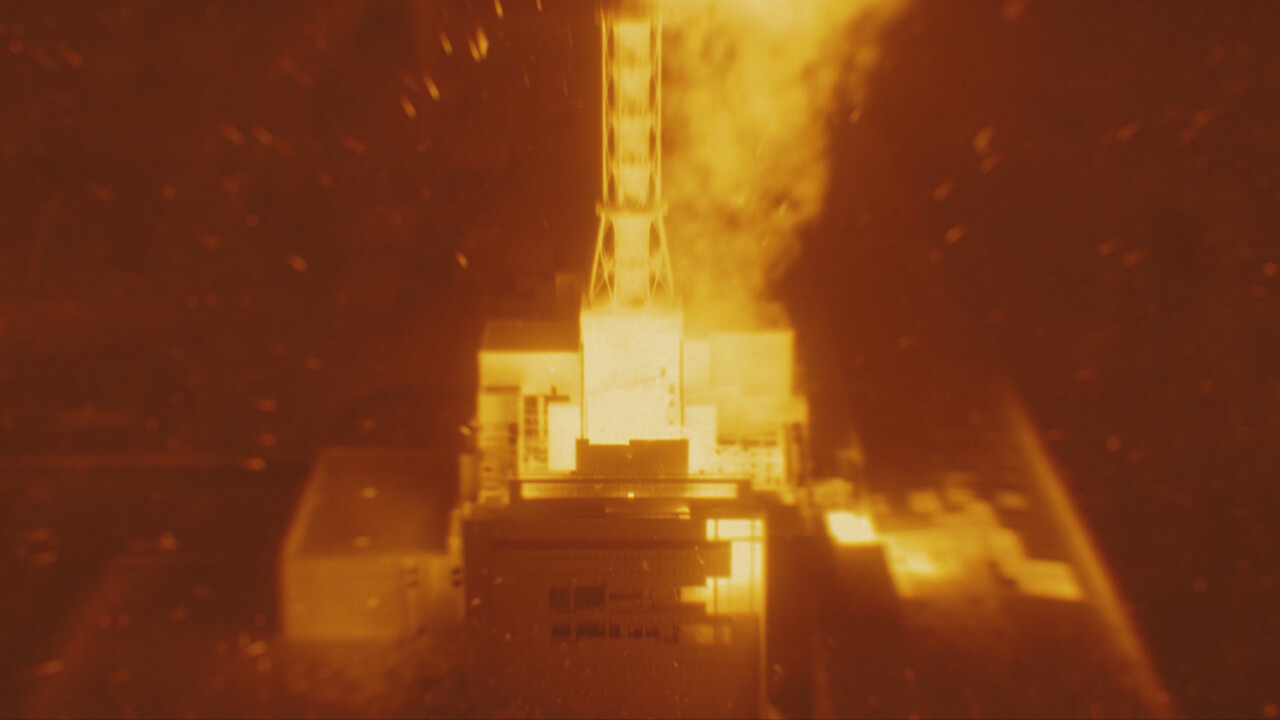
He is referring to a firefighter’s helmet that for decades had rested on the desk. Said to have belonged to one of those brought here after the explosion on 26 April 1986, it had remained as a grim relic of the worst nuclear accident in history. Twenty-eight firefighters and emergency workers died from acute radiation sickness in the months that followed.
The war has also brought danger back to Chernobyl’s radioactive heart
Now the helmet has disappeared. ‘Probably taken by someone as a souvenir,’ says Yukhymenko, who has worked here as a guide for 20 years, clutching his forehead in exasperation.