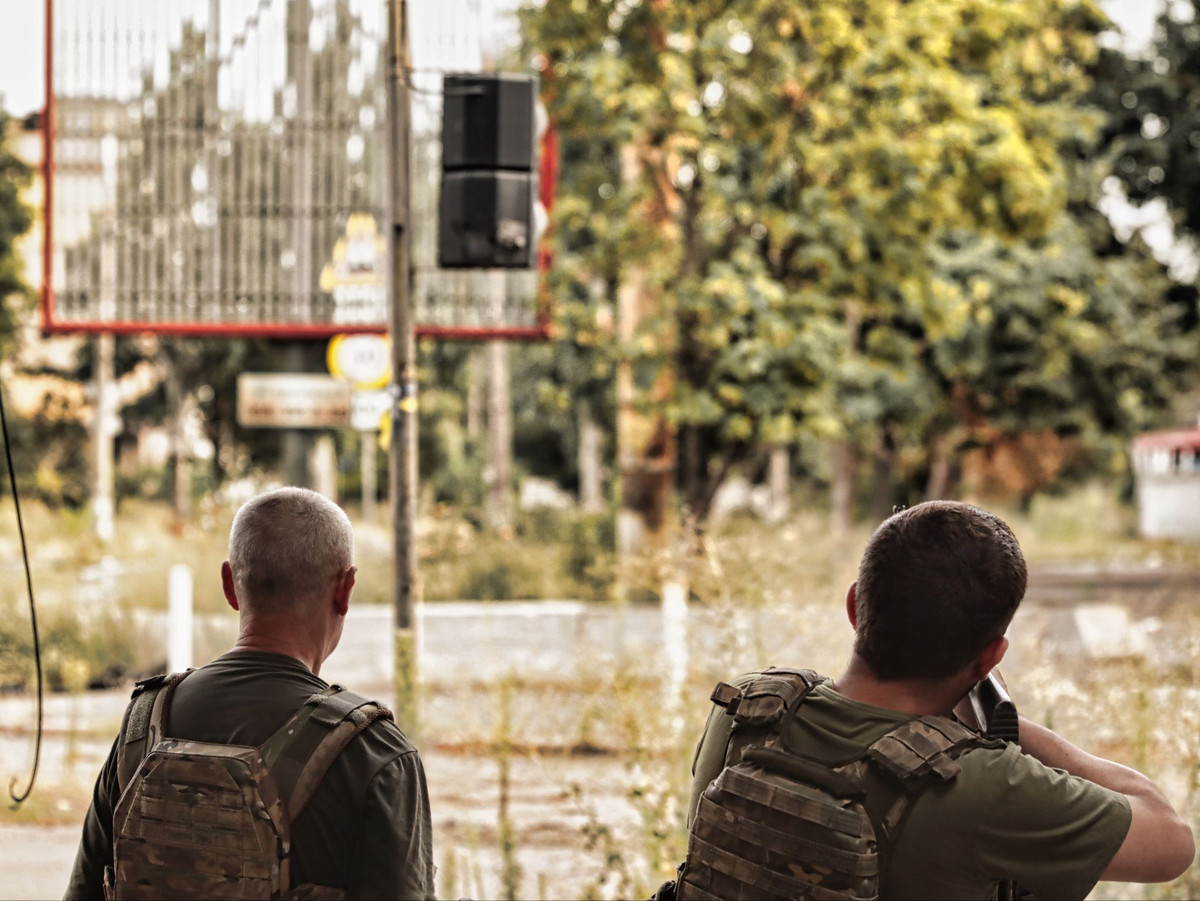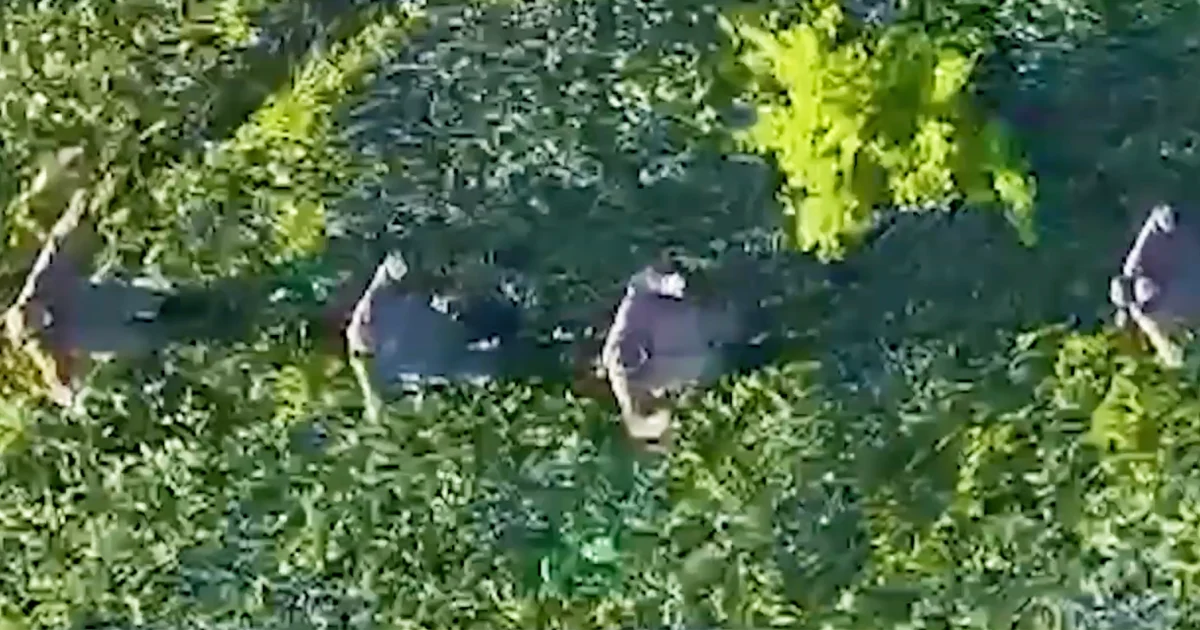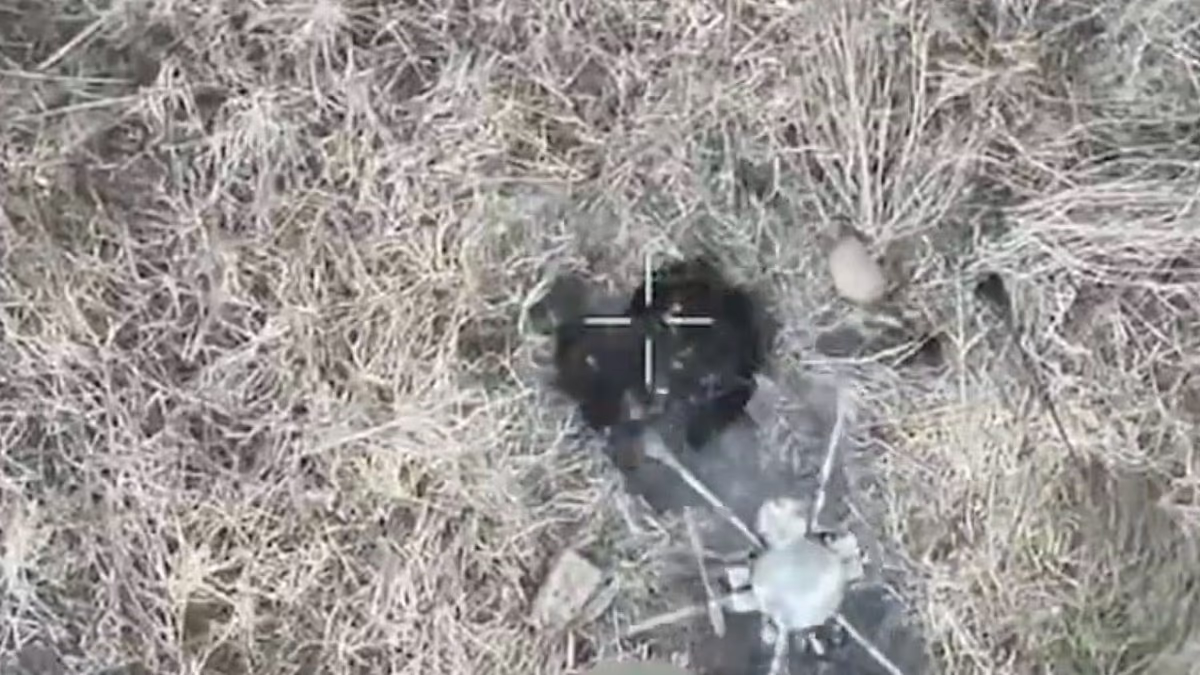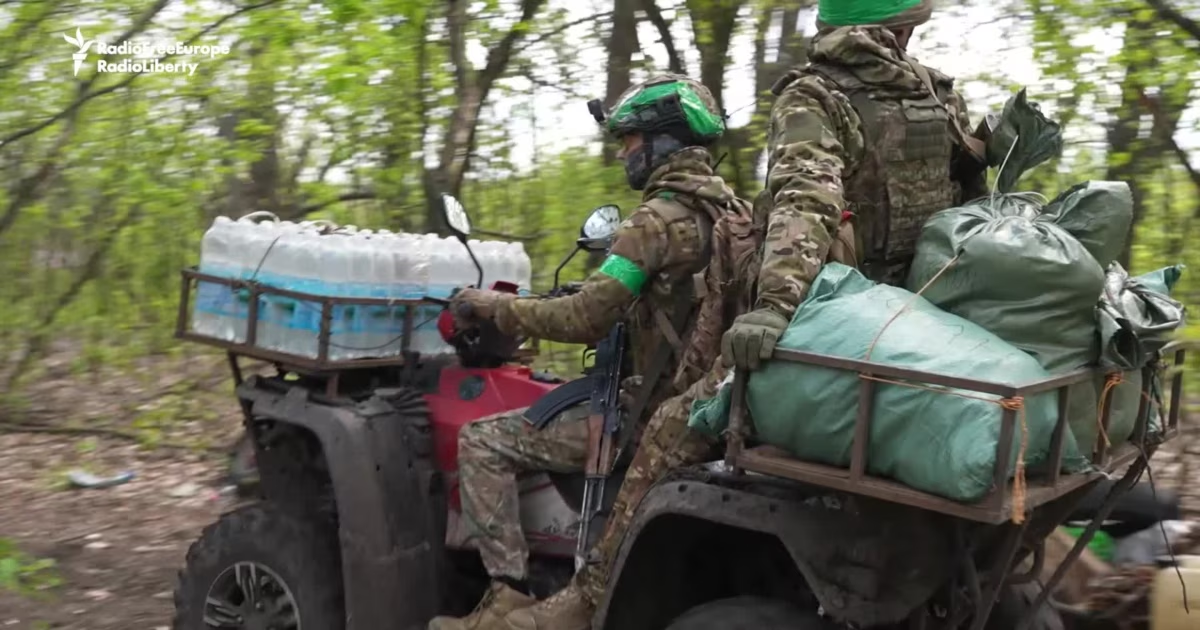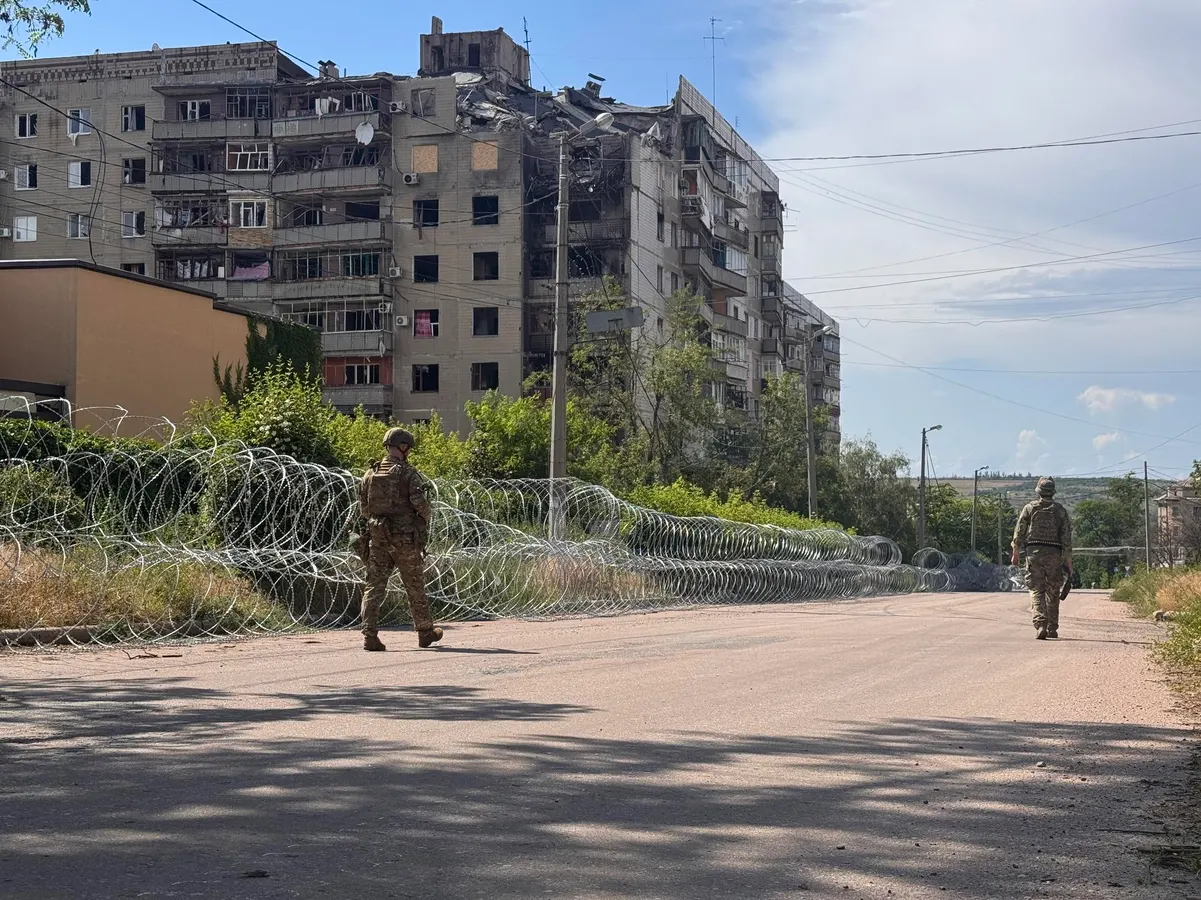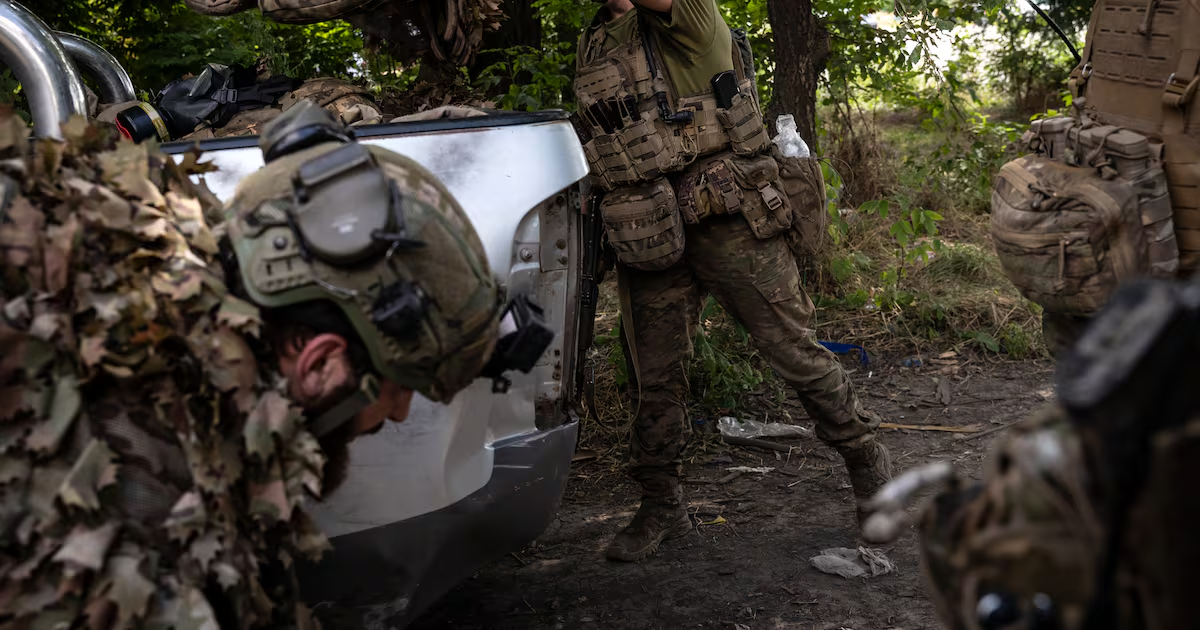
Soldiers describe it as a dense jungle, suffocatingly hot and infested with mosquitoes, where you cannot see the enemy, or your own buddy, less than 3m away.It used to be one of Ukraine’s largest reservoirs, a wide body of water swelling the lower reaches of the Dnieper river in southern Ukraine.Since the Russian army blew up the Kakhovka Dam three years ago, draining the reservoir, the former flood plain has become a forest of reeds, scrub and willow thickets.This inhospitable terrain is now a front line between the Russian and Ukrainian armies, where drones cannot penetrate the cover of the tall weeds, and soldiers hunt each other on foot in a deadly game of cat and mouse.The Russian soldiers are trying to carve out trails towards their main target, the city of Zaporizhzhia, on the northern shoreline of the former reservoir; the Ukrainian soldiers lie in wait to ambush them.“It is opaque, difficult, disorienting and very dangerous,” an operations commander with the call sign Divisiya says after overseeing an early-morning operation. Divisiya asks to be identified only by his call sign, in keeping with military protocol, as do most others in the battalion.The water level of the Dnieper river, which was significantly reduced by the destruction of the Kakhovka Dam by Russian forces in 2023. Photograph: Nicole Tung/The New York Times
A jungle war emerges in southern Ukraine’s vanished reservoir
Russian troops are trying to infiltrate the vast, overgrown reservoir basin of a dam they blew up three years ago as Ukrainian soldiers hunt them at close quarters
1,285 words~6 min read