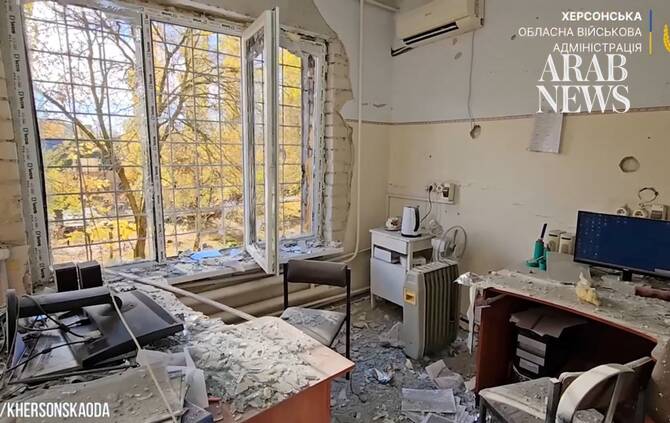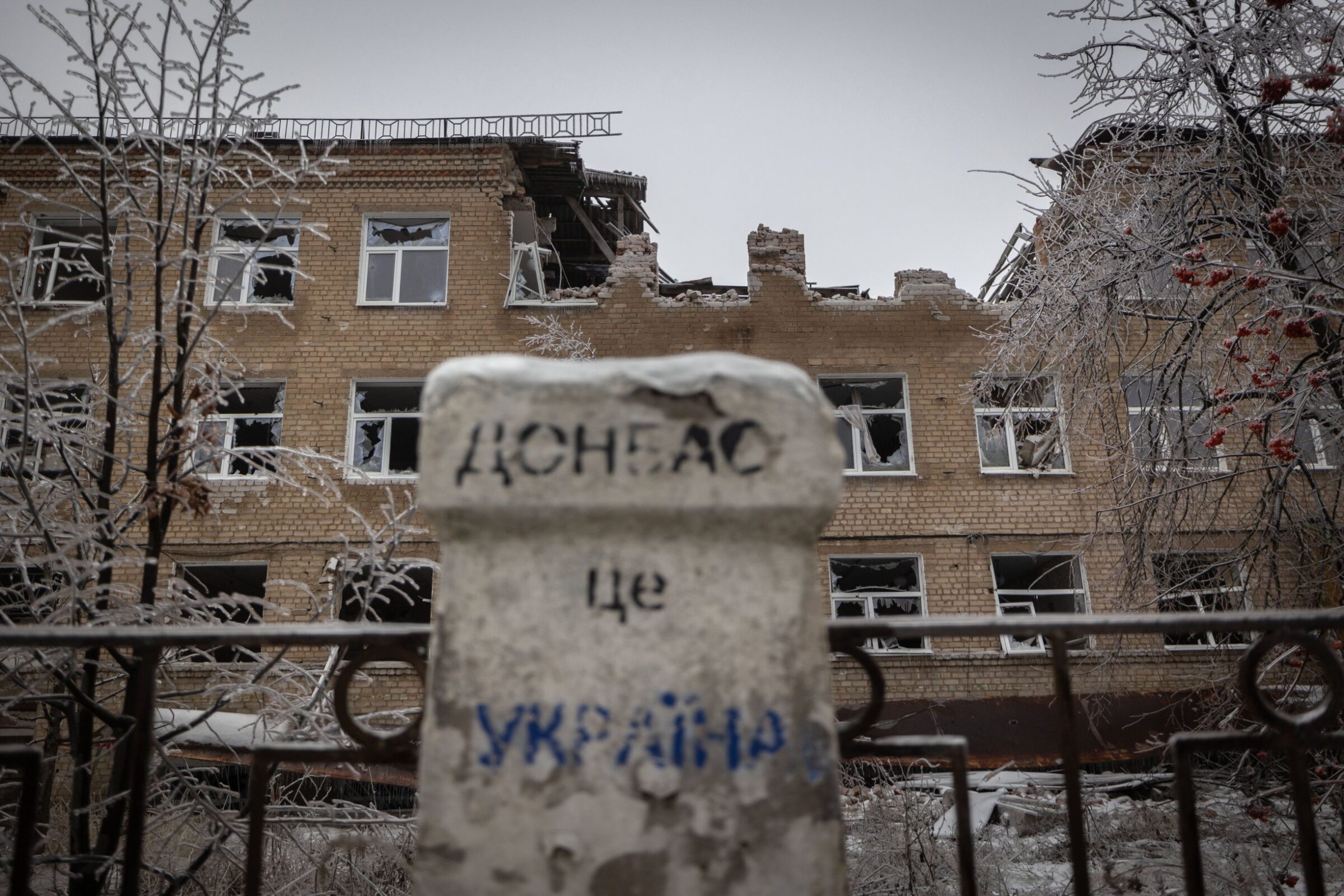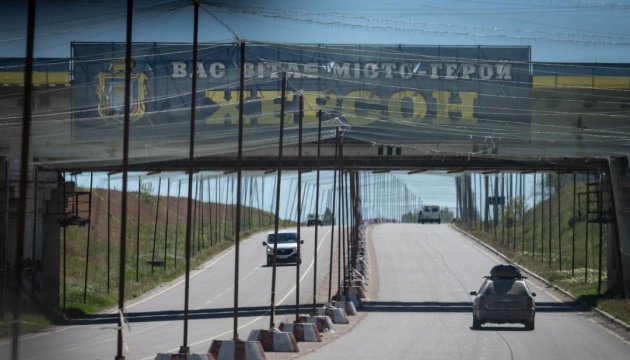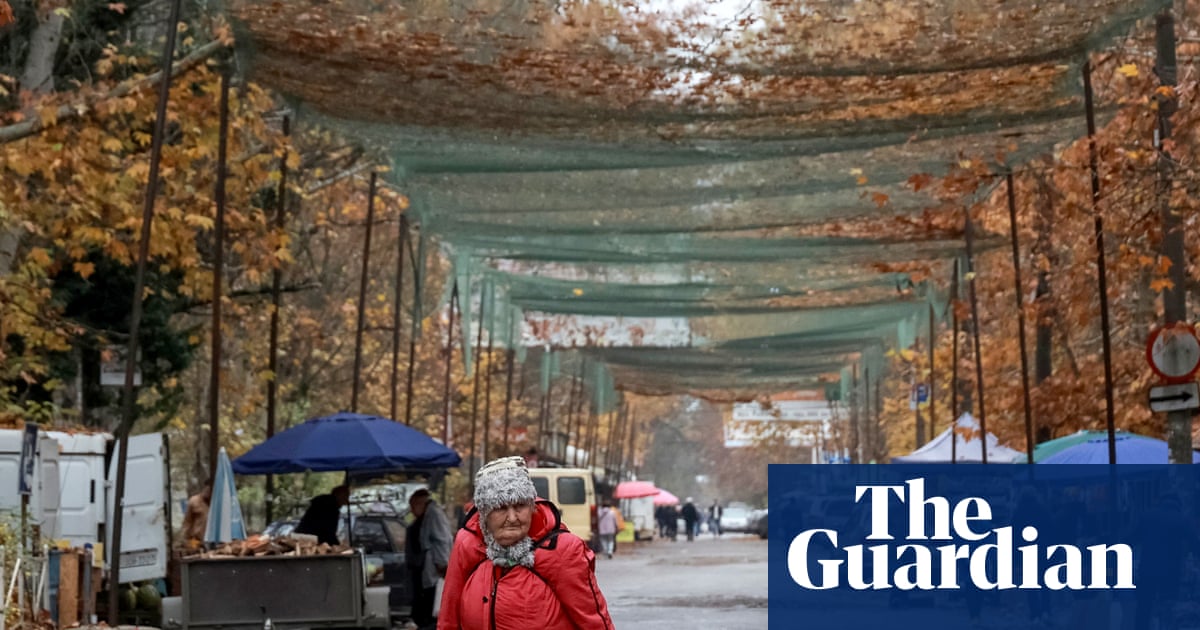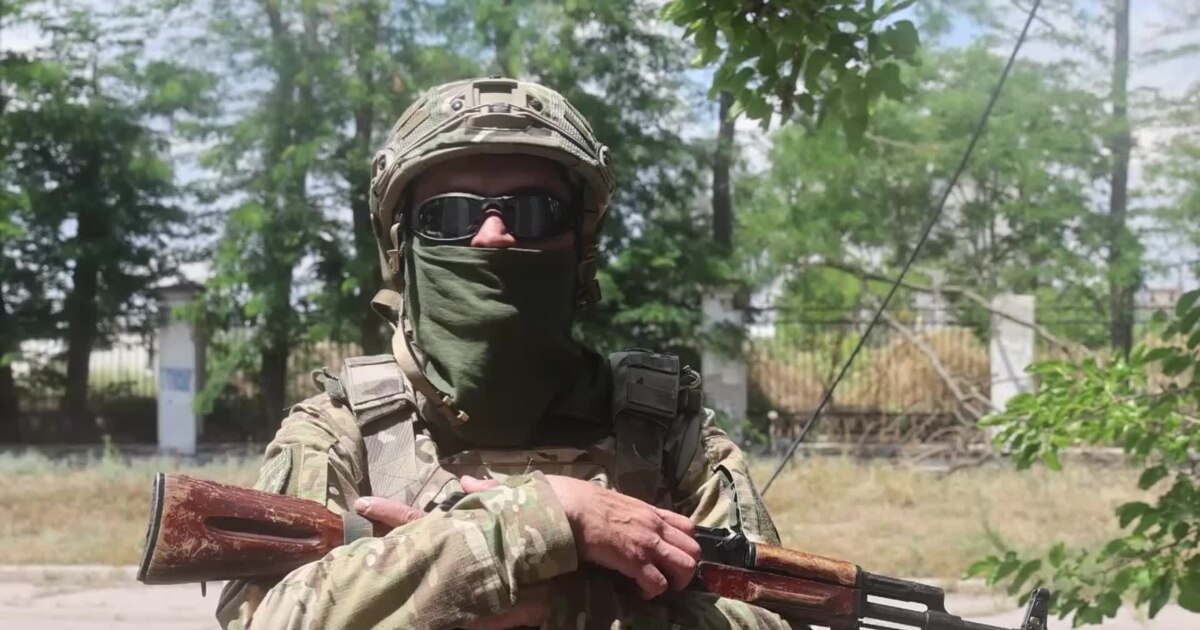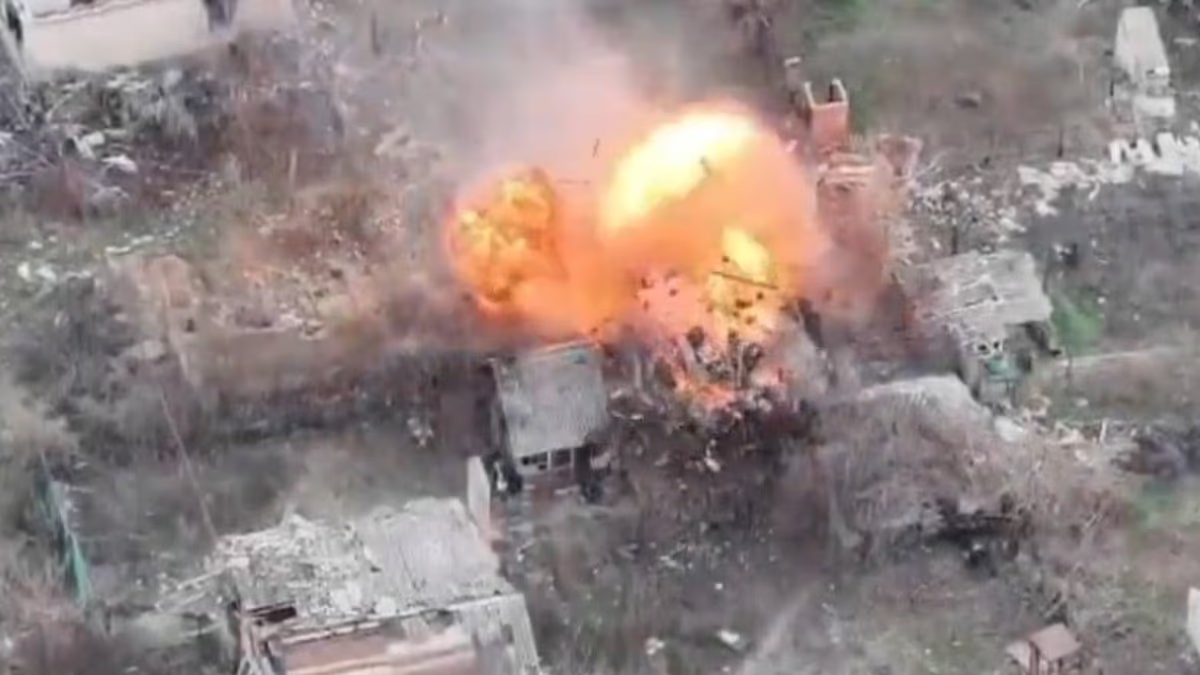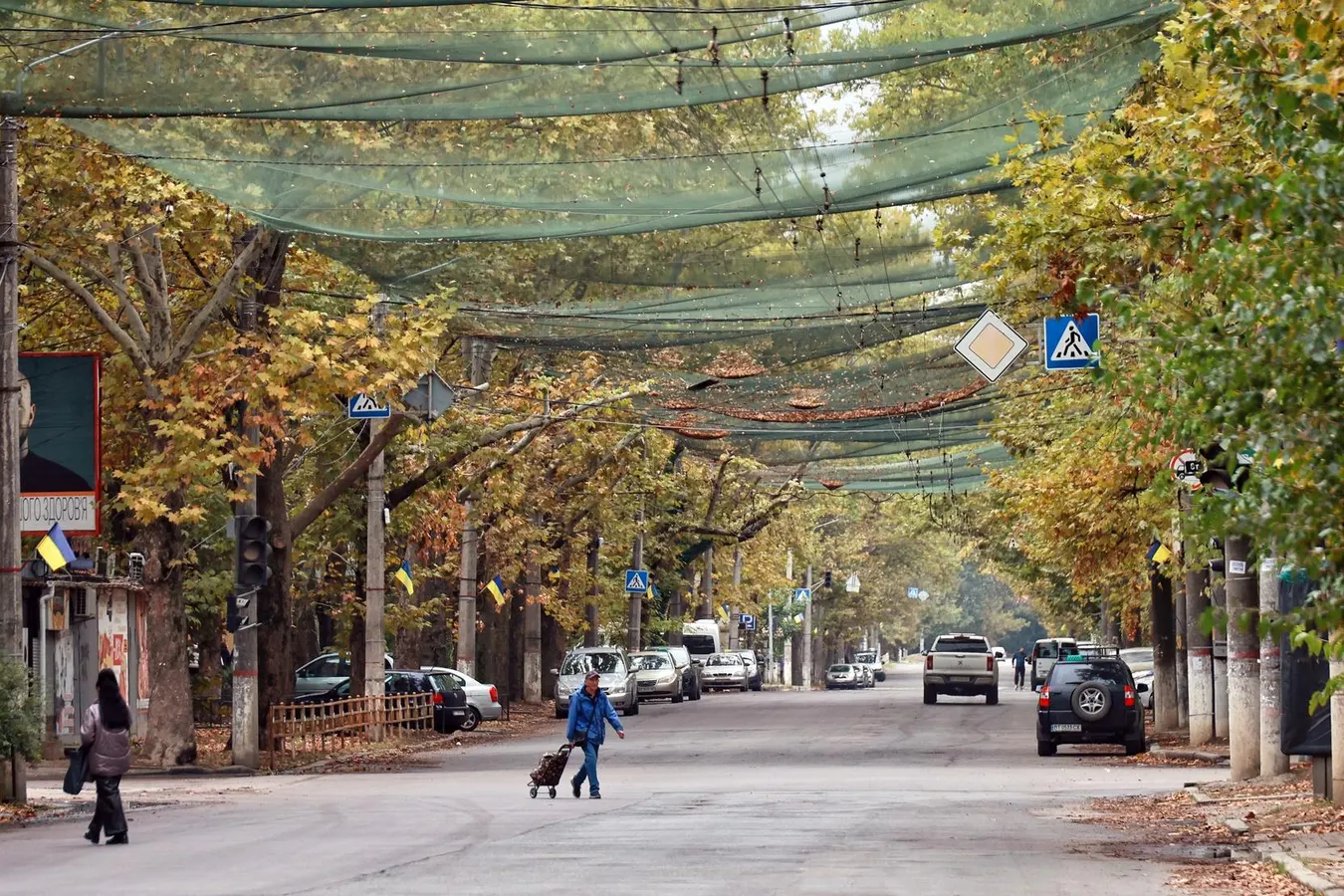
Since Russian forces withdrew across the Dnipro in November 2022, the river has formed a largely static front line through the Kherson region. But the war around it has continued to evolve. Artillery, tank fire, guided aerial bombs, and thousands of Russian drones now reach a city only a few hundred meters from enemy-held territory, reshaping civilian life, essential infrastructure, and the work of those defending Kherson from the sky. The Dnipro runs through the heart of Ukraine. It passes Kyiv, where Russian ballistic missiles currently pose one of the most immediate threats to the capital and its people, then continues south through a landscape of fields, reservoirs, and broad plains toward the Black Sea.JOIN US ON TELEGRAMFollow our coverage of the war on the @Kyivpost_official. In the Kherson region, the river no longer simply crosses the country. It divides it. The river that became a front line Since November 2022, when Ukrainian forces liberated Kherson and Russian troops withdrew beyond the Dnipro, the river has formed one of the war’s most persistent lines of contact. Farther east, the front has continued to shift – through villages, fields, and tree lines, with territory gained and lost by both sides. Here, the basic geography of the war has remained largely unchanged: Ukraine holds the city on the western bank, while Russian forces remain entrenched across the water. But a static front does not mean a static war. Over the years, both sides have dug in, adapted, and transformed the wider area along the river into a place where the rapid evolution of drone warfare can be seen with particular intensity. Nowhere is that transformation more visible than in Kherson, where Russian first-person-view (FPV) drones cross the Dnipro in such numbers that the threat from above has become part of the city’s daily life. Only days ago, on Aug. 19, a Russian FPV drone struck a municipal bus traveling through Kherson’s Korabelnyi district. Four passengers were killed, five others wounded.
In Kherson, the Front Line Runs Through Everyday Life
Freed from Russian occupation but never from war, Kherson lives under daily shelling and drone attacks, including Russian FPVs deliberately targeting civilians.
3,122 words~14 min read