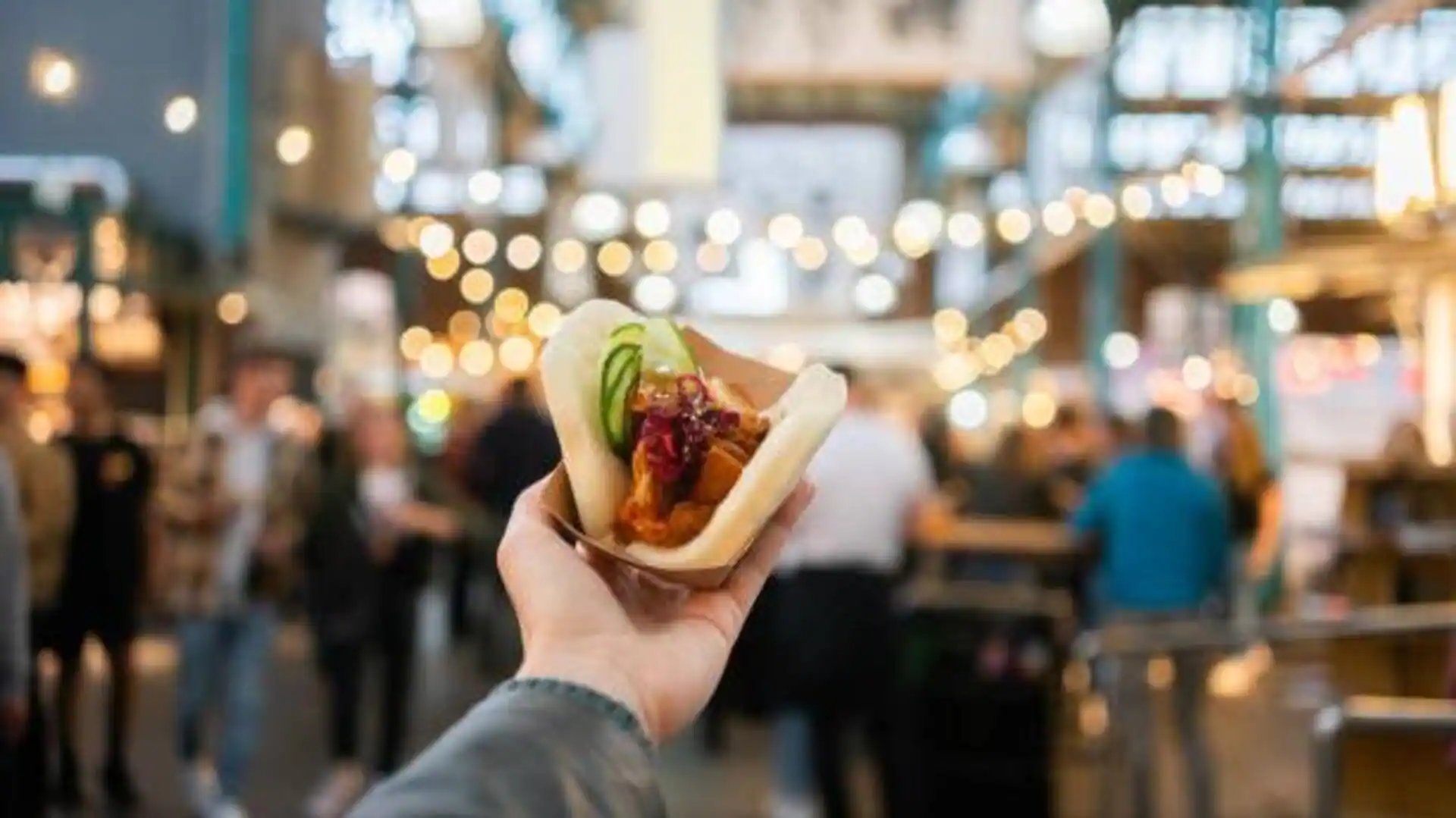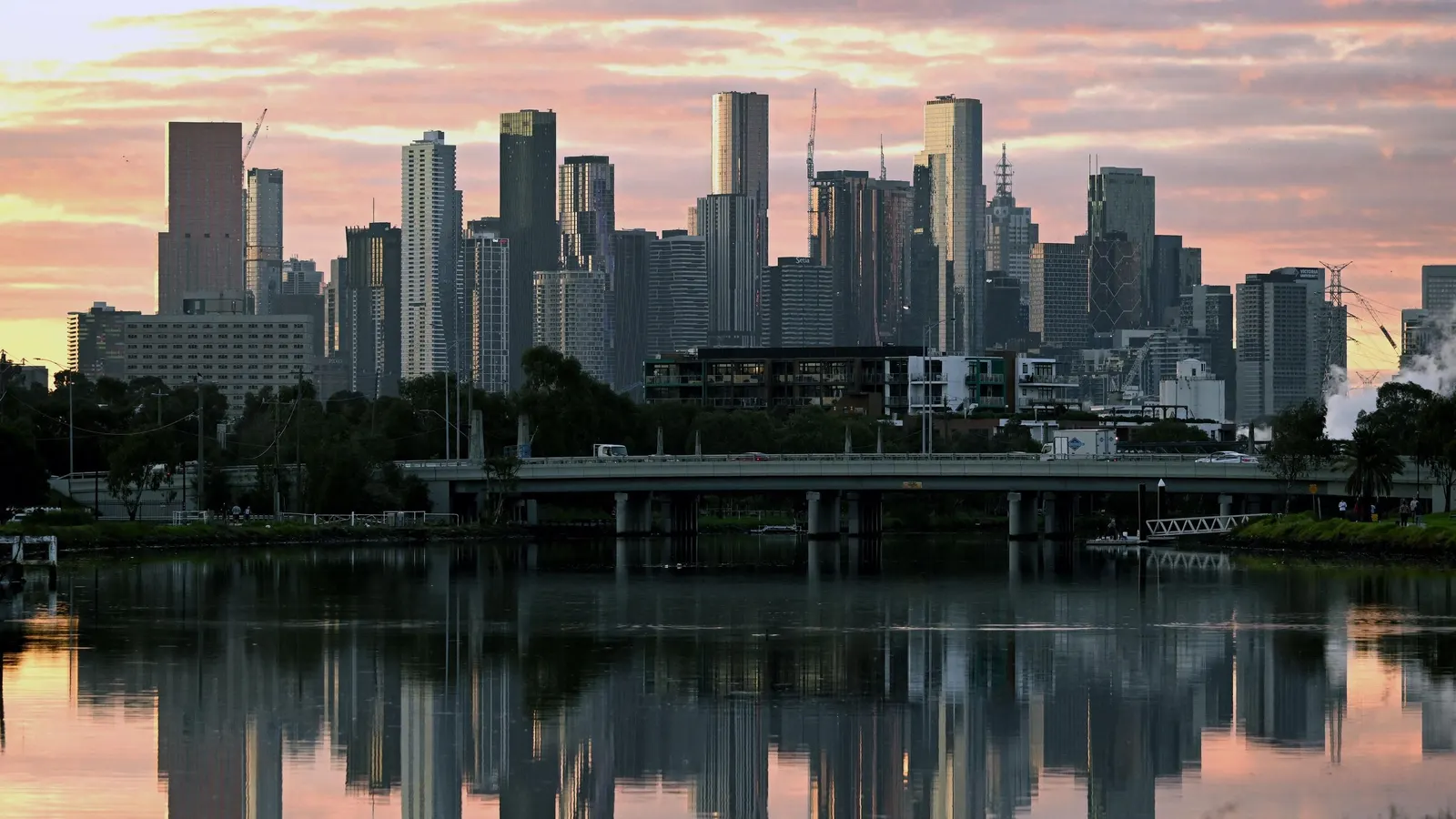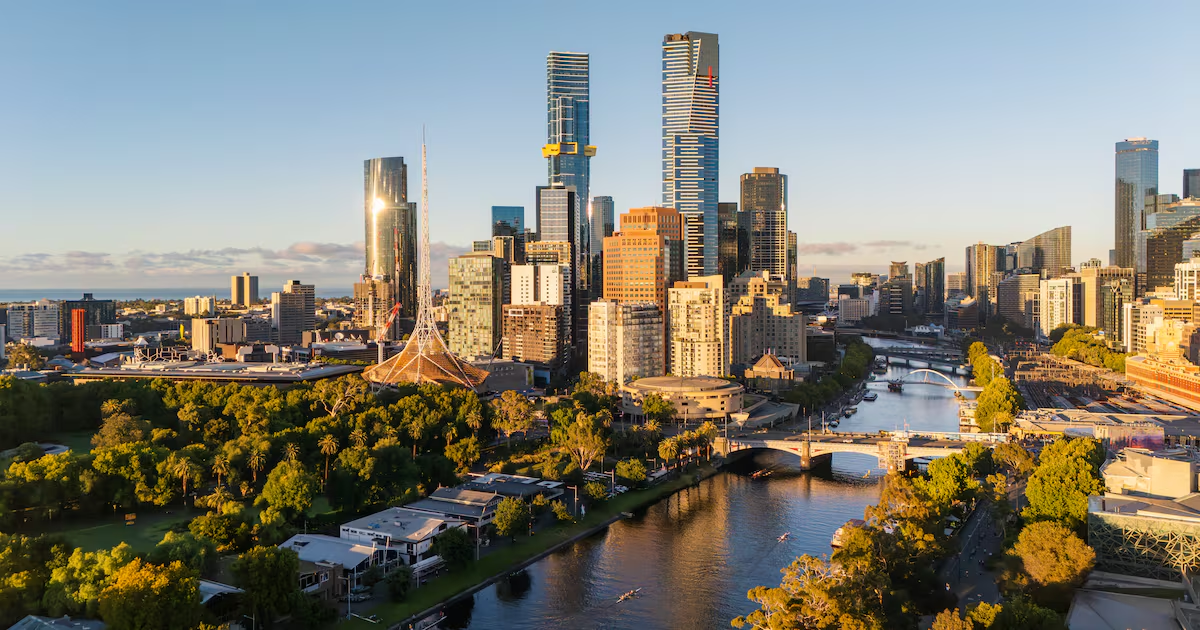
Spot penguins, go rowing or check out vintage marketsMelbourne Mon Aug 31 2026 - 05:58 • 5 MIN READMelbourne, the capital city of Victoria – Australia’s smallest state – is often deemed to be the cultural centre of this vast continent. It is also widely regarded as one of the best foodie hubs of Australia, with a wide range of ethnically diverse cafes and restaurants and cool rooftop bars. Having recently overtaken Sydney in terms of population, Melbourne is also the location of choice for many young people migrating from other parts of Australia as well as those coming from overseas. The high cost of renting or buying houses/apartments in Sydney puts many people off trying to settle there, so Sydney’s loss is Melbourne’s gain. I’m here to catch up with family – both Australian and Irish – and experience this city that I first visited more than four decades ago. Walking through the city centre streets or wandering through the cool inner ring of northern suburbs – Collingwood, Fitzroy (with its unmissable vintage and arts and craft markets on Saturdays) and Carlton – one is constantly reminded of the multicultural nature of this city. But what’s most pleasing is how at home everyone looks while travelling on the interconnected public transport network of buses, trams or local trains. Not surprisingly, Melbourne was designated the world’s most liveable city for seven consecutive years in the 2010s. As a visitor, Melbourne is easy to navigate. Its grid-style city centre streets are bordered by open green spaces – Flagstaff Gardens, Carlton Gardens, Fitzroy Gardens and the banks of the river Yarra to the south. Hopping on the number 35 tram – dubbed the tourist tram – at Flinders Street Station to travel for free around the inner city blocks is a nice way to orient yourself. Melbourne, Australia- February 14, 2013: Pedestrians and cylers at the iconic Flinders Street Station in Melbourne, Australia The cultural offerings in the city centre range from the Museum of Immigration to the Museum of Chinese Australian History to the National Gallery of Victoria, with international and national galleries in separate locations. There’s also a very cool Science Gallery building, next to the University of Melbourne, a sister gallery of the now-closed Science Gallery in Dublin. Must stops on a short visit to Melbourne include the National Gallery of Victoria – the NGV International at 180 St Kilda’s Road and the Ian Potter Centre NGV Australia at the architectural mishmash that is Federation Square. A visit to the Old Treasury Building, with its well -laid-out visual and textual narrative history of Melbourne, is a good place to start. Melbourne's Old Treasury Building. Photograph: Daniel Pockett/AFL Photos via Getty The National Gallery of Victoria (NGV). Photograph: Kim Landy/Getty Every Australian city has its dark colonial past that recent generations of Australians are only now slowly coming to terms with. First explored by the British in the 1830s, the parklike grasslands along the mouth of the river Yarra had been inhabited by Aboriginal farmers for hundreds of generations. The arrival of European settlers had a devastating impact on the Wurundjeri or Woiwurrung people of the Kulin Nation – many of whom died in the Anglican missionary reserve they were placed in three kilometres from the settlement. It would take almost 200 years before the traditional owners of these lands would again be given a say in the management of the Yarra catchment, following the Yarra River Protection Act in 2017.Melbourne – named after the British prime minister William Lamb, aka Lord Melbourne, a mentor to Queen Victoria – quickly grew from a village to a town to a city within 20 years of the arrival of the first European settlers. Due to the discovery of vast quantities of gold nearby in the 1850s and 1860s, Melbourne became the largest and richest city in Australia at that time. By 1880 it had gained the moniker Marvellous Melbourne, as electric street lights, public transport, a sewage system, telegraph/telephone lines and cable trams heralded its golden age. And during 1901-1927, before Canberra was officially designated the federal capital, Melbourne was the effective capital of Australia.In the early 20th century, Melbourne suffered from high unemployment, and its inner working-class suburbs fell into decline. It is these same suburbs – Collingwood, Fitzroy, Carlton and Richmond – with their Victorian terraces, warehouses and repurposed office and factory buildings, that are some of the liveliest and hippest parts of Melbourne today. Catch a bus north of the city centre to take a walk through Yarra Bend Park. Take a cycle or a boat trip along the river to be transported into Australian bushland, the Aboriginal cultural landscape known as Country. “Caring for Country” or “Connection to Country” are terms used to describe activities and beliefs linked to traditional lands of indigenous groups in Australia. Flying fox bats at a release facility in the Yarra Bend Park. Photograph: Christina Simons/The New York Times
Marvellous Melbourne: how to make the most of Australia’s cultural capital
Spot penguins, go rowing or check out vintage markets
1,177 words~5 min read