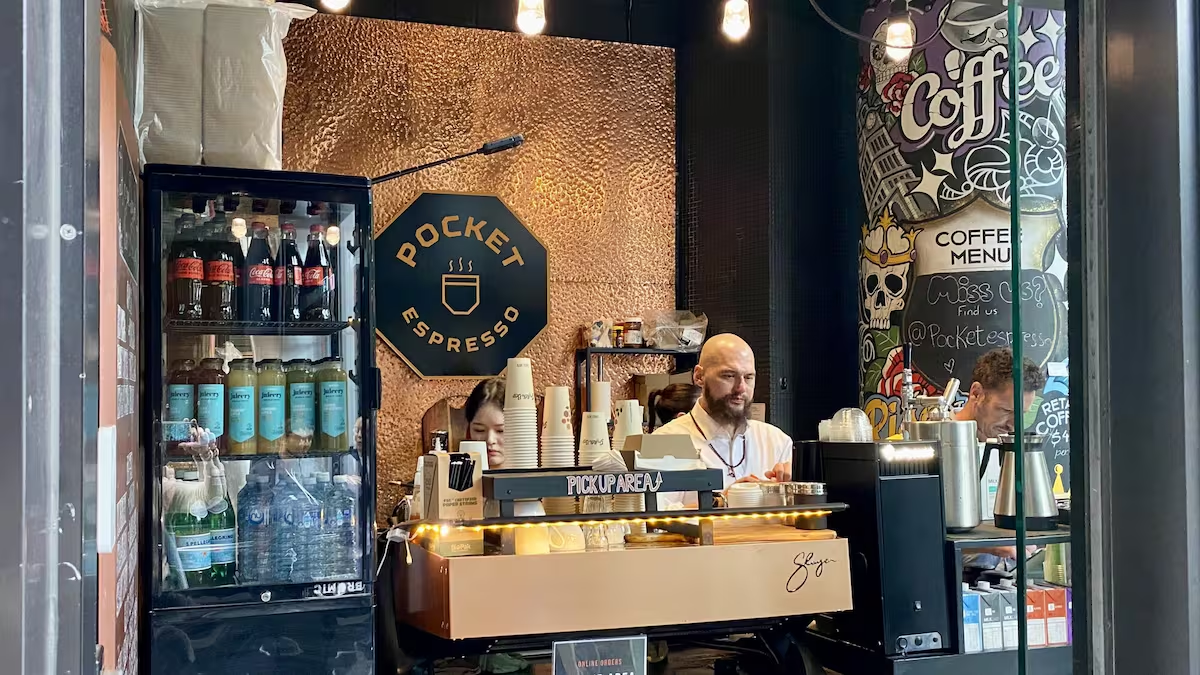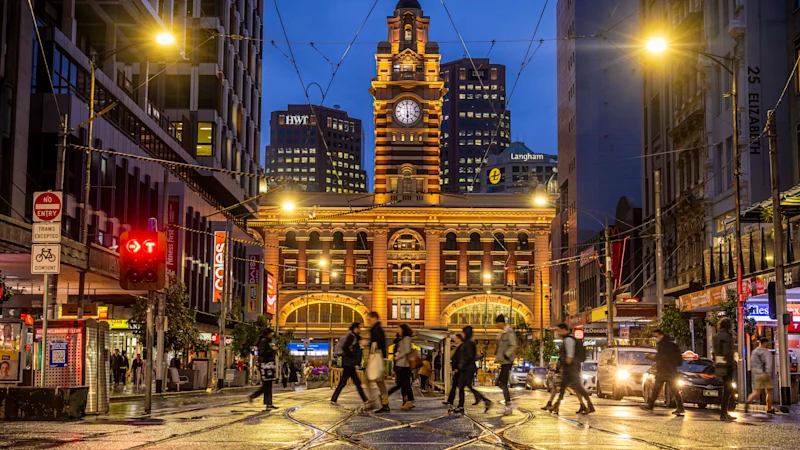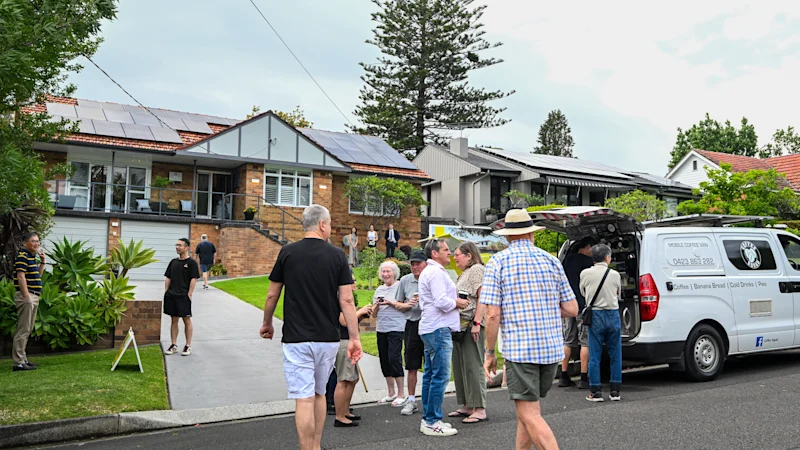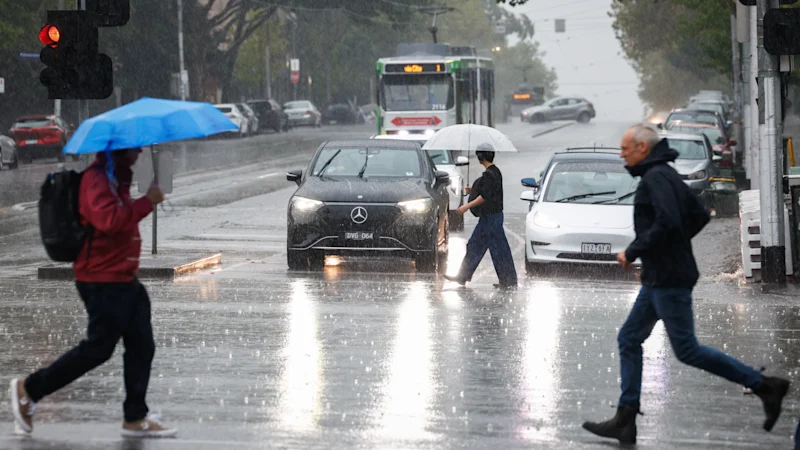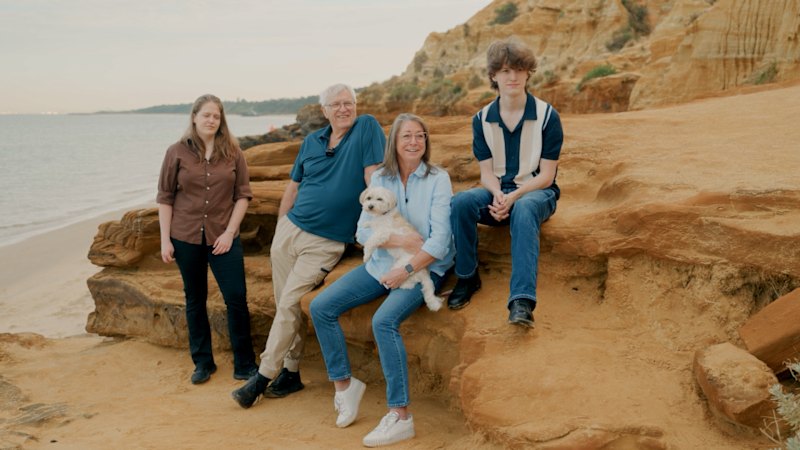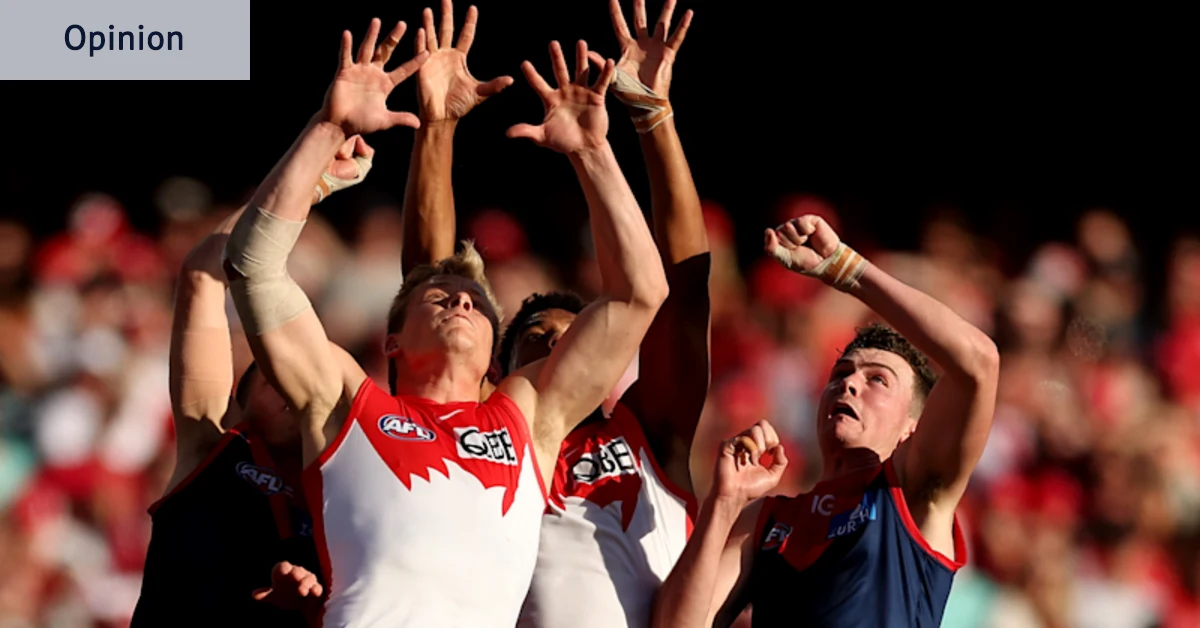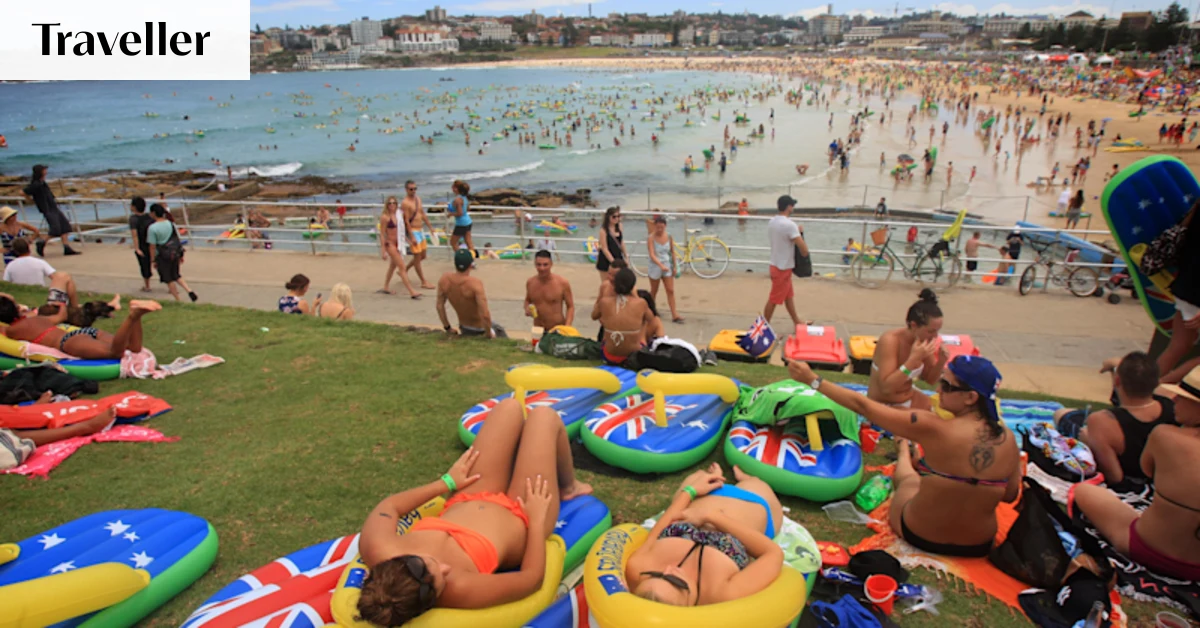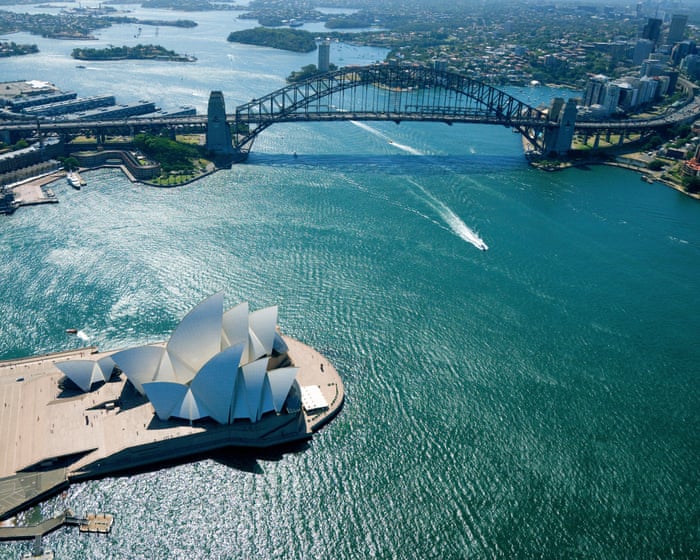
There really is something about Melbs. Even on this grey, cold Melbourne morning, Pat Nourse – rugged up in a fleecy hoodie and nursing a man-cold – has nothing but sunny things to say about his adopted city, including the cosy comforts of its long winters: woolly scarfs, steaming cups of coffee, the crackling sound of leaves crushing underfoot. The former long-term Sydneysider was sold on the Victorian capital within months of arriving back in March 2019, having left his more photogenic one-time home city of 20 years behind.So Nourse, who is creative director of the Melbourne Food & Wine Festival, wasn’t at all surprised earlier this year when Melbourne snatched the number one spot in Time Out’s 2026 global best cities ranking, marking the first time an Australian city has claimed the top position (the ranking, part-based on a survey of 24,000 residents across 150 cities worldwide, draws on benchmarks such as affordability, happiness, culture and food quality). Nor does my jaw exactly drop when Norse states – unequivocally – that Melbourne’s food culture, from grocery shopping to high-end restaurants, outclasses Sydney’s on almost every measure (we’ll share the whys a bit later). But for the engaging 48-year-old, a primary element of the city’s allure boils down to one big fact: it’s easier to buy a house there.“I rented the whole time I lived in Sydney,” Nourse explains. “Living on a journalist’s salary, the idea of buying a house in Sydney just seemed completely unattainable. Apart from having a lower bar to enter the market, Melbourne also felt a bit easier to save up the money for a deposit.” In 2022, Nourse and his partner Helena bought a two-bedroom weatherboard house in inner-city Clifton Hill, known for its wide, tree-lined streets. Glancing around his bright, airy living room during our video chat, reflecting on future space requirements for their 11-month-old baby, Elodie, Nourse reflects: “There’s no way we’d be able to own a house like this in a comparable suburb in Sydney.”Melbourne is beset with debt, and crime, and it gets cold – yet it outperforms Sydney on one pivotal front: affordability.Marija ErcegovacThe dramatic change of fortunes in Melbourne’s housing market, relative to Sydney’s and the other major state capitals, has happened without much fanfare. Melbourne dwellings (covering both detached houses and apartments) are at least 39 per cent cheaper than Sydney’s, according to PropTrack and Commbank. In March, the median price of a detached house in Sydney was $1.79 million, in Brisbane $1.21 million and in Melbourne $1.08 million, according to Domain: a $700,000 difference between Australia’s two biggest cities. “We’ve never had such a price differential like this before,” marvels the demographer and social analyst Mark McCrindle, CEO of research company McCrindle.In February 2020, just before the COVID-19 pandemic was declared by the World Health Organisation, Melbourne had the second most expensive housing market after Sydney. Yet, in six short years, Melbourne has miraculously become cheaper than Brisbane, Perth, Adelaide and Canberra. Even after three successive interest-rate rises, proposed budget reforms to capital gains tax and negative gearing, and cooling demand in recent months – which have seen auction clearance rates tumble and led Morgan Stanley analysts to predict price falls of as much as 10 per cent by the end of this year – the price gap between Australia’s two biggest cities shows no signs of narrowing. Why? Because the basic differences in housing inventory remain the same.“I hesitate to use the word ‘affordable’ to describe Melbourne’s housing market, but its outer suburbs are certainly more affordable than just about anywhere else within reach of a major capital city,” says Glenn Capuano, a demographer with Informed Decisions, a demographics and population forecasting company that consults with local governments and industry. To buy a median-priced house in Sydney in January, you needed a combined household pre-tax income of at least $232,000 per year; for an equivalent median-priced house in Melbourne a couple needs an annual income of roughly $145,000, according to Canstar figures. Unbelievably, this might even be an underestimation if you’re planning for the pitter-patter of tiny feet. “When we were still living in Sydney, a couple of friends at a dinner party read us the riot act, telling us to get serious and start earning because if we’re both not on $200,000, keeping a foothold here with a family will be really tough,” recalls Pat Nourse.Melbourne’s greater housing affordability extends to rents: asking prices in Sydney are generally at least 20 per cent higher, which means paying approximately $150 less per week for a comparable two-bedroom apartment in Melbourne, even though overall rental vacancy rates are surprisingly close (1.3 per cent in Sydney versus Melbourne’s 1.5 per cent). “Melbourne’s median rents are the cheapest among the major capital cities; while they’ve risen in the last five years, their percentage increase has been less than in other capitals, including Sydney,” says Leith van Onselen, the straight-talking chief economist and co-founder of MacroBusiness in Melbourne.Sharon Herve, a hospitality worker with an infectious laugh and an unstoppable sense of adventure –she’s lived in seven different countries – moved to Melbourne from Sydney last October and is relishing what she insists is a higher quality of life. “I don’t regret leaving Sydney,” the 42-year-old says flatly. “The overall pace of life here is slower, it’s less expensive, and people are more polite – even drivers on the road.”Hospitality worker Sharon Herve relishes her higher quality of life in Melbourne.Josh RobenstoneFor the same selling price of her unrenovated one-bedroom apartment on Sydney’s popular northern beaches, which she is renting out, Herve estimates she could buy a three-bedroom apartment, townhouse or an unrenovated house in a nice area of Melbourne. “I’m toying between keeping the property in Sydney and using the equity to buy a place in Melbourne, or just selling it and buying here.”Strikingly, Melbourne’s much cheaper house prices have occurred despite the city consistently outpacing Sydney in population gains over the past 20 years (excluding the pandemic years when both cities suffered population falls). Greater Melbourne continued to add more people (105,030) than Greater Sydney (75,200) in the 2024–25 financial year, according to the ABS. Melbourne’s population has grown by 2 million (from 3.5 million to 5.5 million) since the turn of the century, notes Leith van Onselen.The Manhattanisation of Melbourne’s CBD skyline reflects the ballooning population. Nearly 80 per cent of its thrusting glass-and-steel high-rises have been built since 2000, according to one estimate, almost half of them apartment towers. It’s indicative that Melbourne’s three tallest towers, (Australia 108, Eureka Tower and Aurora Melbourne Central) are all residential, symbolic of a population rather than business boom.Hang on. How can it be that Melbourne is Australia’s fastest-growing city, as statistics show, but Victoria itself appears to be in the economic doldrums, groaning under the weight of the largest state debt in Australia (projected to reach a staggering $194 billion by the end of this decade), and an unemployment rate of 4.8 per cent (a notch above NSW’s 4.5 per cent)? Simple answer: Melbourne is a hell of a lot better at building houses, outpacing Sydney year-on-year since the early 2000s. And new building approvals in Melbourne were nearly 39 per cent higher in the 2024-25 financial year, according to Buildstreet.“Melbourne has maintained a very strong housing construction sector for a long time, partly to address population growth, which helped it develop the necessary skill base,” says Dr Michael Fotheringham, managing director of the Australian Housing and Urban Research Institute. Melbourne’s inner-city apartment glut, which peaked just before COVID-19, depressing prices and rents, turned out to have a substantial silver lining as post-pandemic demand soared, and the rental market tightened, he adds.Ex-Sydneysider Liam Casey notes the harbour city’s “tax on living”, even for those on above-average incomes. Josh Robenstone The good news for Melbourne: by late last year, the city had emerged as Australia’s first-home-buyer capital, with nearly half of the country’s newbie purchases in suburbs such as Dandenong, Brunswick and Coburg, according to research from the Commonwealth Bank and REA Group’s PropTrack. Still, at a time when the average age for first-time buyers has climbed to a historic high of 37 years old – from just 25 in the 1970s – buying a first home is a brutally stressful business in both cities amid a nasty combination of high prices and high-interest rates.Sydney remains stubbornly unaffordable for those even on above-average incomes. “There is a half-million-dollar tax on living in Sydney – and that’s the higher price of an average two-bedroom home close to the city,” says psychologist Liam Casey, a boyish-looking, dry-witted 40-year-old, who grew up on the NSW Central Coast and lived in Sydney’s trendy inner west for 15 years before moving to the Victorian capital three years ago. “I don’t want to get into trouble with Clover Moore [Lord Mayor of Sydney], who described Sydney as a ‘city of villages’, but Melbourne is the real deal,” chuckles Casey, who has bought a house in St Kilda with his partner and offers a tip for those who find Melbourne too cold: “Buy yourself a puffer jacket.”Annie Sandor, the CEO of Relocate Australia, a Melbourne-based company that helps people find rental properties and houses and apartments for sale across the country, says even deep-pocketed professionals are heeding the difference between Sydney and Melbourne in asking prices for family-friendly rental properties. “While a beachside house in Sydney may cost around $4000 to $6000 per week in rent, a comparable family home in a great suburb like Brighton in Melbourne can be found for approximately $2500 to $3500 per week.”For Rachael Straiton, who moved to Melbourne from Singapore four years ago with her husband and two children after living overseas for 14 years, the choice of Melbourne was about good schools, better value in real estate and a more comfortable climate. “We considered Sydney and Brisbane, but were put off by the subtropical humidity, especially coming from Singapore. We arrived in a Melbourne winter, and it was this giant breath of relief – we loved rugging up whenever we went out.” Straiton, who is 58, and her family settled in bayside Black Rock, where they were further warmed by the sense of community. “We were welcomed by neighbours almost instantly and kind of adopted, maybe because of our morning dog walks. Both kids feel connected to friends now and don’t want to leave.”Melbourne’s greater affordability doesn’t stop with housing. Sharon Herve says one of the pleasant surprises has been lower electricity bills. “My bill is less than half what I paid in Sydney,” she says, while acknowledging higher energy efficiency in her Melbourne apartment.“Sydney is a harder city to live in than Melbourne,” opines Liam Casey. “Dining out is more expensive, utilities are higher, parking is far more difficult in inner-city areas. There’s more of a hustle culture overall. I’d been living in Melbourne for only six months when I felt all the tension drain out.”You don’t need a PhD in economics to understand why 20-somethings might choose Melbourne over Sydney. “Young people are flocking to the inner suburbs of both Sydney and Melbourne, but more are moving to Melbourne because of the greater affordability,” says demographer Glenn Capuano. “Melbourne heavily targeted the student accommodation market, much of it built by multinational providers for international students,” explains Michael Fotheringham.When Rachael Straiton, her husband Doug and children Stephanie and Alex moved back from Singapore, they chose Melbourne over Sydney.Josh RobenstoneTwenty-year-old Annabella McInnes moved to Melbourne from Canberra, where she grew up, two years ago with a handful of her high school friends, drawn by the more affordable housing, the range of university courses, the city’s thriving arts and live music scene, and the fact she could afford to live relatively close to Melbourne University, where she’s majoring in psychology. “If I’d chosen Sydney Uni, I would have had to move much further out to afford living there,” she explains. “Melbourne feels like a city that’s really good for young people because it’s that little bit cheaper and there are lots of different things to do.”McInnes relishes the flat bicycle ride from her shared house in Northcote to the campus, about half an hour away, and to her part-time babysitting job. She loves visiting the State Library, Readings bookshop on Lygon Street and the op shops on Brunswick Street, and praises Melbourne for being a cockroach-free zone (“I’ve never seen one”). Right now, she feels that she’ll stay in Melbourne once she graduates (“it’s such a cool city”).As a lifelong Sydneysider, I can attest to Melbourne’s “cool factor” among the young. I’ve lost count of the number of friends’ and colleagues’ offspring who’ve moved to the Victorian capital from Sydney over the past few years, drawn by the cheaper rents and cost of living, nightlife and overall youth culture. Sydney and Melbourne will always be magnets for young people but the harbour city may have a tougher time retaining them once they graduate due to the punishing housing costs. While tens of thousands of people leave the two biggest cities each year for other capital cities and regional areas, the exodus from Sydney has been consistently greater than Melbourne’s since the 1980s. “Figures show that once people move to Melbourne, they’re more inclined to stay,” confirms Professor James Raymer, of the School of Demography at Canberra’s Australia National University.Part of this can be blamed on geography. In contrast to the vast basalt plains that stretch for hundreds of kilometres west of Melbourne’s CBD, Sydney is hemmed in by its natural barriers: the Pacific Ocean to the east, the Blue Mountains to the west. “Melbourne has got so much more space to grow and has been predicted to become the biggest city in Australia for some time now,” says Raymer.And here’s the thing: while just over 70 per cent of new migrants to Australia settle in Sydney and Melbourne, there are indications Melbourne may be gaining an edge, according to ABS figures. In the last financial year, Melbourne added about 81,000 overseas migrants, followed by Sydney with about 78,000. “Both Sydney and Melbourne are very attractive to international migrants, but overall lose to domestic migration,” notes Raymer.Student Annabella McInnes rates Melbourne for its culture and low cost.Josh RobenstoneSydney may still hold the crown for being Australia’s biggest city, but it won’t for much longer. Depending on which demographer you speak to, Melbourne is destined to be the largest city by the early 2030s or the 2040s at the latest. “Melbourne is almost certainly going to be bigger,” says Mark McCrindle.Wait a minute – isn’t Melbourne already bigger than Sydney? What of that headline-making announcement a few years ago trumpeting the Victorian capital as Australia’s largest (“Melbourne snatches Sydney’s crown as Australia’s biggest city” in The Times of London)? Blame a crazy quilt of boundaries for the confusion. Greater Melbourne technically became larger than Greater Sydney in 2023, when the ABS included the western suburb of Melton in the Victorian capital’s significant urban area, boosting the total population by 180,000 people (based on the 2021 census).Once a sleepy satellite township on Melbourne’s western rural-urban fringe, Melton has been swamped by cookie-cutter subdivisions springing up like mushrooms. “It’s almost an uninterrupted stretch of urban sprawl if you drive out there now,” says Glenn Capuano. “Melton absolutely should be considered part of Melbourne.”However, in keeping with most demographers, Capuano insists that Greater Sydney still boasts a higher population. That’s because the ABS includes the Central Coast, Blue Mountains, Wollondilly and outer Sutherland areas in Greater Sydney’s total due to the large number of daily commuters to the state capital, while Geelong remains excluded, he explains. “By this definition, Sydney’s population is 5,638,000 and Melbourne’s 5,435,000. So there’s about 200,000 more in Greater Sydney.”By the commuting yardstick, I ask Capuano, shouldn’t Geelong be included in Greater Melbourne, given it’s within a manageable daily distance of the Victorian capital’s CBD? “There’s a 30- to 40-kilometre corridor between the edges of the urban areas, so we have a long way to go before it will ever be built through,” he replies. There’s also the presence of the 110-square-kilometre sewage treatment plant at Werribee, whose lagoon systems and bird sanctuary are protected, he adds.Melbourne’s Time Out win aside, for nearly 20 years the venerable Economist Intelligence Unit has consistently ranked the Victorian capital as one of the most liveable cities on the planet (at the time of going to press, this year’s rankings hadn’t been released, but last year, Melbourne came in fourth place in 2025 out of 173 cities).Numbers alone don’t capture the emotional appeal of a city, however. For former NRL CEO Todd Greenberg, who moved to Melbourne from Sydney in 2021 to take up a position as head of the Australian Cricketers’ Association (he’s now CEO of Cricket Australia), much of the city’s appeal flows from its sporting culture. “In Melbourne, people ask you, ‘Which club are you a member of?‘; in Sydney, it’s ‘Which team do you support?’ These are very different questions, highlighting how Melburnians are much more invested in their teams. AFL games, with their four quarters and longer breaks, provide more of a sense of event and are better seen live, particularly games at the Melbourne Cricket Ground. NRL games are more easily watched on television.”Food festival head Pat Nourse (with partner Helena and baby Elodie) found buying a house in Melbourne much easier.Josh RobenstoneFor Pat Nourse, Melbourne shines with its exceptional food culture, which cuts deeper than a handful of great restaurants. “Melbourne has seven permanent bricks-and-mortar markets – Sydney killed off most of its markets for reasons I’ve never understood – which contributes to a better knowledge of food and home cooking. And Melbourne still has plenty of delis – during my 20 years in Sydney, almost all the delis closed. Plus we have a city-wide, dedicated food and wine festival – in March we had 117,000 attendees – something Sydney no longer has.”For Liam Casey, who is gay, it’s about Melbourne appearing a “little bit more tolerant” and “more welcoming” than Sydney, Mardi Gras city or no Mardi Gras city. “Sydney is gay and Melbourne is queer,” he quips. “There’s more of a diverse culture here; queer community events have a broader range of bodies and ages.”For comedian Lawrence Mooney, who spent the first 54 years of his life in Melbourne (he now lives in the NSW Southern Highlands), it’s about the city being the beating heart of Australia’s comedy scene, dating back to the 1950s, when Barry Humphries first took to the stage as Dame Edna Everage. Why is it that Melbourne has been Australia’s comic capital and the home of most of our comedians, from Jane Turner and Magda Szubanski to Charlie Pickering, Shaun Micallef and Kitty Flanagan? “Melbourne has a genuine winter, which makes for a more internal culture – music, poetry, drama, comedy – plus there’s a walkable concentration of venues in the CBD, which is much larger than Sydney’s [Melbourne’s CBD is more than twice the size of Sydney’s],” Mooney surmises.For entrepreneur, influencer and podcast host Sarah Davidson, who has taken to TikTok to champion her home city of Melbourne, it’s about the city’s lower cost of living, making it easier for younger people to take risks with small businesses. “Melbourne is more of a relationships town than Sydney. I believe it’s easier for young women to start a business here.”Many locals, of course, take a more hard-boiled view of their home city, bemoaning a cascade of negative outcomes – ageing road infrastructure, hospitals, atrophying social services – stemming from its government’s punishing debt. The CBD has Australia’s highest commercial vacancy rate and the highest state taxes in the country, sighs Leith Van Onselen, the MacroBusiness chief economist and co-founder. “The city is drowning in debt,” he says. And don’t get him started on the widely reported crime wave. “Melbourne has a real problem with crime. It’s not a media beat-up. I’ve never seen anything like it in my lifetime. I know people who have been victims of a home invasion; a Porsche was stolen on a nearby street and there was an attempted break-in on my own house.”He continues, “What is Melbourne’s competitive advantage? We’re no longer a manufacturing hub. We’re not a financial services hub. We’ve lost industry and firms to other cities. Our universities sell questionable degrees. We seem to be growing Melbourne just for the sake of it.”Mark Twain praised Melbourne, while dismissing the Emerald City with a quote from a local: ‘God made the Harbour … but Satan made Sydney.’On any given day, Tom Elliott, host of the 3AW Mornings program in Melbourne, bemoans the decline of the city’s trademark shopfronts in the CBD (last year’s opening of the lavish Mecca store aside), the rise in street crime and the city’s infamous reputation as the car-theft capital of Australia. He blames much of the crime wave on weakening bail laws and punishment for young offenders that too often amounts to a slap on the wrist. “We have a generation of magistrates who don’t believe in punishing young offenders,” he tells Good Weekend.Melbourne’s crisis of confidence, Elliott believes, can only be healed with the firm hand of decisive leadership: one that crushes corruption in the building industry and introduces a suite of bold policies focused on drawing business investment. “There are no easy solutions to pay the debt down and it will take some time,” the 58-year-old acknowledges. “We have to grow the economy to grow out of debt.”For all its economic woes, Melbourne may be gaining an edge on Sydney in the technology sector. While Sydney remains the dominant force in data centres in Australia, Melbourne is well placed to eventually challenge it as a major Asia-Pacific hub because of its greater availability of land and expanding renewable-energy industry, according to a 2024 report by M3 Property. Among relocation specialist Annie Sandor’s most recent clients are IT and cybersecurity professionals employed in the booming logistics hub of Truganina, in Melbourne’s western outer suburbs. “My observation is that IT experts from overseas and interstate are drawn to Melbourne-based companies, because they appear a bit more flexible on work and life balance,” says Sandor.Its economic challenges aside, Melbourne will always possess an urbanity Sydney lacks (I tip my hat to Melburnians for tuning out of Sydney’s trashy – and now defunct – Kyle & Jackie O Show). Mark Twain, who visited both cities in 1895, famously fuelled their rivalry when he praised Melbourne as a “stately city architecturally as well as in magnitude”, while dismissing the Emerald City with a quote from a local: “God made the Harbour … but Satan made Sydney.”“There’s only one city that cares about the Melbourne-Sydney rivalry and that’s Melbourne,” observes Melbourne-born and bred Glenn Capuano. “Sydneysiders don’t care.” As a Satan-made Sydneysider myself, I can only echo his sentiment. On multiple visits to Melbourne over the decades – a city I love, by the way, for its Victorian architecture, bookshops, rooftop bars and more temperate climate – I can’t tell you how many times a local has launched into an unsolicited rhapsody about their home town’s advantages (I swear if I hear one more lecture about the brilliance of Melbourne’s prosaic grid system, I’ll burst into an aria celebrating Sydney’s bewitching jumble of winding, hilly streets: The Rocks! The Sandstone Precinct! Balmain! Manly! Not like flat-as-a-pancake Melbs!)Melbourne’s legendary Sydney envy is unlikely ever to disappear: there’s no getting past the northern city’s heaven-sent medley of olive-green harbour, golden beaches and blue skies. Capuano believes that Melbourne – best city award or no best city award, population boom or no population boom – can’t match Sydney’s dreamy location. “Melbourne has some nice places – along the Yarra and up to the Dandenong Ranges – but it doesn’t have the immediate visual impact of Sydney’s spectacular harbour.”So, what’s keeping him in Melbourne? “My family and my job, where I’ve been for 18 years. There’s also the cooler climate – Sydney is too humid for me,” says Capuano, who ultimately wants to settle for a quieter and crisper life in Tasmania.Could Melbourne’s demographers be drinking from the same water cooler? “I’m no Melbourne fanboy,” says Leith van Onselen. “The overall mood of the city is pretty glum. When I fly into Queensland, it really feels like a place going somewhere. In Melbourne, everything feels worn out and not maintained.” Queensland would be his preferred home base if it weren’t for his family being in Melbourne. “It’s also too expensive to move to Brisbane because Melbourne’s housing market is now cheaper.”Sydney-Melbourne rivalries aside, both cities face the same growth challenges. On their urban fringes, both Melbourne and Sydney are outgrowing basic infrastructure – roads, hospitals, schools – as fast as a baby’s first bootie. The two cities, shamefully, boast one of the highest rates of urban sprawl in the world, with ever-expanding housing estates putting increasing pressure on koala habitats and pristine wilderness. Both the NSW and Victorian governments are trying to squeeze more people into the same amount of space, via policies that encourage higher-density developments around transport hubs, but we continue to build far too many houses and far too few apartments, says Michael Fotheringham. “For every apartment constructed, six houses are built, which just reinforces the expansion of low-density suburbs.”Just as bad, he adds, is that the average Australian house has nearly doubled in scale since the 1950s, despite family sizes collapsing, while building skills are still overwhelmingly concentrated in detached home construction. “The vast majority of Australia’s building companies are detached home-builders. For the second half of the 20th century, Sydney led the way at apartment construction, but Melbourne has now moved ahead.”At the end of my interview with Pat Nourse, I throw down the Melbourne-Sydney gauntlet: which city now makes the superior cappuccino given that the harbour city recently scored a major win, with four cafes making it into rankings of The World’s 100 Best Coffee Shops? (Melbourne had two and Brisbane one.) Surely the jury is now out on whether cafe culture is better in Sydney or Melbourne? “The jury is very much in,” counters Nourse. “The very best coffee in Sydney’s inner city is probably within cooee of Melbourne’s best, but in Melbourne I can drive an hour in any direction from my house and still get a good coffee, whereas the quality drops off in Sydney. It comes back to discernment – in Melbourne people are more likely to give a damn about coffee quality.”Read more from Good Weekend:Elijah was 10 when his friend typed ‘porn’ into a search engine. He was afraid – but unable to look awayThe blunt verdict Lena Dunham was dreading on her new memoirHow Luke Bateman became Australia’s most unlikely book influencerModernist architects once declared war on Australia’s classic architectureGet the best of Good Weekend delivered to your inbox every Saturday morning. Sign up for our newsletter.
Melbourne is poised to become our biggest, most liveable city. (Just don’t mention debt. Or crime)
There are reasons why Melbourne has been crowned the planet’s most liveable city. Just ask the growing wave of ex-Sydneysiders.
TL;DRAI
Questo articolo non è pertinente per **Warptech Tech News**. Tratta di abitabilità urbana e prezzi immobiliari a Melbourne vs Sydney — tema lifestyle/real estate, completamente fuori dalla audience di manager IT, CTO e decisori AI. **Scarta l'articolo** dalla selezione newsletter. Nessun angolo tech o business-tech ricavabile.
4,490 words~20 min read