Yoo Seong-ok
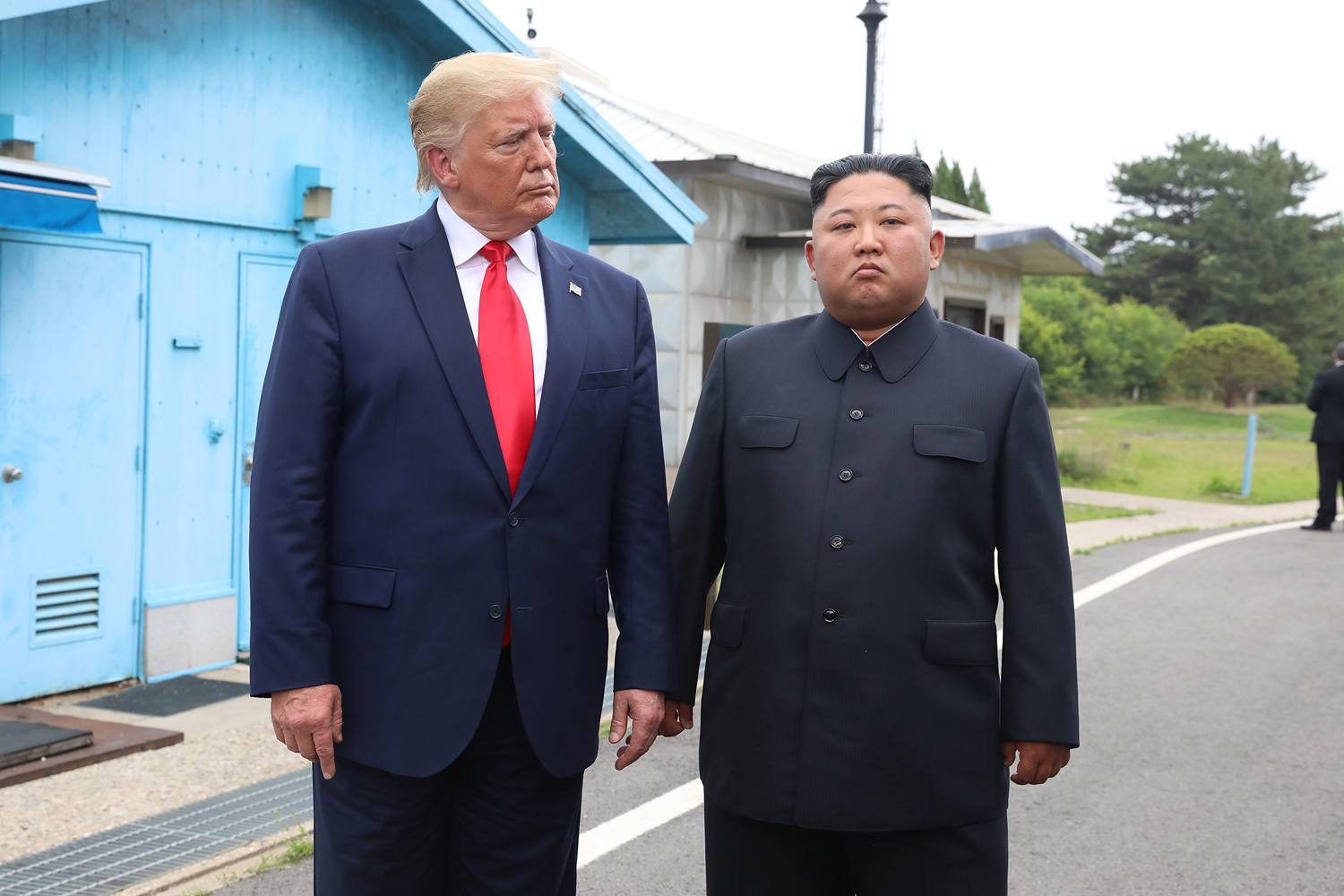
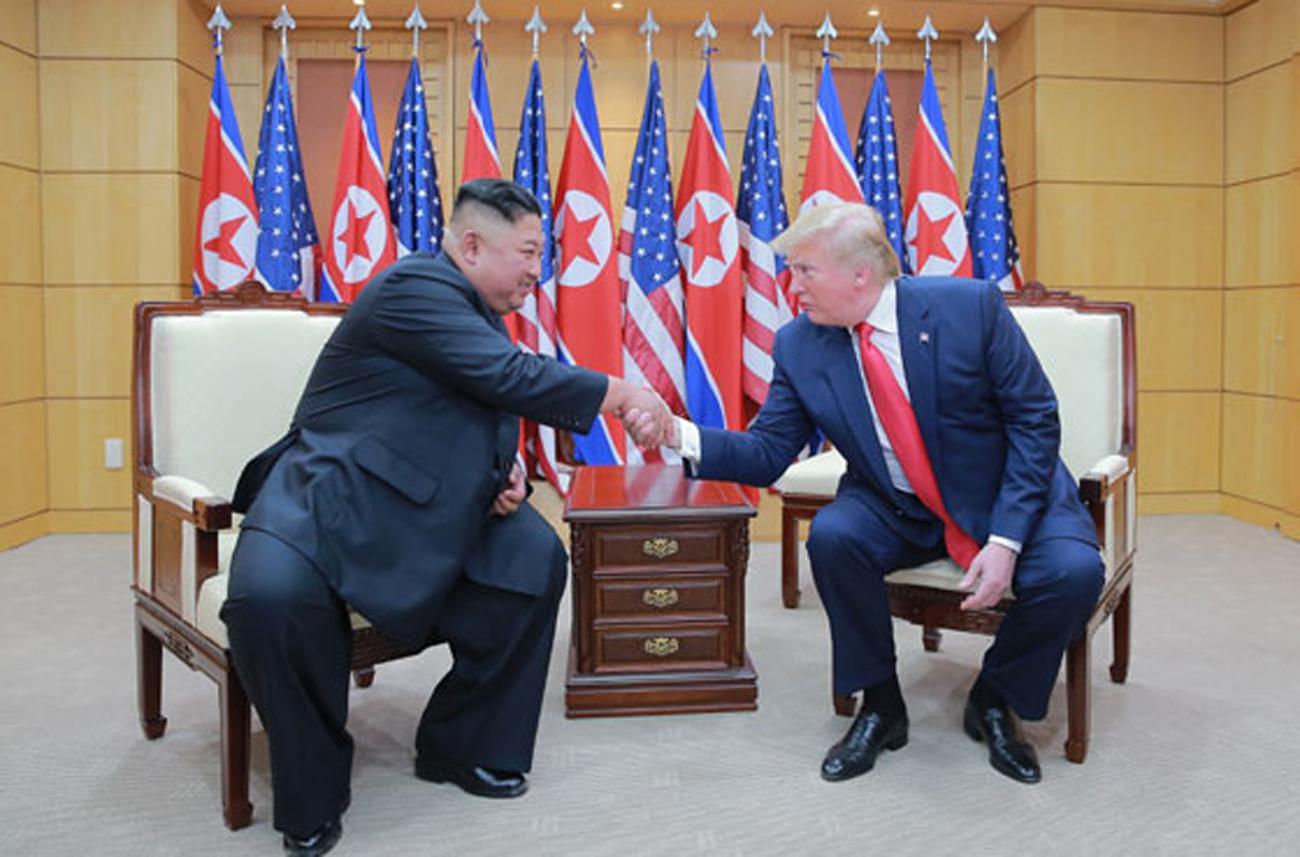
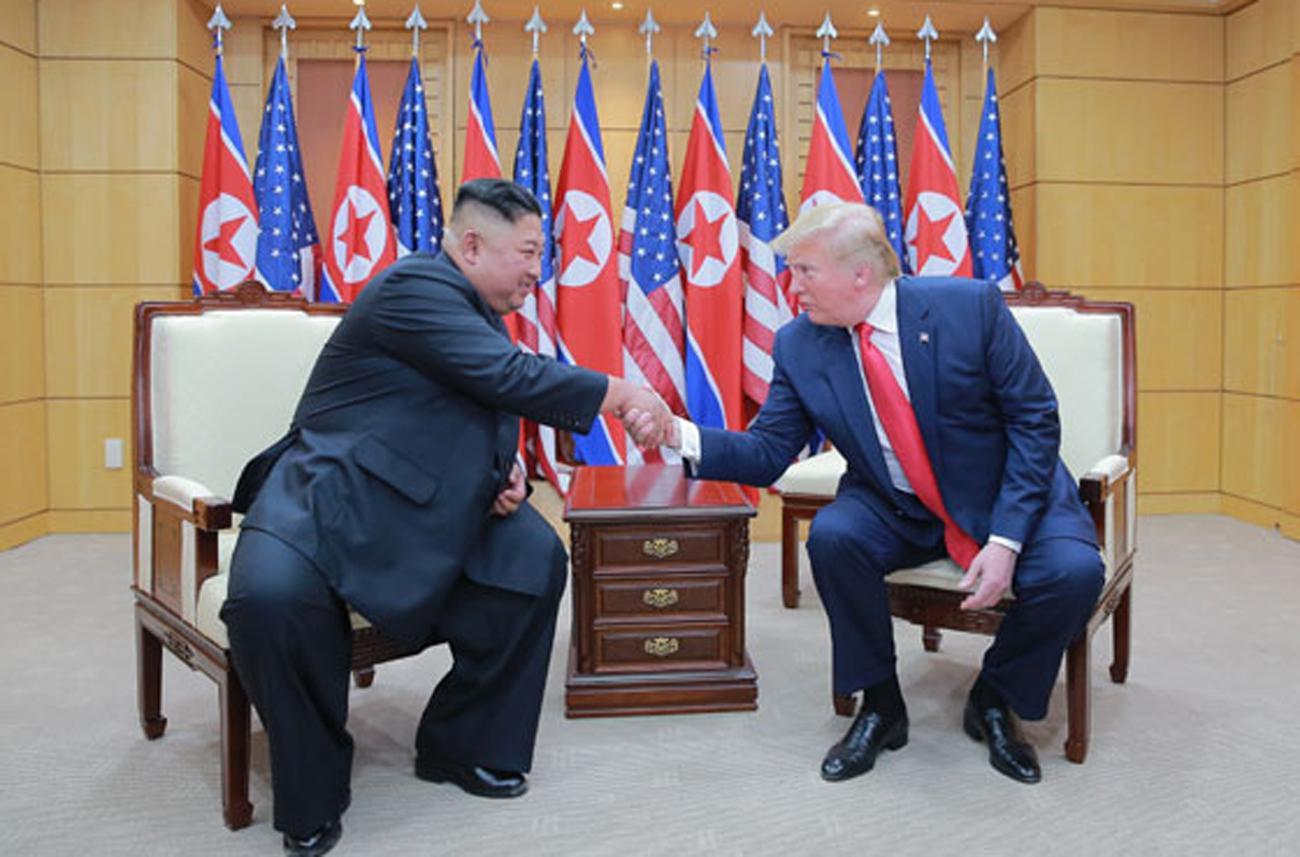
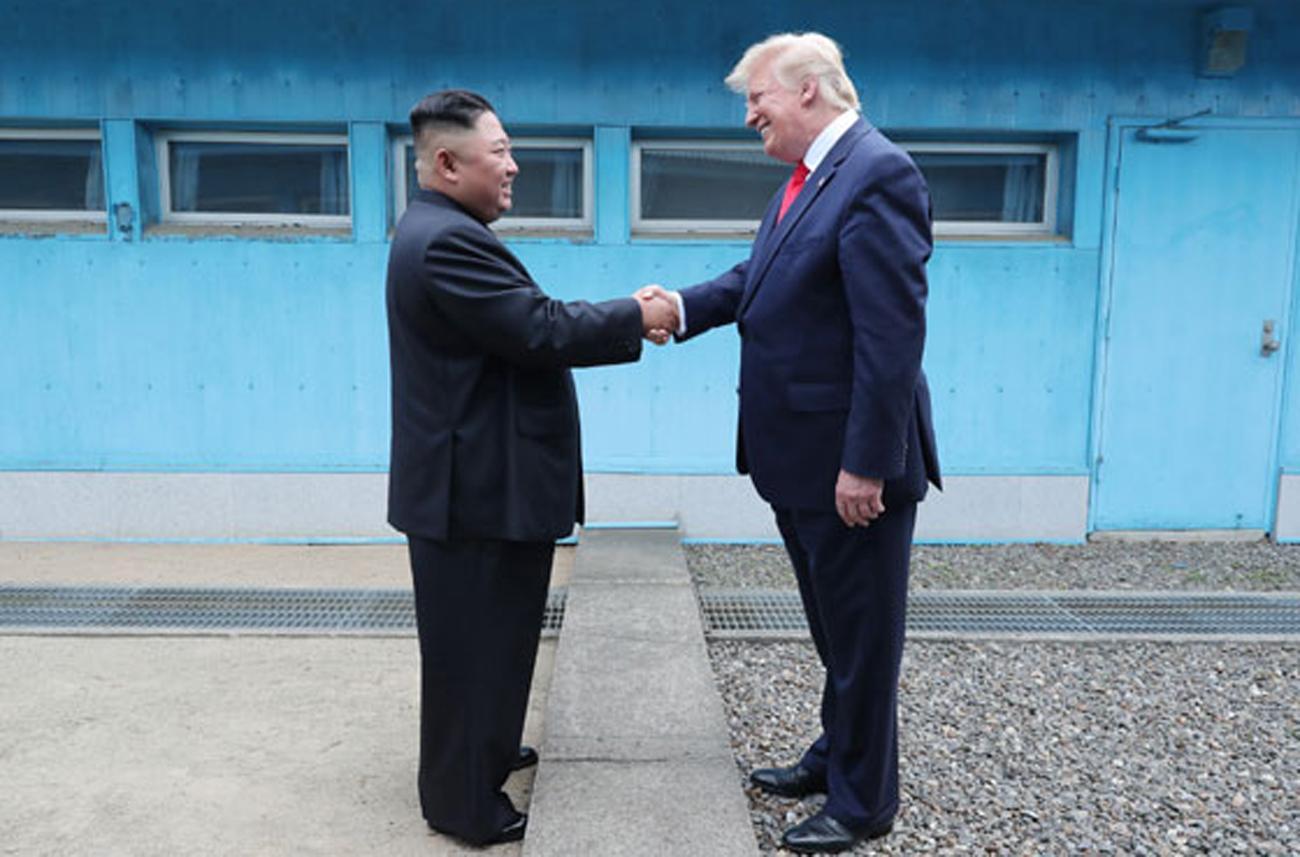
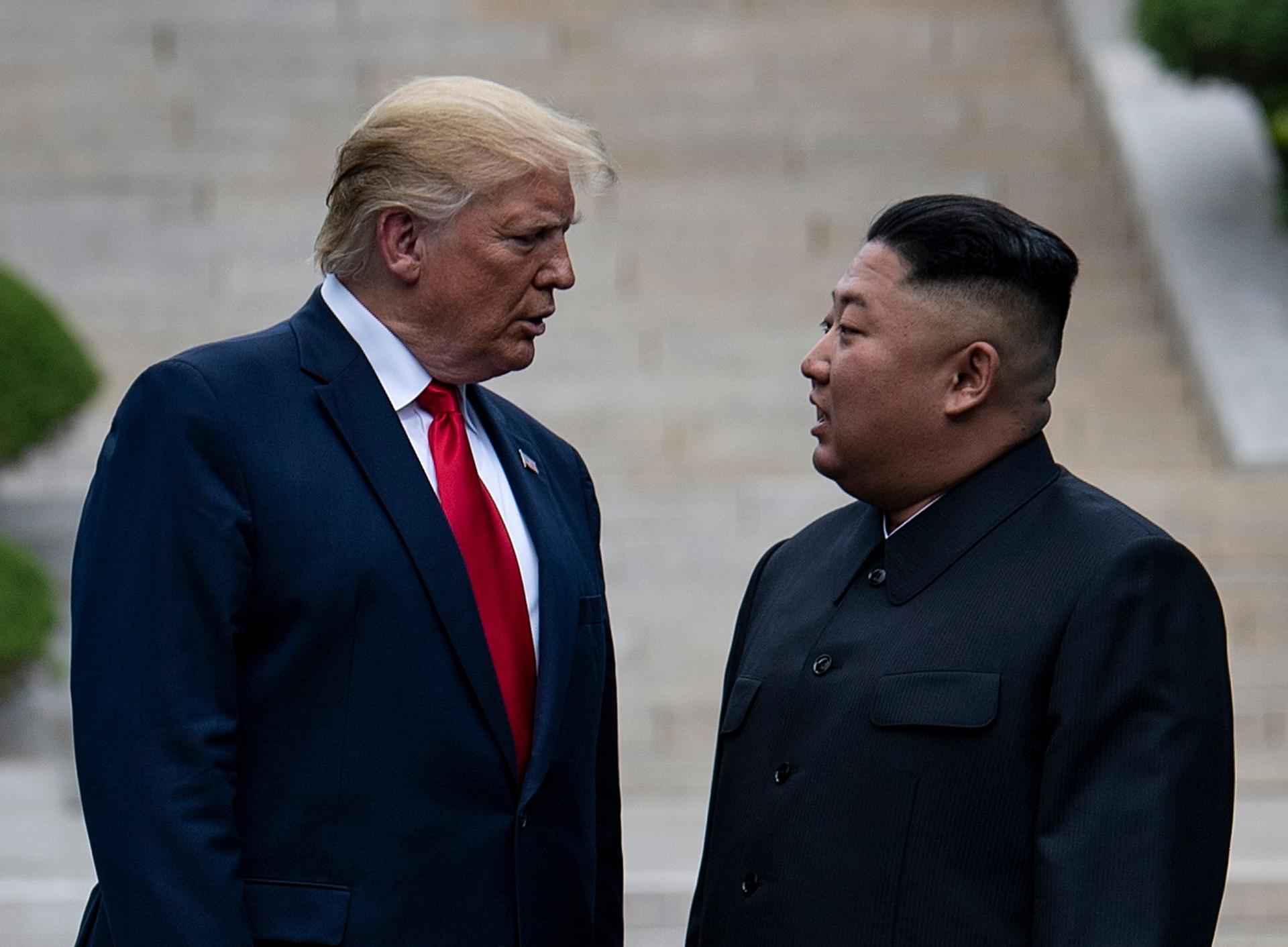
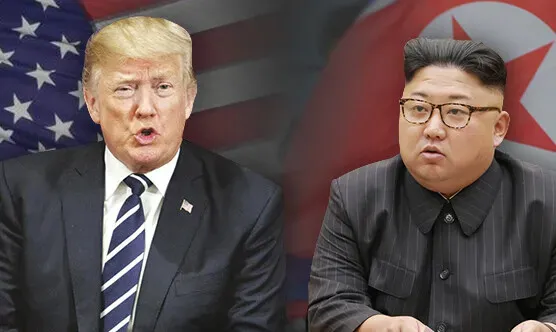
U.S. President Donald Trump’s renewed interest in meeting North Korean leader Kim Jong-un has once again raised the prospect of U.S.-North Korea dialogue. With the North Korean nuclear crisis dragging on for decades, dialogue aimed at reducing tensions and finding a peaceful solution should certainly be welcomed. What matters to South Korea, however, is not simply whether another summit takes place, but what is negotiated and what it ultimately achieves. We should therefore be particularly alert to the risks of a Trump-Kim summit that excludes denuclearization or settles the nuclear issue largely on Pyongyang’s terms.
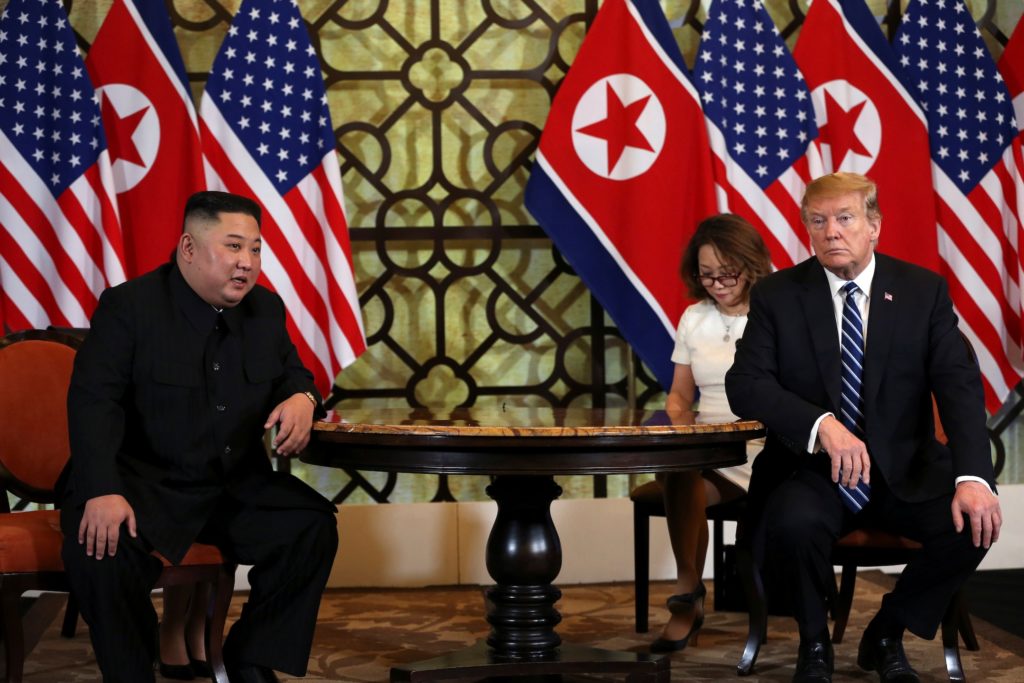
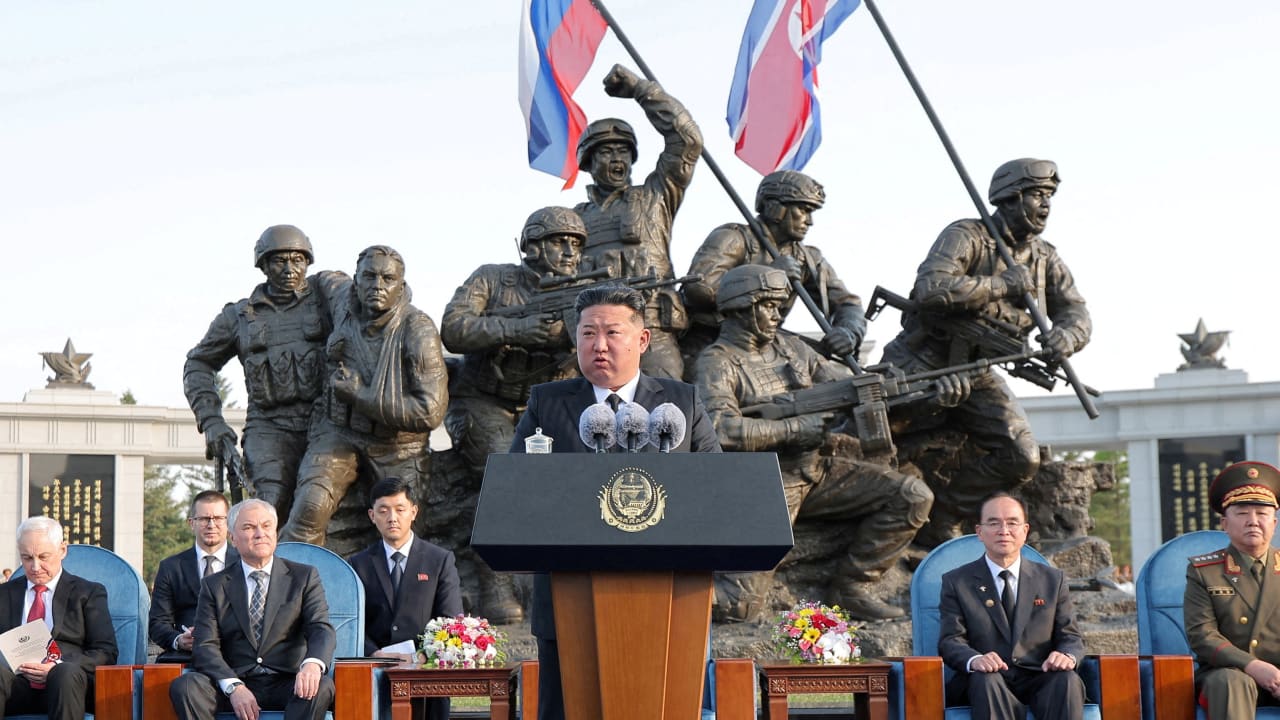
Seven years have passed since the failed Hanoi summit in 2019, and the strategic environment surrounding the North Korean nuclear issue has changed dramatically. North Korea now possesses a substantial nuclear arsenal and has enshrined its status as a nuclear-armed state in its constitution, making clear that it has no intention of voluntarily relinquishing its nuclear weapons. Relations between North Korea and Russia have been restored to a level approaching a military alliance. Russia has actively undermined U.N. sanctions against Pyongyang, while China continues to shield North Korea diplomatically.