Korea Herald
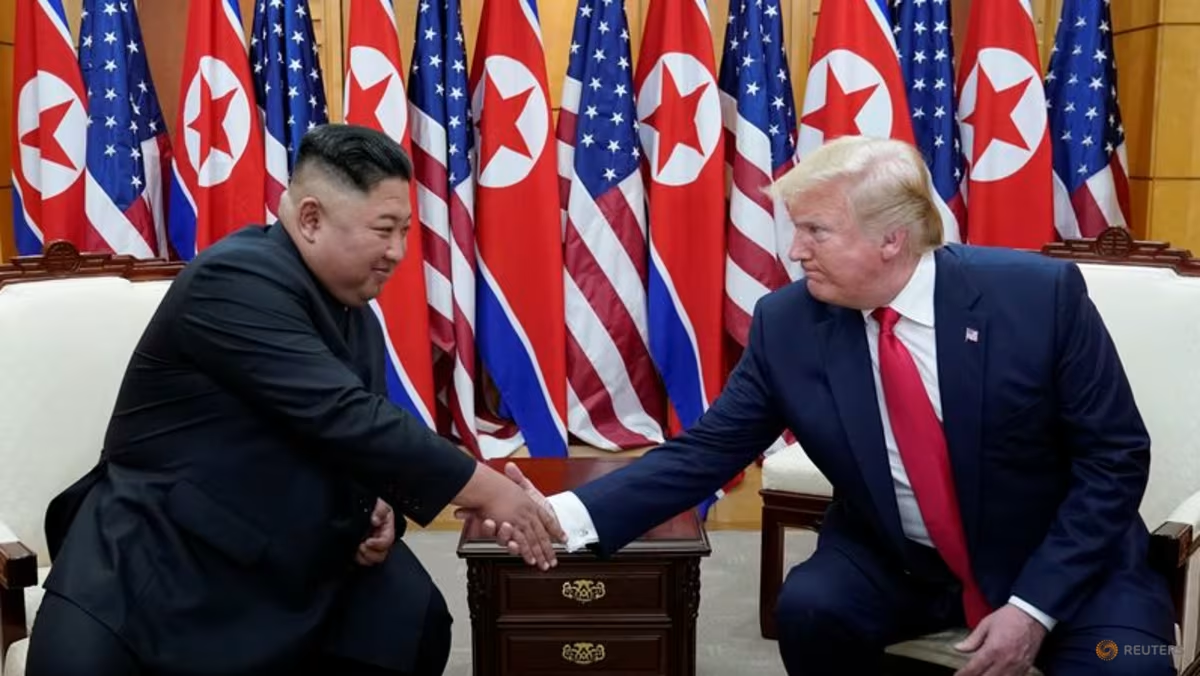
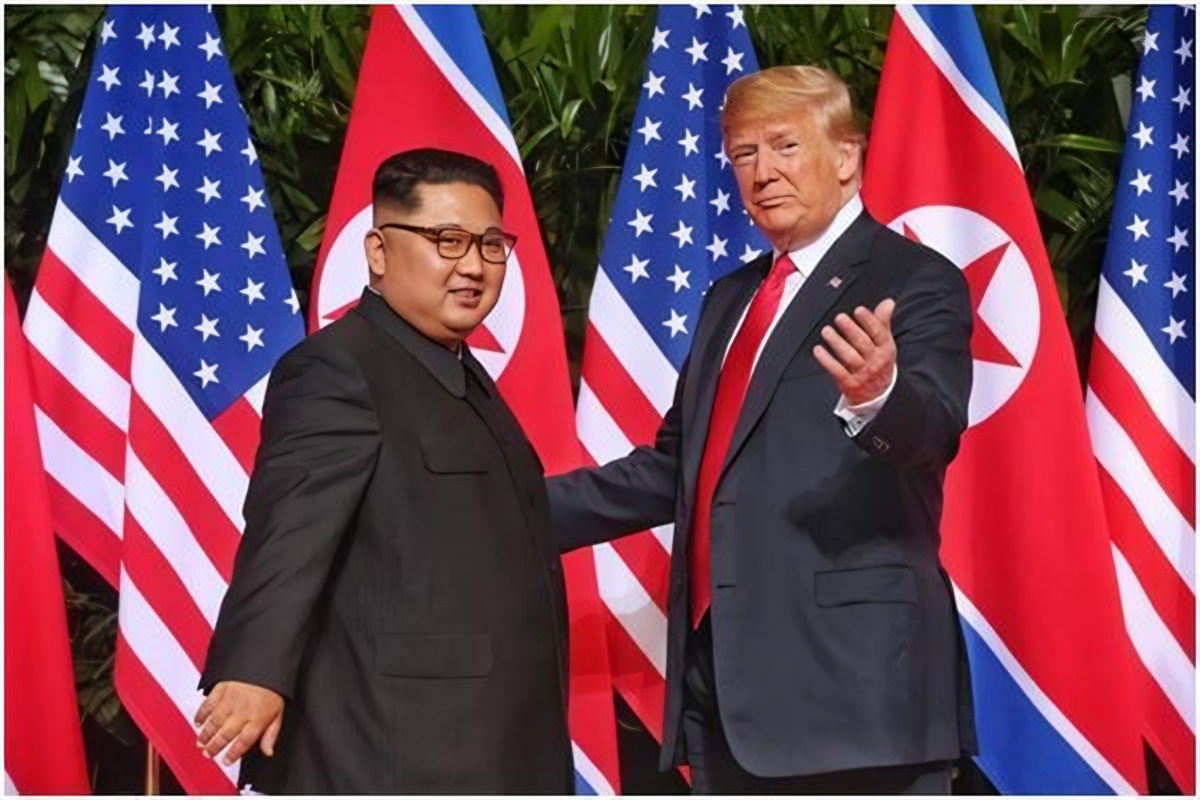
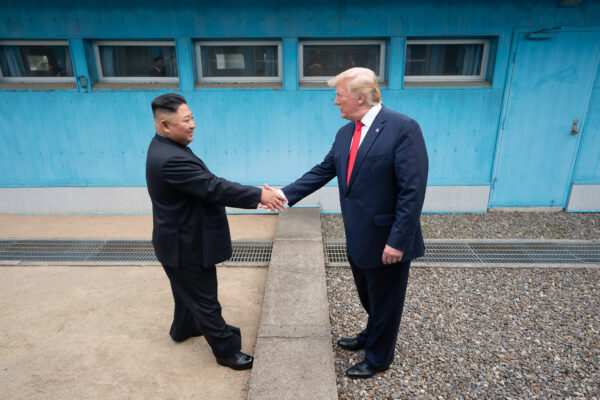
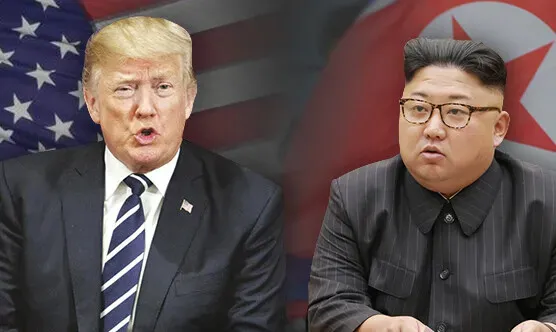
Wang Son-taek US President Donald Trump’s order to substantially reduce joint military exercises between South Korea and the United States has revived speculation about another summit with North Korean leader Kim Jong-un.Trump stressed his “very good relationship” with Kim, expressed interest in meeting him again, while criticizing the joint military exercises with South Korea as costly and hostile.These developments have encouraged optimistic predictions of another summit between the two leaders. Yet such expectations may be premature. A summit requires not only Trump’s willingness but also Kim’s incentive to participate, a workable agenda and a mechanism for bridging differences.A useful tool for examining the situation is what I call “IMPACT Plus,” an adaptation of the basic communication model of sender, message, channel, receiver and response. IMPACT expands it for diplomatic communication into six elements: initiator, message, passage, audience, consequences and tracking.“Plus” examines additional features such as pressure, inducement, warning and reassurance, as well as clarity and ambiguity. The framework helps avoid sweeping conclusions from isolated statements or actions.As initiator, Trump’s intention is relatively clear. He emphasizes his personal relationship with Kim and openly expresses interest in reviving summit diplomacy.The Message, however, is more complicated. Trump combined his relationship with Kim, North Korea’s supposedly unthreatening behavior, the hostile nature of the exercises and their financial cost. He then added an entirely different complaint that South Korea had declined his request to participate in the denuclearization of Iran, acknowledging that the issue was “somewhat unrelated.” The post therefore reads less like a carefully designed diplomatic overture than a mixture of thoughts, grievances and policy considerations.More importantly, it does not explain what Trump intends to negotiate with Kim. Reducing the exercises is certainly a conciliatory gesture toward Pyongyang, and backing the message with action gives it additional weight. But it still does not establish what the two leaders would negotiate, what North Korea would be expected to do or what Washington would offer in return.Passage presents another problem. Trump delivered his message directly through social media, a powerful tool but one with obvious limitations when diplomacy requires private clarification and coordination. The contrast with 2018 is important. President Moon Jae-in could then communicate directly with both Washington and Pyongyang, clarify intentions and help rescue the first Kim-Trump summit when it nearly collapsed. Moon was therefore more than a messenger. He served as a facilitator who could interpret intentions, reduce misunderstandings and help both sides find enough common ground to keep diplomacy moving. The Lee Jae Myung administration may seek a similar facilitating role, but severed inter-Korean communication makes that far more difficult today.Audience analysis first requires looking at the situation from Kim’s perspective. A summit cannot take place simply because Trump wants one; Kim must also have a reason to meet him now. North Korea’s nuclear capabilities and external environment have changed substantially since 2018. In 2018, summit diplomacy itself offered Kim international recognition and the prospect of a new relationship with Washington. Today, having already held three meetings with Trump, another summit carries less novelty and political value unless accompanied by substantive benefits.South Korea is also an important audience because Trump linked the exercise decision to his grievances toward Seoul. His domestic supporters constitute another major audience, particularly given his emphasis on the financial burden of the exercises and his familiar America First message.As for consequences, North Korea’s initial reaction was reserved. Kim’s sister, Kim Yo-jong, responded to Trump’s post by saying that she had no information about any communication between the two leaders. This falls short of the positive response needed to support optimistic expectations for a summit. Tracking also remains uncertain.This IMPACT Plus analysis reveals three major obstacles. The first is an agenda deficit: No workable structure is visible for what Washington and Pyongyang would discuss and exchange. The second is an inducement gap: Kim does not yet appear to have a compelling reason to attend another summit. The third is a facilitation gap: Unlike in 2018, Seoul cannot now communicate directly with Pyongyang and effectively bridge differences between the two sides. Taken together, these three deficiencies suggest that expectations for another Kim-Trump summit should remain cautious. Trump’s willingness to meet Kim and the actual probability of a summit are different things. A spontaneous or symbolic encounter cannot be ruled out, but a summit built around substantive negotiations will be difficult unless these problems are addressed.That conclusion, however, should not lead South Korea to sit back and wait. If renewed North Korea-US dialogue can reduce tensions on the Korean Peninsula and help manage the nuclear problem, Seoul should actively work to fill the three gaps.First, South Korea should help develop a workable agenda and bargaining structure. Rather than making North Korea’s nuclear status the immediate subject of negotiation, the agenda should focus on nuclear-related behavior, creating room for negotiations on concrete steps toward denuclearization. Possible subjects on behavior include preventing further expansion of nuclear and missile capabilities, suspending nuclear or long-range missile tests and reducing nuclear risks.Second, Seoul should help narrow the inducement gap. This does not mean accepting every North Korean demand. It means identifying political, economic or security benefits that Pyongyang would value in exchange for changes in its nuclear and missile behavior while remaining acceptable to Washington and Seoul.Third, South Korea needs to restore its facilitating capacity. Direct inter-Korean communication would be preferable, but if that remains impossible, Seoul should explore indirect channels to Pyongyang. Seoul should also maintain close coordination with Washington. Such channels could help determine what North Korea wants, clarify how far Washington might move and identify possible areas of compromise.The prospects for another North Korea-US summit are not bright. But pessimism is not a reason for inaction. Seoul should not simply wait for another Kim-Trump summit; it should help create the conditions that could make one possible.- - -Wang Son-taekWang Son-taek is an adjunct professor at Sogang University. He is a former diplomatic correspondent at YTN and a former research associate at Yeosijae. The views expressed here are the writer’s own. — Ed.