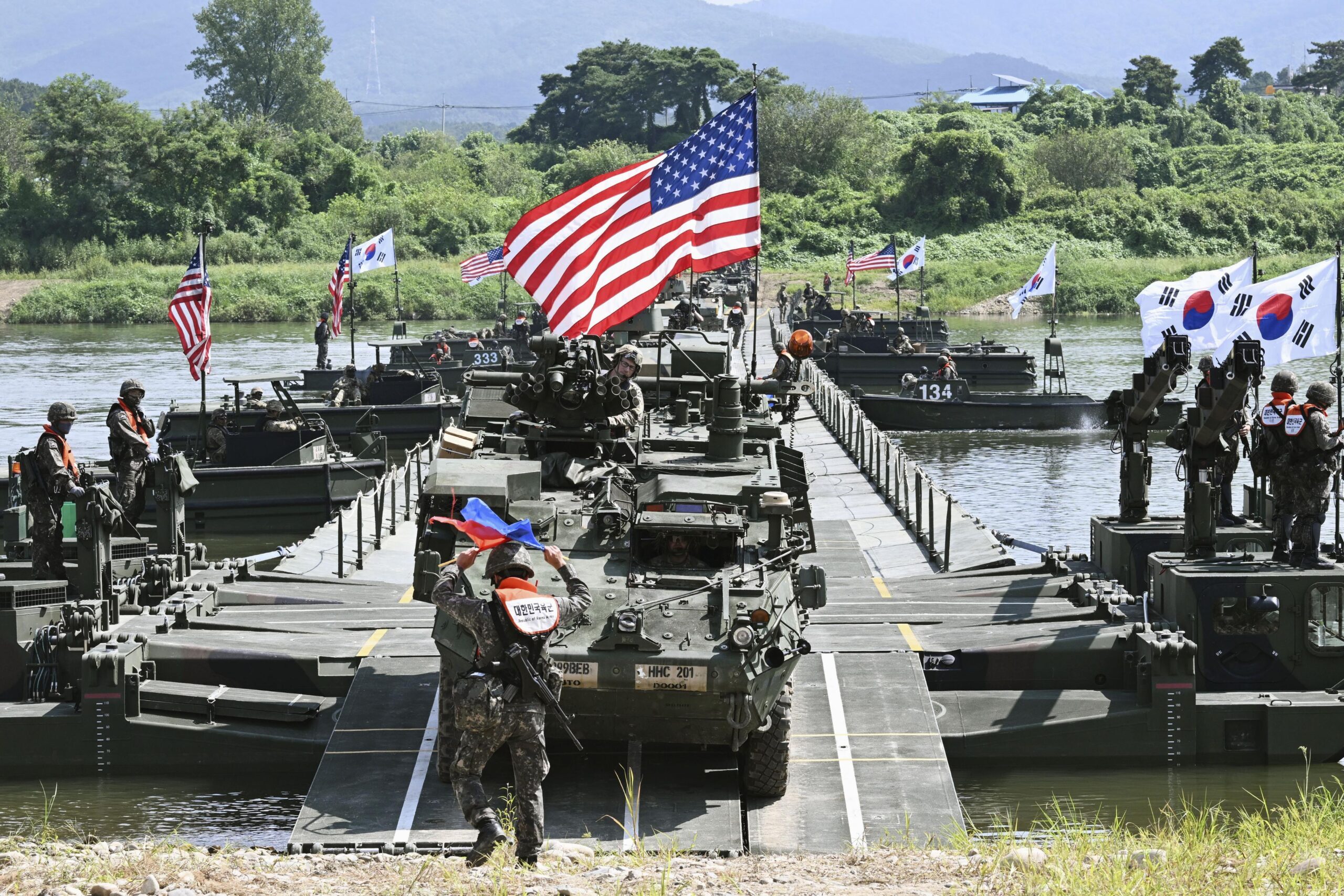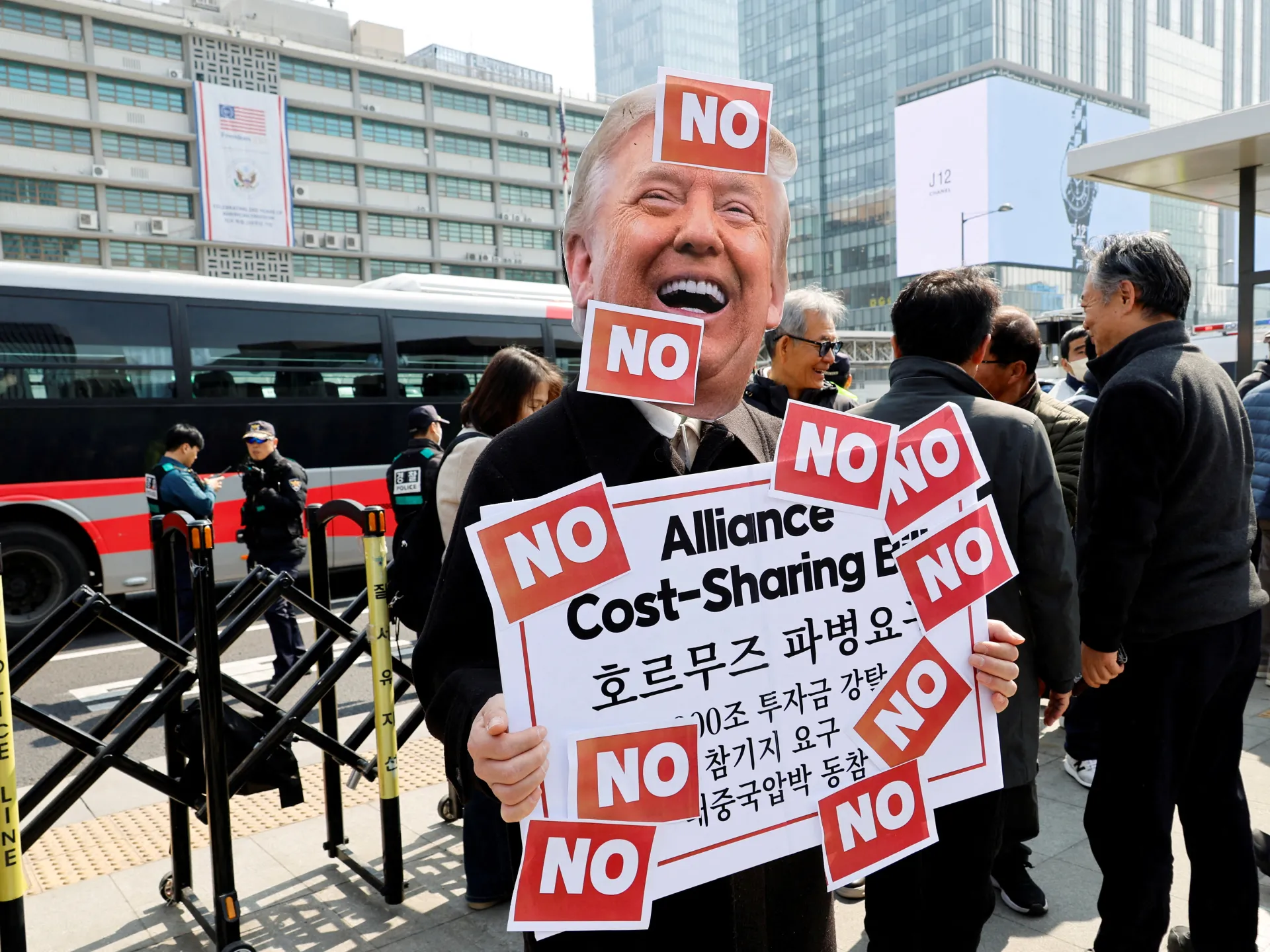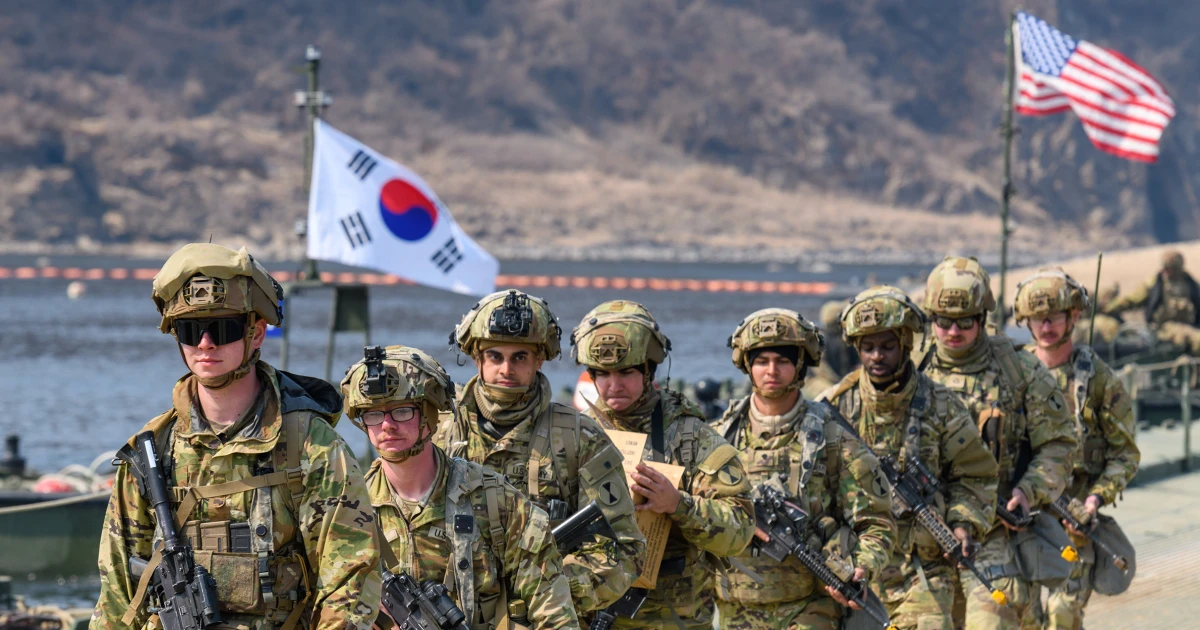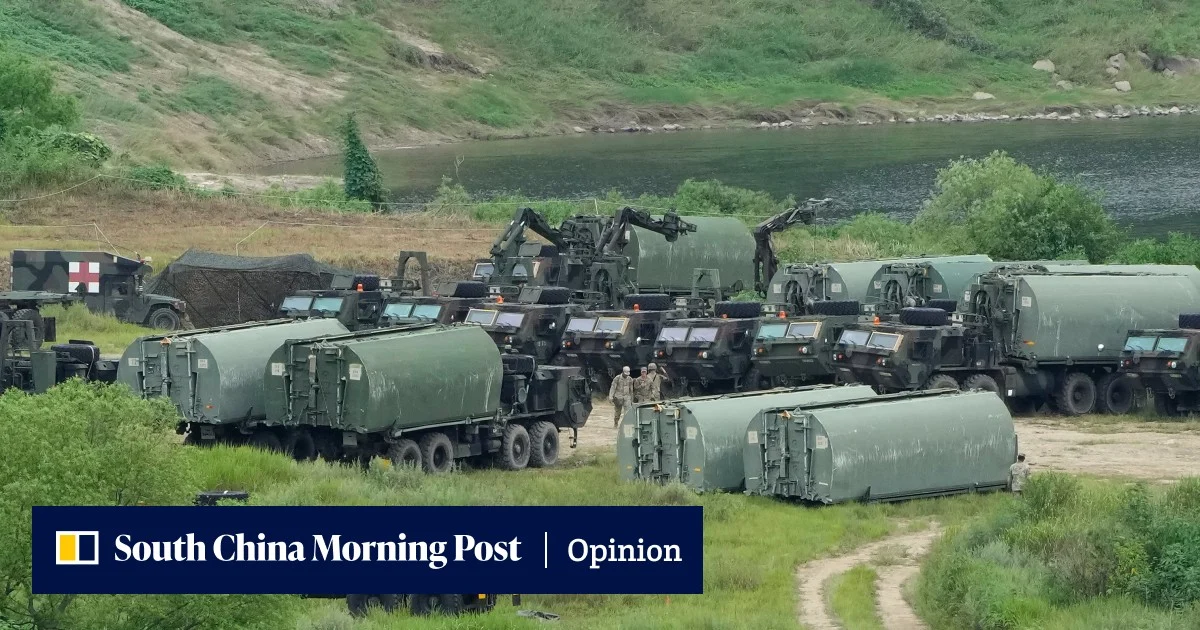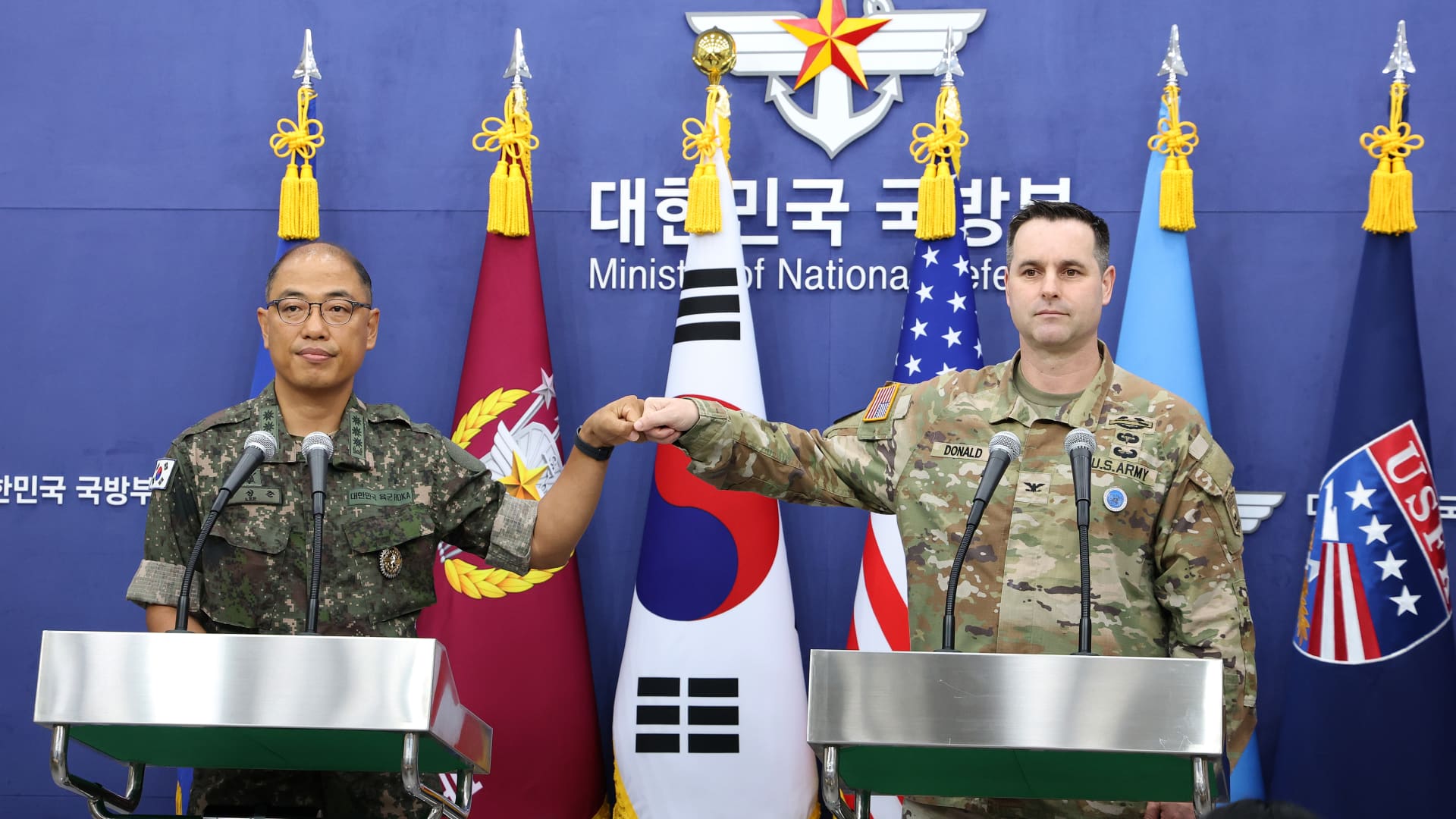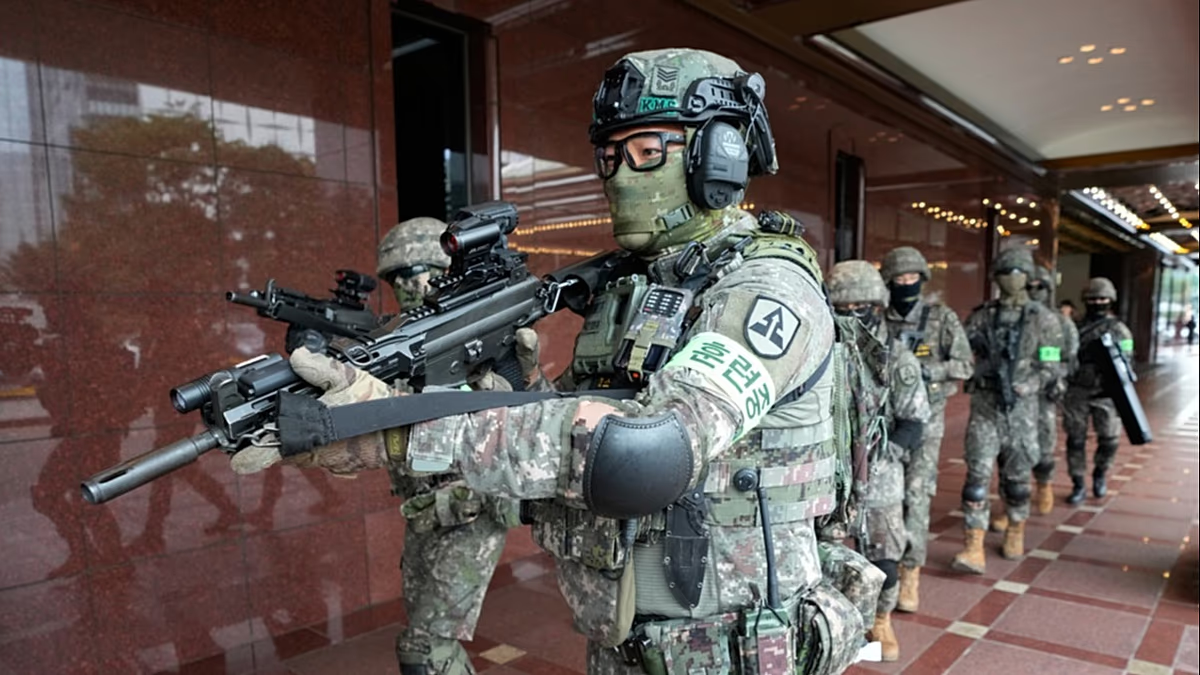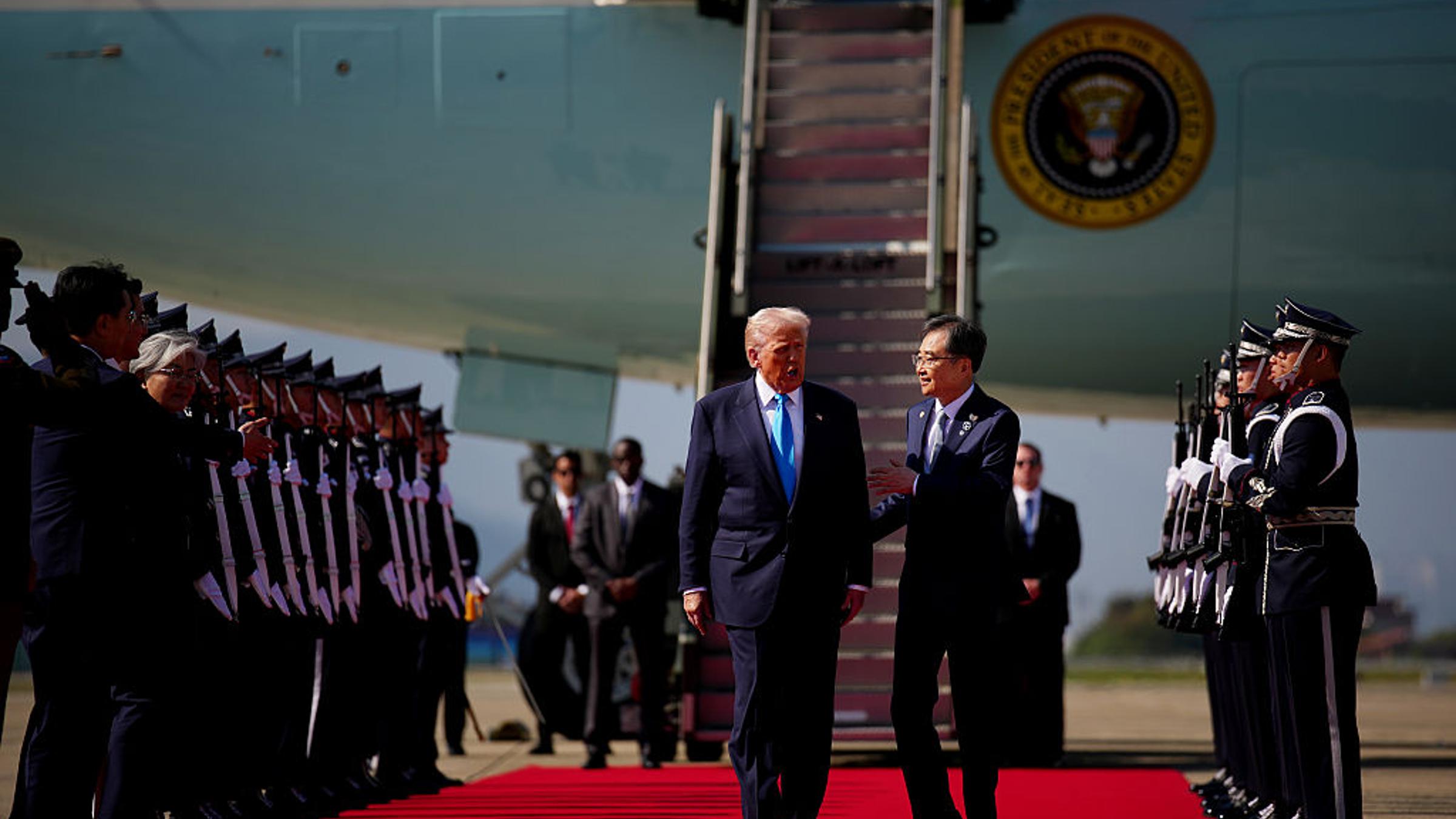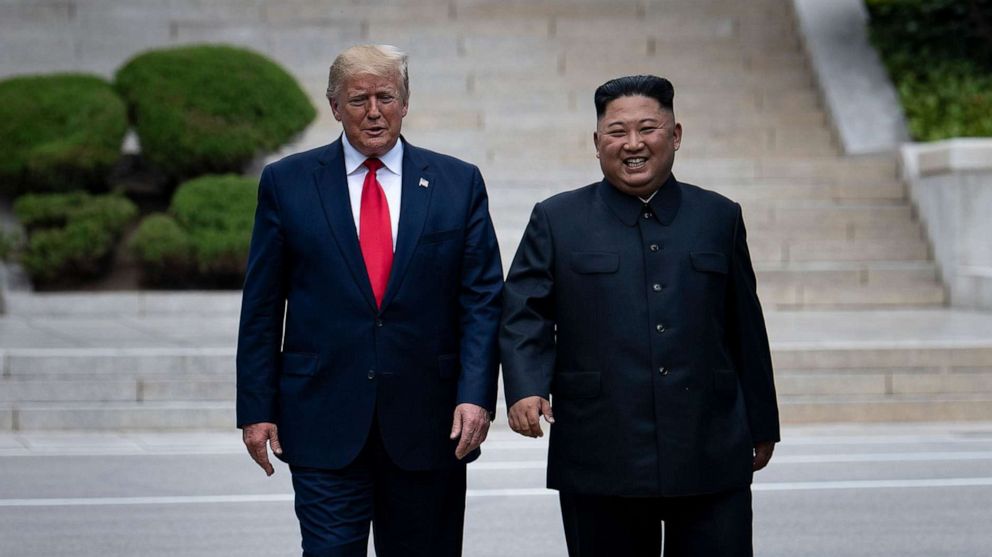
Wang Son-tae US President Donald Trump's sudden order to substantially reduce joint military exercises between South Korea and the United States has caused considerable confusion in Seoul. Trump further complicated the picture by saying he had received a positive response from the North Korean leader, Kim Jong-un, leaving many Korea watchers puzzled and skeptical. In the past, any sign of weakening US military commitment would have fueled immediate anxiety in Seoul. This time, however, many South Koreans seem more puzzled than frightened. The immediate question is not simply what these unexpected developments mean for diplomacy or security, but why Trump made such abrupt announcements in the first place.The explanation offered by Trump is not entirely convincing. Trump cited his “very good relationship” with Kim and complained that the exercises were costly and sent an unnecessarily hostile signal to North Korea. Trump added a day later that Kim had responded positively to his overture. If true, the statement could provide an important clue to Trump's abrupt decision. Yet he offered no details about when or how Kim responded, or what the response contained. His claim therefore deserves attention, but it cannot yet be treated as conclusive evidence that North Korea diplomacy was the primary reason for the exercise reduction. The timing of the decision remains important.Large combined military exercises require months of planning involving commands, units, personnel and logistics. If Trump had intended for some time to reduce the exercise to improve relations with Kim, his preference could have been incorporated into the planning process much earlier. The exercise, scheduled to begin on Monday, had been publicly announced just a week earlier on Aug. 10. Trump then ordered it scaled back on Sunday, just hours before it was to begin.Trump himself acknowledged the awkward timing, saying it was “too late to cancel.”This raises an obvious question: If North Korea diplomacy was the primary motivation, why did the decision come so late? Recent movements of US military assets offer an important clue. The USS Abraham Lincoln has been operating in connection with the Iran war for an extraordinarily long period, with deteriorating conditions aboard generating controversy in the United States.Then came a striking development. Around Aug. 13, reports emerged that the USS George Washington was leaving the western Pacific and heading toward the Middle East to relieve the Lincoln. Based in Yokosuka, Japan, the George Washington is America's only forward-deployed aircraft carrier in the western Pacific.An aircraft carrier is not indispensable to the exercise, but it is a major US strategic asset for a contingency around the Korean Peninsula. Sending it from the western Pacific to the Middle East just before the drill represents a significant strategic trade-off. Indeed, its departure temporarily leaves the western Pacific without a US aircraft carrier.The sequence is therefore worth examining. Problems aboard the Lincoln became a public issue. The Pentagon decided to send the George Washington to relieve it. Three days after reports of the carrier's movement emerged, Trump ordered the combined exercise substantially reduced. None of this directly proves that the Iran war caused Trump's decision. But the timing raises a legitimate alternative explanation. Once the George Washington's departure became known, questions were inevitable about whether the Iran war was beginning to drain American military resources from the Indo-Pacific. A major exercise beginning without the George Washington could reinforce perceptions that the Pentagon was being forced to choose between military commitments in the Middle East and those in Asia.Trump may have hoped that attention would focus on the diplomatic possibilities involving Kim rather than on the military implications of the George Washington's redeployment. However, he left an intriguing clue about a possible connection with Iran in his social media post. He unexpectedly brought up Iran. He said he had asked South Korean President Lee Jae Myung whether Seoul would join Washington in the “denuclearization” of Iran and that South Korea had replied, “No thanks!” Trump himself introduced the remark by saying it was “somewhat unrelated (?)” Perhaps it was not entirely unrelated. At a minimum, the remark suggests that Iran, South Korea and alliance burden-sharing were connected in Trump's thinking when he made his announcement. It may also reflect Trump's frustration that Washington was carrying an increasingly heavy military burden in the Iran war while its South Korean ally had declined to participate.Again, this remains an interpretation, not an established fact. Nor are the two explanations necessarily mutually exclusive. Military pressure from the Iran war may have created a reason to scale back the military exercises, while a possible opening with Kim provided Trump with a diplomatic rationale for doing so. For South Korea, the larger lesson is more important than determining Trump's precise motivation.Seoul should neither panic over these abrupt developments in US policy toward the Korean Peninsula nor dismiss their implications. South Korea must consider more seriously how to fill potential gaps created when US military priorities shift suddenly. At the same time, calls to abandon the alliance would be equally misguided. The ROK-US alliance remains indispensable to deterrence and regional stability. What Seoul needs is not emotional overreaction but greater strategic autonomy within a strong alliance.There may even be an opportunity in Trump's reference to Kim. Whatever ultimately proves to have motivated the exercise reduction, and whether Kim's reported response marks a genuine diplomatic opening or not, it is natural for Seoul to try to use the signal Trump has already sent if it helps reopen communication with Pyongyang or creates room for renewed diplomacy. Diplomacy rarely presents governments with events neatly labeled as gifts or disasters. Even an unwelcome surprise can become an opportunity in the hands of skillful diplomacy. South Korea's task is to turn these unexpected developments into a strategic advantage.- - -Wang Son-taekWang Son-taek is an adjunct professor at Sogang University. He is a former diplomatic correspondent at YTN and a former research associate at Yeosijae. The views expressed here are the writer’s own. — Ed.
[Wang Son-taek] What is really behind Trump’s Korea drill cut?
US President Donald Trump's sudden order to substantially reduce joint military exercises between South Korea and the United States has caused considerable conf
989 words~4 min read