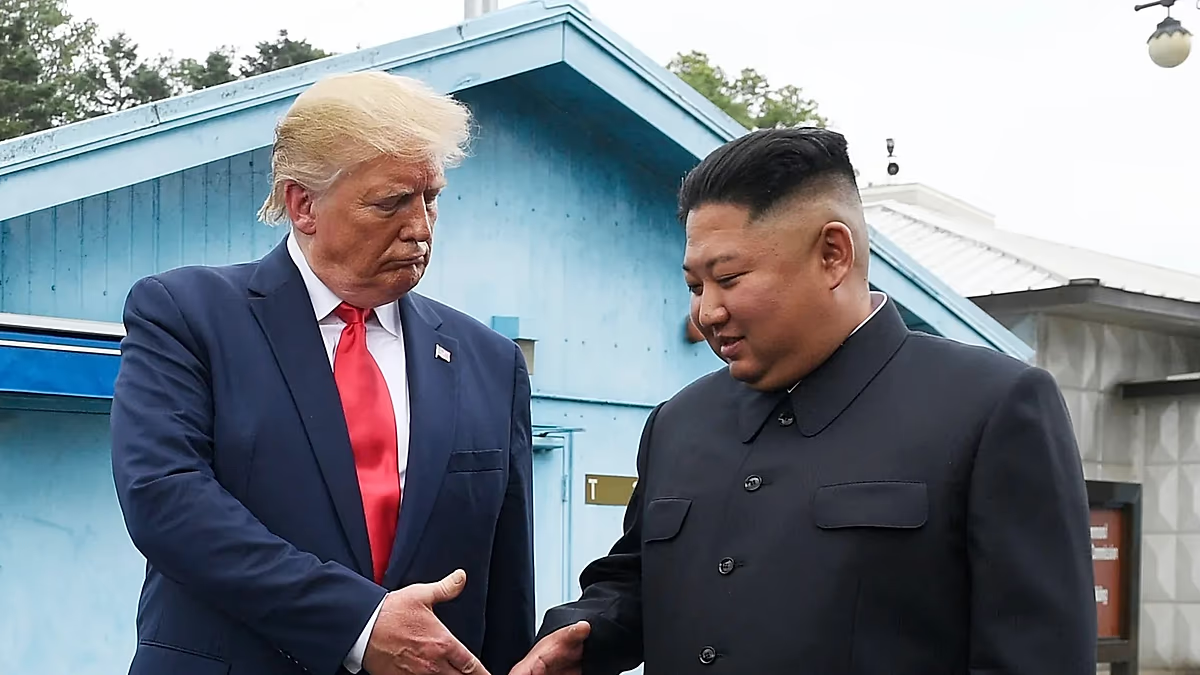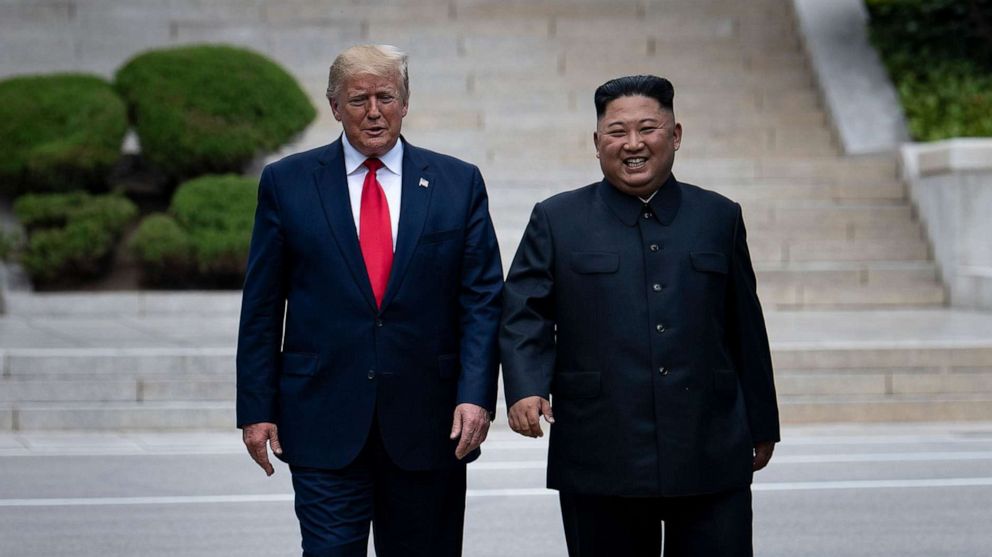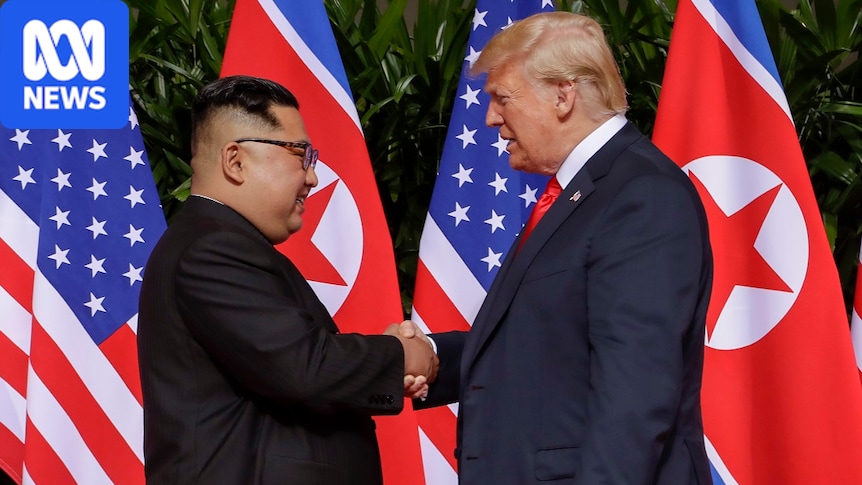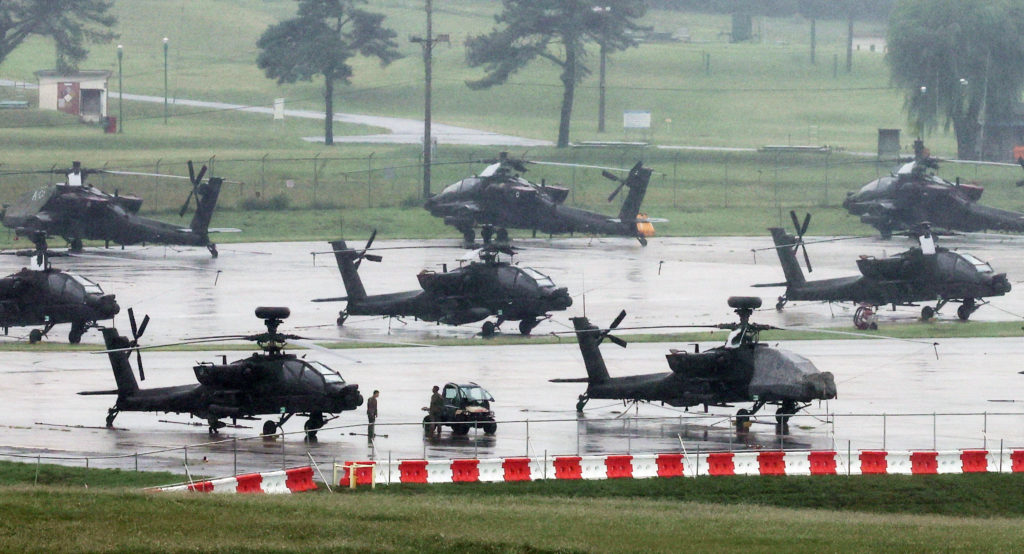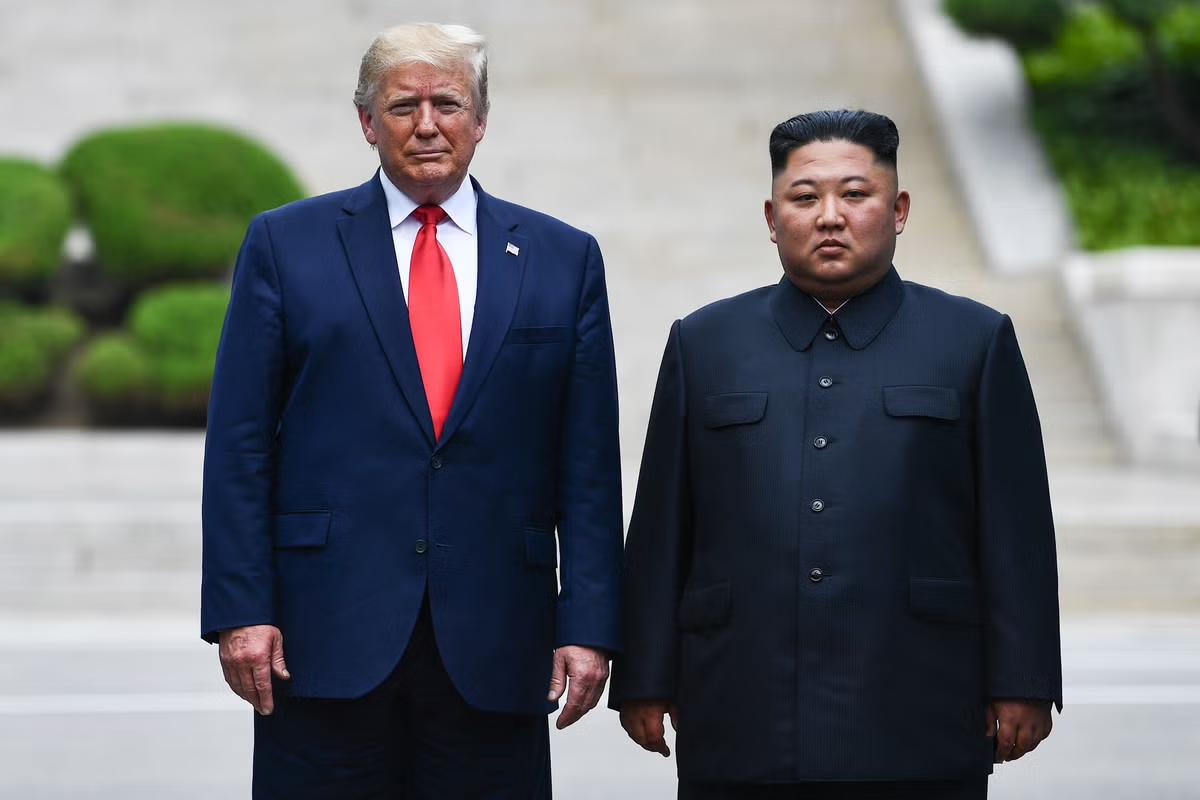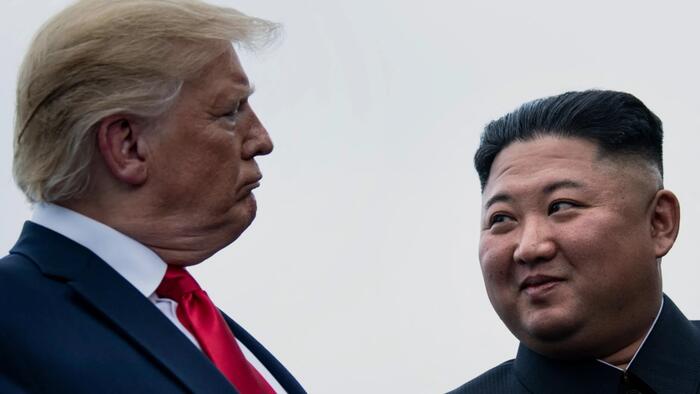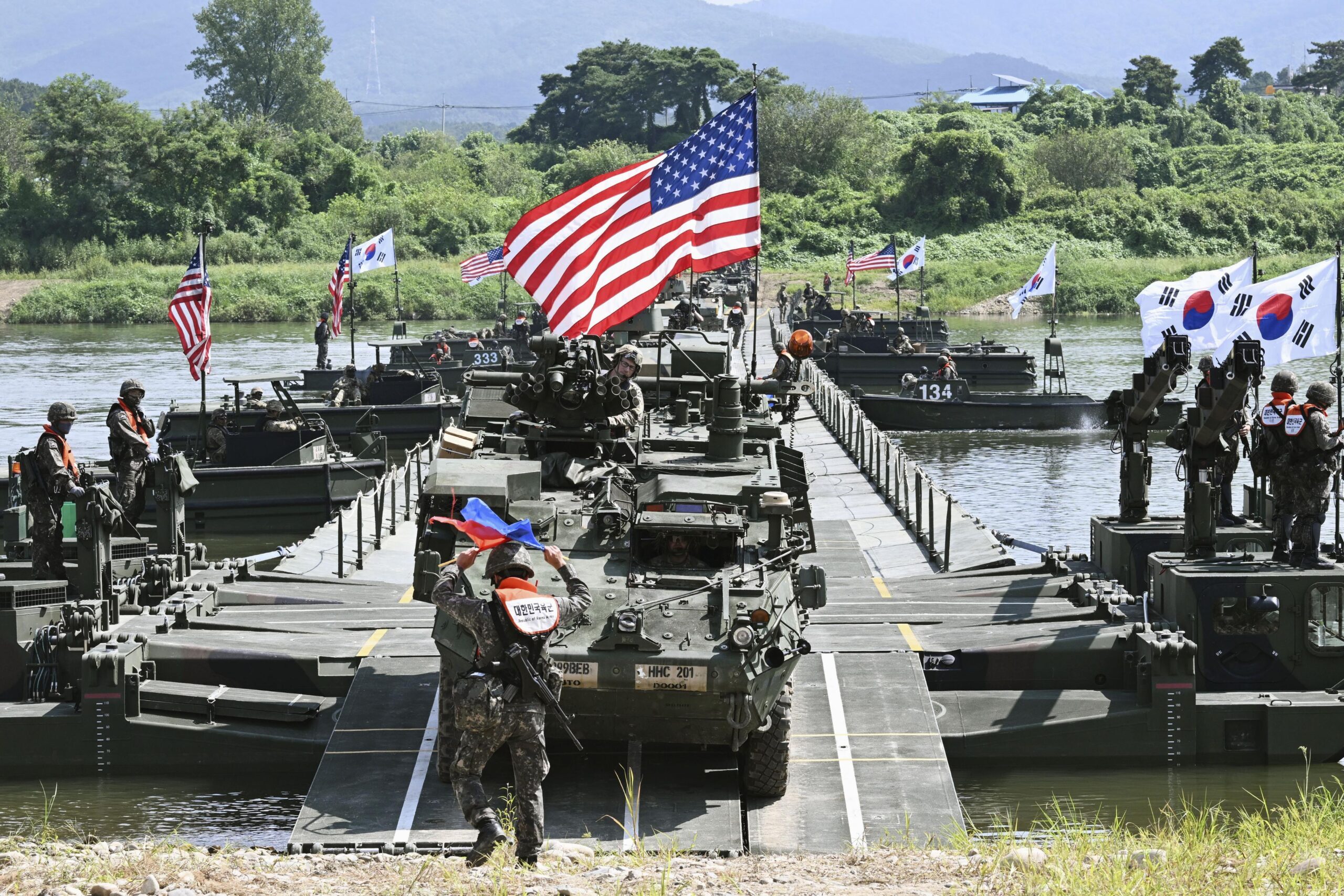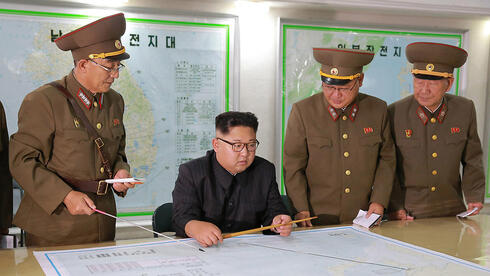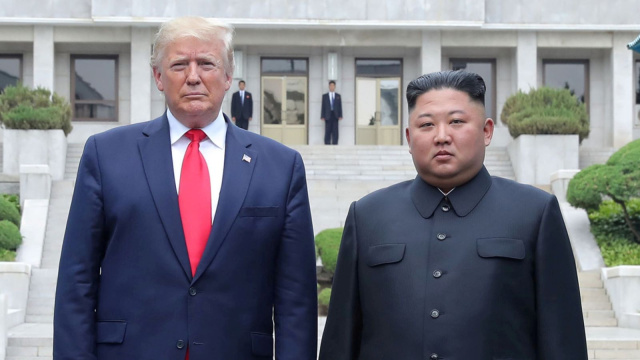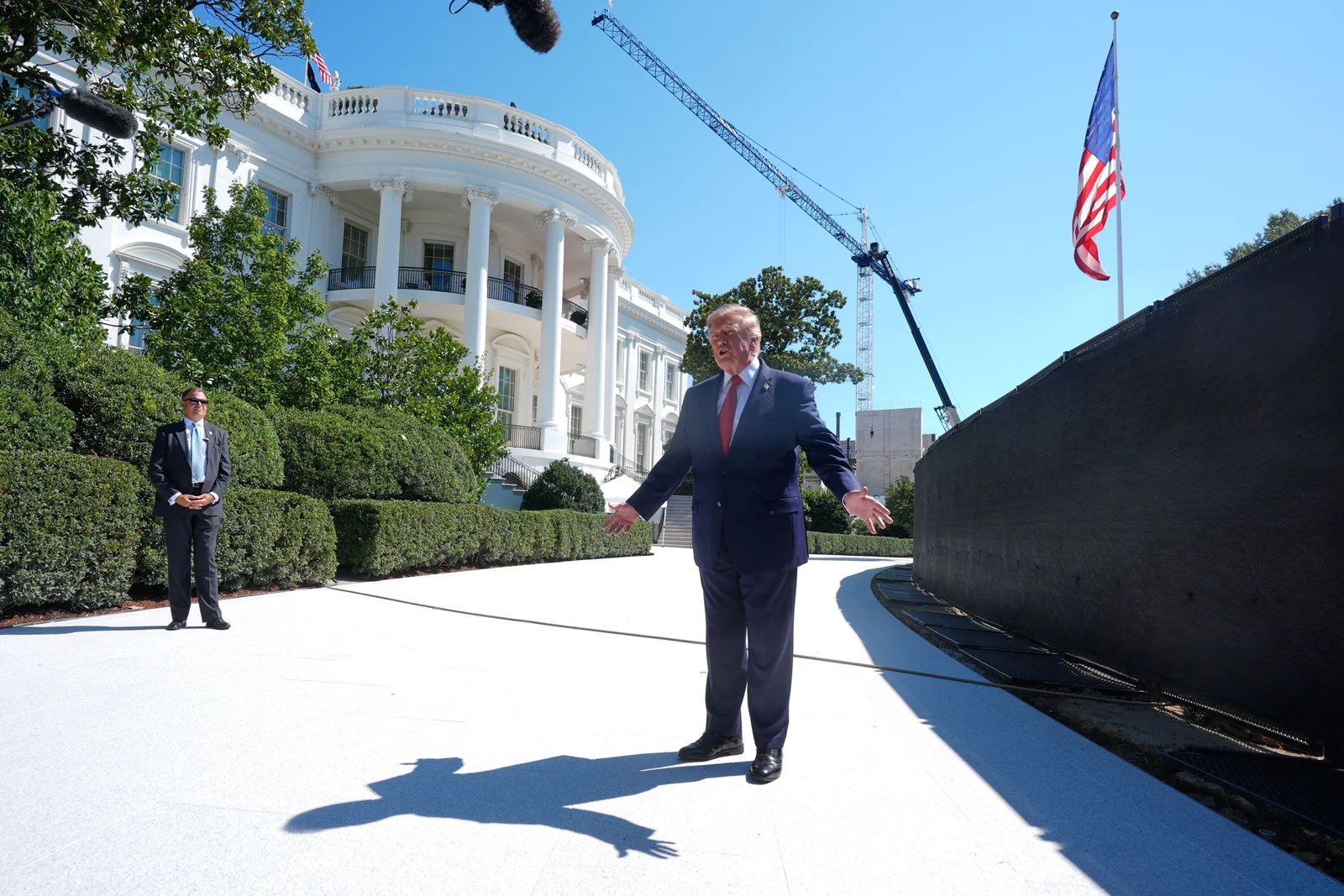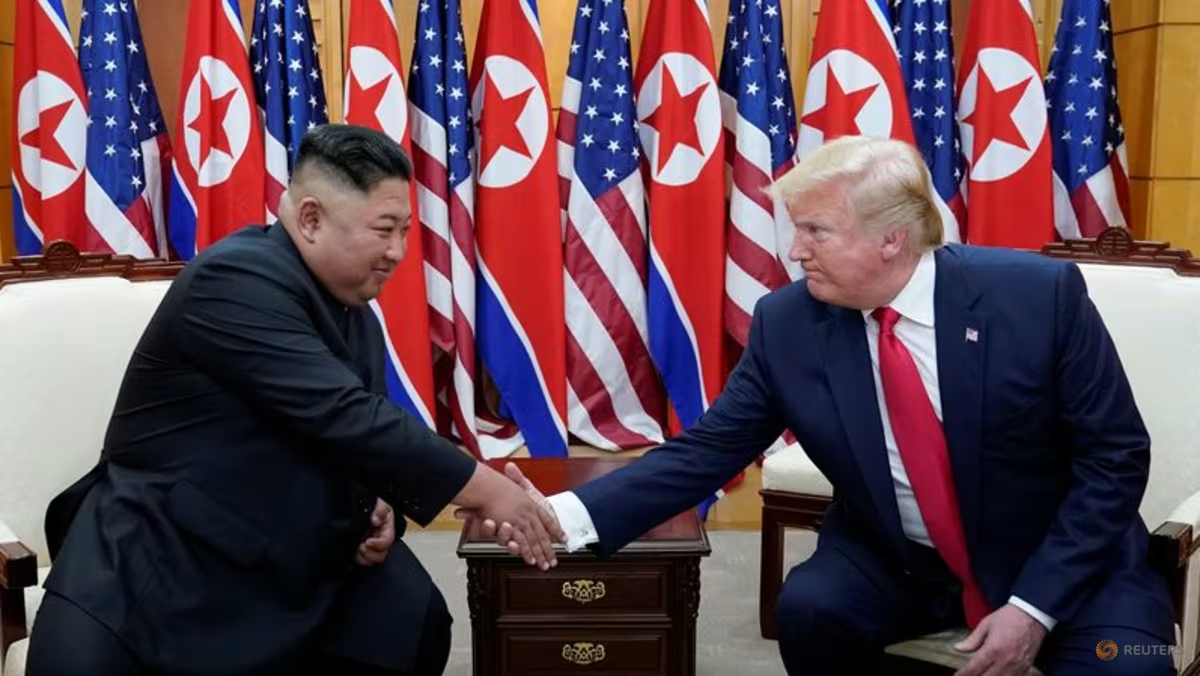
SINGAPORE: The day before South Korea and the United States began annual joint military exercises, President Donald Trump unexpectedly announced that the drills would be scaled back.This year's 11-day Ulchi Freedom Shield drills - designed to strengthen the allies’ ability to respond to North Korea’s evolving military capabilities – were shortened to five days.Trump cited his “very good relationship” with North Korean leader Kim Jong Un, as well as South Korea’s refusal to support the US in its conflict with Iran.The move came as Trump renewed his push to meet Kim, saying he would meet the North Korean leader later this year. North Korea has long demanded an end to the drills, but has shown little enthusiasm for Trump's overture.
So is Trump using the exercises as a bargaining chip, what does he want from Pyongyang - and does North Korea even need another summit with the US president?Why did Trump scale back the drills?Trump has suggested that South Korea’s refusal to help the US in its conflict with Iran was one reason for scaling back the drills.“We have 39,000 soldiers over there, guarding you from Kim Jong Un, your next-door neighbour, and you're not going to help us on a very easy military operation in Iran. That's strange,” he told reporters.South Korean Foreign Minister Cho Hyun said on Wednesday that Trump was trying to pressure Seoul on several issues, including its investments in the US."I think President Trump's message includes pressure over several pending issues concerning the South Korean government, as well as a message to North Korea and an intention by the US to break a stalemate in the Iran war," Cho said.But analysts said there could be broader calculations at play. A renewed opening with North Korea could give the president a foreign policy success at a time when his efforts to resolve the conflict with Iran have stalled.“Trump's foreign policy track record during this second term has either been lacklustre or unsuccessful,” Dr Nah Liang Tuang, a research fellow at S Rajaratnam School of International Studies (RSIS), told CNA.“I suspect that he's trying to create an opening for diplomacy with North Korea so that he will hopefully have some foreign policy success before the November mid-term elections.”