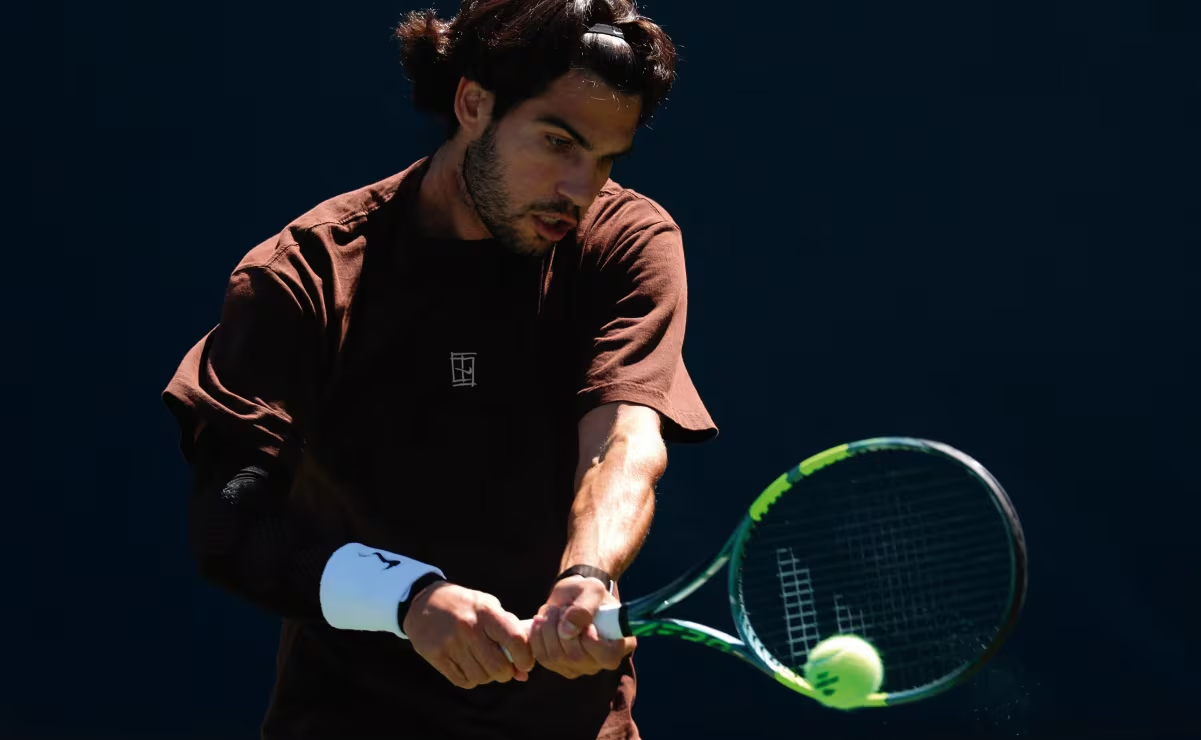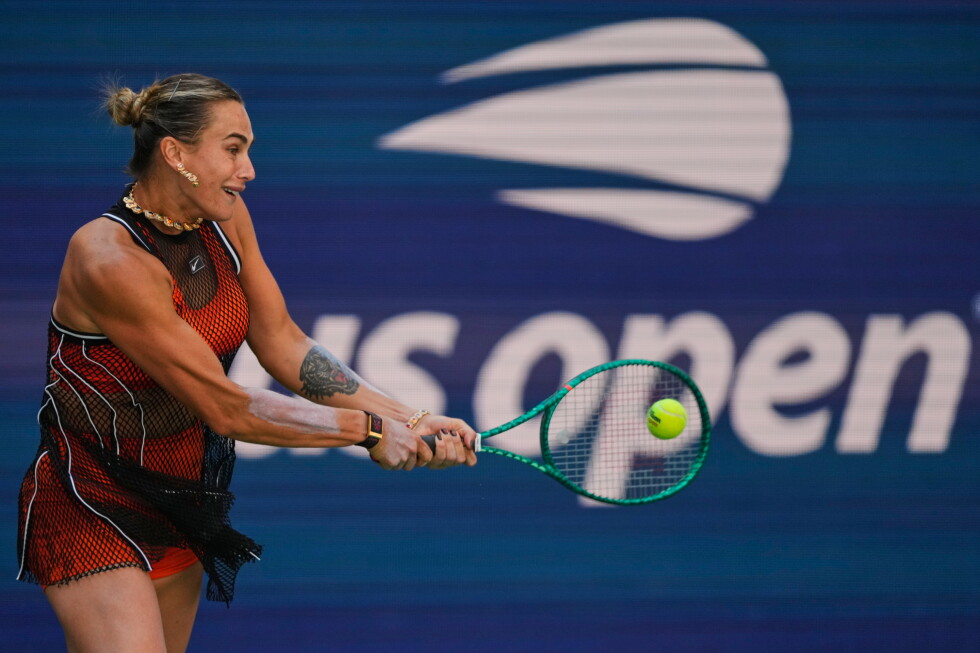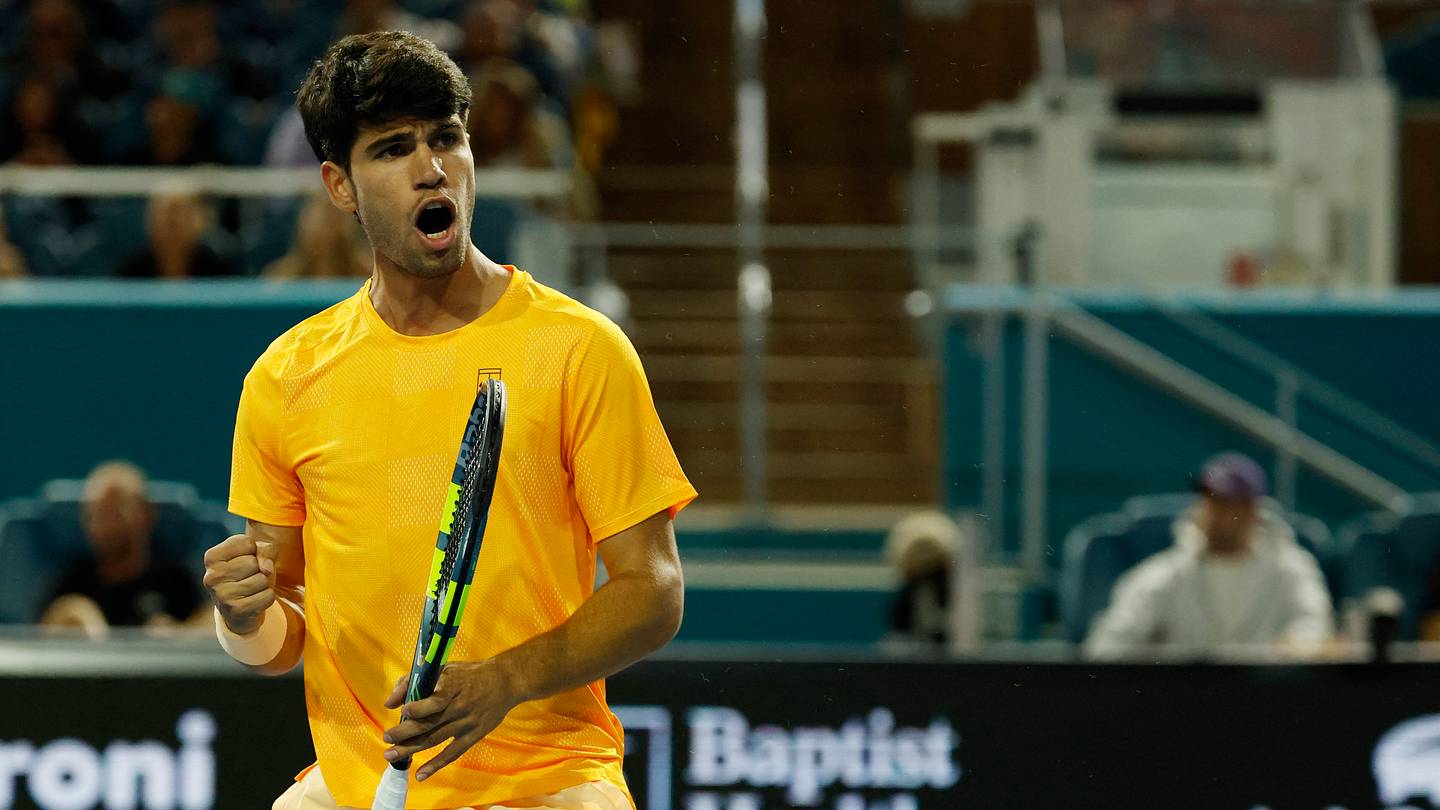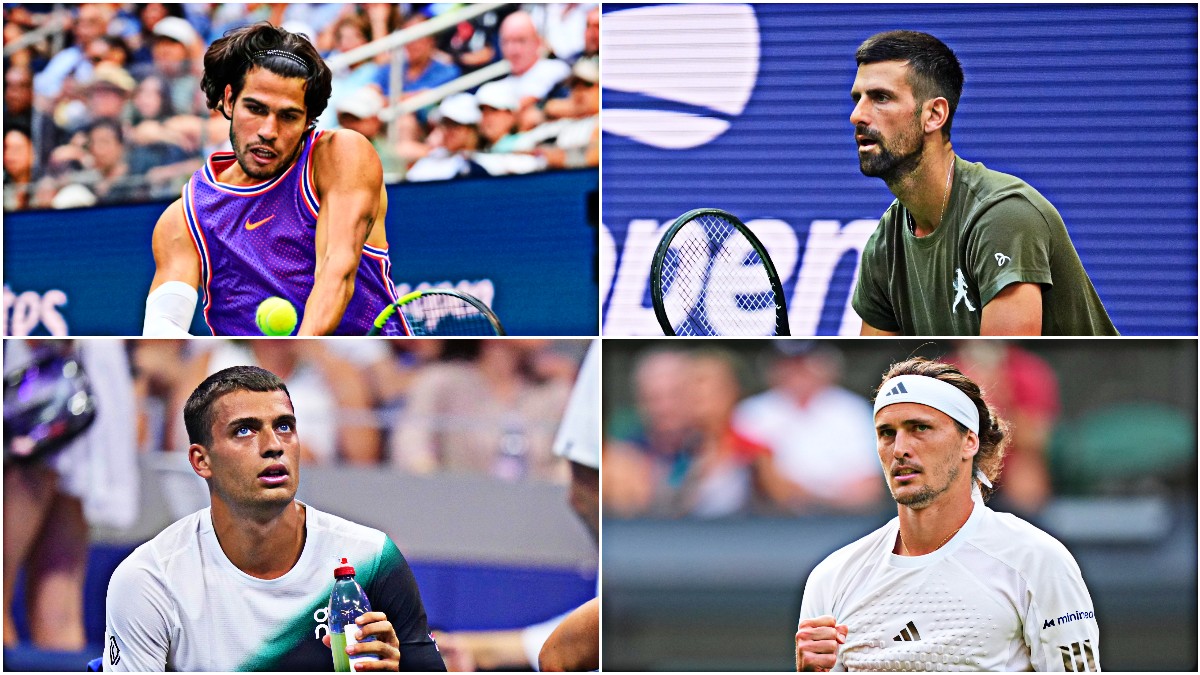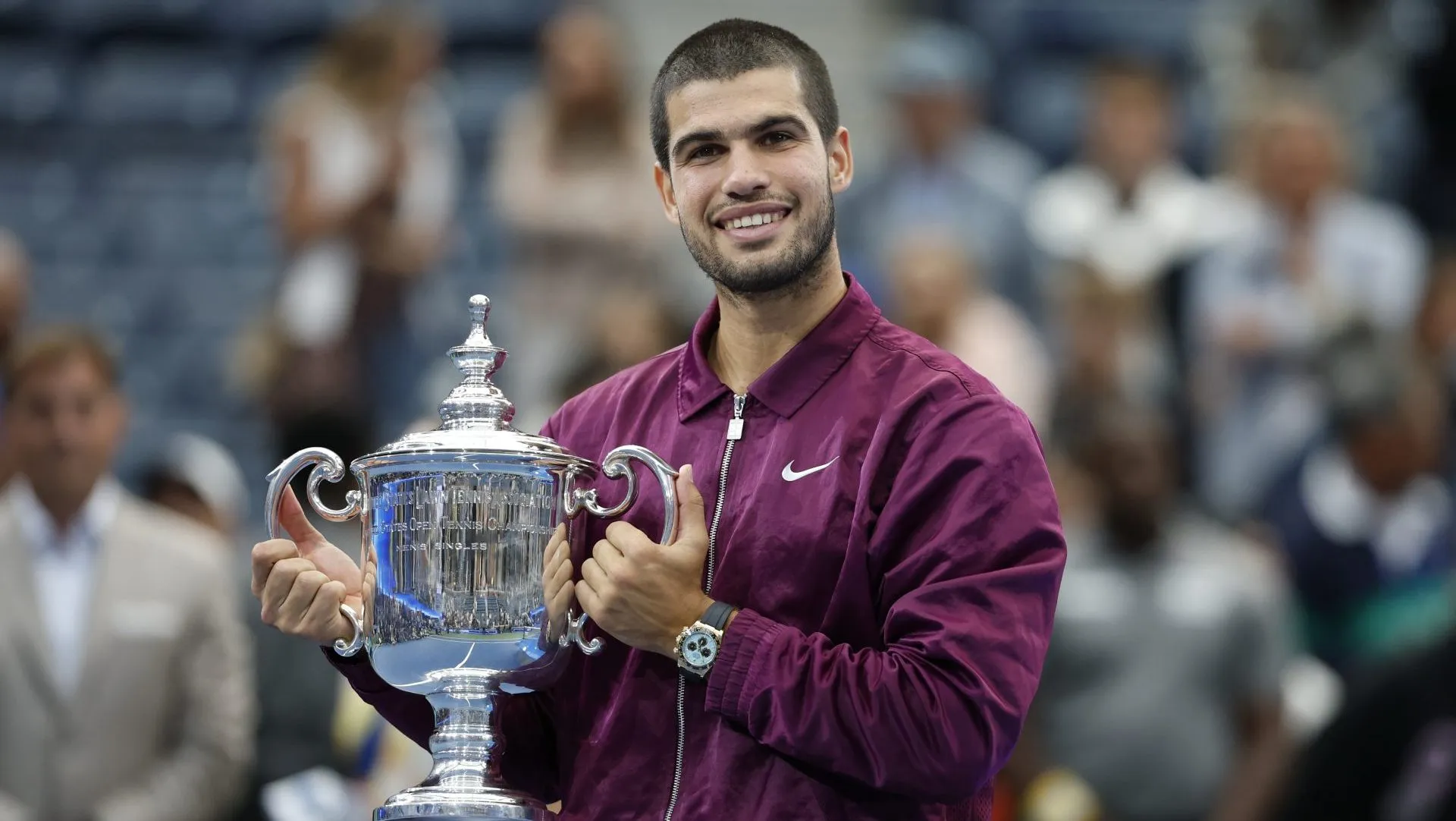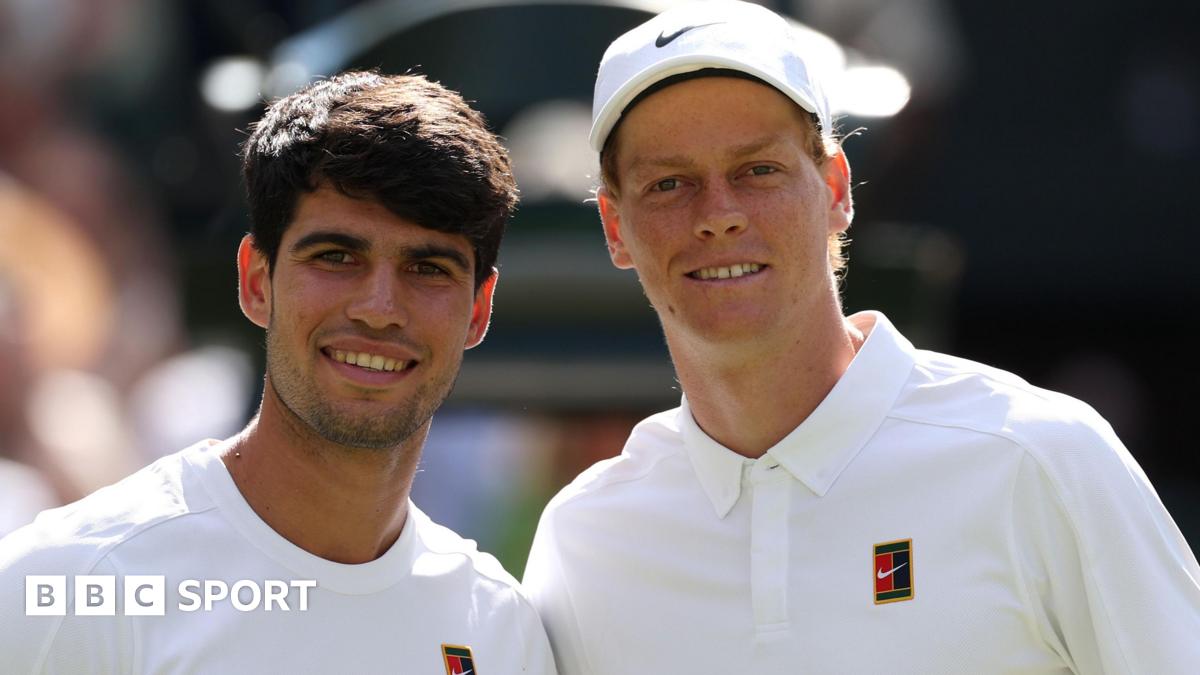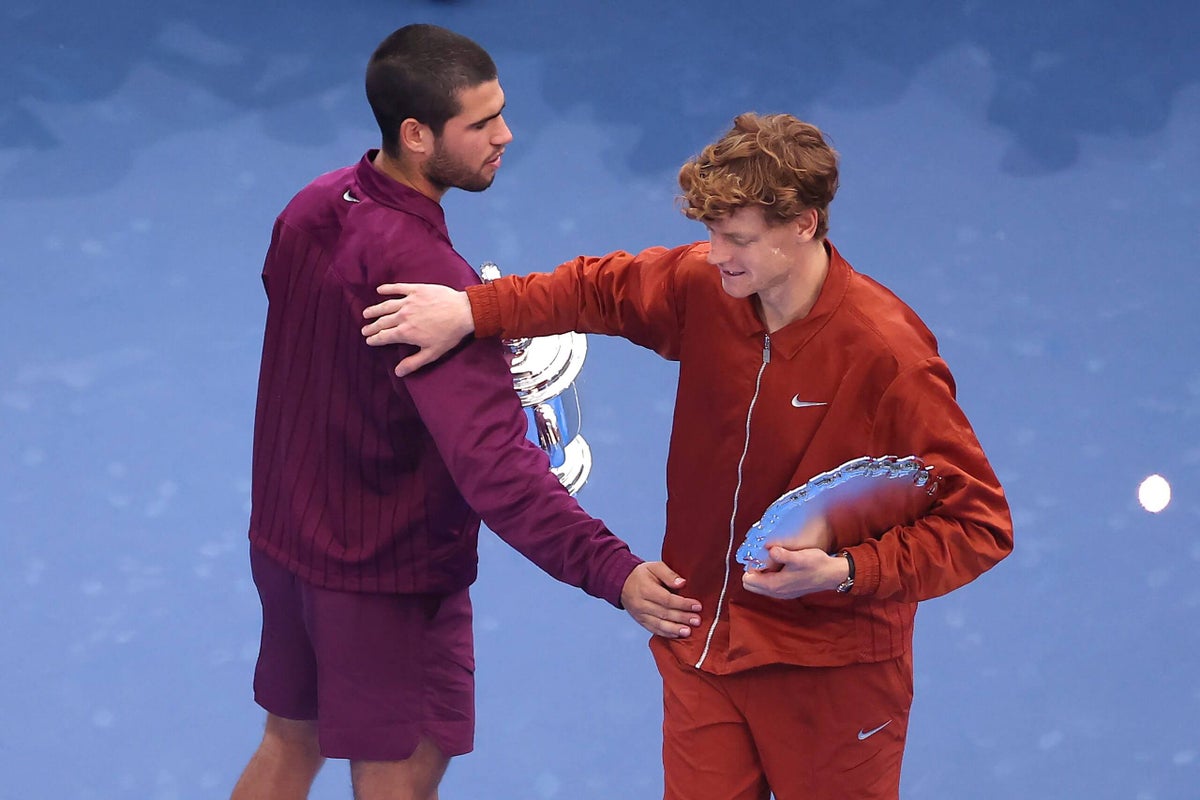
New York (AFP) – After Carlos Alcaraz and Jannik Sinner split last year's Grand Slams, the two superstars were expected to continue their see-saw rivalry in 2026.
Issued on: 31/08/2026 - 04:16Modified: 31/08/2026 - 05:20
3 min Reading time
That hasn't happened. Instead, injuries have foreclosed the possibility of a clash between the two champions in three of the four Grand Slams, with the Spaniard missing the French Open and Wimbledon due to a wrist injury and the Italian absent from New York because of a knee injury.Alcaraz and Sinner are far from alone among top players missing big tournaments in 2026 due to injury, a trend that has been a source of growing alarm in the sport.Italy's Lorenzo Musetti and France's Arthur Fils missed earlier Grand Slams in 2026 due to injury but are playing in New York, while women's number two seed Elena Rybakina is nursing a heel injury as she prepares for her first round. Canada's Victoria Mboko missed both Wimbldedon and the US Open due to injury, along with Britain's Jack Draper. Compared with earlier generations, today's best tennis players have access to more sophisticated practices in fitness and nutrition, greater candor about mental health and improved technology in detecting and treating injuries. "We're losing the battle overall despite the advances in sports medicine," said Neeru Jayanthi, who leads the tennis medicine program at Emory Healthcare in Atlanta.Bigger, faster, strongerThe injury problem points to the downside of the greater physicality needed to compete at the highest levels of a sport where play is becoming faster and more powerful all the time, enabled by racquet innovations that allow for wicked topspin shots that didn't exist in earlier tennis eras."The game has gotten more intense because the players have gotten bigger, faster, and stronger," said Mackie Shilstone, a longtime fitness expert who worked with Serena Williams for 14 years. The faster pace places greater strain on the body when it changes direction, while more severe weather due to climate change also takes a toll, Shilstone said.Adding to that, the big business of tennis is played over 11 months of the year, highlighted by the four Grand Slams and a series of mandatory 1,000-level tournaments."You can't go 11 months straight and travel all over the world," Shilstone said. "There has to be planned recovery built in."