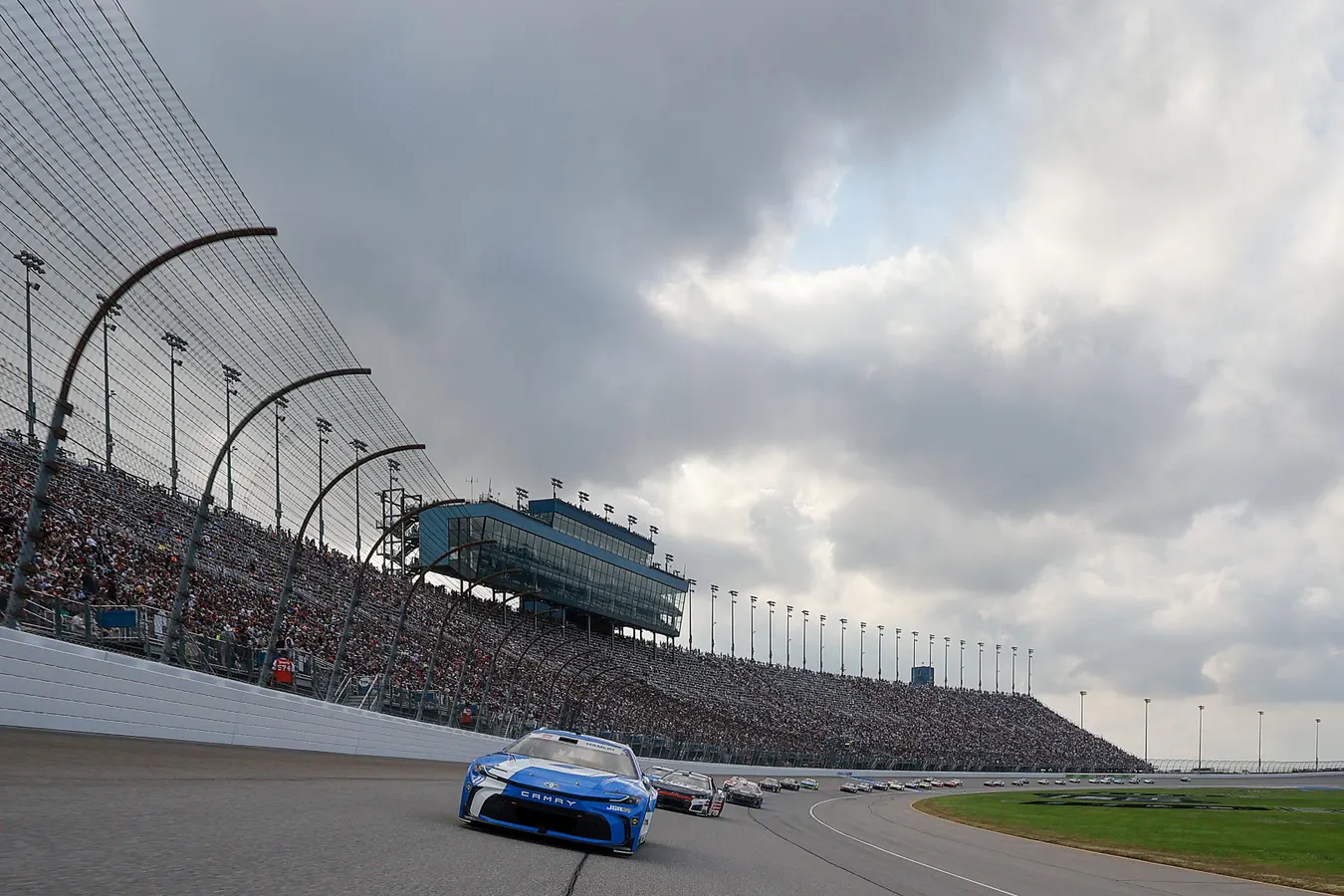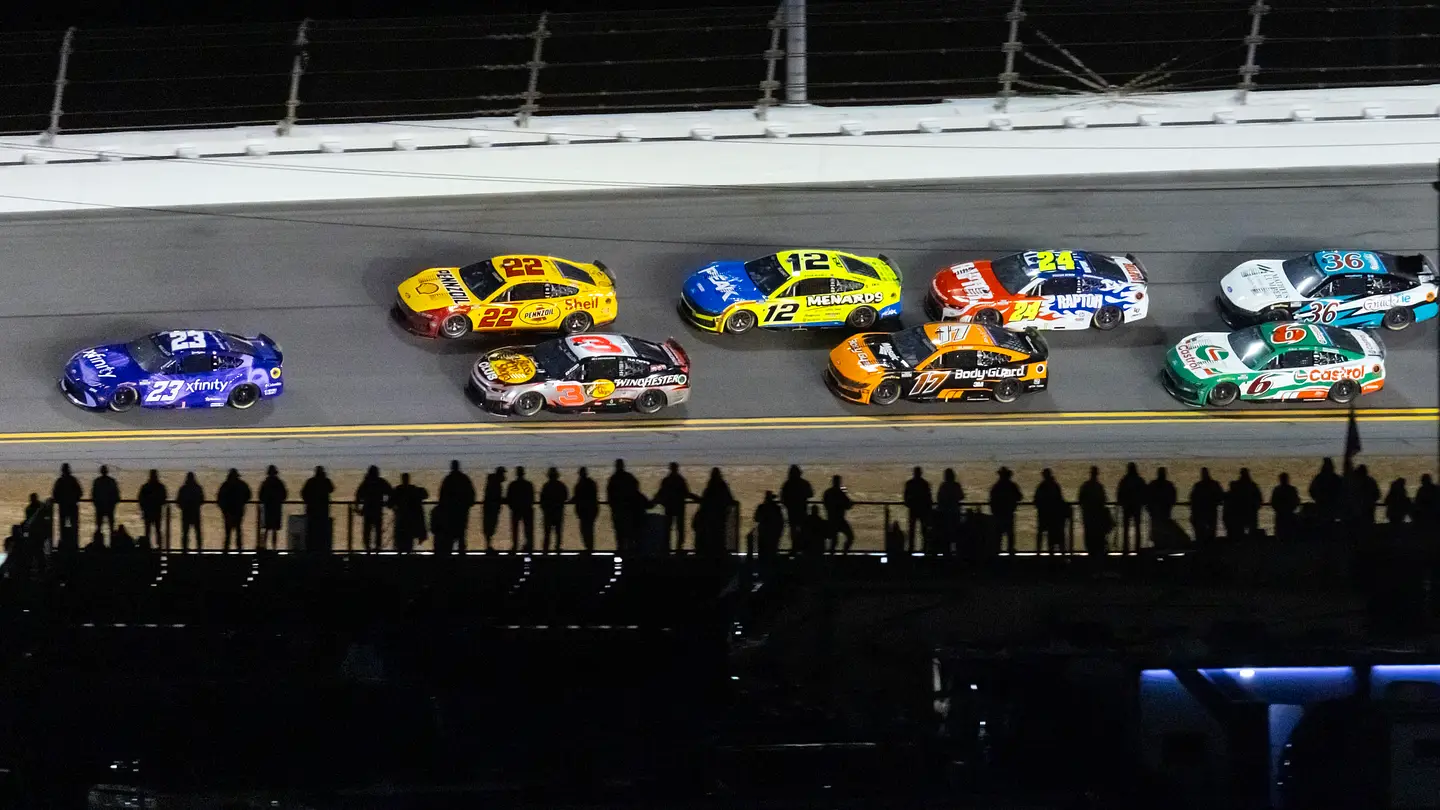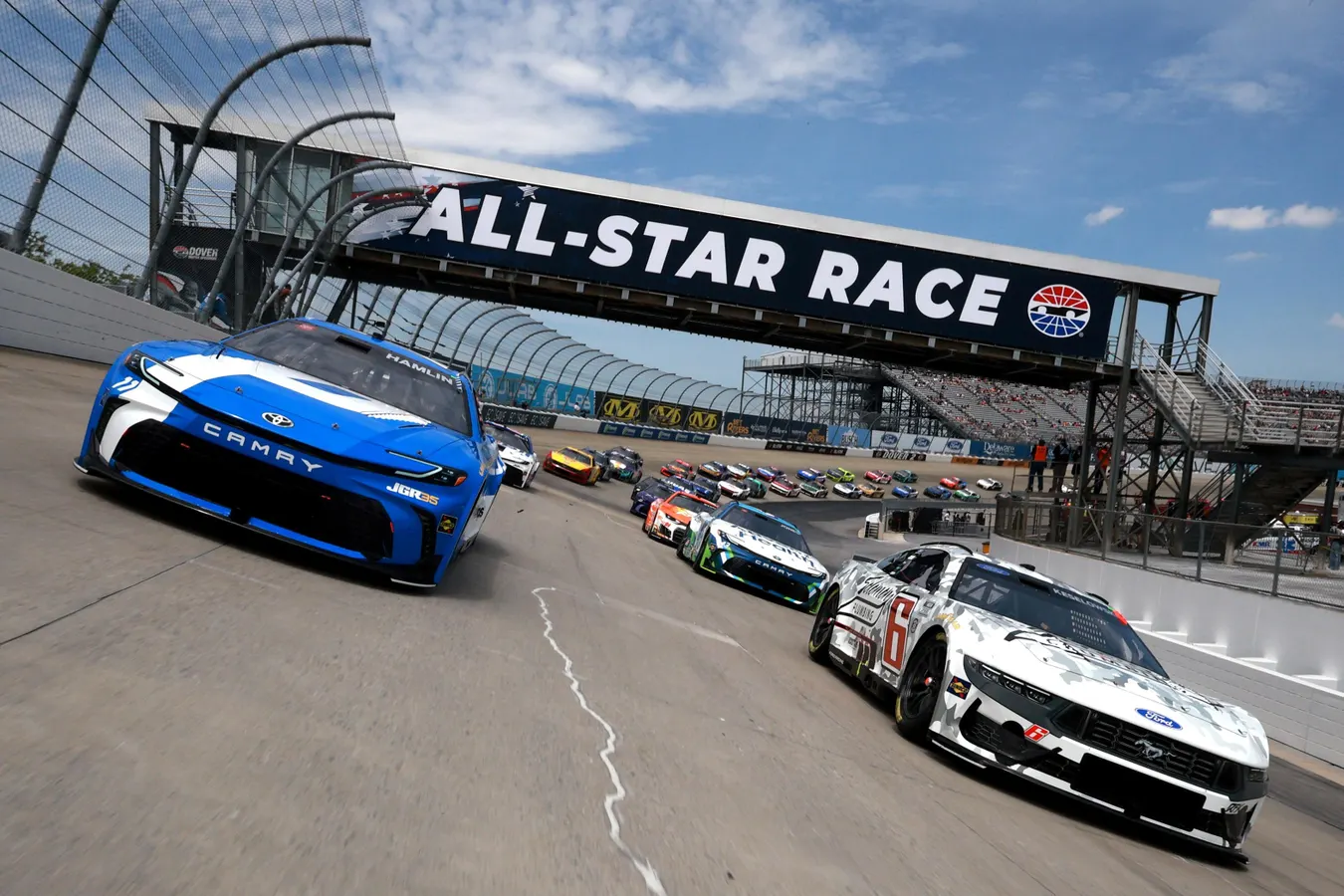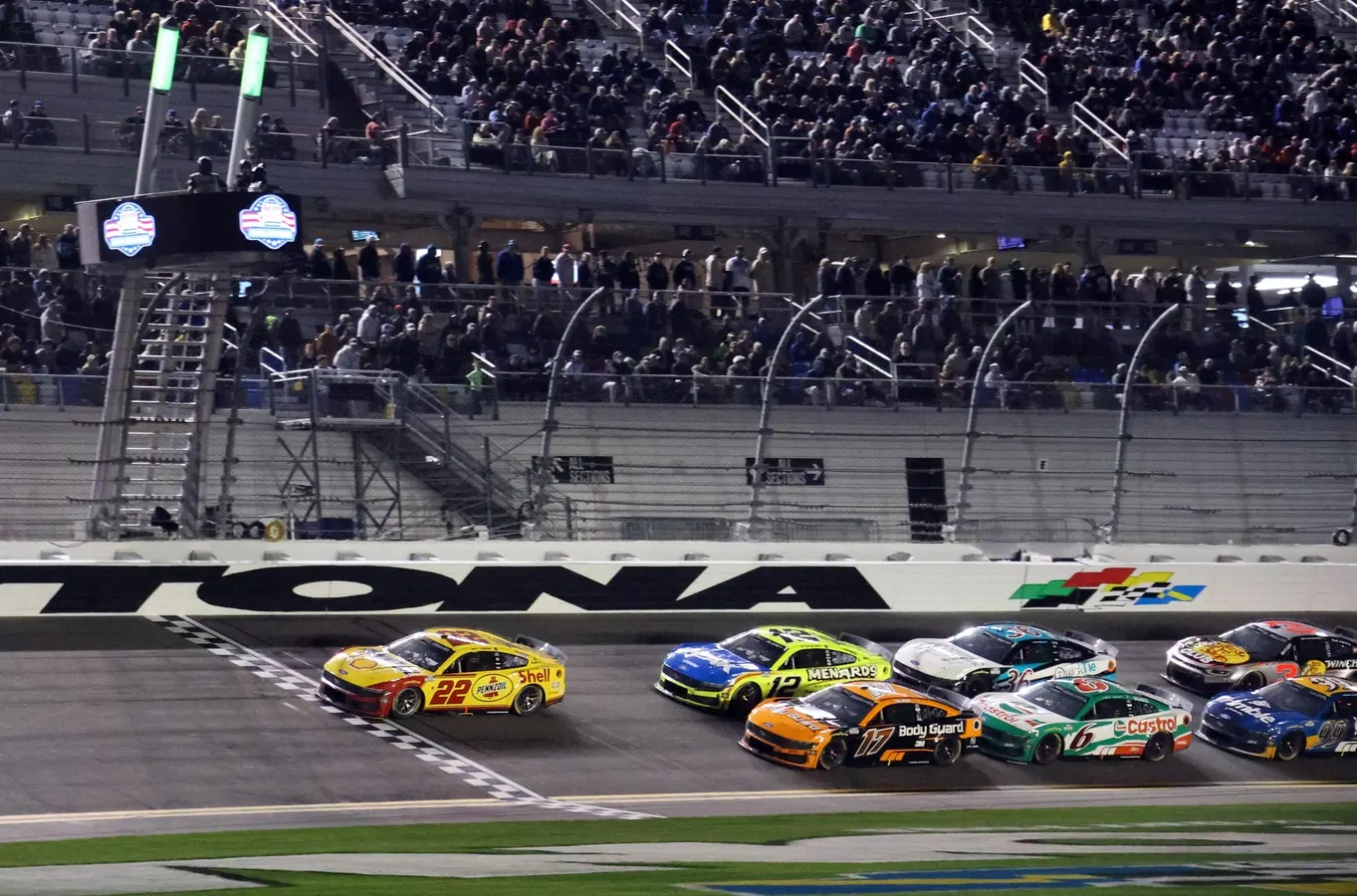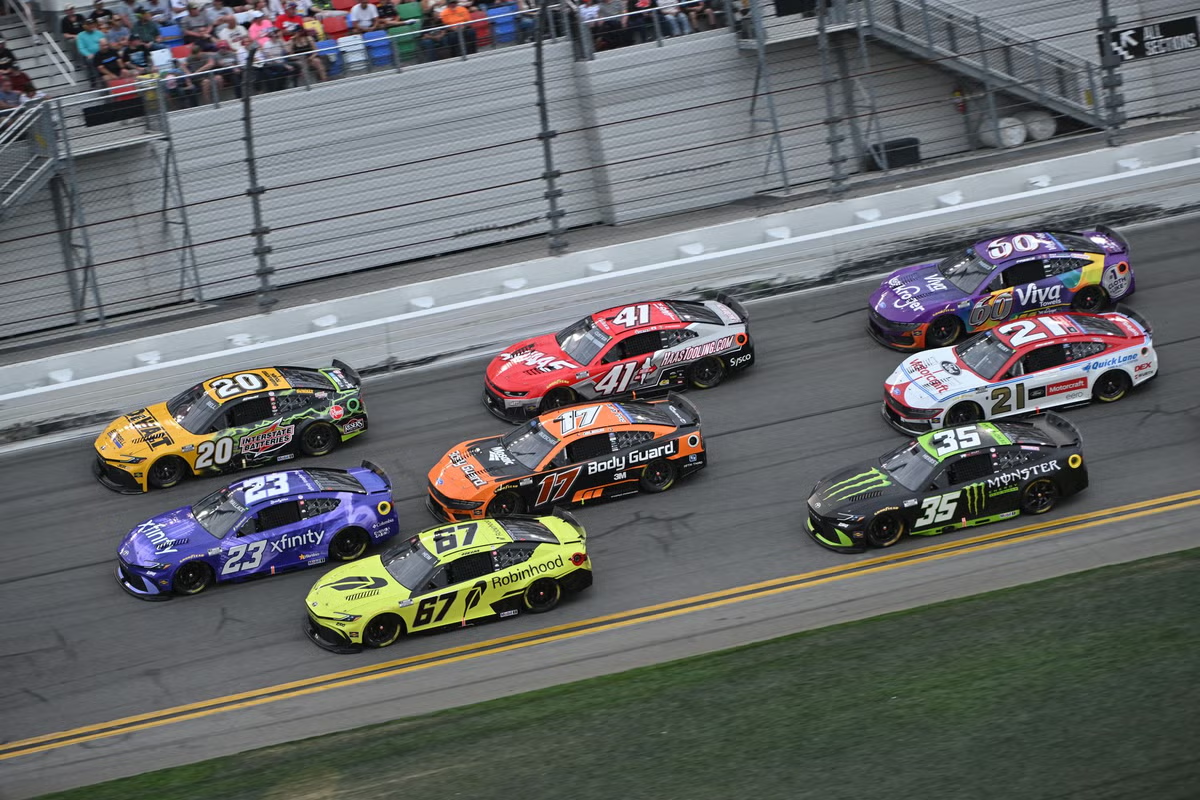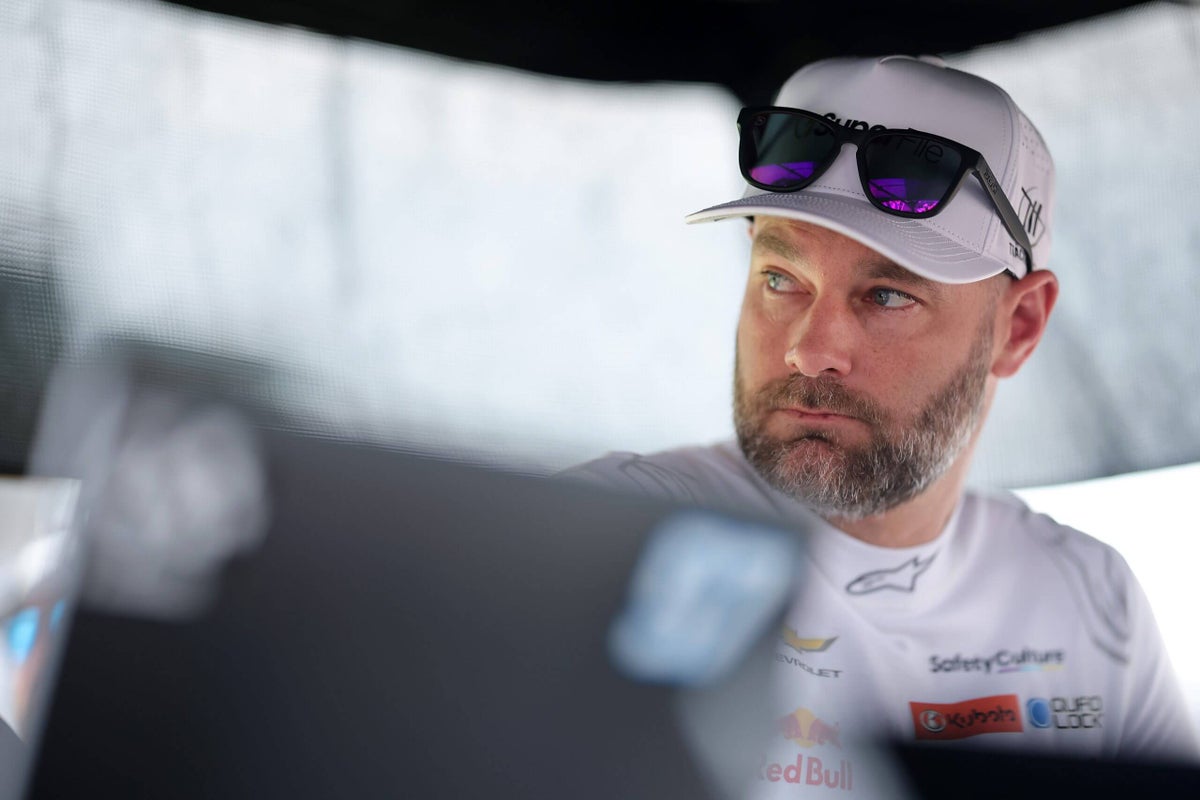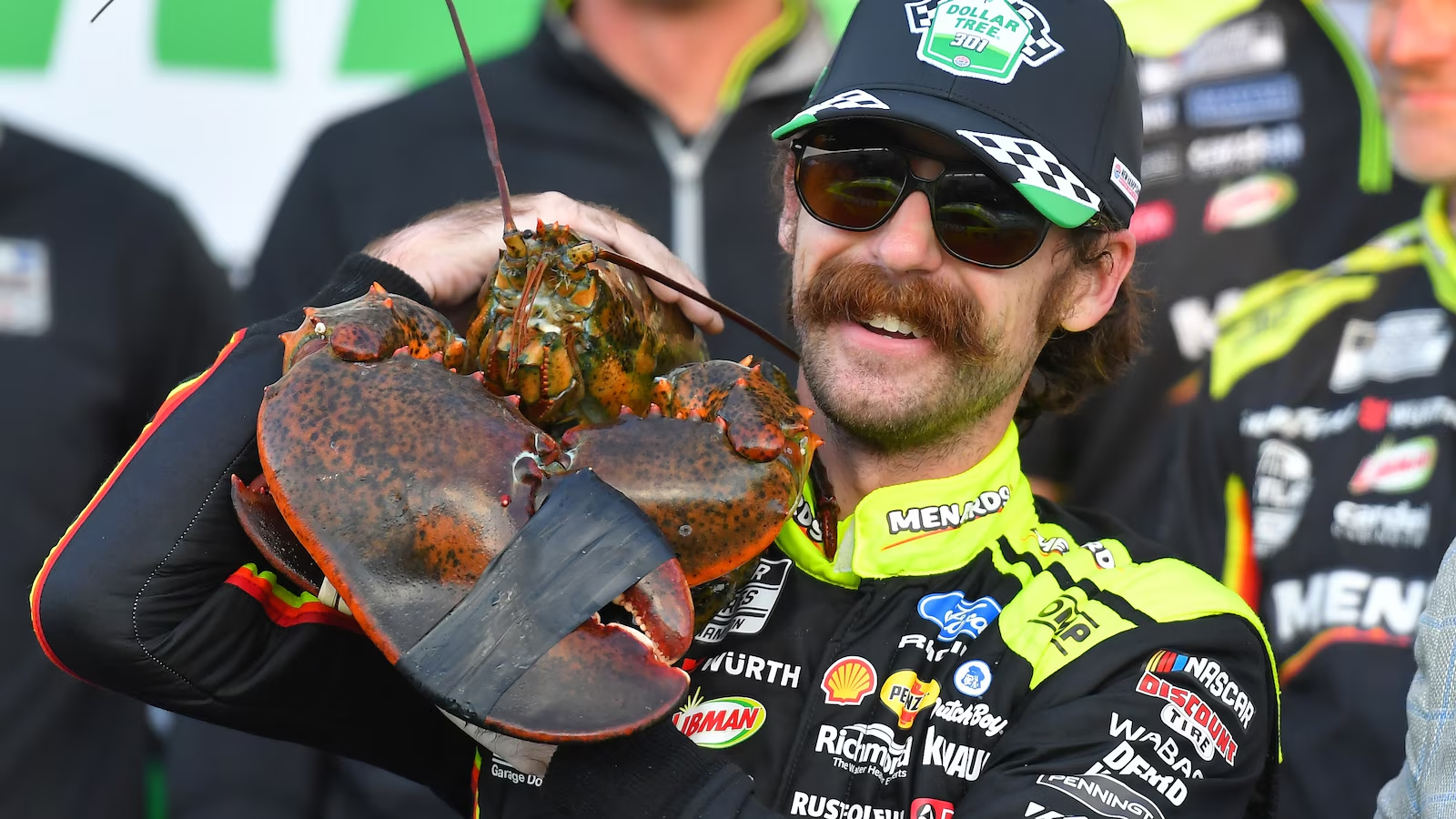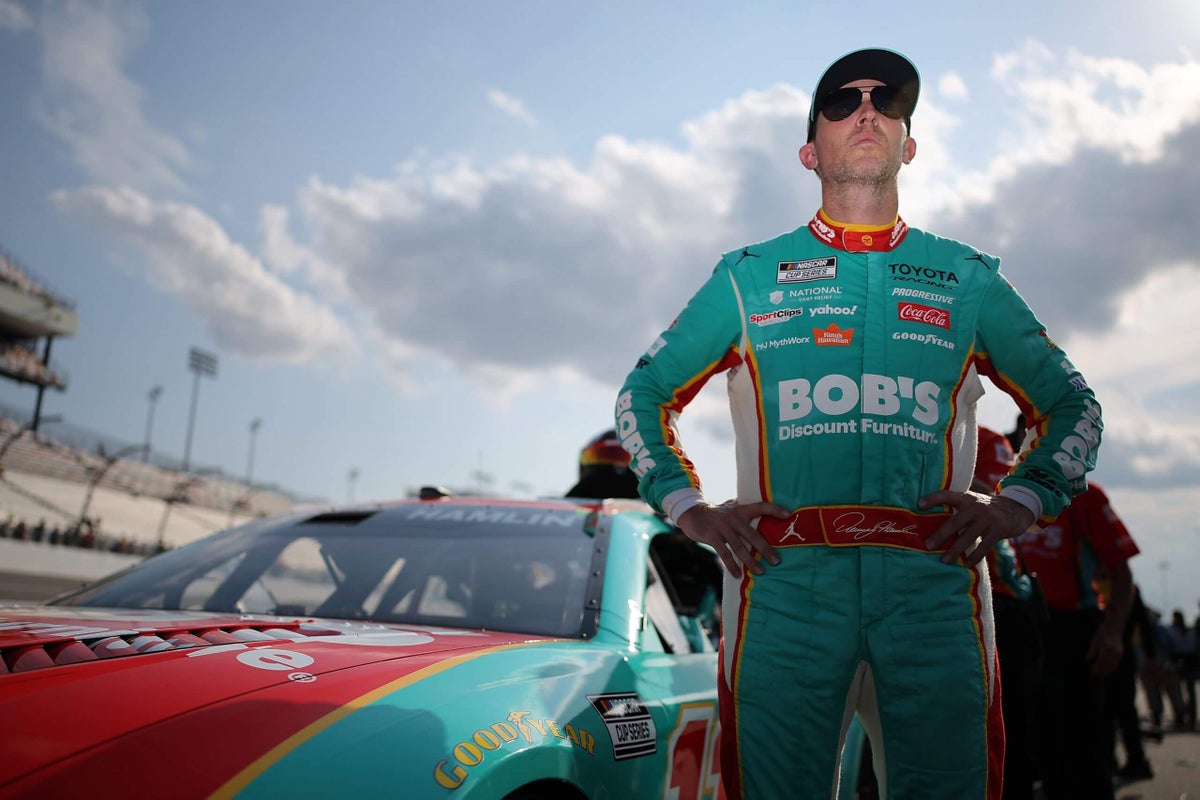
Jordan Bianchi offers a blunt take on NASCAR's Daytona problem(Image via Getty)NASCAR’s latest attempt to improve superspeedway racing at Daytona International Speedway produced a mixed response. The new Cup Series package gave drivers more room to move around the track, but fuel saving remained a major part of the race. That has renewed a familiar debate about whether NASCAR can truly remove the strategy from superspeedway events. Veteran reporter Jordan Bianchi believes there may be a limit to what the sanctioning body can change.Daytona’s new package showed progress, but fuel saving still held the racing backNASCAR entered the Coke Zero Sugar 400 hoping its latest technical changes would make the racing more active.The biggest change came at the rear of the Next Gen car. The rear spoiler was reduced from seven inches to four inches, while horsepower was lowered from 510 to 465.The goal was to reduce drag and give drivers more freedom when racing in traffic. There were signs that the changes helped.Drivers had more opportunities to move between lanes, and the middle lane became more useful during parts of the race. However, the bigger issue did not disappear.Fuel management continued to influence how teams approached the race. Instead of pushing at full speed throughout the event, drivers still had to think about when they could attack and how much fuel they could save.The numbers also showed that Daytona was not completely transformed. The race produced 41 lead changes, compared with 40 in 2024 and 44 in 2025.Several Cup Series drivers also offered mixed reactions. Christopher Bell felt the race was not the major change he had expected. Erik Jones continued to find passing difficult, while Brad Keselowski said he could not notice much of a difference.Those comments showed that NASCAR’s latest experiment did not receive a unanimous thumbs-up from the garage.Still, the package was not without positives. More movement across the track gave drivers additional options, suggesting NASCAR may have found a useful direction even if the first attempt did not solve every issue.Jordan Bianchi believes NASCAR can improve the show without ever eliminating fuel strategyJordan Bianchi believes NASCAR should continue looking at the race format, particularly the stage structure, but he does not expect fuel strategy to disappear completely.His argument is simple. Fuel management is not only a problem created by the current car. It is also part of the strategy that has always existed in racing.NASCAR has already tried changing stage lengths to reduce the impact of fuel saving.At Talladega earlier in the season, the opening stage was extended to 98 laps, while the second stage ended at Lap 143. The final 45-lap stage was designed to fit within a single fuel run.The change had some benefits, but it created another strategic wrinkle. Drivers could spend much of the long opening stage saving fuel so they would have less work to do during later portions of the race.That highlights the difficult balance NASCAR faces.Changing stage lengths can alter fuel windows, but teams will usually search for another way to gain an advantage. As long as fuel mileage can affect track position, teams have a reason to manage their consumption.That does not mean NASCAR has to accept fuel saving as the main story of superspeedway racing.The challenge is finding a package where fuel strategy remains part of the competition without taking attention away from passing and aggressive racing.Bianchi’s warning may therefore be less about giving up and more about setting realistic expectations. NASCAR can keep adjusting the rules, car and race format, but completely removing fuel strategy may not be possible.For Cup Series fans, that could be an important distinction. The goal may not be to eliminate every strategic element, but to create a Daytona race where drivers have more freedom to race hard without fuel conservation controlling the action.
Can NASCAR finally make Daytona racing better? Jordan Bianchi’s honest take raises a bigger question for Cup Series fans
NASCAR’s latest attempt to improve superspeedway racing at Daytona International Speedway produced a mixed response. The new Cup Series package gave drivers more room to move around the track, but fuel saving remained a major part of the race.
633 words~3 min read