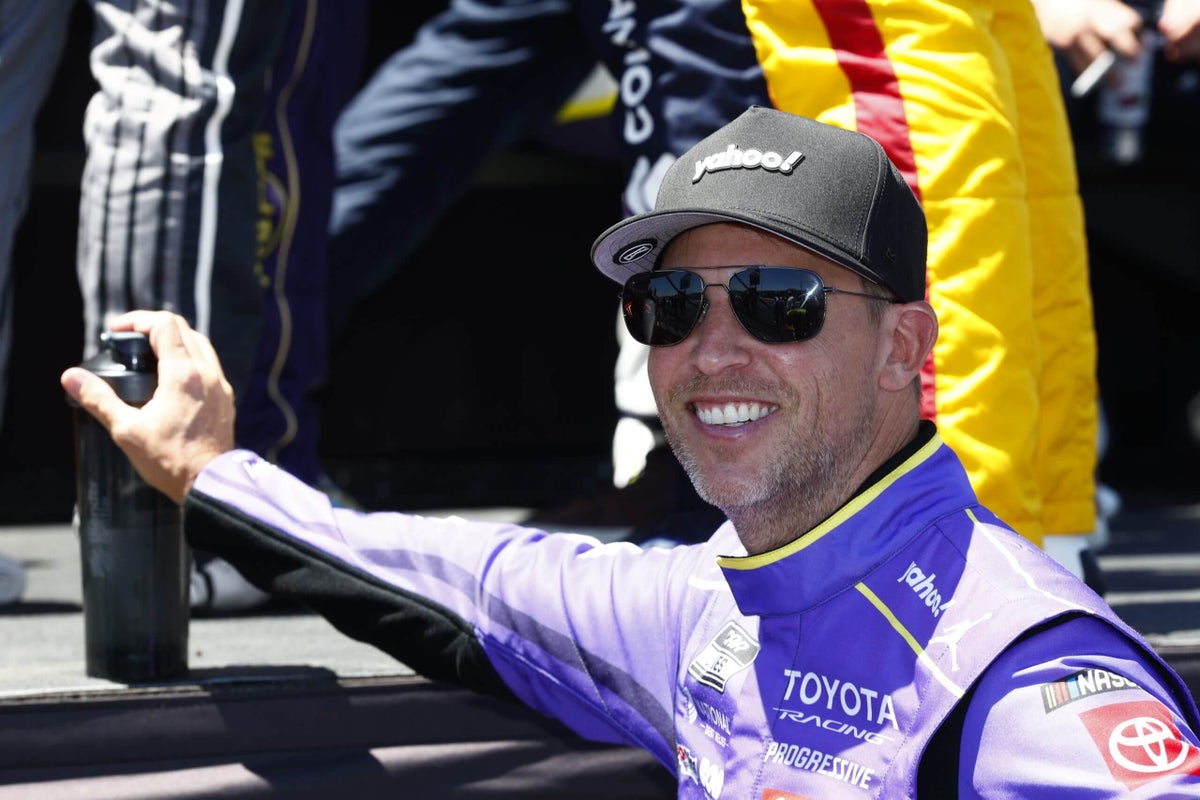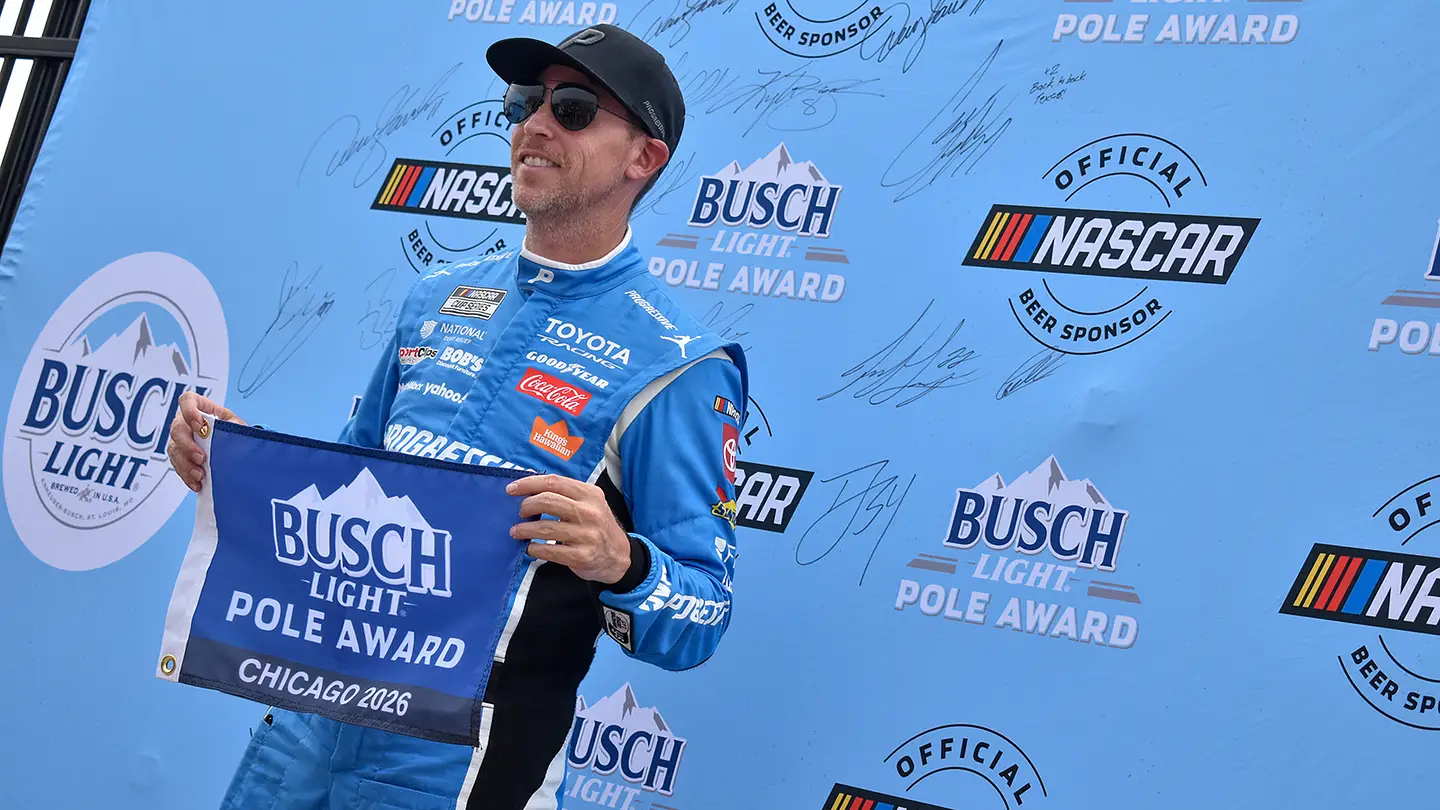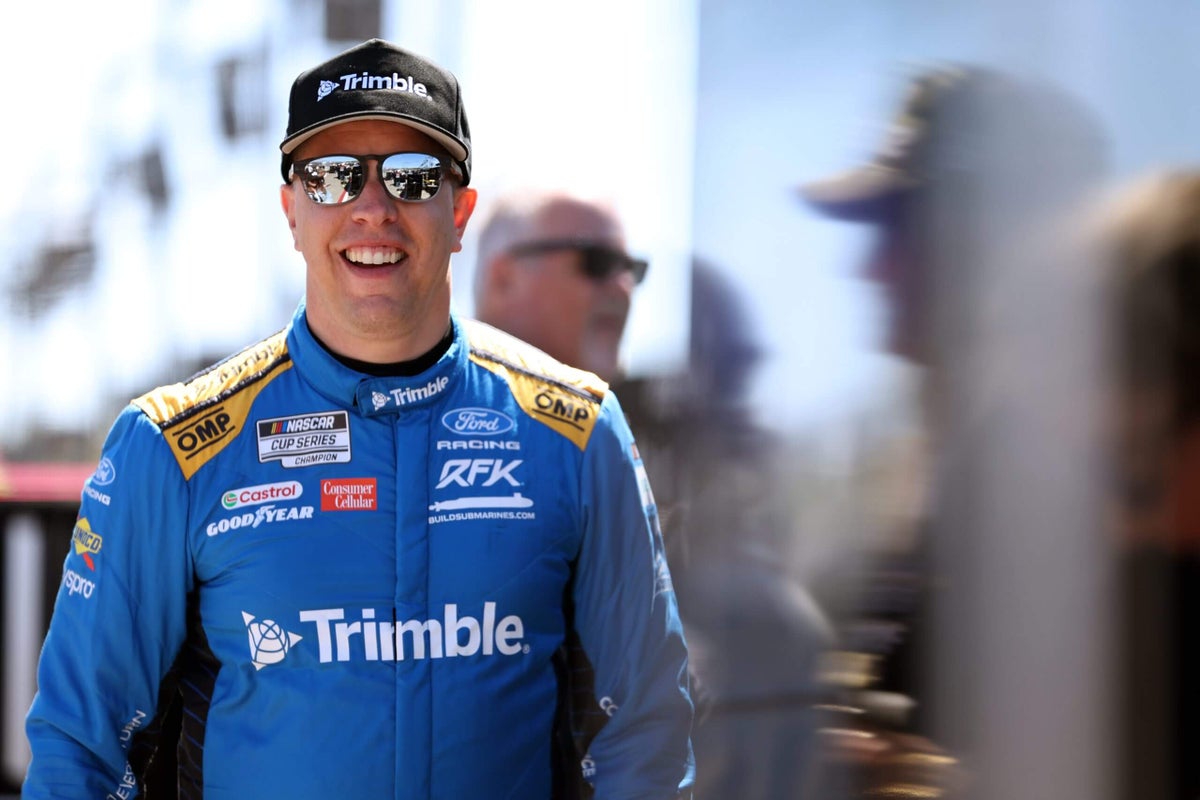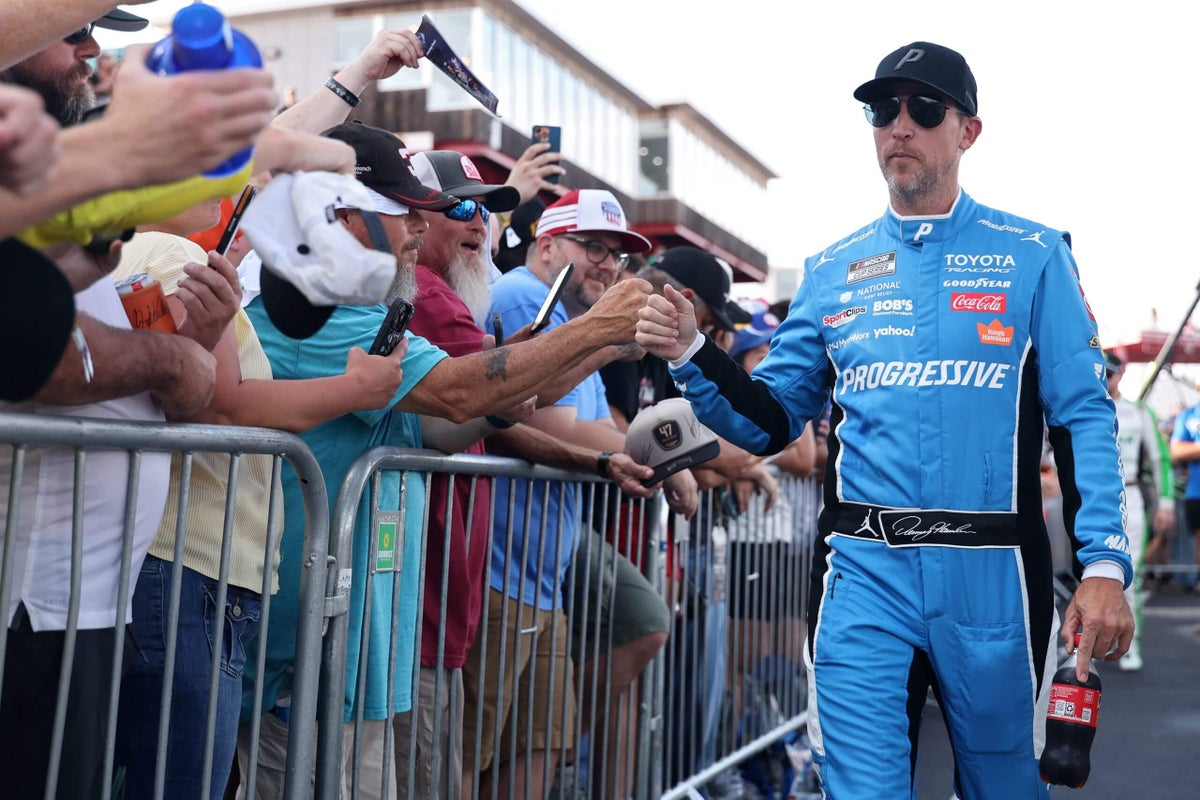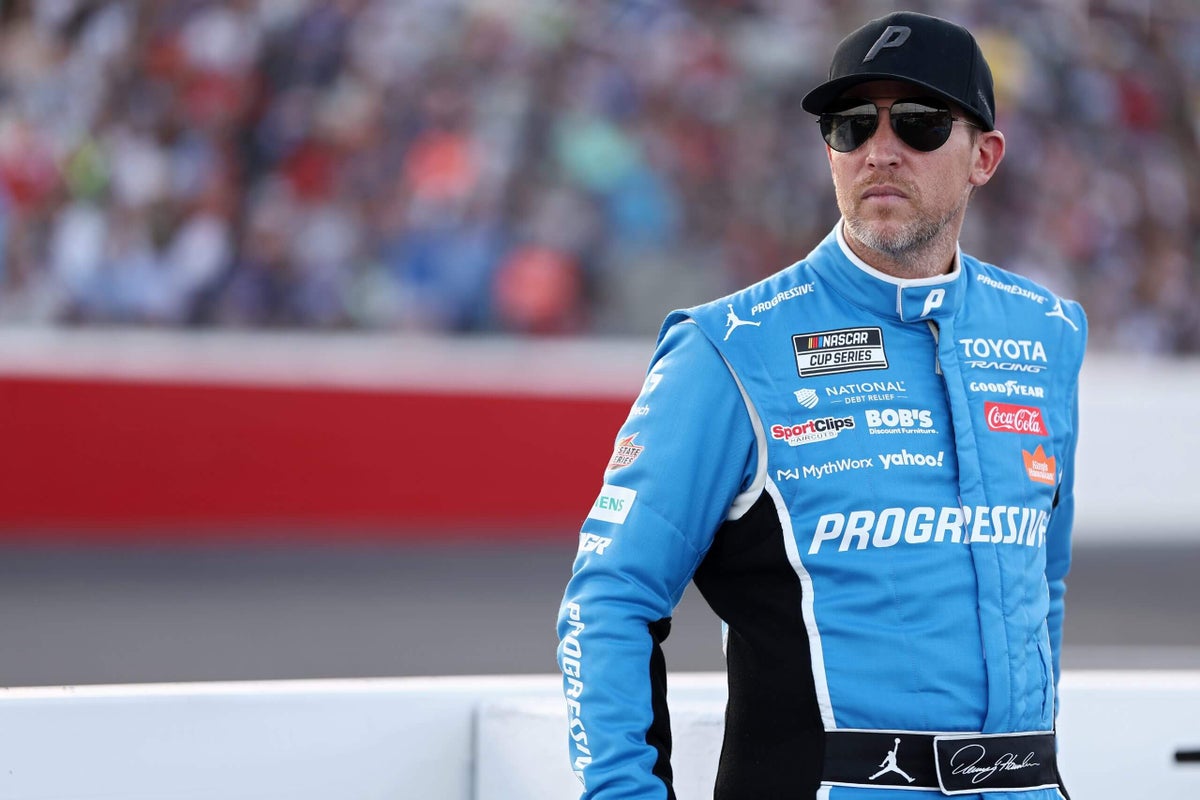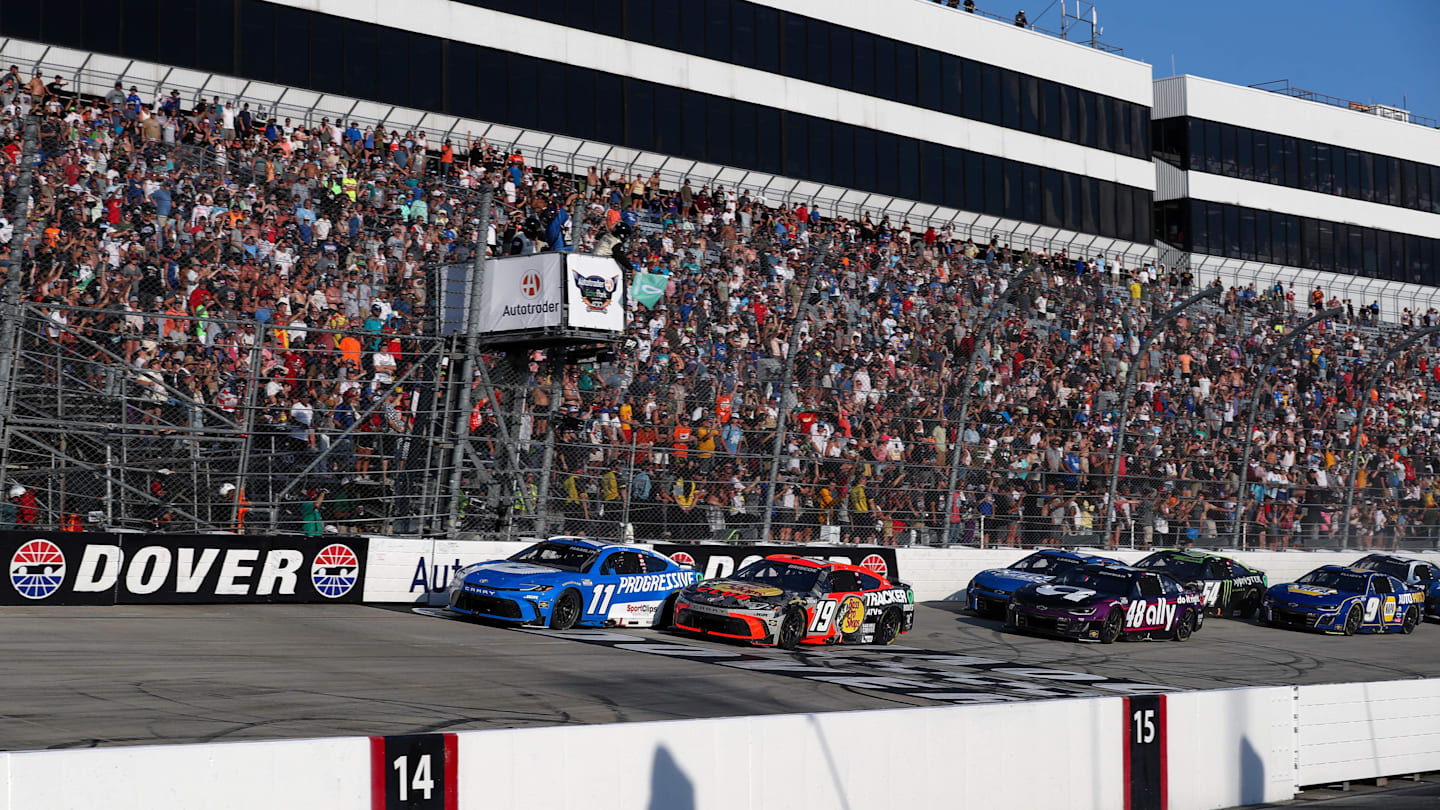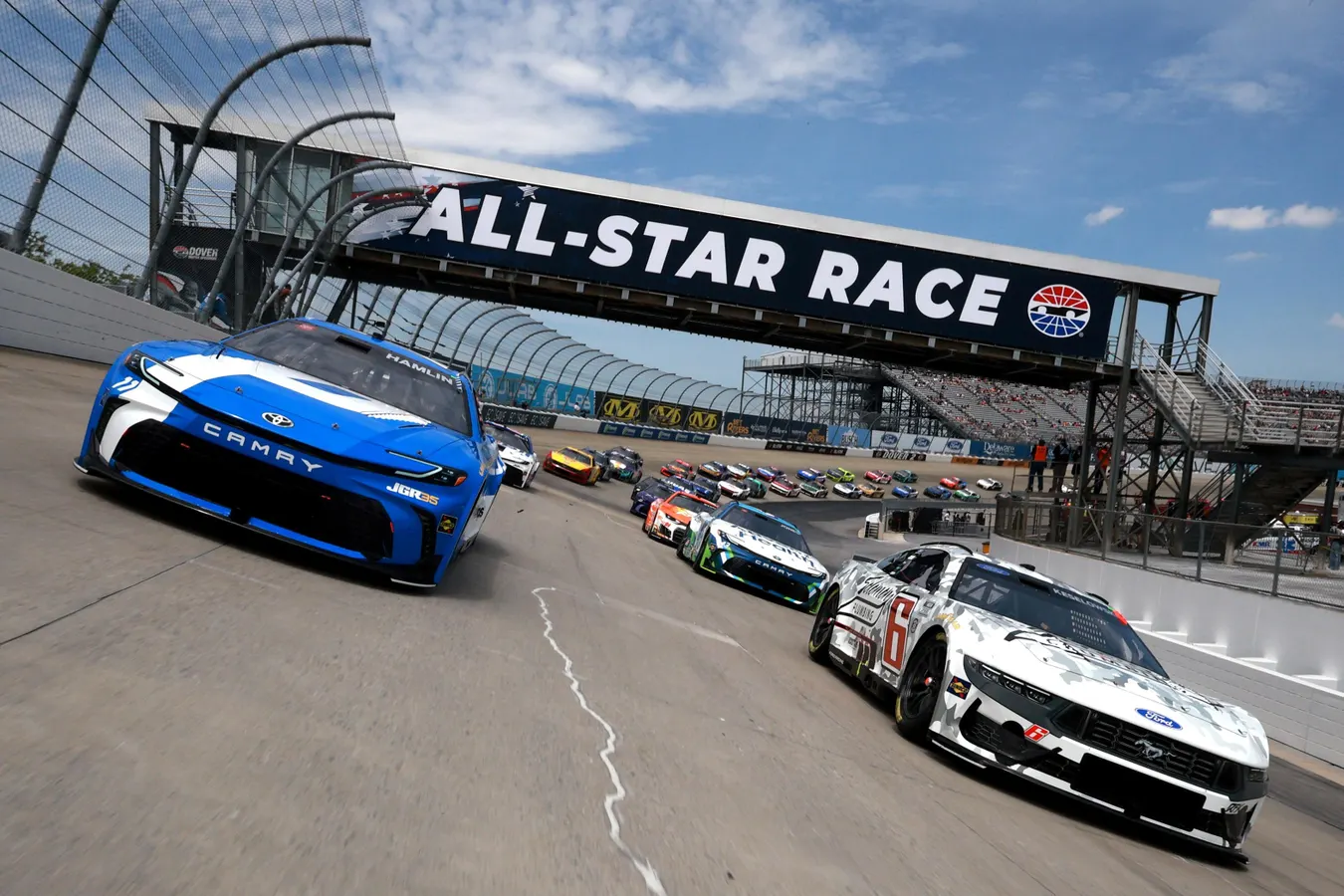
DOVER, DELAWARE - MAY 17: Denny Hamlin, driver of the #11 Progressive Insurance Toyota, and Brad Keselowski, driver of the #6 Solomon Plumbing Ford, lead the field on a pace lap prior to the NASCAR Cup Series All-Star Race at Dover Motor Speedway on May 17, 2026 in Dover, Delaware. (Photo by Sean Gardner/Getty Images)Getty ImagesBrad Keselowski believes the biggest battles in NASCAR aren't taking place on pit road anymore. In fact, many of them aren't happening at the racetrack at all. They're unfolding months earlier, inside conference rooms where manufacturers decide how teams share engineering, data and resources.Speaking Friday at Chicagoland Speedway, the RFK Racing co-owner argued that NASCAR's competitive landscape fundamentally changed with the arrival of the Next Gen car. In his view, engineering responsibility has shifted away from individual race teams and increasingly toward the manufacturers, making collaboration between organizations just as valuable as driver talent, race strategy or a perfectly executed pit stop.The numbers suggest he may have a point. Through the first 18 NASCAR Cup Series races this season, Toyota drivers have collected 11 victories while Ford has managed just one points-paying win. That's more than a hot streak. It's the kind of imbalance that naturally raises questions about whether one manufacturer has discovered an organizational advantage as much as an engineering one.The Next Gen ShiftKeselowski believes the answer dates back to NASCAR's introduction of the Next Gen car."The engineering was handed—or taken—from the teams based on rules and procedures and given to the OEMs," Keselowski said.MORE FOR YOUAccording to the 2012 Cup Series champion, that shift has fundamentally changed how races and championships are won. The days when an independent organization could simply out-engineer the sport's powerhouses have largely disappeared. Instead, success increasingly depends on how effectively a manufacturer coordinates the technical resources spread across its affiliated teams.DAYTONA BEACH, FLORIDA - FEBRUARY 14: Brad Keselowski, driver of the #6 Castrol Ford, looks on in the garage area during practice for the NASCAR Cup Series Daytona 500 at Daytona International Speedway on February 14, 2026 in Daytona Beach, Florida. (Photo by Patrick McDermott/Getty Images)Getty Images"A lot of these races are won way before we ever get to the racetrack," Keselowski said. "They're won in boardrooms with elite decision-making from team owners and now, in a lot of cases, with the OEMs."Keselowski traced that evolution back to NASCAR's efforts to control costs entering the Next Gen era. While the standardized platform succeeded in reducing many of the expensive development wars that once consumed the garage, he believes it also shifted more responsibility for engineering and technical direction to the manufacturers themselves.One unintended consequence, Keselowski argued, was making it far more difficult for independent organizations to replicate what Furniture Row Racing accomplished when it won the 2017 championship."I think those rules were targeted exactly at Furniture Row," Keselowski said. "The unintended consequences... is you created this stalemate of organizations."Why Keselowski Thinks Toyota Has The AdvantageIn Keselowski's view, Toyota recognized that reality faster than its rivals.Rather than relying on a single flagship organization, he said Toyota has fostered collaboration between its premier teams, creating what he described as "two A organizations" instead of the traditional model of one dominant team supported by several secondary operations. The result is a larger pool of engineering talent, simulation data and technical resources working toward the same goal."Toyota is making them pay for that with results on the racetrack," Keselowski said. "They deserve credit for that. It's a really great behind-the-scenes move that they've taken full advantage of."“If you're going to beat Toyota, you have to have at least two elite organizations collaborating at very, very high levels...”
NASCAR's Manufacturer War Has Moved Beyond The Garage
Has NASCAR's competitive advantage moved from the garage to the boardroom? Brad Keselowski and Denny Hamlin offer very different answers.
1,243 words~6 min read