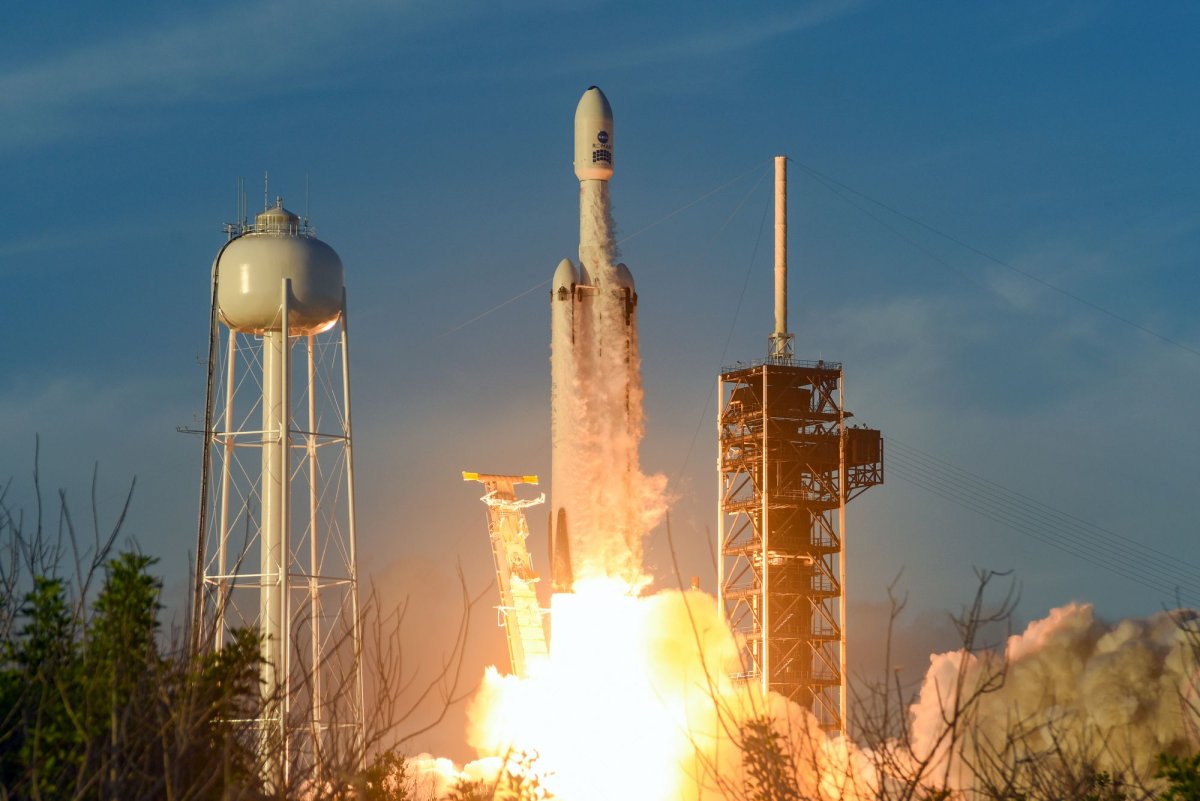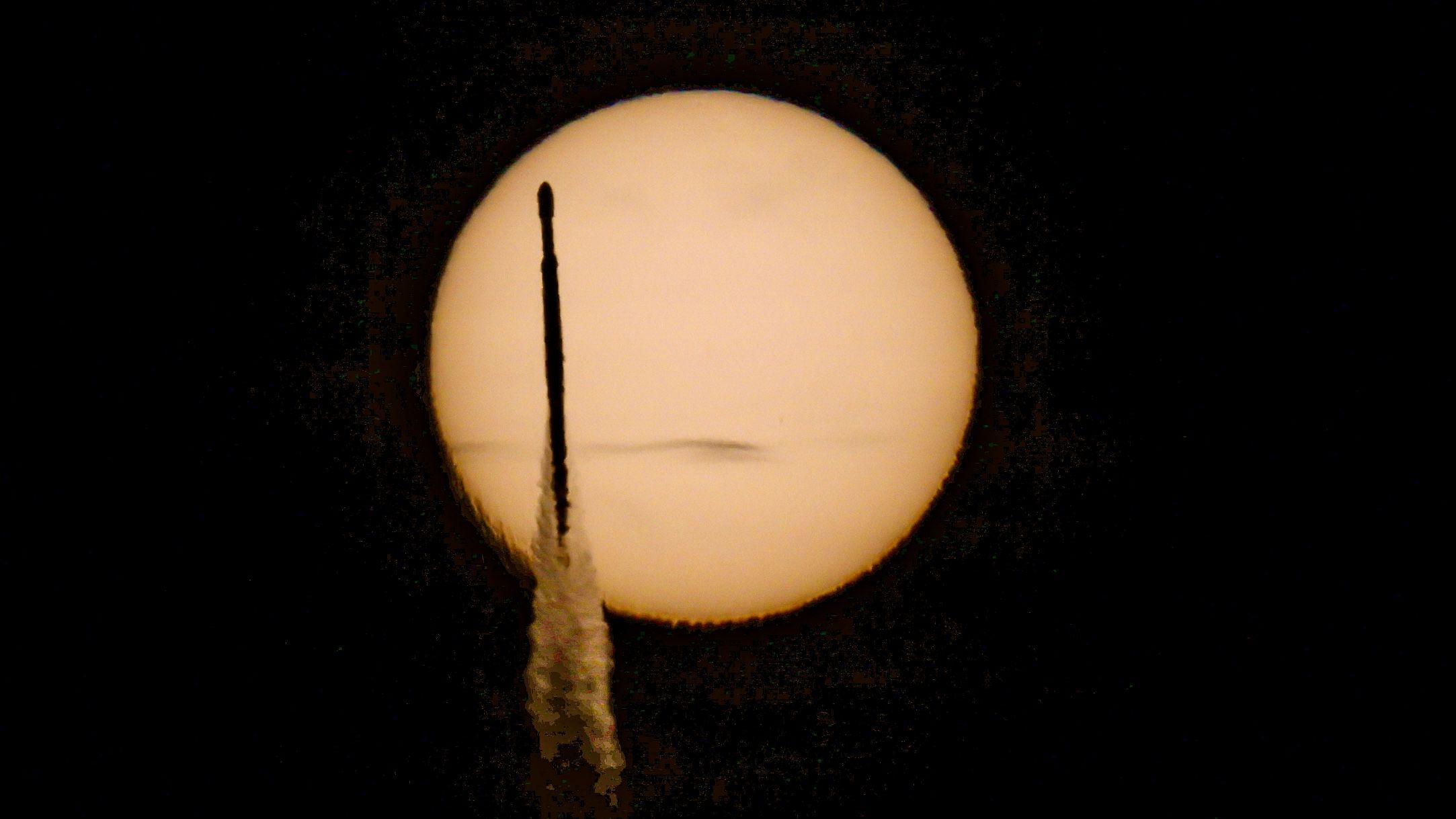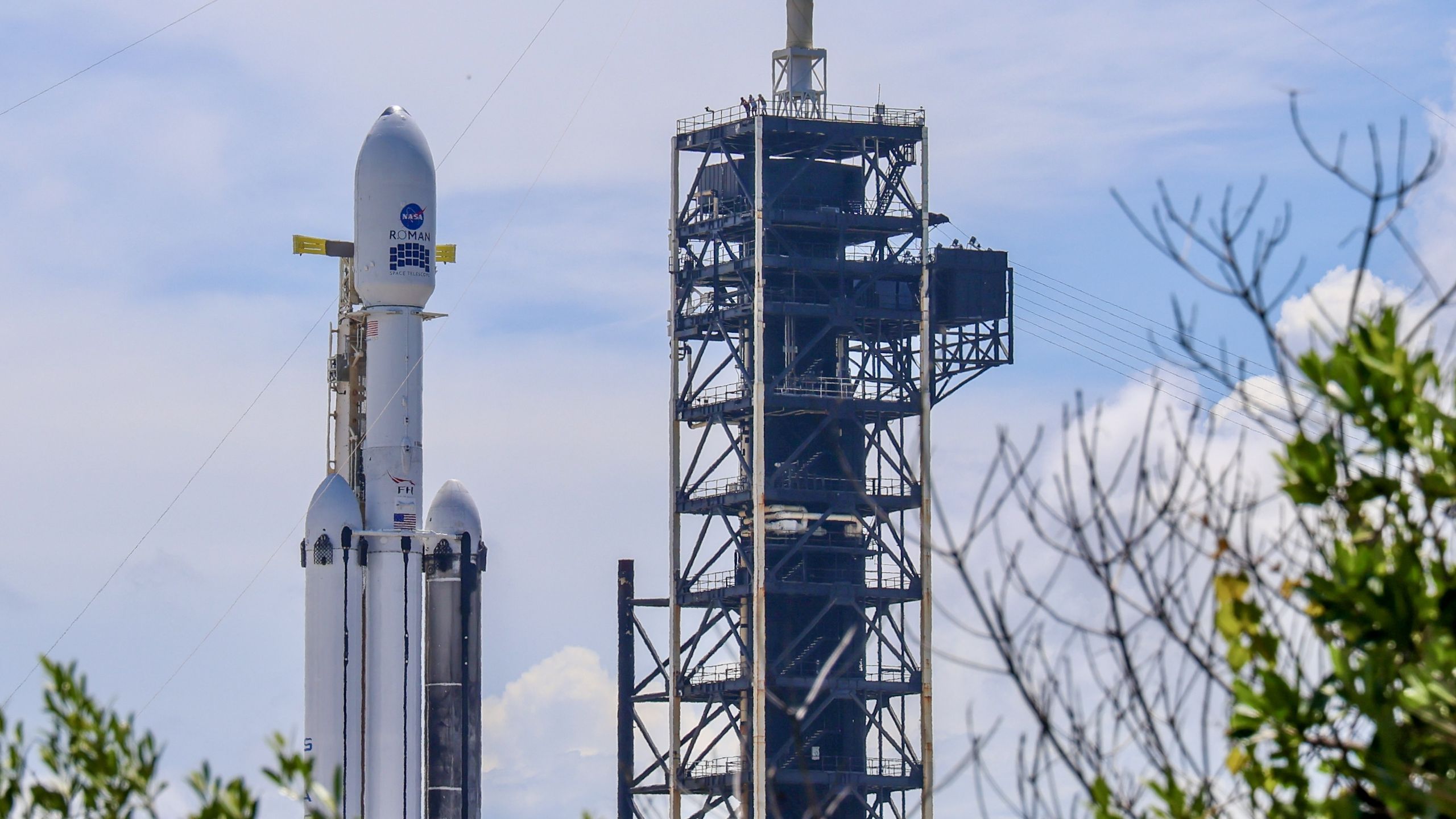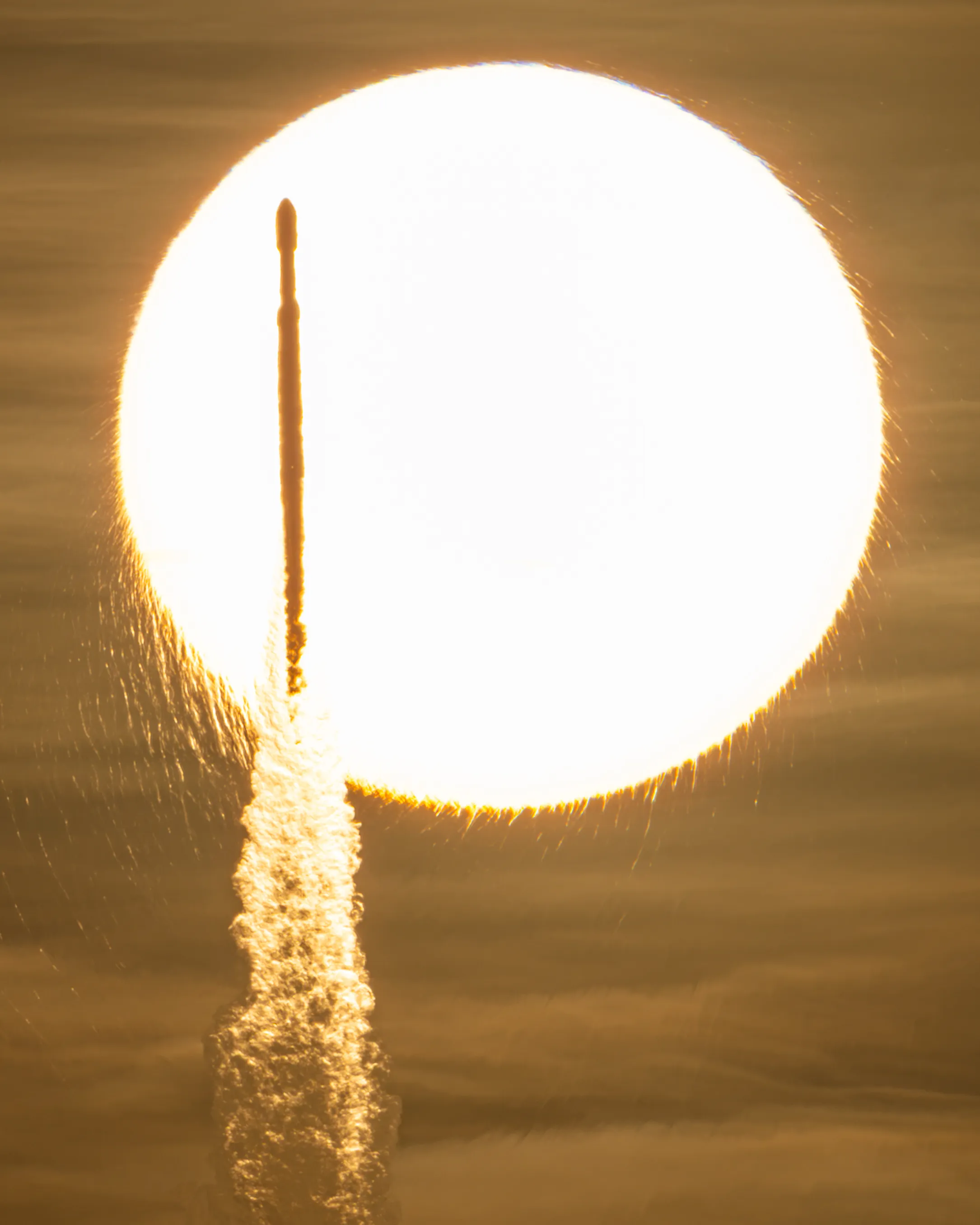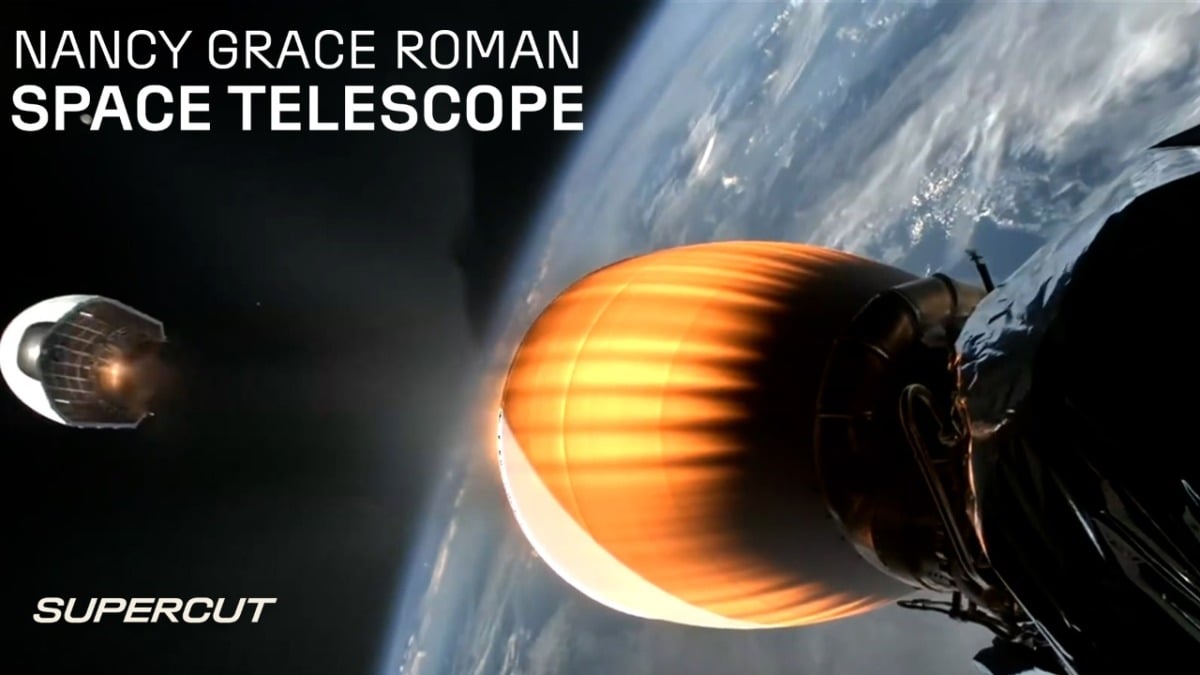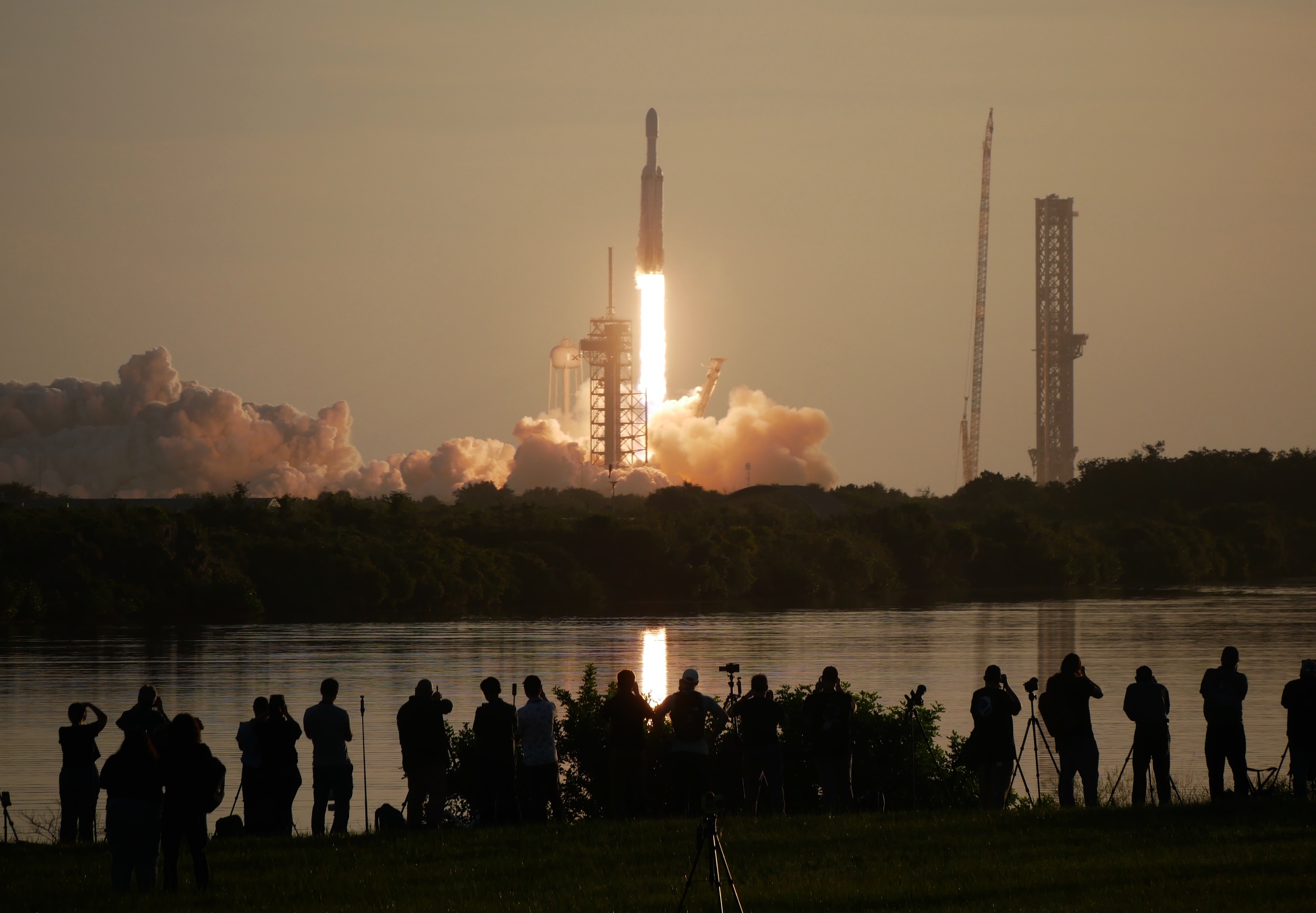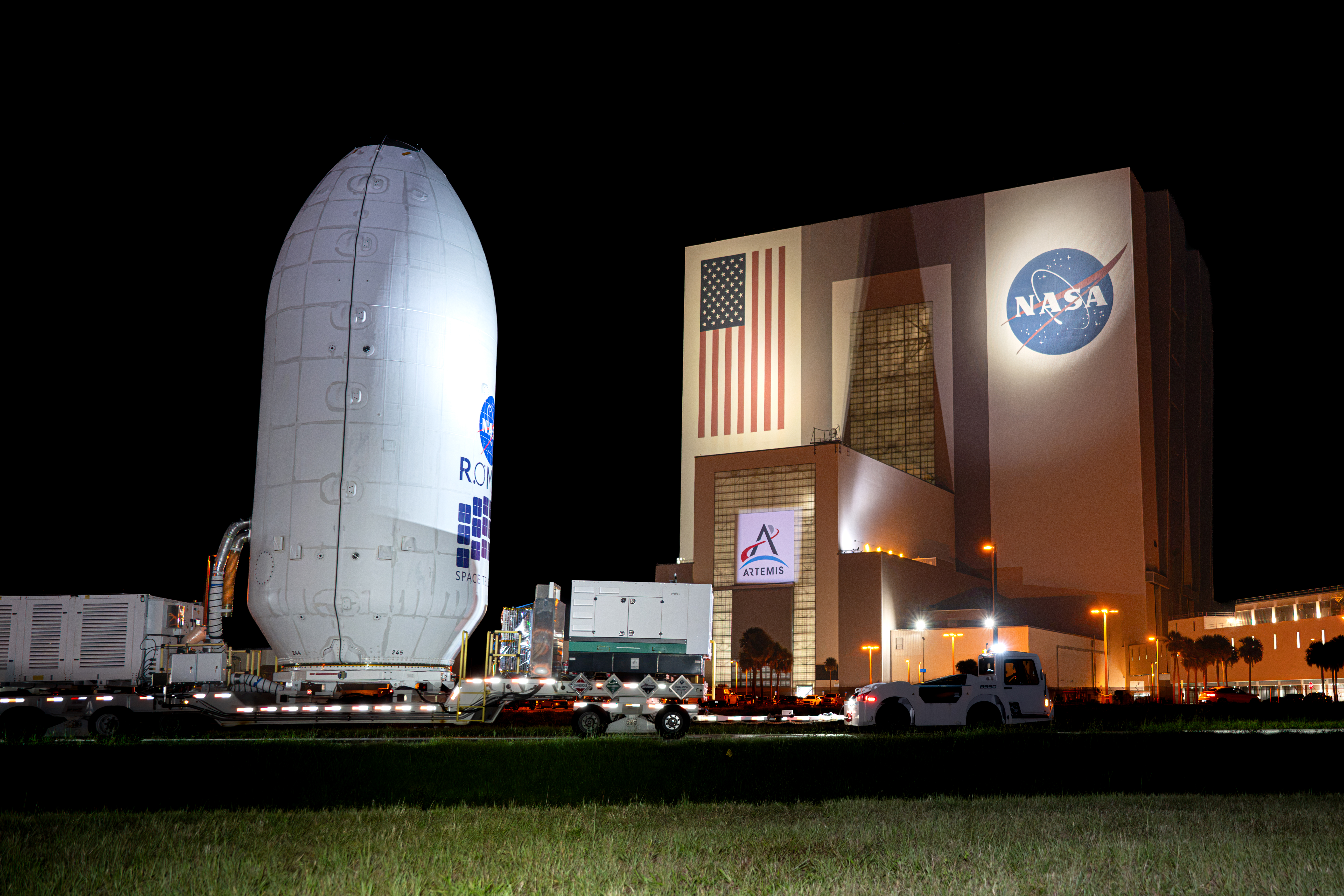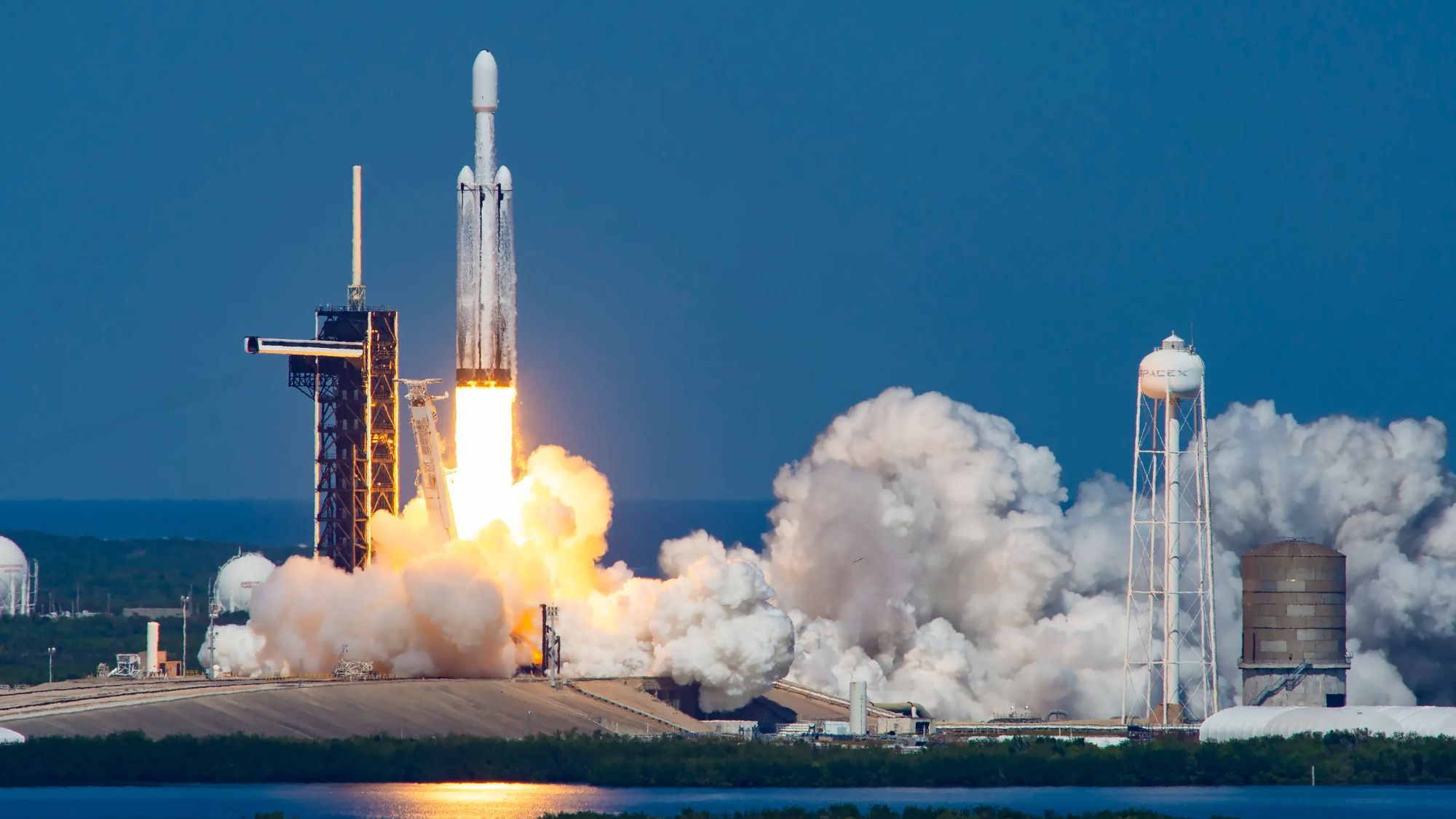
SpaceX (SPCX) successfully launched NASA’s Nancy Grace Roman Space Telescope into space early this morning, August 30, using a Falcon Heavy rocket from Launch Complex 39A at Kennedy Space Center. The $4.3 billion observatory lifted off and began its million-mile trip to its orbital home, months early and on budget.
The flight went smoothly, with Falcon Heavy’s side boosters breaking off cleanly about two and a half minutes into ascent. Both boosters then flew back and landed safely at Cape Canaveral’s Landing Zones 2 and 40. Soon after separation, NASA Goddard confirmed that the telescope’s solar panels had deployed and that all spacecraft systems were sending healthy data.
The Mission and Science
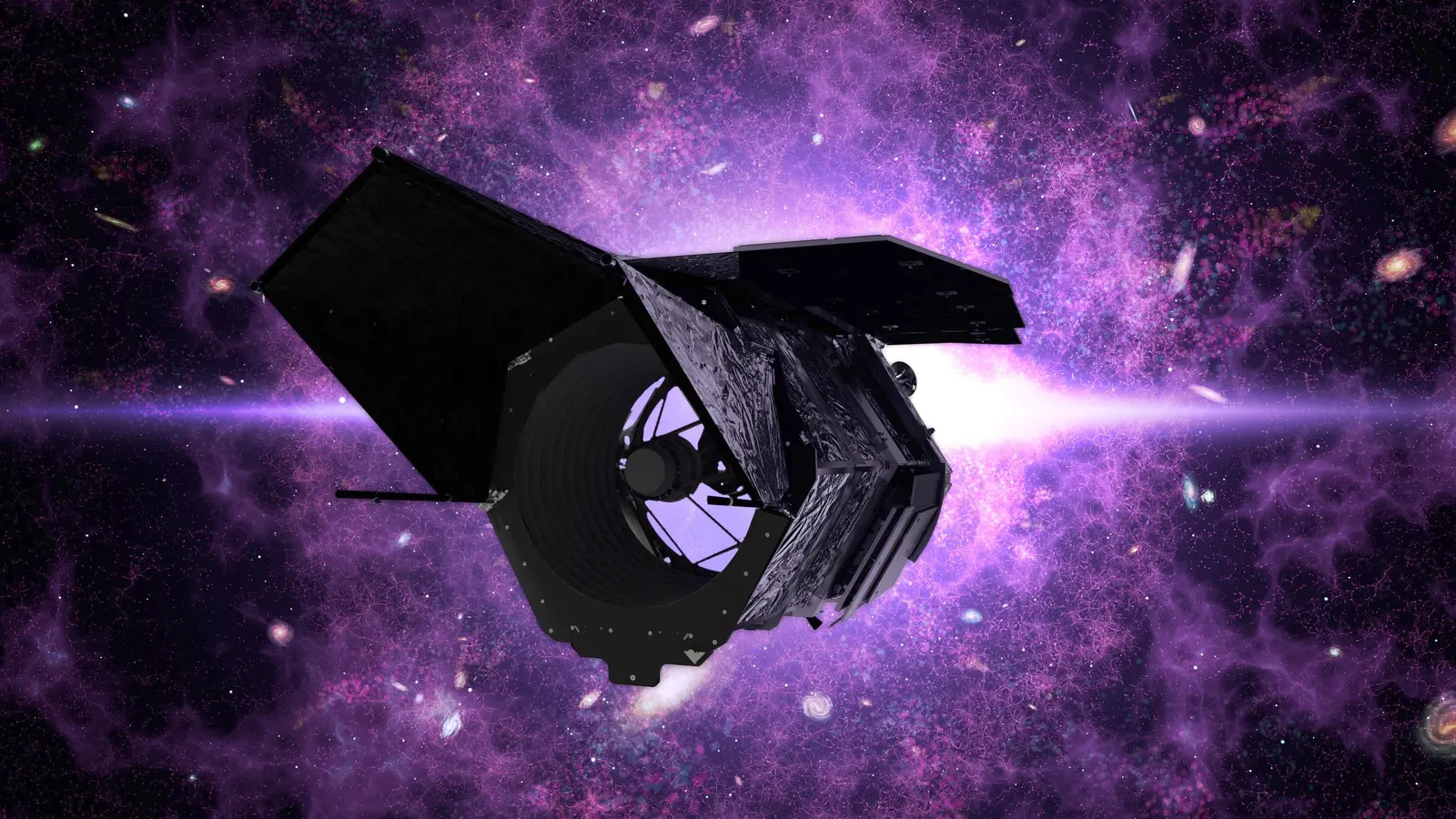
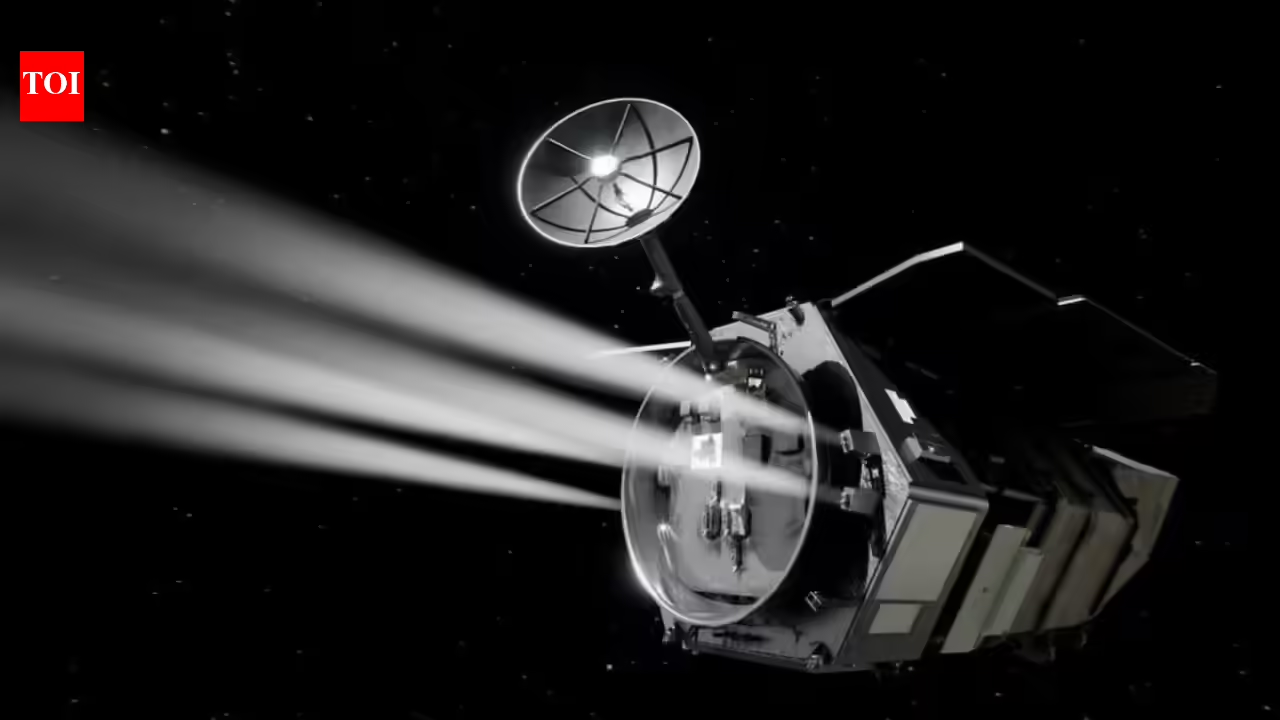
Roman uses a 7.9‑foot main mirror that was first built for a spy satellite and later given to NASA. It has the same sharp view as the Hubble Space Telescope. However, its 300-megapixel infrared camera can see a field 100 times wider, letting it scan huge parts of the sky at once.
Across its five‑to‑ten‑year mission, Roman will send back about one terabyte of data each day as it tackles major space questions. It will map billions of galaxies to study dark energy and dark matter, and it will use a high‑end coronagraph to spot Jupiter‑size exoplanets and read their atmospheres.