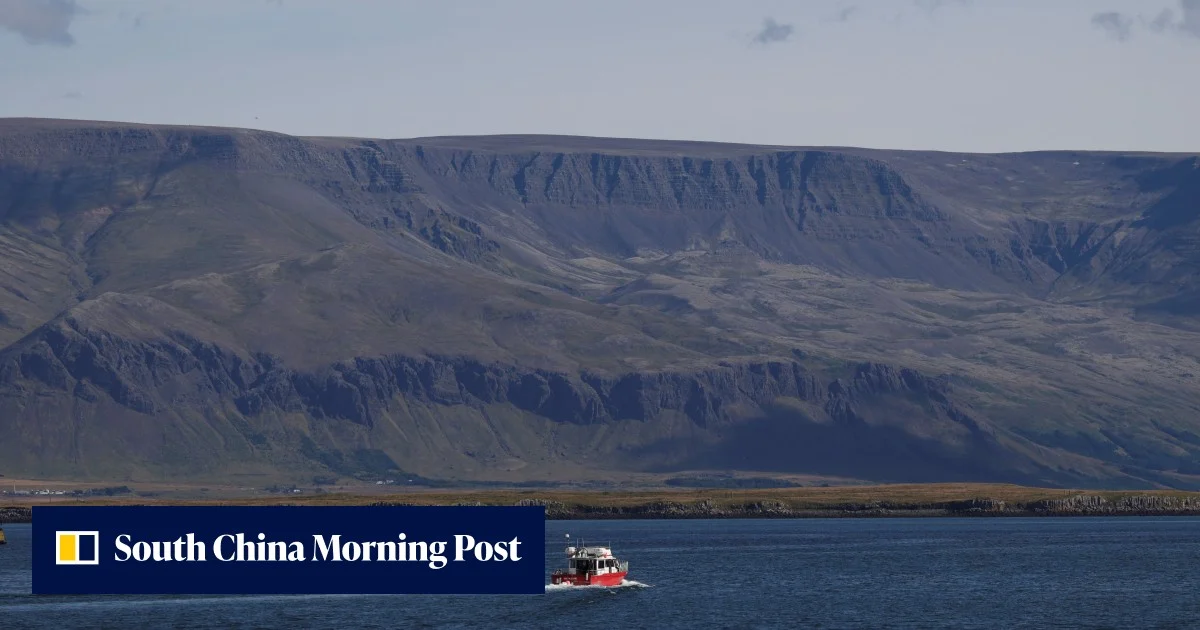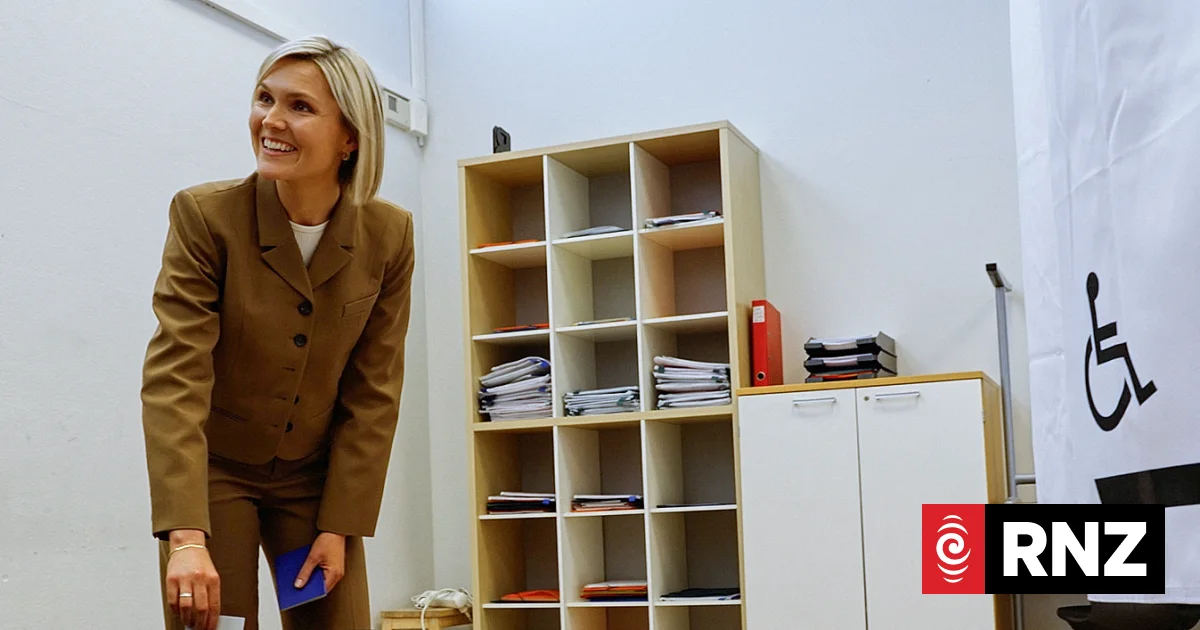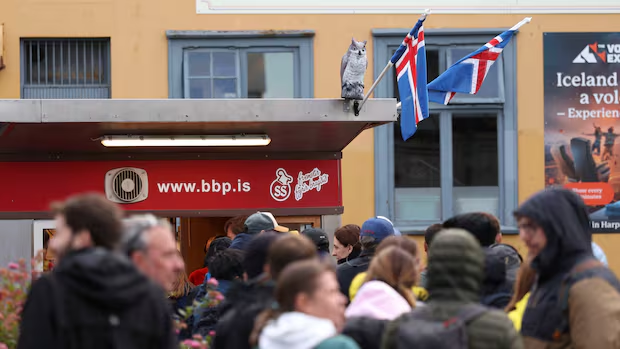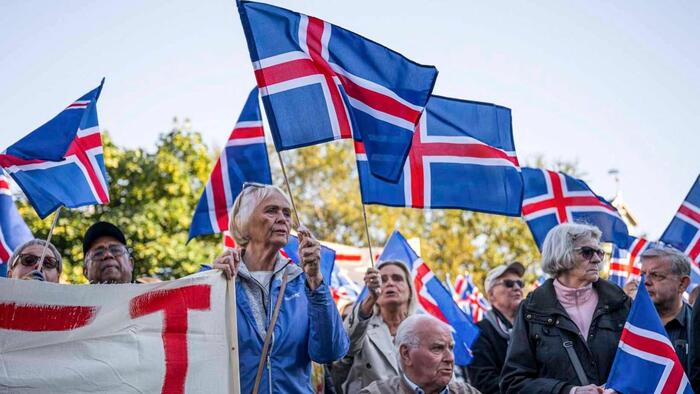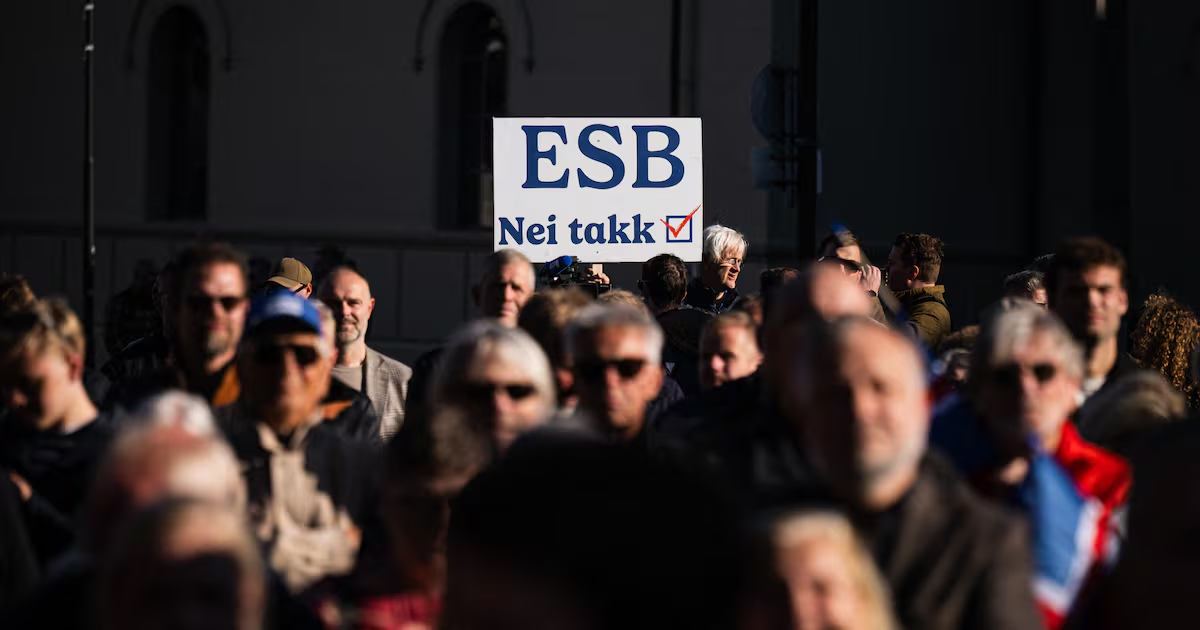
It was, in large part, about fish. Iceland’s narrow rejection of a referendum to reopen EU accession talks was heavily influenced by the fishing industry’s case that the union’s Common Fisheries Policy would undermine sovereign control over the management of the vital fisheries of the island nation.With a strong 82 per cent turnout, voters in rural areas and young people were vital in the rejection of the centre-left government’s wish to reopen the talks. The Government’s proposal was rejected by a majority of 53 to 47 per cent in a vote that had resonances of the UK’s Brexit vote. It will disappoint most EU states, who had seen the potential enlargement as a strategic strengthening and a rebalancing of an accession process dominated by poorer eastern states.US president Donald Trump’s announcement that he would like to annex Greenland had prompted the government to suggest reopening Iceland’s suspended accession talks a year earlier than planned, confident the electorate would wish to seize the opportunity that EU membership could provide a shield against the predatory US. But, as David Cameron found when he disastrously precipitated the Brexit referendum, presuming you know what voters will do is dangerous.Many were unconvinced that EU membership would offer meaningful protection from Trump, not least because Iceland is already a Nato member. Iceland already benefits from EU links as part of the single market, and of both the European Economic Area (EEA) and the Schengen agreement for passport-free travel. Membership of the EU would have brought it into the customs union and eventually the euro, but the government struggled to sell the additional benefits of this step. Accession talks, which closed in 2013 when a eurosceptic government came to power, had already seen it complete parts of the process.Much of its trading relationship with the EU is shaped by the EEA requirement that partner countries , after negotiation, take on board EU rules, but the Common Fisheries Policy is specifically excluded from the treaty’s ambit. Fish amount to some 40 per cent of Icelandic exports and Icelanders worried they would lose control of access to quotas and fishing effort management, while undermining local ownership rules.The No campaign was not persuaded that joining the union would give direct access to EU decision-making on fisheries. Nor were voters convinced by broad hints from Brussels that Iceland would get a specially tailored fish deal.Iceland’s voters balanced the benefits of negotiating full EU membership against retaining their independence and decided to vote No. Brussels will be disappointed and may reflect that the performance of the bloc did not seem to offer enough reasons to voters to swing the decision.
The Irish Times view on Iceland’s referendum: a clear `no’ to Brussels
Voters were not convinced of what they would gain from negotiating full membership
438 words~2 min read