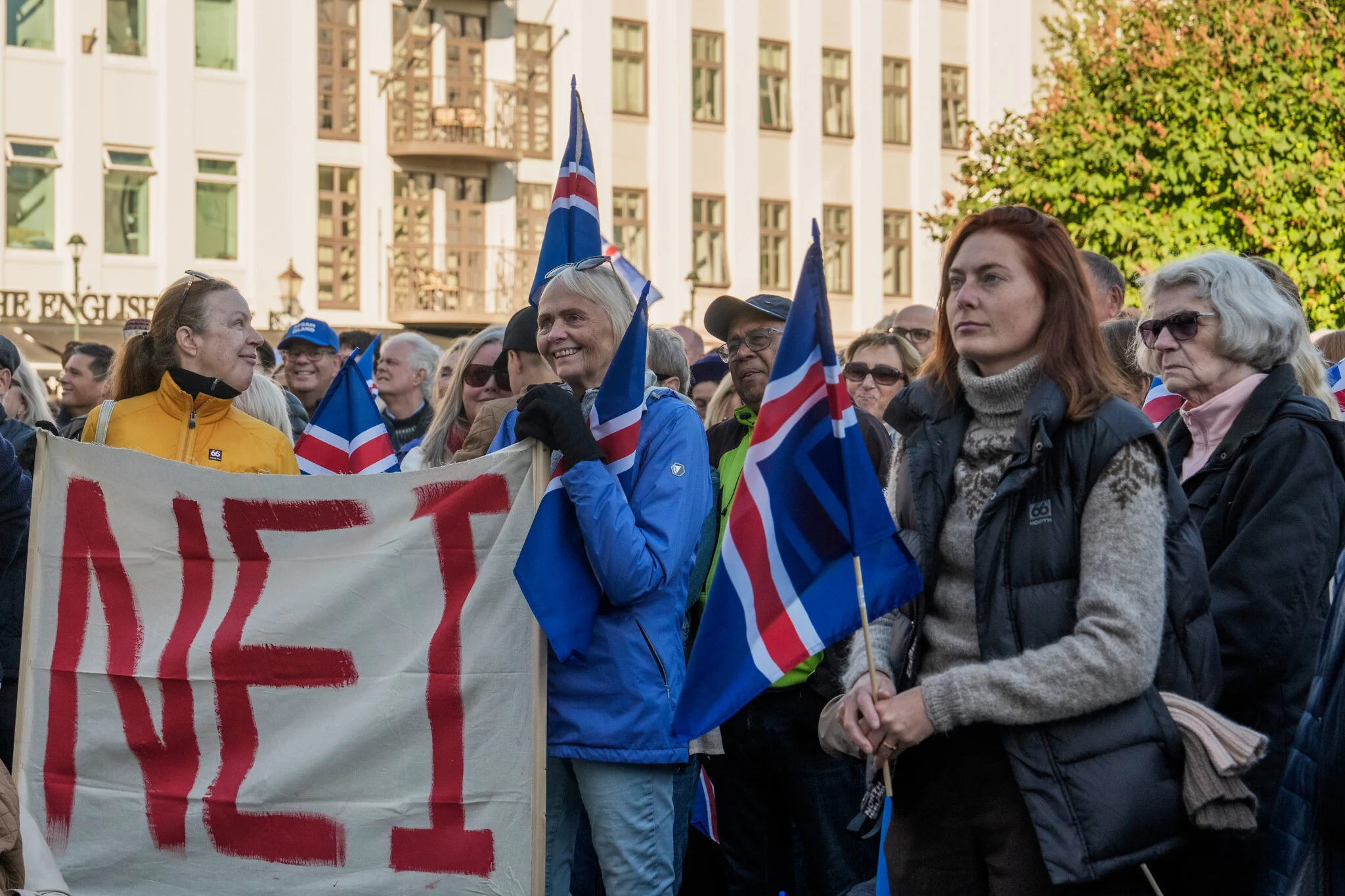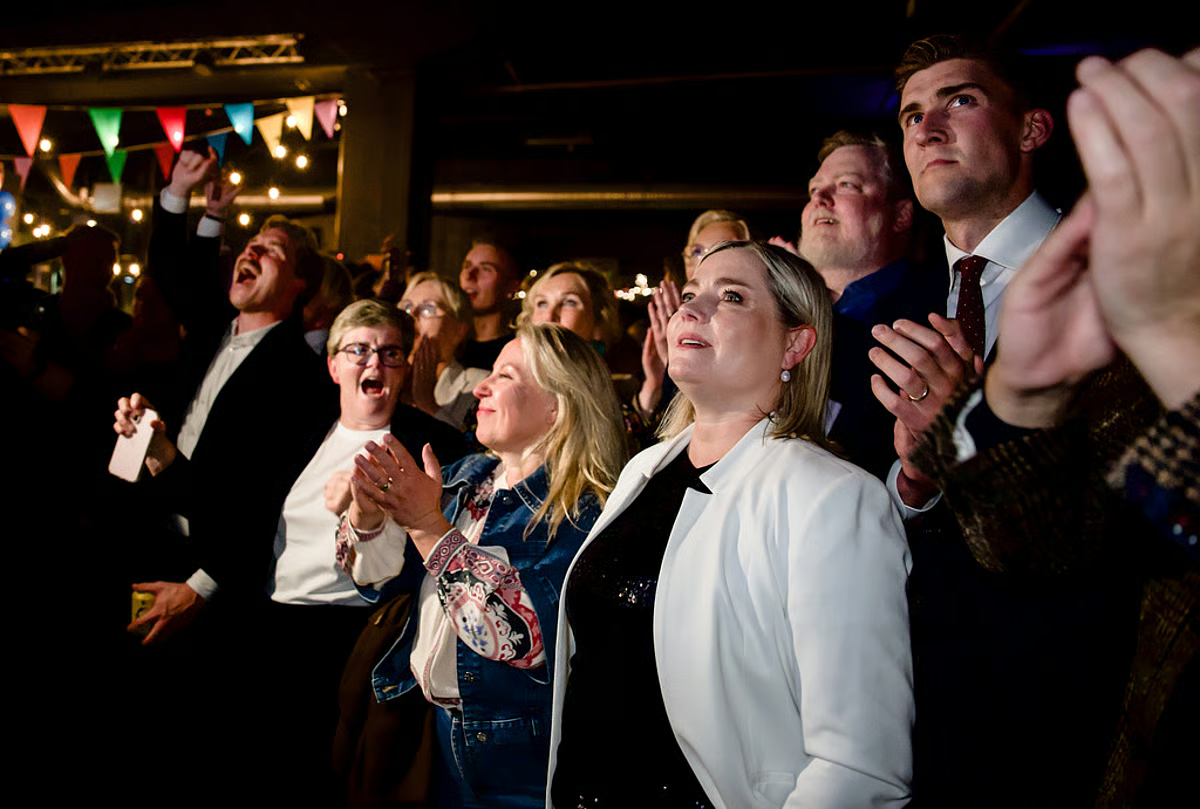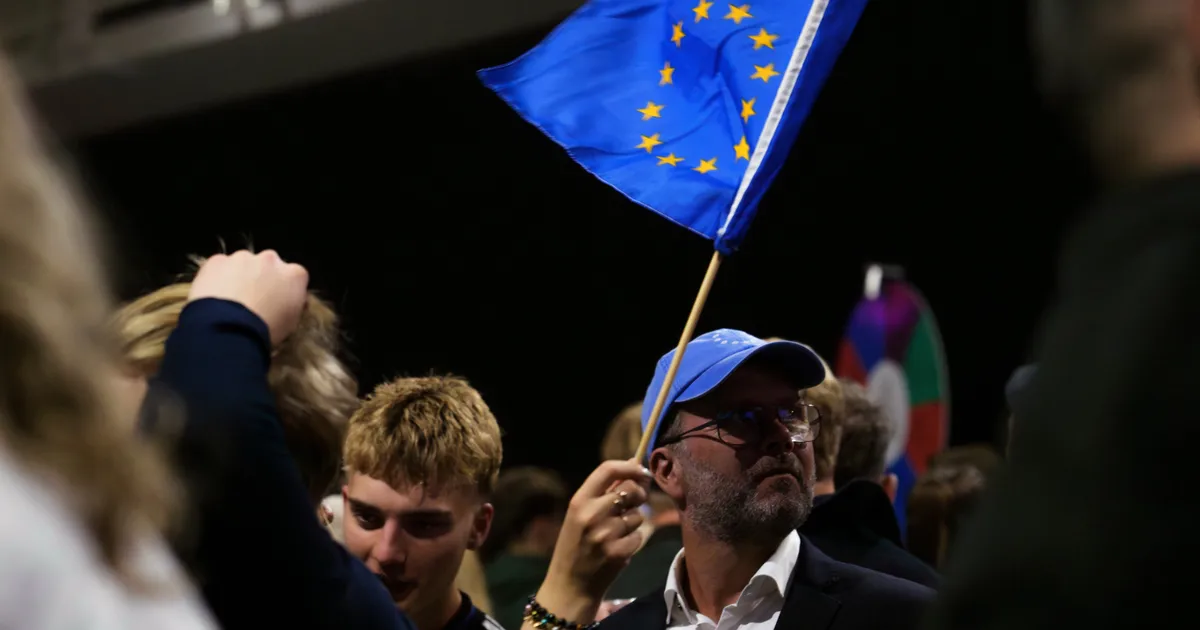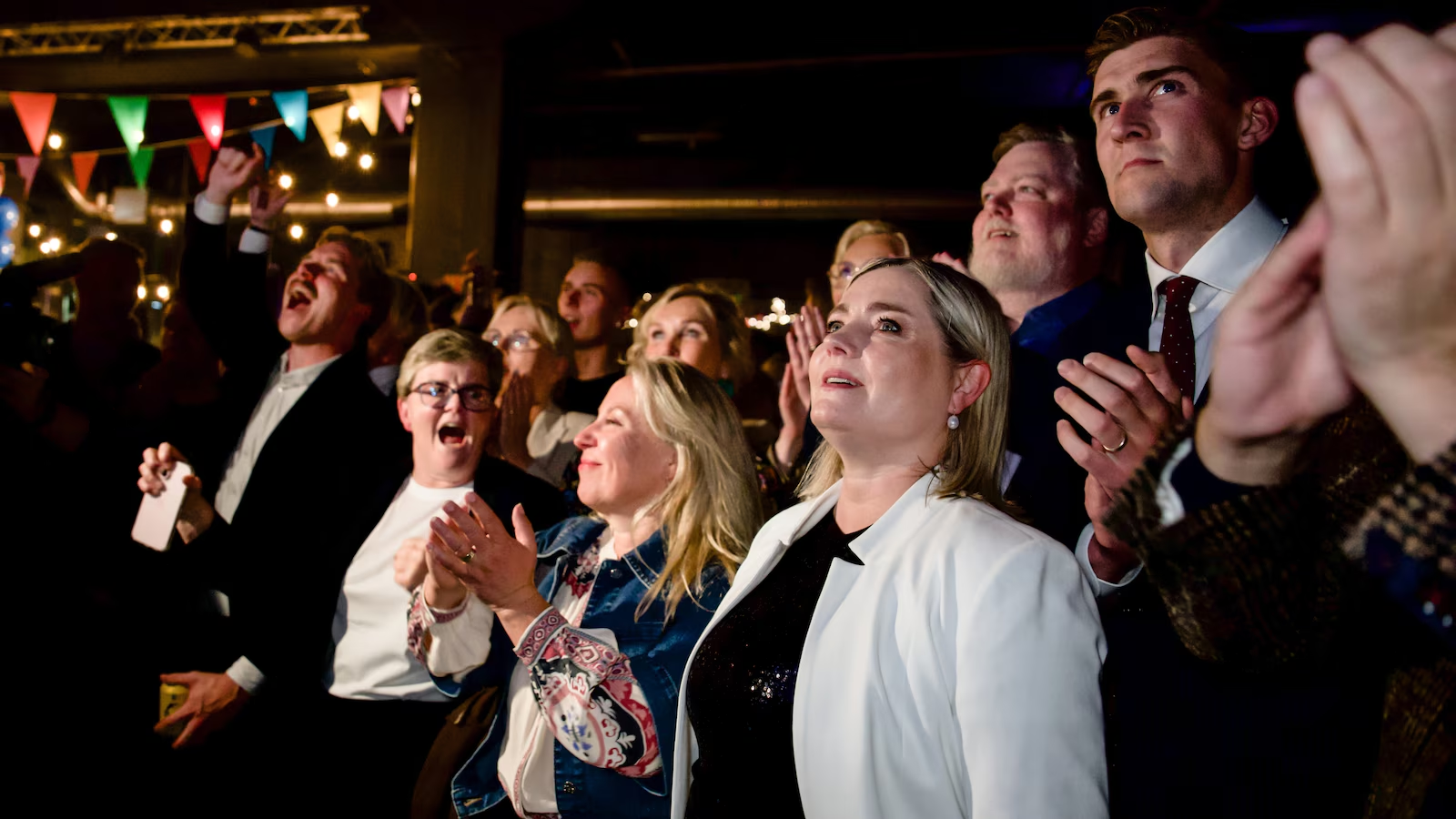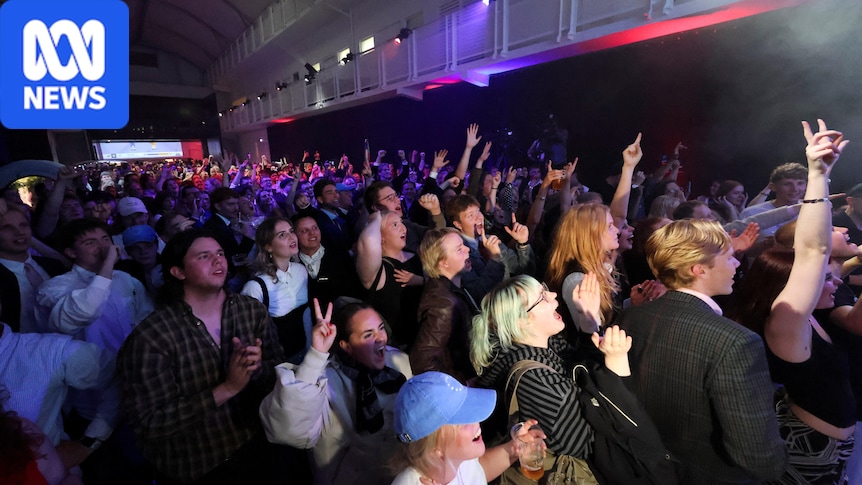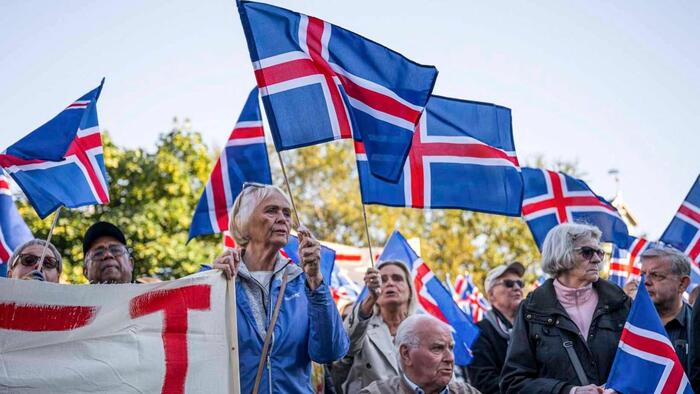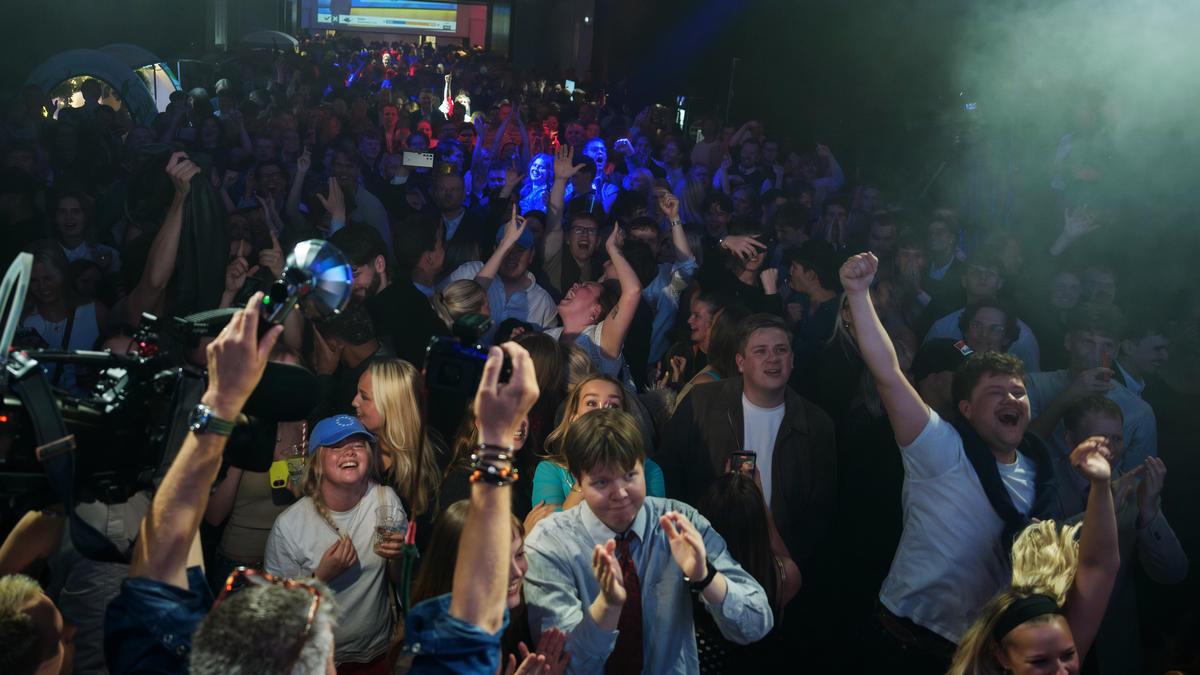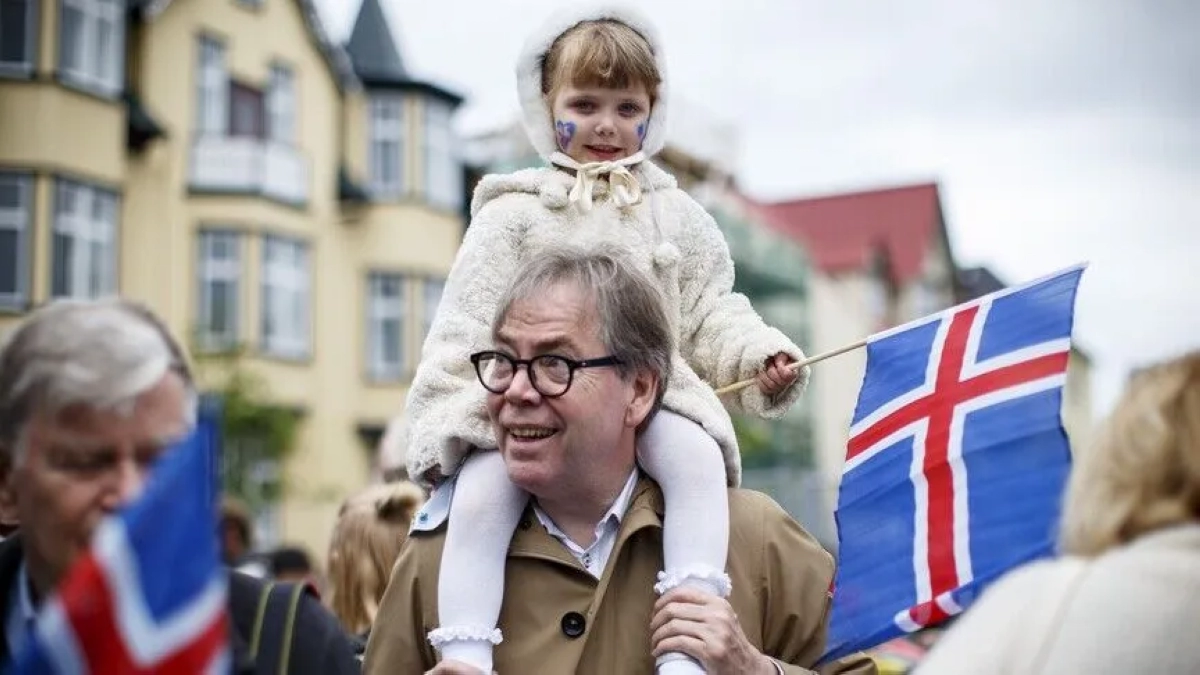
Icelanders reasserted their desire to remain out of the European Union, voting against a referendum that would have initiated negotiations to join the supranational union. Iceland’s National Electoral Commission revealed on Sunday that the measure lost by a 52.8% to 47.2% vote, the Associated Press reported. If Icelanders had voted in the affirmative and supported the referendum, there would still have been no guarantee that the country would have joined the European Union. It would have just meant that the country would restart negotiations, but its fate would have been contingent on those discussions and on another referendum to determine whether to join.
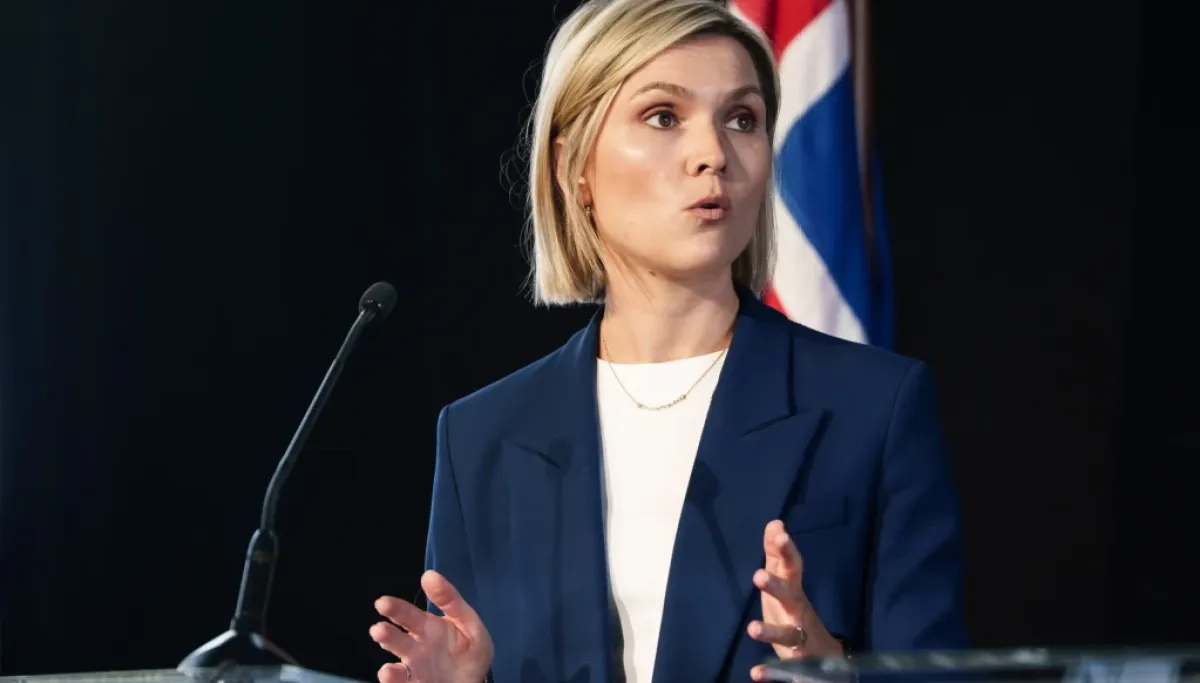
“This is a good day,” said Prime Minister Kristrún Frostadóttir on Saturday before the vote. “We have now reached the point where this is in the hands of the nation. Either we enter these negotiations, seek a good agreement, and then see what happens, or we put the discussion about the European Union aside, at least for the time being.”
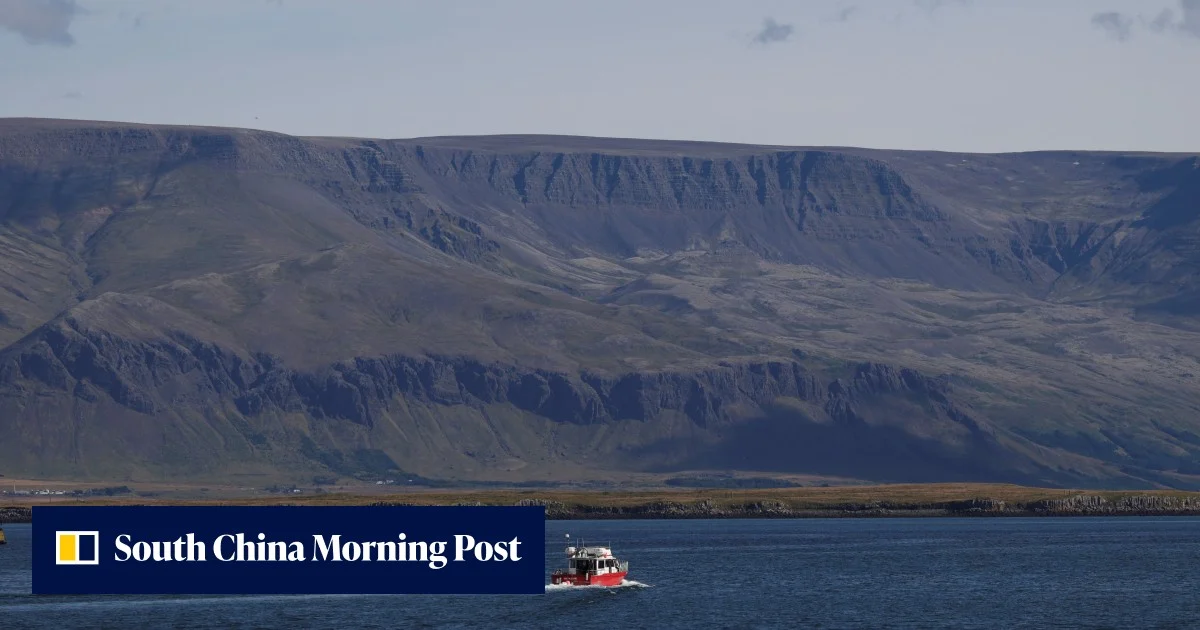
The vote not to join the European Union comes 13 years after its last flirtation with doing so in 2013. After the economic hardships following the 2008 global financial crisis, Icelanders rejected a measure to join the EU, citing sovereignty concerns over the nation’s preeminent export: its fisheries. Discussions to join the EU would lose momentum and eventually fizzle out.Among the reasons believed to be at the core of the vote against joining the EU, in addition to the fisheries concern, was apprehension that the small Nordic island country, with a population of only 400,000, would not be adequately represented and that its concerns would be ignored due to its small size. There was also reported uneasiness about converting the country’s currency from the Icelandic krona to the EU’s euro.IRANIANS HOARD CURRENCIES AND PHYSICAL ASSETS AS BLOCKADE CUTS OFF ALTERNATIVES TO WORTHLESS RIALFrostadóttir touted the election results as a victory for democracy and said she would respect the results, according to the Associated Press. She added that a monumental event would have to occur in the country for her government to revisit this issue. “Things happened in the past couple of years, though, that I could not have predicted,” said Frostadóttir. “But this government will not go forward with it. And something big has to change in the next 24 months for this to be at the top of the agenda.”