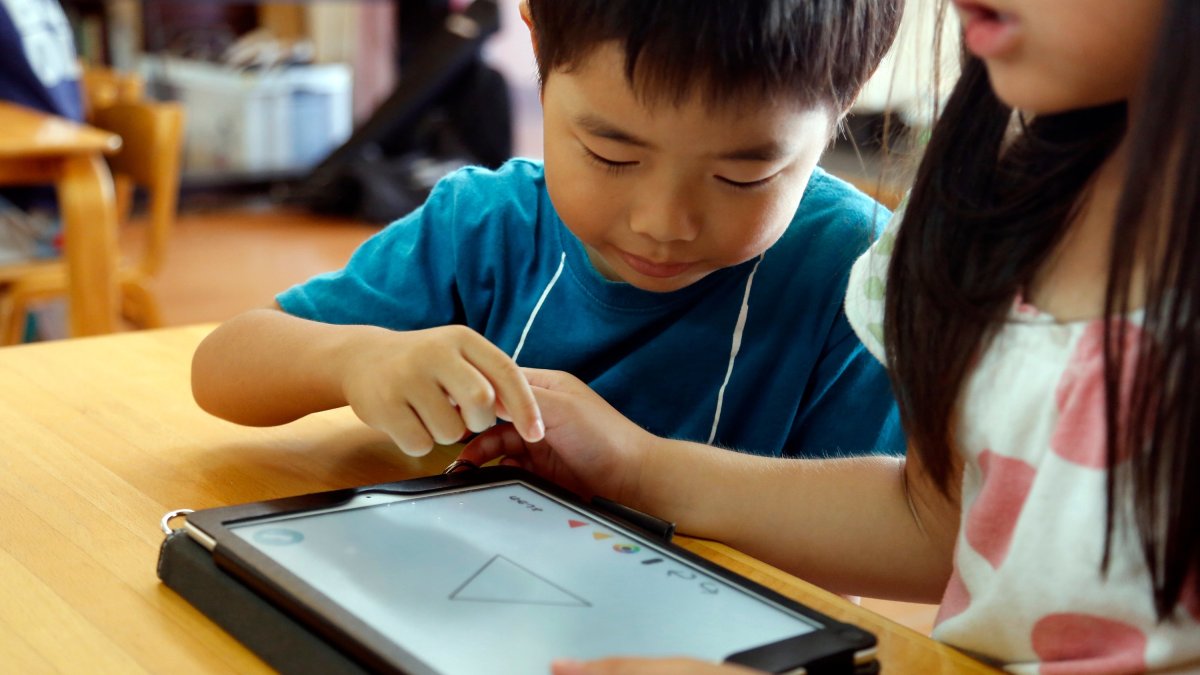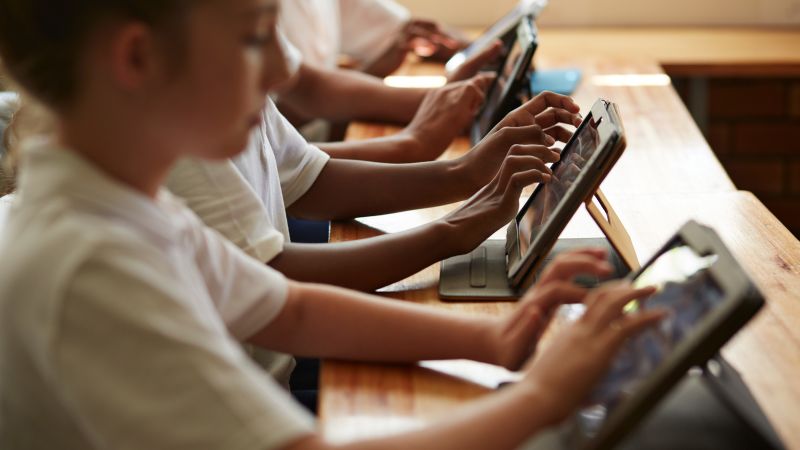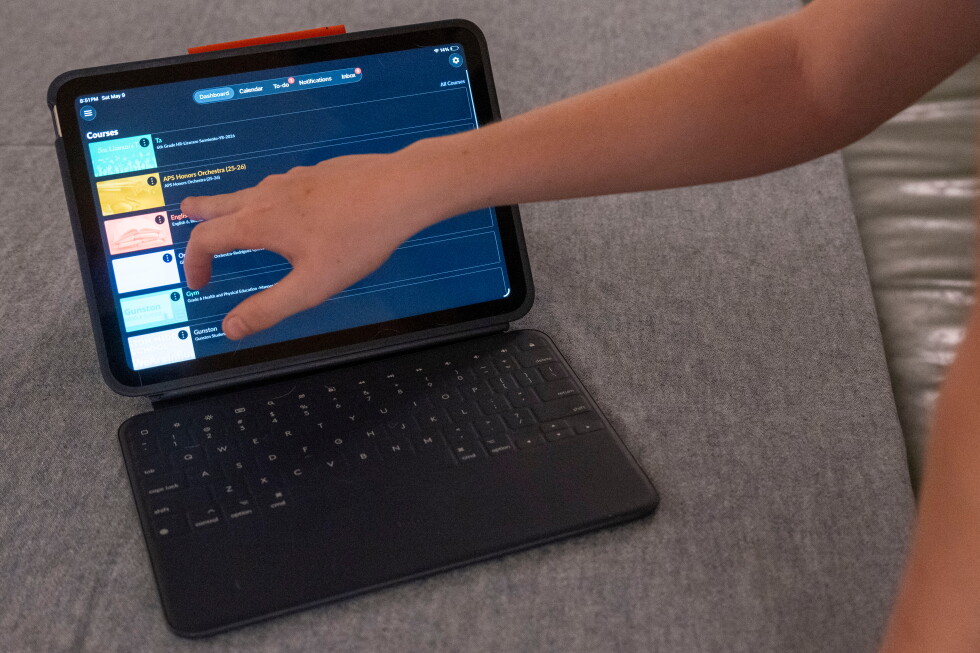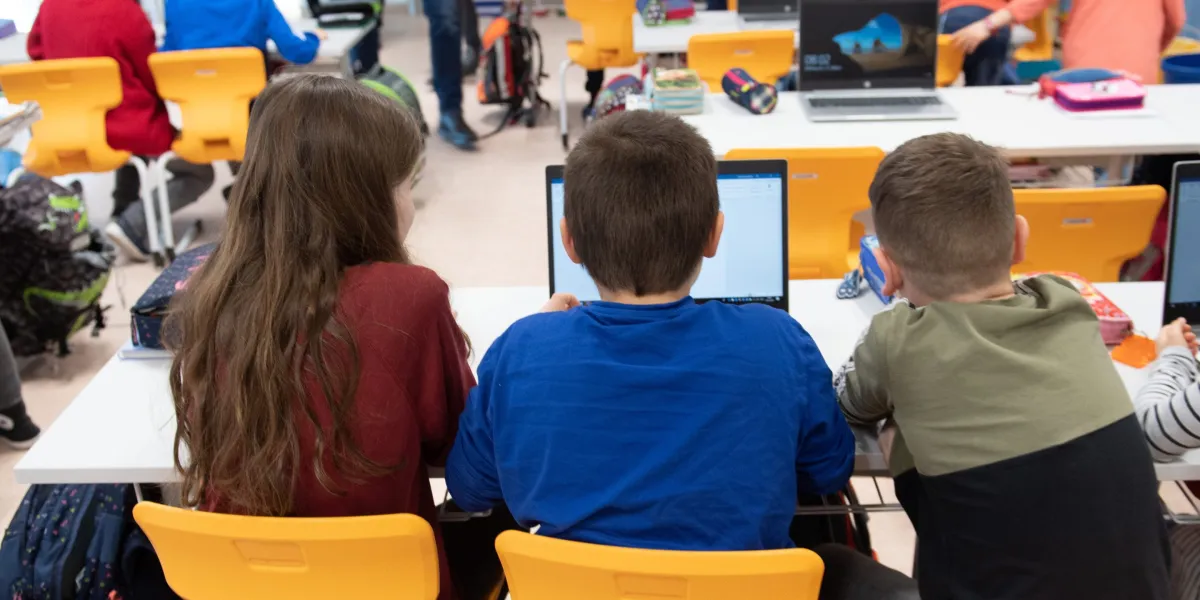
As the new school year begins, the debate over digital versus analog learning rages on, while more school districts reconsider the role of devices in the classroom.
That’s as test scores in math and reading tanked after schools ditched textbooks in favor of screens. But the effect of computers and tablets on education goes beyond the basics of the so-called three R’s.
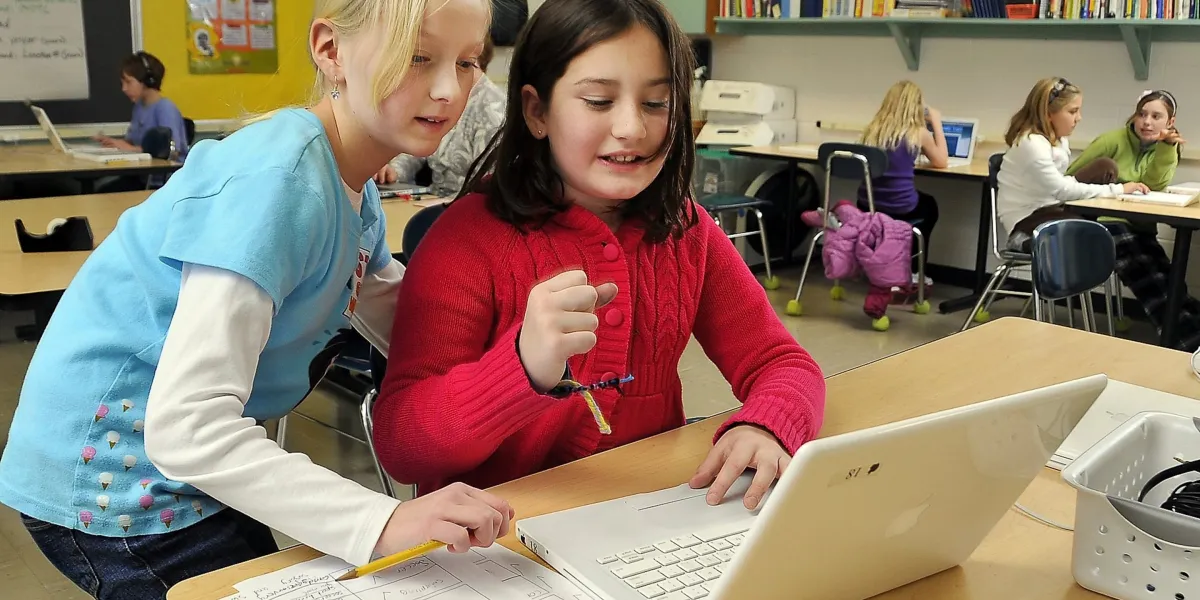
“Elementary school always taught more than reading and mathematics. Children learned how to wait for someone else’s idea to be expressed before sharing their own, to negotiate disagreements and explain their thinking,” University of Pennsylvania Graduate School of Education professor Sarah Schneider Kavanagh and University of Portland School of Education professor Katie A. Danielson wrote in a Washington Post op-ed earlier this month.
Such lessons are actually a critical aspect of growing up, as children’s cognition has been shown to mature via person-to-person interactions, not just from receiving information, they added
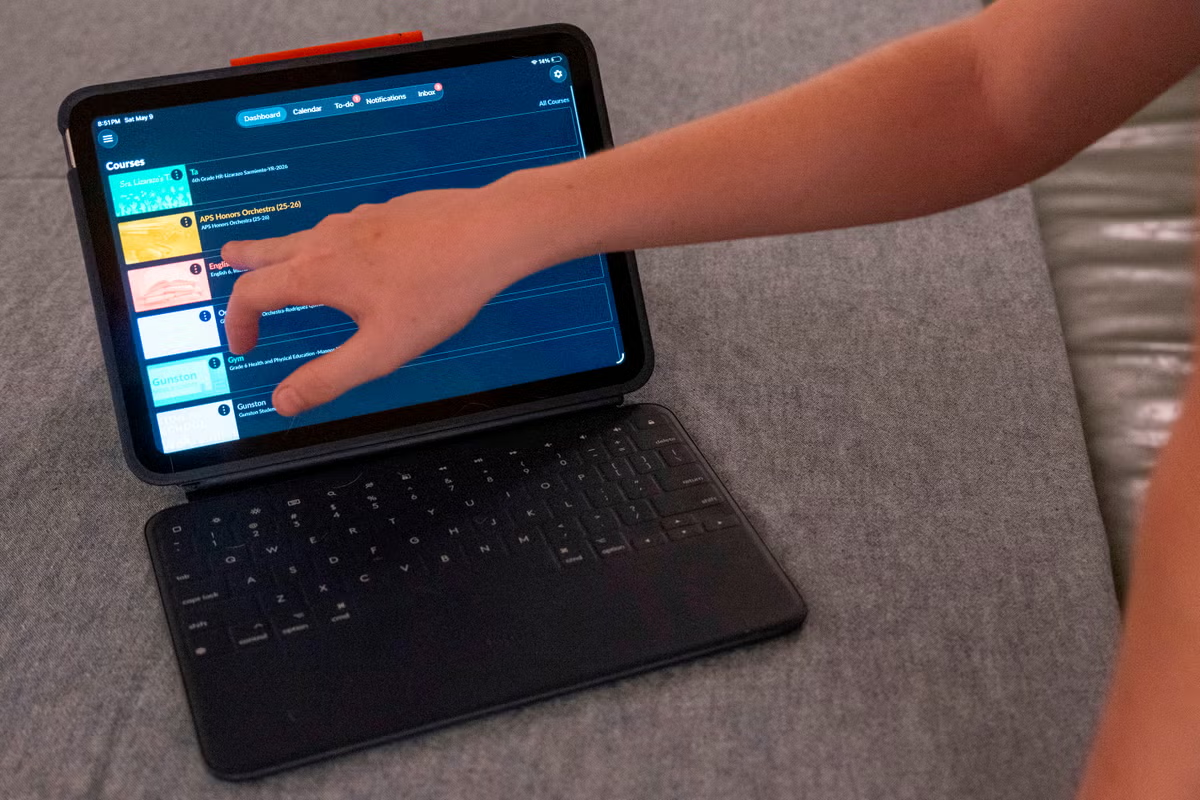
But classroom computers and adaptive software now provide individualized instruction to many students. While that offers benefits, Kavanagh and Danielson warned there are also trade-offs.