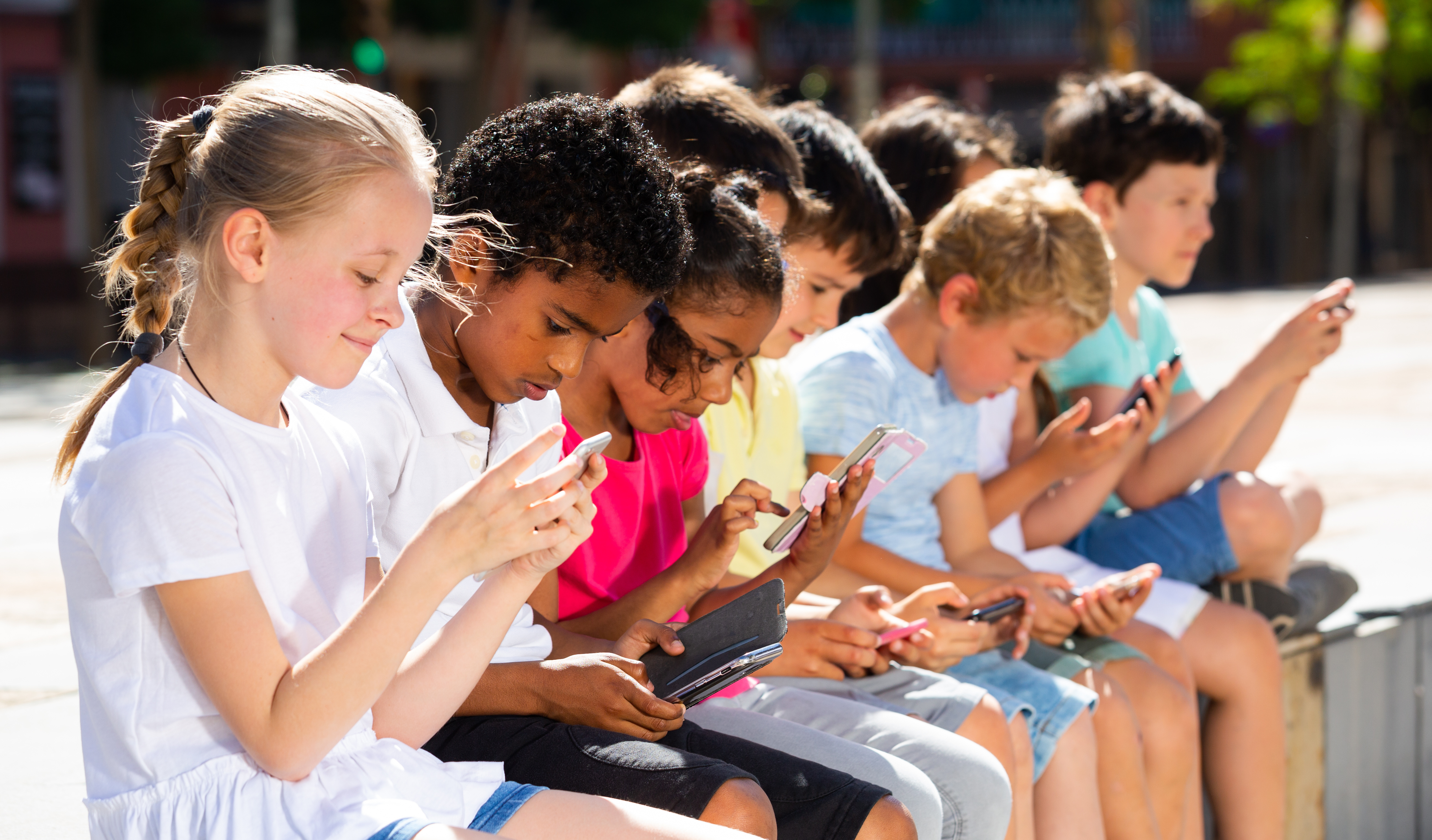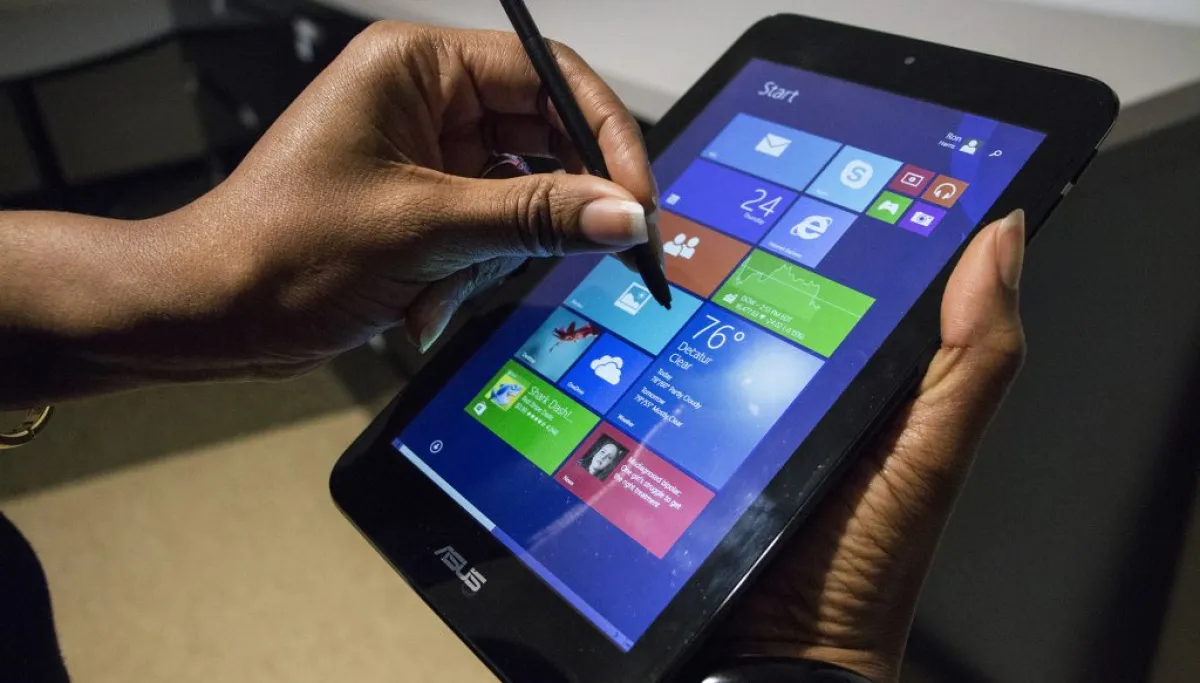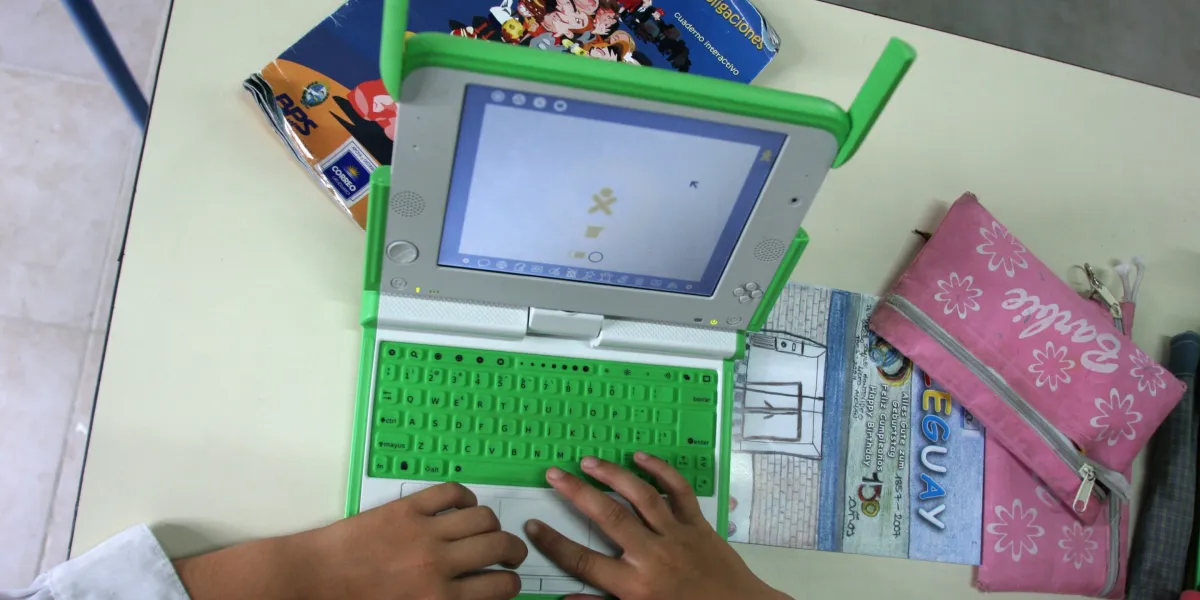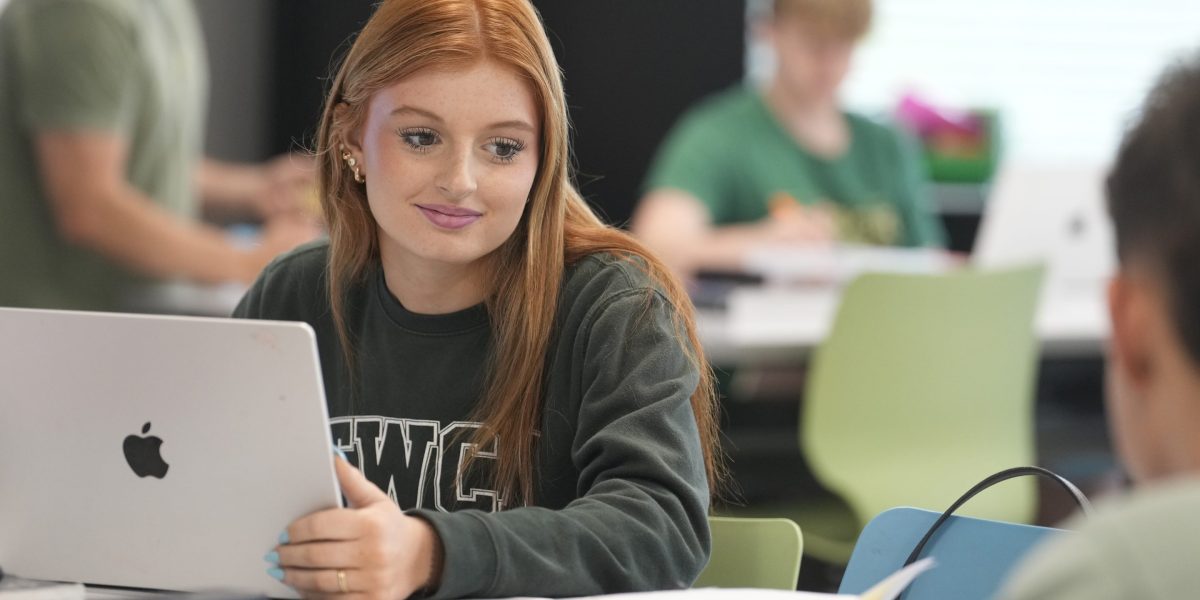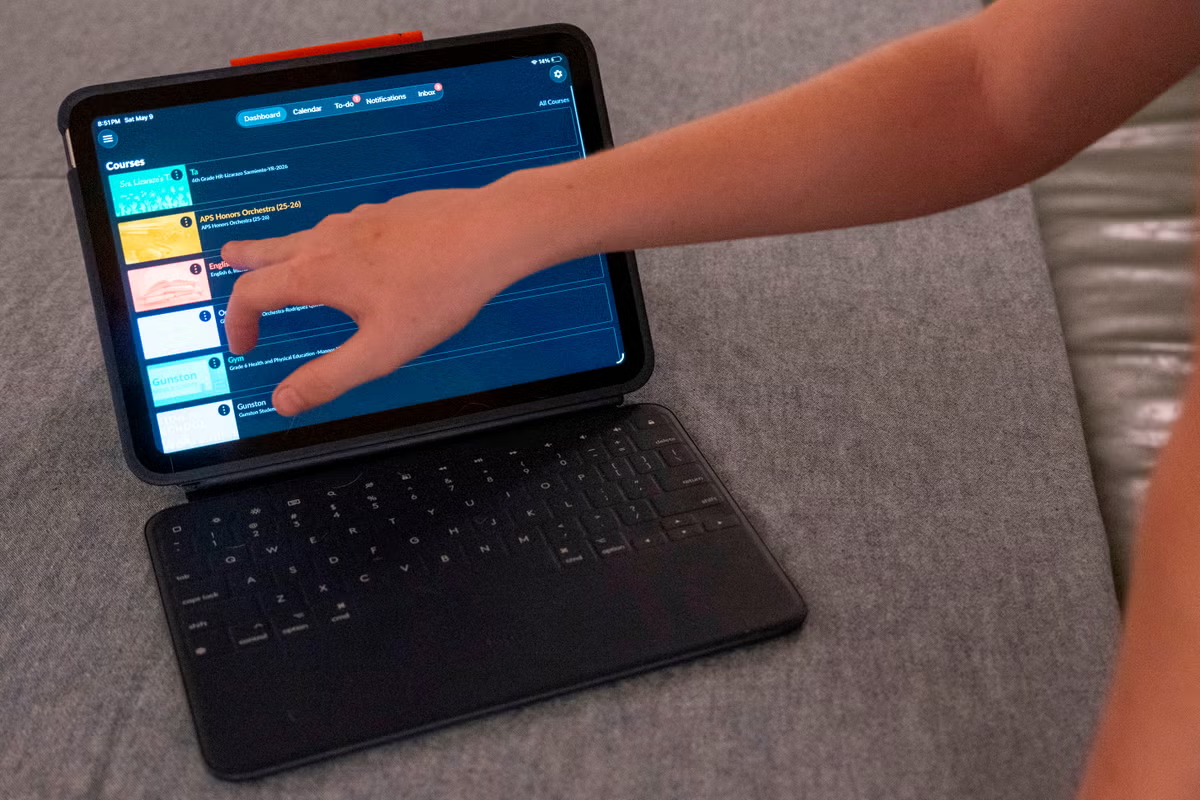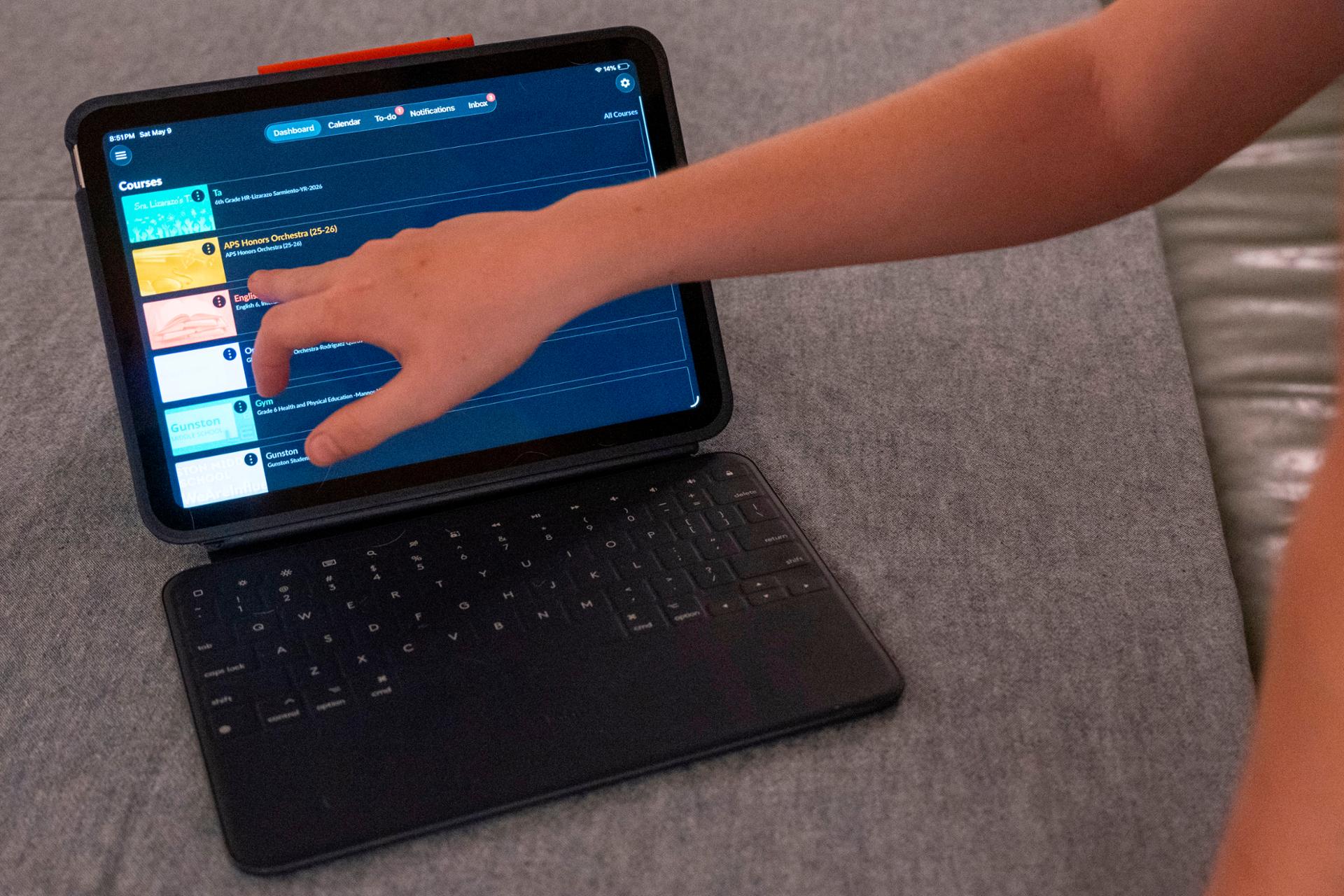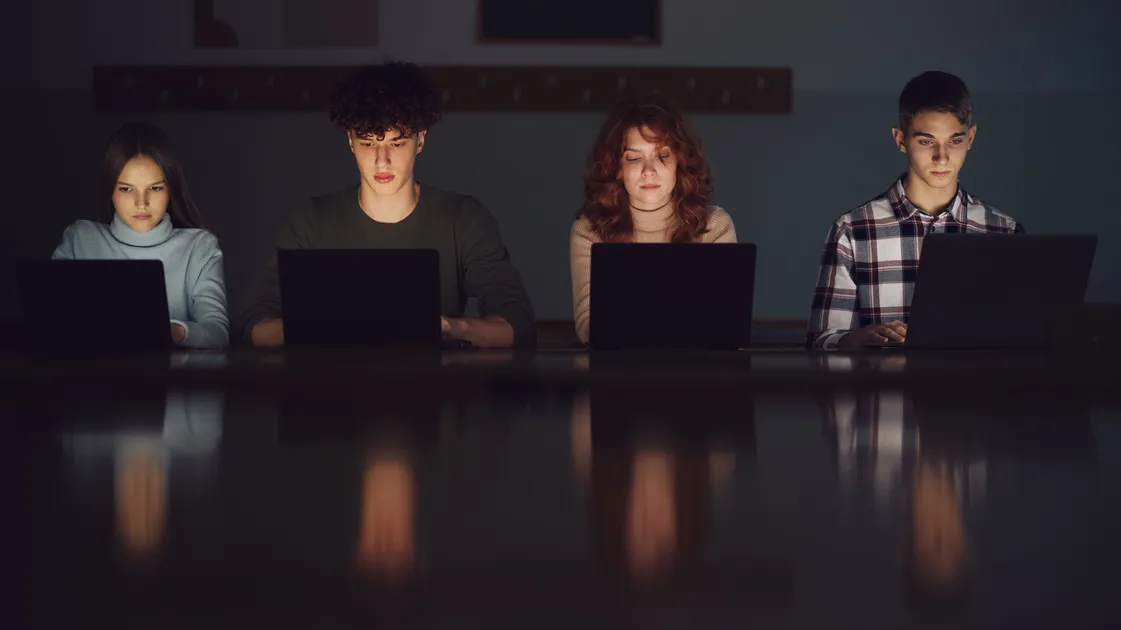
In the age of AI and 24/7 device dependence, you might assume that the overuse of technology — or even just new-fangled educational tools — is a relatively recent problem in K-12 schools. Well, only if you consider 50 years ago to be “recent.” Back in 1975, teachers were agonizing over the introduction of gasp! calculators in math class. The accelerated presence of technology in the classroom over the past half-century has been challenging for educators, to say the least. With the introduction of graphing calculators, desktop computers, the internet, tablets and now generative AI, they’re constantly asking: “Is screen-based learning destroying our children’s education?” The answer, not surprisingly, falls somewhere in the middle — with experts in education warning that screens in school aren’t as much the problem as passively defaulting to them and losing sight of what helps kids really learn.“I think when used intentionally, [screen-based learning] definitely has its benefits,” Sam Campanaro, a mother and former special-education teacher at the elementary level, told HuffPost. Acknowledging that we’ve been a “tech-driven” society for several decades, she underscores the importance of computer literacy for kids.At the same time, she is wary of introducing computer-based learning before kids are actually developmentally ready.Campanaro said that part of the challenge here is that kids need to learn self-regulation skills that help them complete screen-based lessons — but the nature of screens’ effects on kids can “interrupt their own unique natural learning processes” and make it harder to build those skills.skynesher via Getty ImagesThere's no denying that computer proficiency will matter for kids as they grow in our increasingly tech-dependent world, but education experts still recommend these guard rails. There are obvious benefits to screen-based learning when the decisions are intentional.Educators are quick to point out the ways screens actually do benefit their students: From classroom inclusivity and assistive tech giving disabled students ways to express themselves; screen-based learning helping students work at their own pace and new tech offering kids the ability to create things that might not be possible otherwise (like websites, newspapers and yearbooks). Sharing her experiences as a high school journalism teacher and publications adviser, Kirsten Peterson, now a senior project director and strategic business development leader at Educational Development Center in New York, discussed how her students learned the nuts and bolts of publishing through both digital and analog tasks. Yes, they used computers to produce their publications, but they also developed photographs in a darkroom and sold advertising space by building relationships with local businesses. Ultimately, the learning experience wasn’t a classroom full of iPad kids staring at blue light all day; instead, “the learning was social, creative, physical, intellectual, and deeply relational — and it involved plenty of screen-based learning,” Peterson said. And, when implemented well, learning to use the tech available can be transformative for kids who will inevitably grow up in a high-tech world. As Chrystine Mitchell, director of early childhood education operations at ChildCare Education Institute observed: Students can “shift from being passive consumers of technology to becoming active producers” and cultivate a better understanding of and relationship with the tech they use every day.Things do get freaky when screens replace hands-on learning, though.The real concern over computer-focused classrooms, according to the experts HuffPost spoke with, was when educators substitute screens for hands-on learning experiences — something that became a nasty side effect of COVID-era virtual schooling.Mitchell said “concrete” learning experiences that involve physical materials and “the rich oral language that develops when students think and problem-solve together” can easily get lost when screen-based learning becomes the default. “When students are heads-down in their devices, there’s a real opportunity cost: the conversations, the collaborative sense-making, the building on one another’s ideas, which gets crowded out,” she continued. Peterson’s take is not dissimilar: “Screens can be powerful learning tools when they serve a clear purpose,” she said. “My concern is when screens move from being one tool to being the default tool.”“Before we hand them a tool that thinks alongside them, we need to give their brains the chance to struggle, wonder and work things out independently. That capacity doesn't develop on its own; it has to be practiced.- Chrystine Mitchell, director of early childhood education operations at ChildCare Education Institute in AtlantaIronically, it might also be tech fatigue — which Peterson is hearing about a lot from other educators — that drives classrooms back to a more balanced learning style. “I think if students learn in only one mode, their cognitive range narrows,” she said. “It’s just like with strength training — if you only work your legs, you won’t have strong arms! Variety builds resilience.”And, unsurprisingly, the educators have some thoughts on AI.Mitchell believes AI can and should exist in schools, but she emphasizes that it must be used purposefully — especially because it’s all too easy for students to fall into the over-reliance trap. It’s also important for that firm, critical thinking foundation to be built without Chat butting in too hearly.“Before we hand them a tool that thinks alongside them, we need to give their brains the chance to struggle, wonder and work things out independently,” she said. “That capacity doesn’t develop on its own; it has to be practiced.”If screens are already the dominant mode of engagement, this means “we are not giving students the opportunity to think for themselves first,” Mitchell said. Cavan Images via Getty ImagesIt takes a good deal of intentional use — and mindfulness of "passive screen time outside of school" — to effectively integrate screens in school without missing out on other educational opportunities. The value of the face-to-face skills still cannot be oversold. In 2026, eliminating computers and other digital tools from classrooms just isn’t practical. But educators still want us to be mindful of technology’s long-term effects. Since the tech itself isn’t always reliable, Campanaro said “it’s important that students learn other ways to engage with topics and explore their creativity and unique learning processes beyond a screen.”Peterson expands on this idea, sharing that she worries less about the screens themselves and “more about what might be displaced” by such heavy digital usage. She warns that students who receive the majority of their education through a screen can risk losing critical learning skills like deep reading stamina, sustained focus and complex in-person collaboration experience. In addition, increased screen use results in missed opportunities for “spontaneous face-to-face interactions that are essential for social and emotional development,” she said.The potential loss of those face-to-face interactions is Mitchell’s primary concern, because it erodes opportunities for students to learn from one another.““When screens become the dominant mode of engagement, we risk replacing the energy and color of those environments with something far more passive and isolated. That has real implications for student motivation, belonging and long-term love of learning.”- Chrystine Mitchell, director of early childhood education operations at ChildCare Education Institute in Atlanta“The ‘turn and talk’ moment in a classroom isn’t a throwaway activity,” Mitchell explained, “it’s a carefully intentional practice rooted in how we know learning works. When students articulate their thinking aloud, they crystallize it. When they hear a peer’s perspective, they stretch it. We build knowledge by borrowing ideas, encountering different viewpoints and making new thinking our own.” Heavy screen use subtly removes those opportunities, causing students to learn more in isolation and lose those crucial social learning benefits. “Over time, that can reinforce narrow thinking and limit the kind of intellectual flexibility we want young people to develop,” Mitchell said.But the most unsettling long-term effect she raises is that overreliance on screens can slowly suck the joy of learning out of the classroom. If students are spending most of the school day glued to a screen, what was once a warm, engaging learning environment is now a sterile, soulless one. “Classrooms should be vibrant, collaborative and, yes, a little messy,” Mitchell said. “When screens become the dominant mode of engagement, we risk replacing the energy and color of those environments with something far more passive and isolated. That has real implications for student motivation, belonging and long-term love of learning.” A balance between tech and effective IRL learning is possible. Ideally, a productive, nurturing classroom includes that healthy balance of digital and analog learning tools, our experts agree. Neither side needs to be fully tossed out to embrace the other. “I believe that technology is most powerful when it augments and/or expands access and connection,” Peterson said, cautioning against discarding the traditional learning methods like reading print books, writing by hand or in-person collaboration. “Technology should expand what’s possible in a classroom, not quietly replace what was already working,” Mitchell adds. “The technology we have available to students today is genuinely remarkable. The opportunities it creates, when used with intention and purpose, can meaningfully enhance learning in ways that weren’t possible before.” These advancements lose their power, however, when they’re not balanced with the traditional, decades-old educational approaches that work: Ensuring that students are engaged, communicating, problem-solving, thinking critically and even moving their bodies as they learn. Campanaro notes that there are real benefits to going back-to-basics, too —especially if you’re already worried about your child’s screen time.Any opportunity to use pen, pencil, paper and printed textbooks “will automatically help to mitigate any negative effects of screen-heavy use,” she said.“The goal is a learning culture that draws on every tool available,” Mitchell agrees, “and sometimes the most powerful tools in the room are still a crayon, a pair of scissors and a glue stick.”
What Education Experts REALLY Think About All the Screens In Schools
With tech tools becoming more and more ubiquitous in classrooms, this is what educators need you to know.
1,582 words~7 min read