At the turn of the century, educational technology initiatives put laptop keyboards at the fingertips of U.S. schoolchildren. Now, 25 years later, the next generation of students have turned to AI—and education experts warn unrestricted use of the technology could atrophy critical thinking skills.
AI use among students has become ubiquitous following the 2022 release of ChatGPT. More than half of teenagers are using the technology for schoolwork, a Pew Research Center report released last month found. Of the nearly 1,500 parents and teens interviewed for the survey, 57% of teen students use AI to search information, and 54% use it for schoolwork.
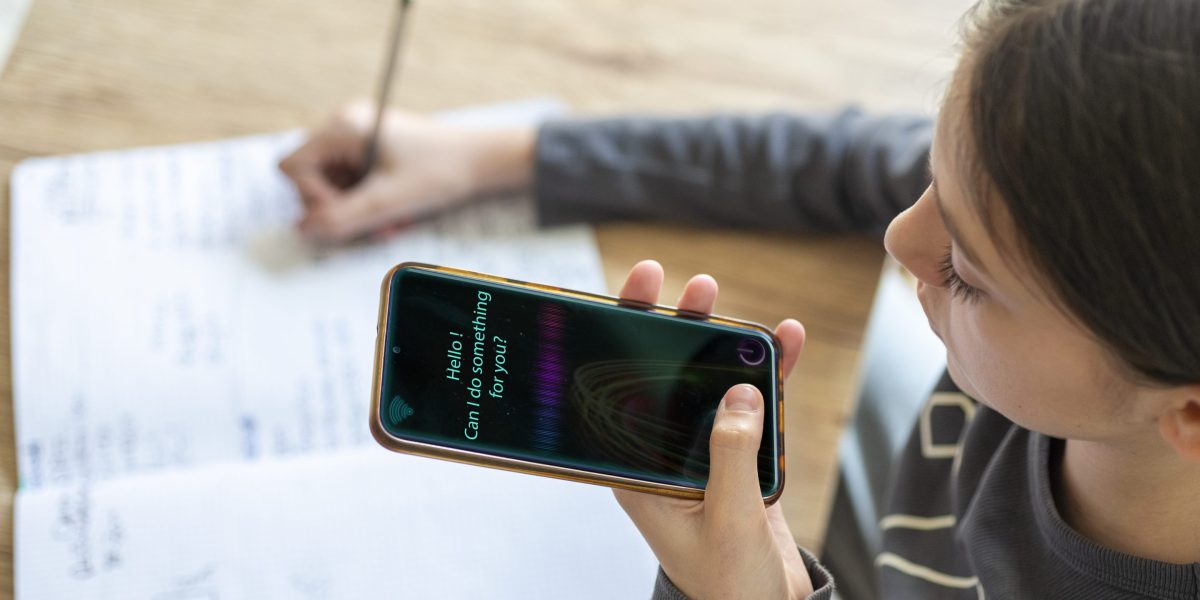
While access to AI chatbots makes homework as easy as plugging a question into one’s phone, the frictionless retrieval of information using AI has raised concerns among educators: Rather than aid in learning, could AI actually hinder the process?
A Brookings Institute study published in January laid bare anxieties around the potential harms of AI in the classroom. Analyzing data from interviews and focus groups with more than 500 educators, parents, and students across 50 countries, as well as from more than 400 studies, the researchers found at this point, “risks of utilizing generative AI in children’s education overshadow its benefits.”