In 2023, when Christian Terwiesch, a Wharton School professor, asked ChatGPT to explain an industrial bottleneck concept, he gave its response an A+. “Not only is the answer correct, but it is also superbly explained,” he wrote in a paper on his experiment.
Since then, generative AI’s growth in terms of capabilities and numbers of users has left schools, particularly those offering online MBAs, worrying about the potential for a tidal wave of cheating. “The student population is faced with a choice they’ve always had,” says Megan Leroy, assistant dean at University of Florida’s Warrington College of Business. “But it’s now easier to make the wrong one.”
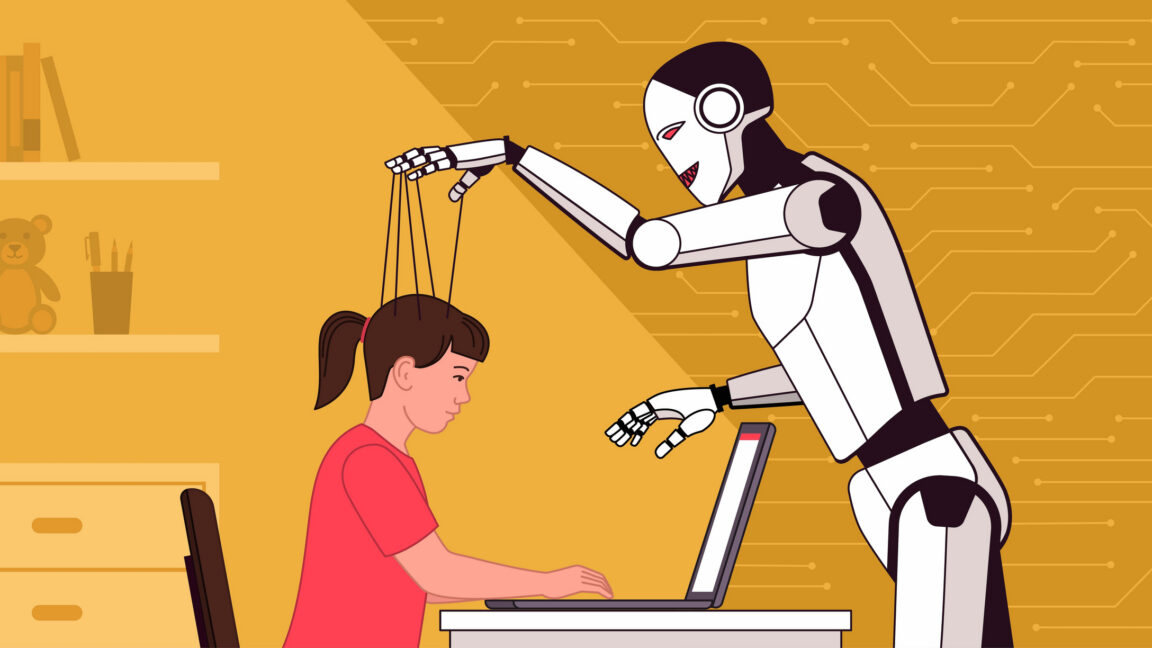
Daniel Pearson, director of academic environment at Warwick Business School, says that AI will not only create slide decks and analyse company reports, but it can write essays using the student’s tone of voice. “It will probably advise you that cheating is bad. But it will enable that, if that’s what you want to do.”
For business schools, this revolution in the use of technology raises many questions. What is appropriate use of AI, and what is not? How can schools detect cheating, and what should they do when they encounter it?
The biggest challenge is assessing the size of the problem. Australia’s AGSM is looking at results as one possible indicator of misconduct. “Our thinking is that if students are using AI to get better grades, we’d see grade inflation,” says Michele Roberts, head of school at the AGSM and associate dean at UNSW Business School, of which AGSM is part. “But our grades are not going up.”