In the 1980s and 1990s, if a high school student was down on their luck, short on time, and looking for an easy way out, cheating took real effort. You had a few different routes. You could beg your smart older sibling to do the work for you, or, a la Back to School (1989), you could even hire a professional writer. You could enlist a daring friend to find the answer key to the homework on the teachers’ desk. Or, you had the classic excuses to demur: my dog ate my homework, and the like.
The advent of the internet made things easier, but not effortless. Sites like CliffNotes and LitCharts let students skim summaries when they skipped the reading. Homework-help platforms such as GradeSaver or CourseHero offered solutions to common math textbook problems.
The thing that all these strategies had in common was effort: there was a cost to not doing your work. Sometimes it was more work to cheat than it was just to have done the work yourself.
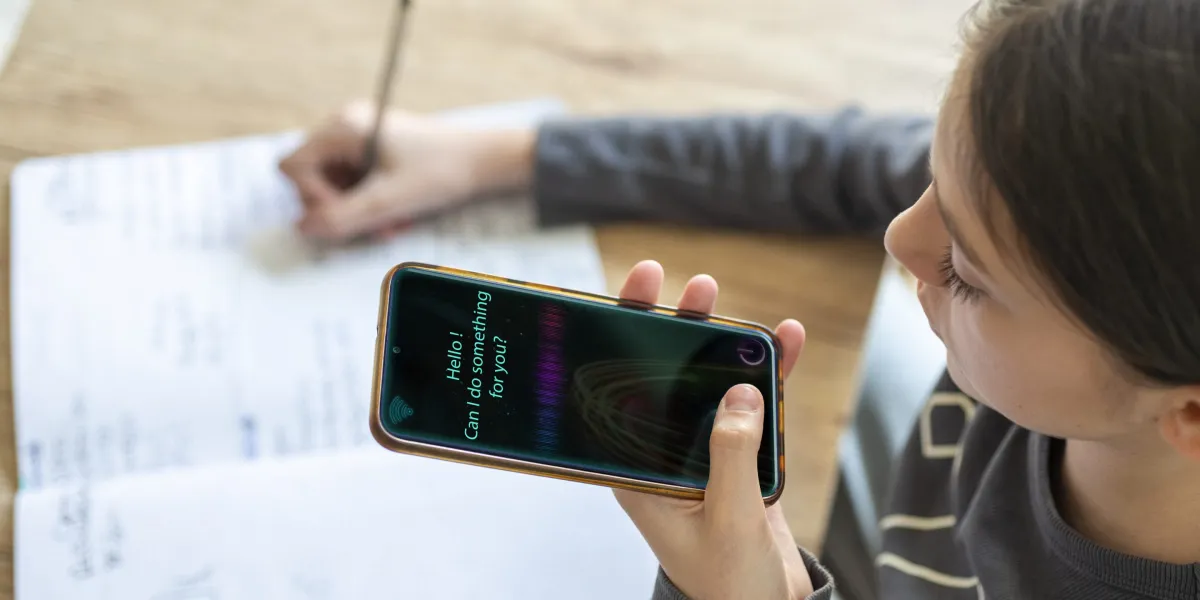
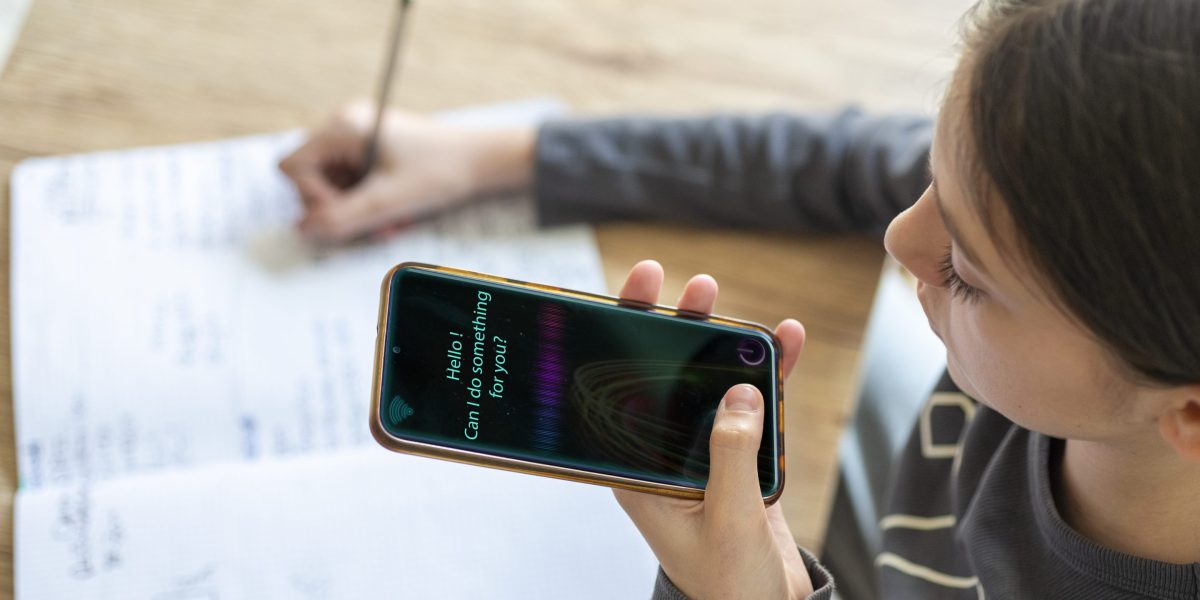
Today, the process has collapsed into three steps: log on to ChatGPT or a similar platform, paste the prompt, get the answer.
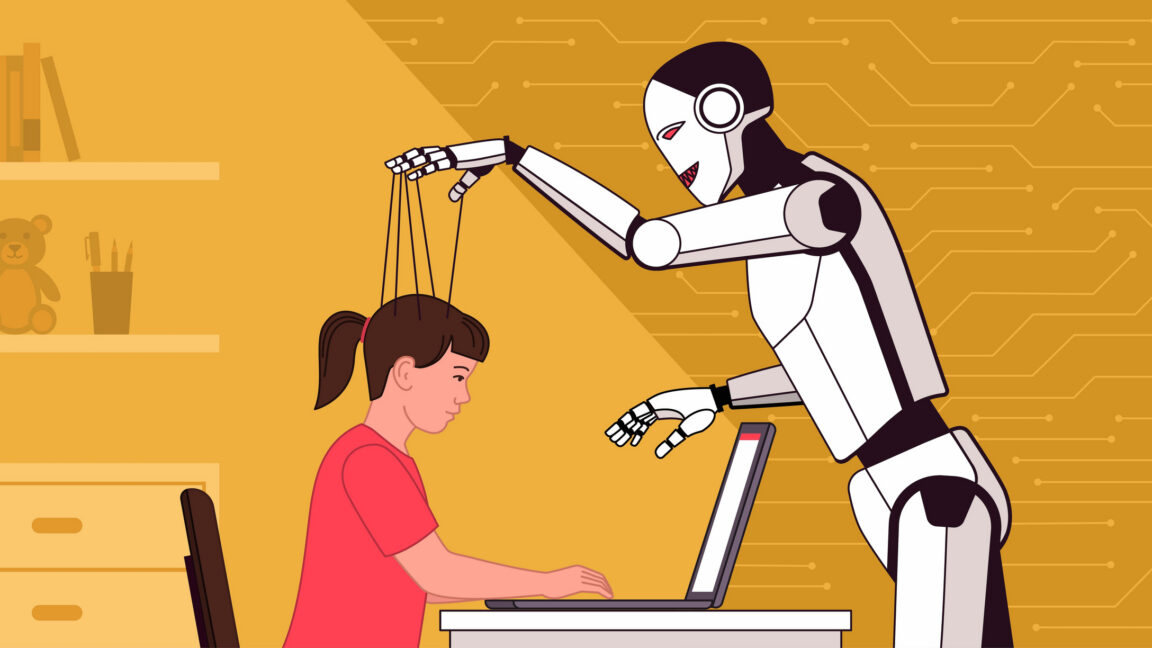
Experts, parents and educators have spent the past three years worrying that AI made cheating too easy. A massive Brookings report released Wednesday suggests they weren’t worried enough: The deeper problem, the report argues, is that AI is so good at cheating that its causing a “great unwiring” of their brains.