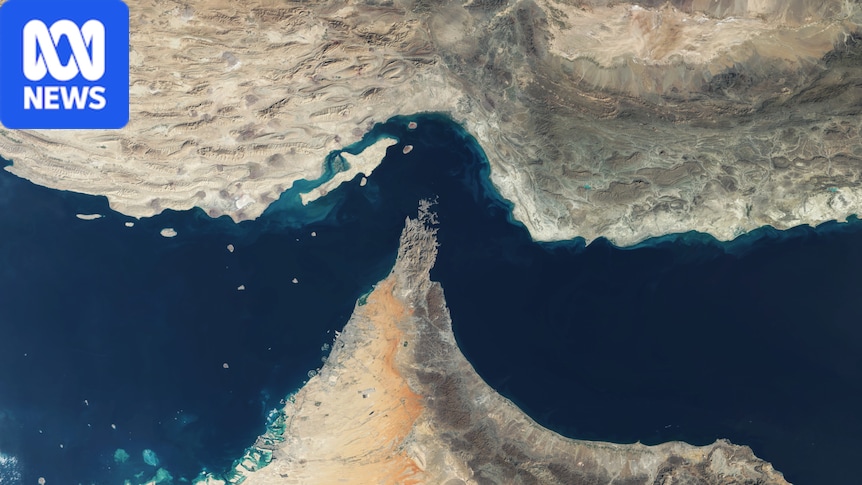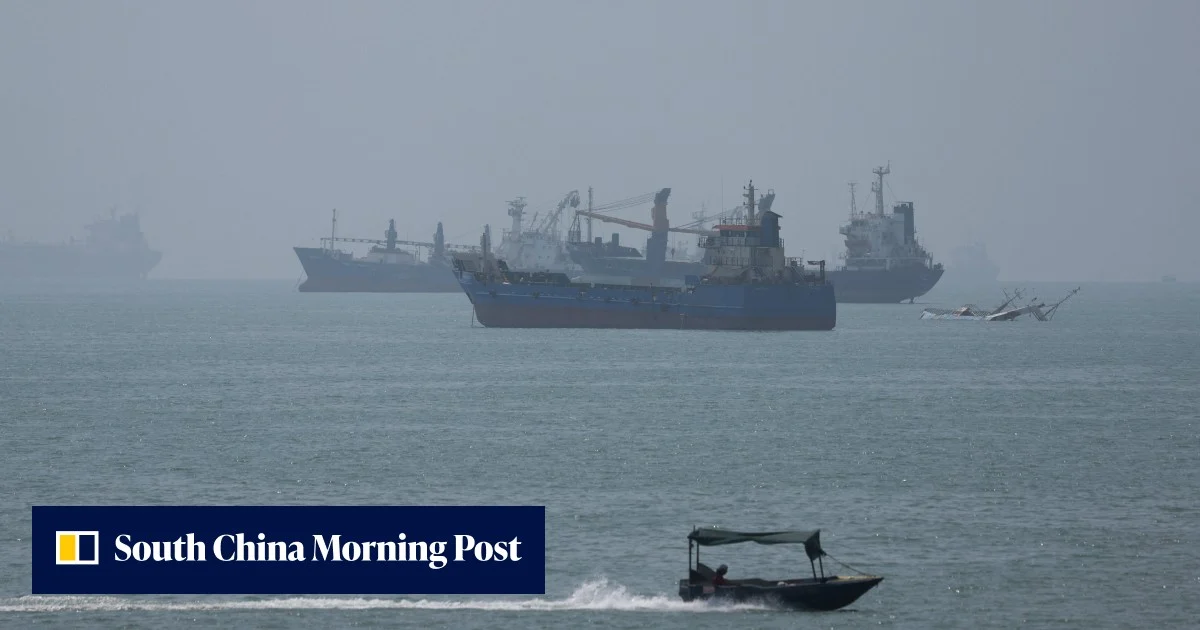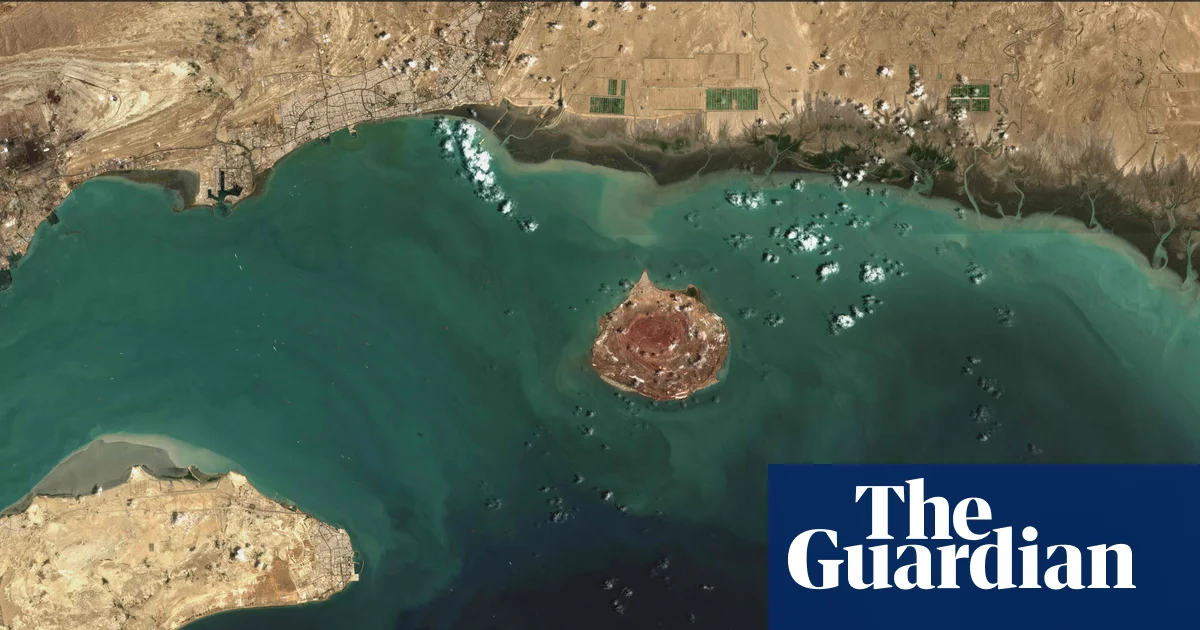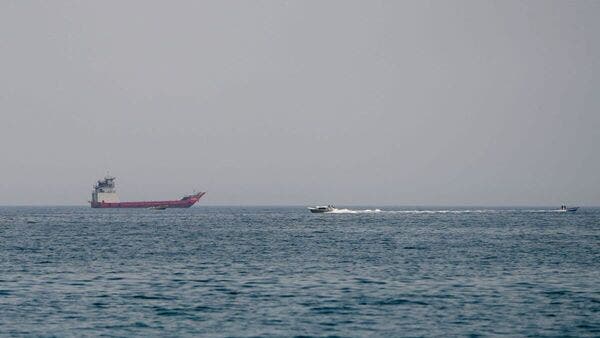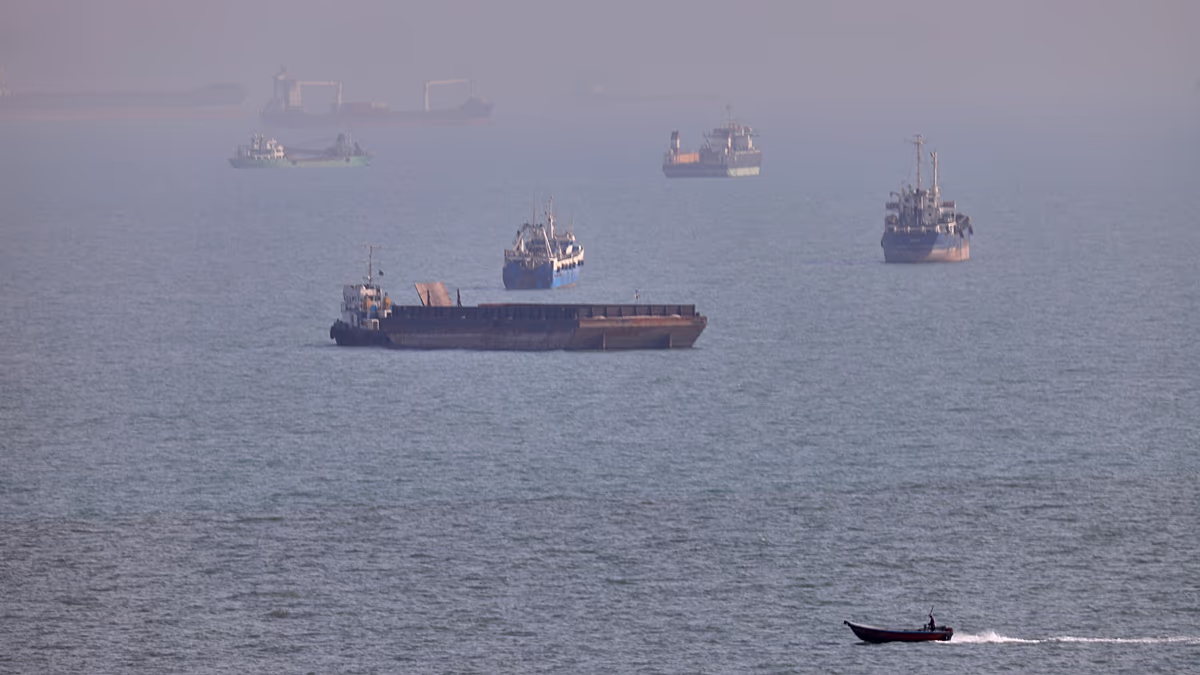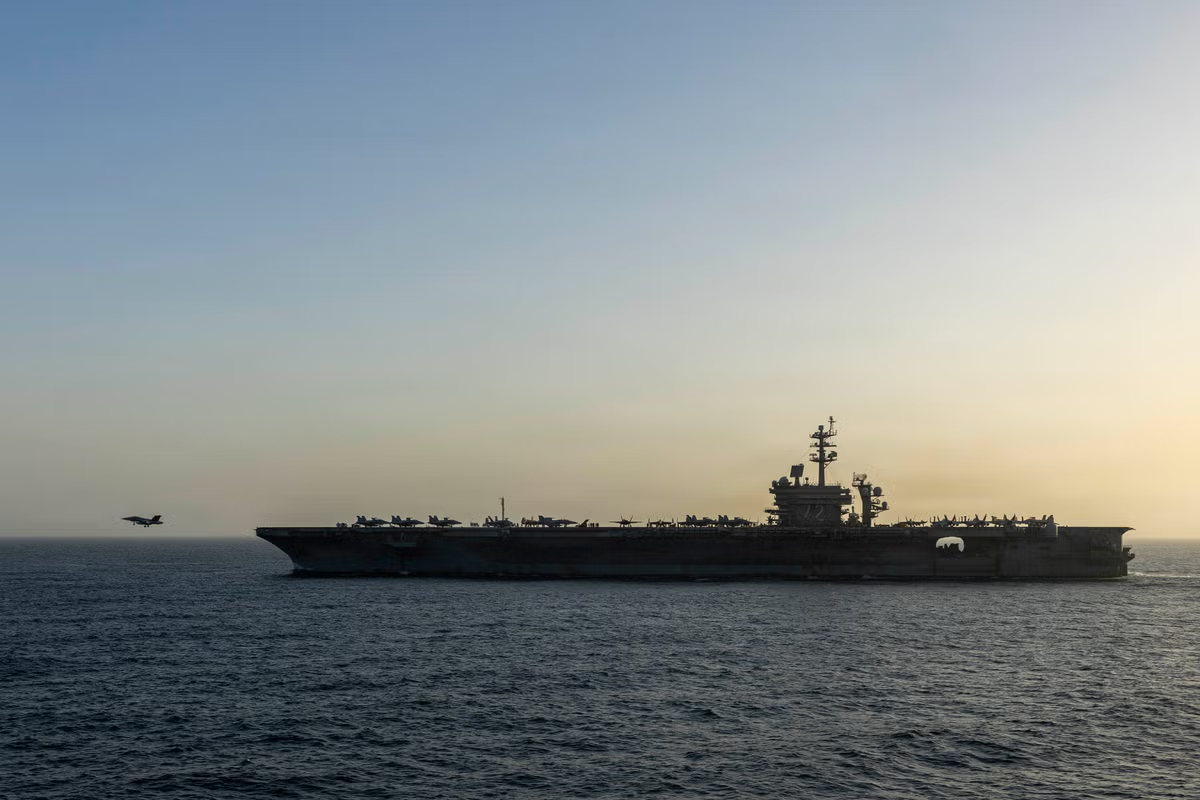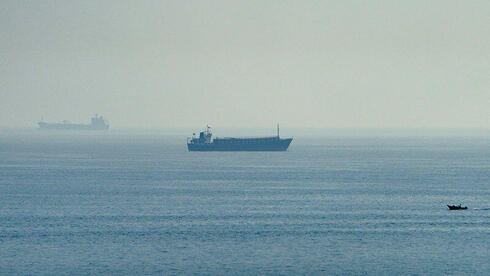
After weeks of silence, explosions were heard on Larak Island in the Strait of Hormuz; 'Two launchers were preparing to fire missiles carrying naval mines toward the Strait of Hormuz,' a senior US official told ReutersA senior U.S. official said Sunday evening that the U.S. military struck two Islamic Revolutionary Guard Corps rocket launchers on Larak Island. Strait of Hormuz in July(Photo: Reuters/Stringer)“The two launchers were preparing to fire missiles carrying naval mines toward the Strait of Hormuz,” the official told Reuters and other news outlets. “Our forces have completed clearing mines from international shipping lanes, are closely monitoring the area and are prepared to defend the free flow of commerce through the strait.”Iran’s Fars news agency reported that an explosion was heard near Larak Island in the strait.According to officials familiar with the classified assessment prepared for Hegseth, the warnings were delivered to the defense secretary by the heads of the Army, Navy and Air Force, as well as commanders of U.S. forces responsible for Europe, Asia and Latin America. They were included in the August 14 edition of the “Secretary of Defense Orders Book,” a classified document detailing the availability of U.S. ships, aircraft, troops and weapons systems around the world that the Pentagon uses in making force-deployment decisions.The strike in the strait came after about six months of fighting with Iran, as U.S. President Donald Trump pressures Tehran to reopen the Strait of Hormuz and accept Washington’s terms for ending the conflict. Trump continues to make clear that all options remain on the table, including renewed strikes, and U.S. Central Command, or CENTCOM, has for months kept more than 50,000 troops on alert in case the president orders further military action.According to the Post, some of the forces deployed to the Middle East have already been ordered to remain in the region through September, while others are expected to stay into 2027. The Air Force is also preparing for a prolonged presence: According to two officials who saw the document, many of the units sent to the Middle East for bombing missions and round-the-clock operations are expected to remain in the region into 2027.The possibility that the deployments could be extended again prompted several senior commanders to voice explicit objections. The commanders of U.S. European Command, Indo-Pacific Command and Southern Command, along with the Navy’s top officer, submitted what the Pentagon calls a “non-concur” — meaning they oppose the defense secretary’s decision to extend the allocation of their forces to the campaign, though they would carry out the order if it remains in effect.
US military attacked IRGC rocket launchers in Iran, senior official confirms
After weeks of silence, explosions were heard on Larak Island in the Strait of Hormuz; 'Two launchers were preparing to fire missiles carrying naval mines toward the Strait of Hormuz,' a senior US official told Reuters
427 words~2 min read