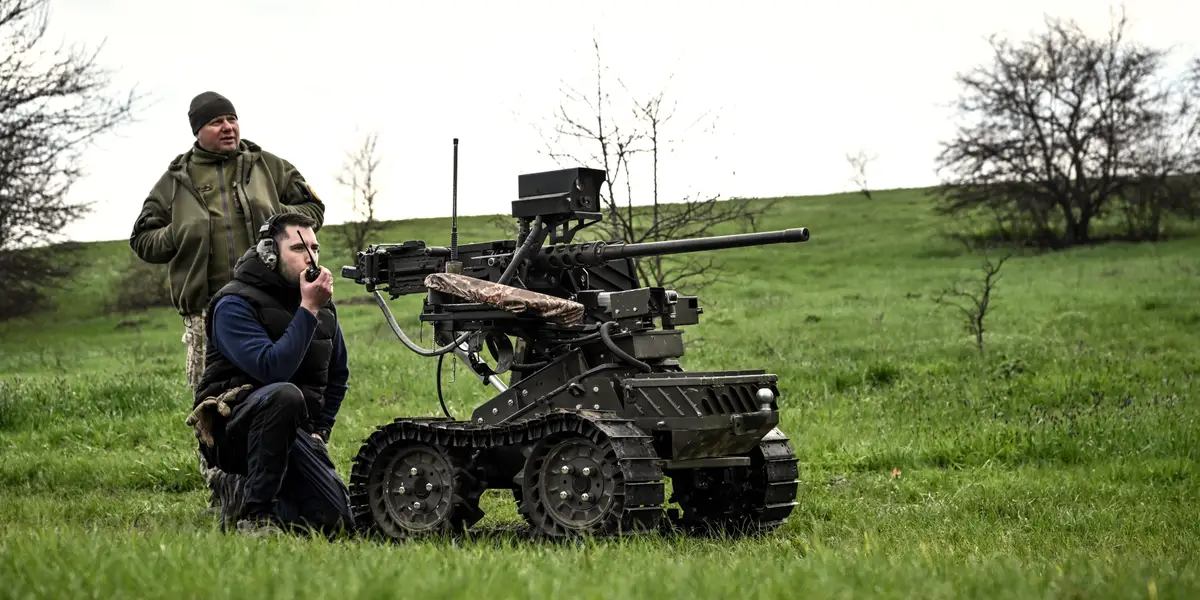
Ukraine’s main long-term advantage in the field of defense technology lies not in individual weapons systems, but in its ability to quickly adapt to changes on the battlefield, accumulate combat experience, and translate that experience into new technological solutions.
This view was expressed by Can Kasapoğlu, a senior research fellow at the Hudson Institute, in an interview with Ukrinform.
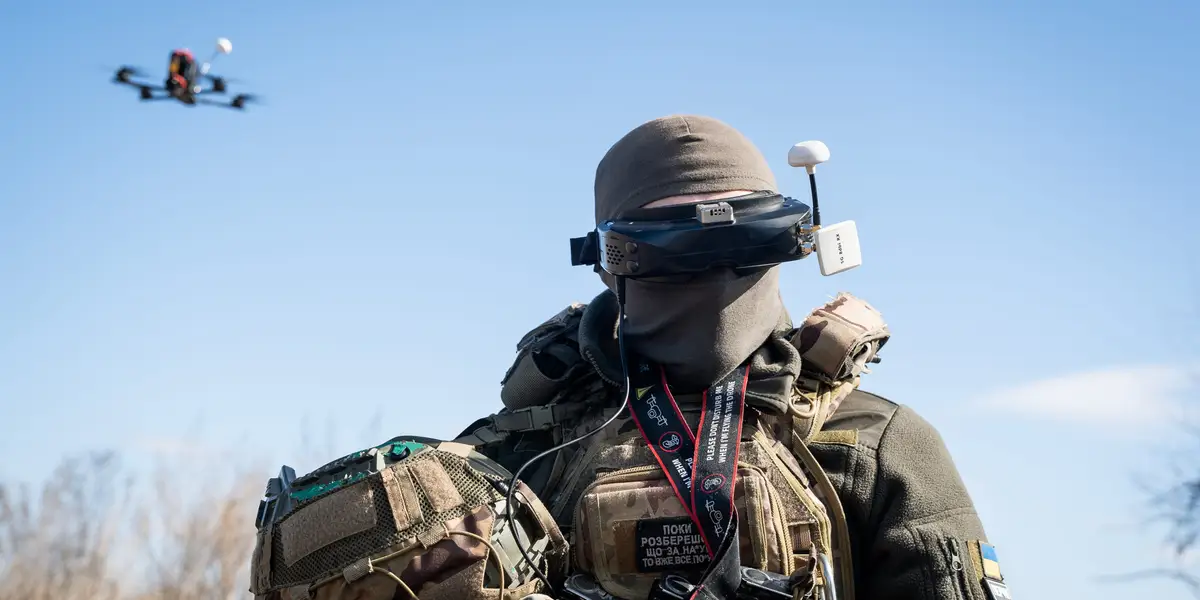
“Three features of Ukraine’s defense technological and industrial base have impressed me. First is adaptive velocity. At occupied Ukrainian Sevastopol, Russia reinforced Soviet-inherited marine-mammal defenses against divers yet failed to anticipate robotic naval attack. Eight months after the full-scale invasion, an early USV struck the heart of the Black Sea Fleet. Apart from its warhead, nothing was military-grade: commercial satellite communications, a jet-ski power pack that one can find and buy online, and a simply workshop-built hull. The same logic drove the FPV revolution—recombining components faster than the enemy adapts,” Kasapoğlu noted.
The expert cited Ukraine’s information architecture as the second key advantage, particularly the Delta system, which, he said, was developed directly in the context of war.