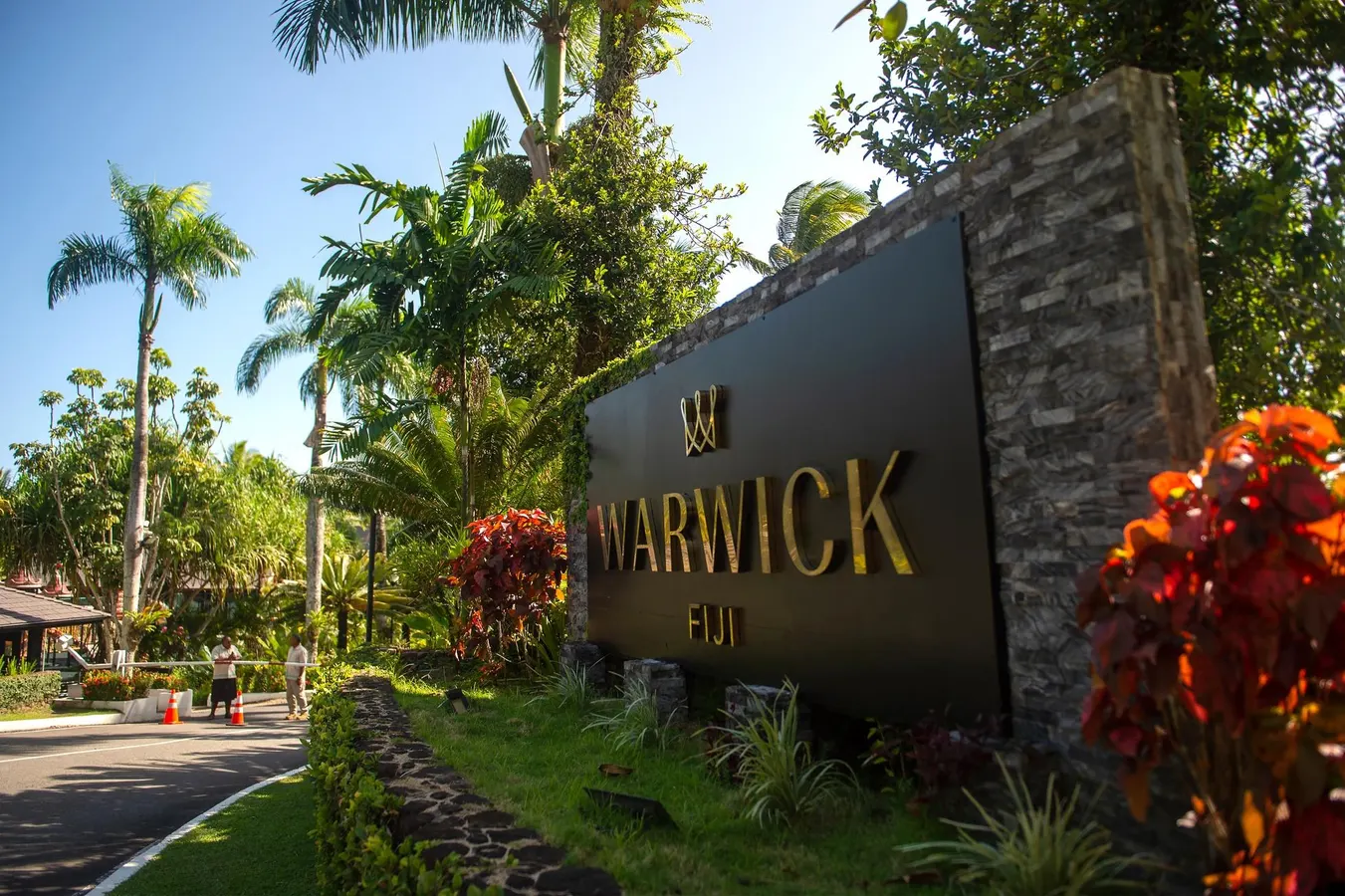
Security guards man the main entrance of the five-star Warwick Fiji resort on the Coral Coast, about 70 kilometers west of capital city Suva, on December 16, 2024. Fiji doctors have decided to discharge five of the seven patients — including four Australians and an American — who were hospitalised after drinking pina coladas at a luxury hotel bar, the government said on December 16. (Photo by LEON LORD / AFP) (Photo by LEON LORDLEON LORD/AFP via Getty Images)AFP via Getty ImagesPeak season revenue is no longer covering peak season risk; in coastal and high-risk markets, hotel insurance premiums are climbing 45 to 100 percent this year, and the properties most dependent on summer crowds are absorbing the steepest bills. U.S. hotel occupancy is on track to reach 63.38 percent in 2025, still short of pre-pandemic levels, leaving operators with less pricing cushion to absorb rising fixed costs during the exact months when demand peaks.A recent survey of Mediterranean hotels found water ranks as the highest consumption category in the tourist sector, and the energy used just to heat and pump that water can run as high as 368 kilowatt-hours per cubic meter in a full-service property. Peak season is exactly when both bills peak together.Venture capital has noticed, but not where sustainability marketing expected. Global energy transition investment hit a record 2.3 trillion dollars in 2025, up 8 percent from the prior year, even as venture funding for climate startups fell for a third straight year. Hospitality is following the same pattern: Hospitality technology startups raised over 1 billion dollars across 40 companies in the year through March 2026, led by property management platform Mews at 300 million dollars, home-swapping platform Kindred at 125 million across two rounds, and apartment operator Limehome at 75 million euros. The index behind those figures describes growing conviction among investors in hospitality tech as a category, not a handful of isolated segments, and nearly half of the rounds tracked were pre-seed, seed or Series A, meaning capital is chasing new entrants rather than settling on incumbents. Investors are betting on the operational infrastructure that makes energy, water and risk data visible, not on sustainability branding itself.The pressure behind those bets is structural. Wildfire risk is pushing insurers to underwrite hotels based on physical resilience rather than location alone, and carriers are pulling back from some markets entirely. Munich Re put global insured losses from natural catastrophes at 140 billion dollars in 2024, up from 106 billion the year before and among the costliest years on record, with total losses including uninsured damage reaching 320 billion dollars. Luxury resorts, historic properties and beachfront hotels face the highest replacement costs and the thinnest carrier appetite, and hotel projects in Florida have already been shelved over anticipated coverage costs.The response is showing up in capital budgets, not press releases. Energy already accounts for roughly 60 percent of a hotel's carbon footprint and its utility spend, and operators invested more than 4.6 billion dollars globally in energy management upgrades in 2023 alone, a figure that keeps climbing with power prices. Targeted efficiency retrofits can cut a hotel energy bill by up to 30 percent, according to a Caribbean hotel program backed by the Inter-American Development Bank, evidence that the fastest sustainability returns are operational rather than cosmetic. Ufi Ibrahim, chief executive of the Energy and Environment Alliance, told a hotel industry event in February that the era of glossy sustainability manifestos is ending, and that operators now need financial strategies that are future proofed rather than symbolic. Stakeholders increasingly describe climate resilience as a valuation and pricing issue rather than a reputational one, a framing executives were still resisting two years ago.That reframing shows up in where hospitality tech dollars are landing; Seven property management providers, including Amenitiz, Arbio and Boom, raised a combined 408.1 million dollars in the same twelve month window, the largest share of any category tracked, ahead of AI-led guest platforms that ranked second. These systems centralize the operational and energy data that resilience investments and insurers now require, which is why capital is backing the plumbing before it backs the pitch.For investors, the realistic bet is infrastructure that lowers insurance costs and utility bills at the same time, not standalone sustainability tools competing for a shrinking marketing budget. For founders, the clearest opening is tying product returns directly to insurance discounts and energy savings operators can show on a balance sheet this year, since automated wildfire defense systems tied to insurance discounts already promise exactly that trade. The properties that treat resilience as a financial instrument, not a certification, will be the ones still standing when next year's premiums arrive.
Hotels Face Soaring Climate Costs, Investors Chase Fixes
Hotels face soaring insurance and energy costs this tourist season. See where VCs are betting as resilience becomes a financial metric, not a marketing claim.
778 words~4 min read