As Nigeria prepares for the 2027 elections, artificial intelligence is emerging as a tool for real-time election monitoring and verification. During the Osun governorship election, MundX Analytics used AI to track polling-unit results uploaded to INEC’s IReV portal and flag possible inconsistencies. In this interview with BusinessDay, Martin Uwakwe, AI expert and tech policy advocate at MundX, discusses the Osun experience, the potential and limitations of AI in election monitoring, threats from AI-generated disinformation, and how technology can strengthen electoral transparency ahead of 2027. TAOFEEK OYEDOKUN brings excerpt:
MundX used AI to monitor the Osun governorship election in real time. What exactly were you monitoring, and what did your system reveal that conventional election observation may have missed?
What we did was monitor the election results coming in from all the polling units across the state.
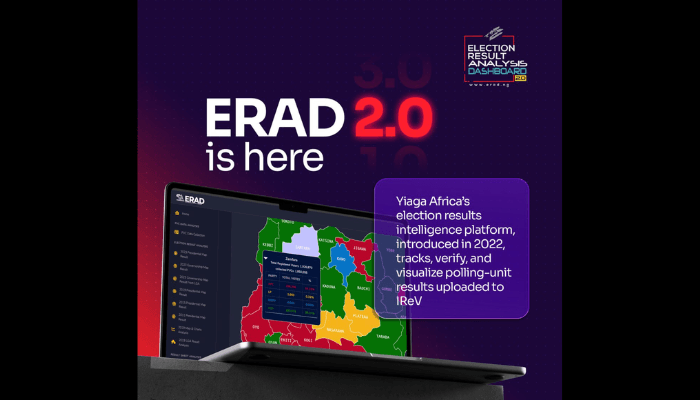
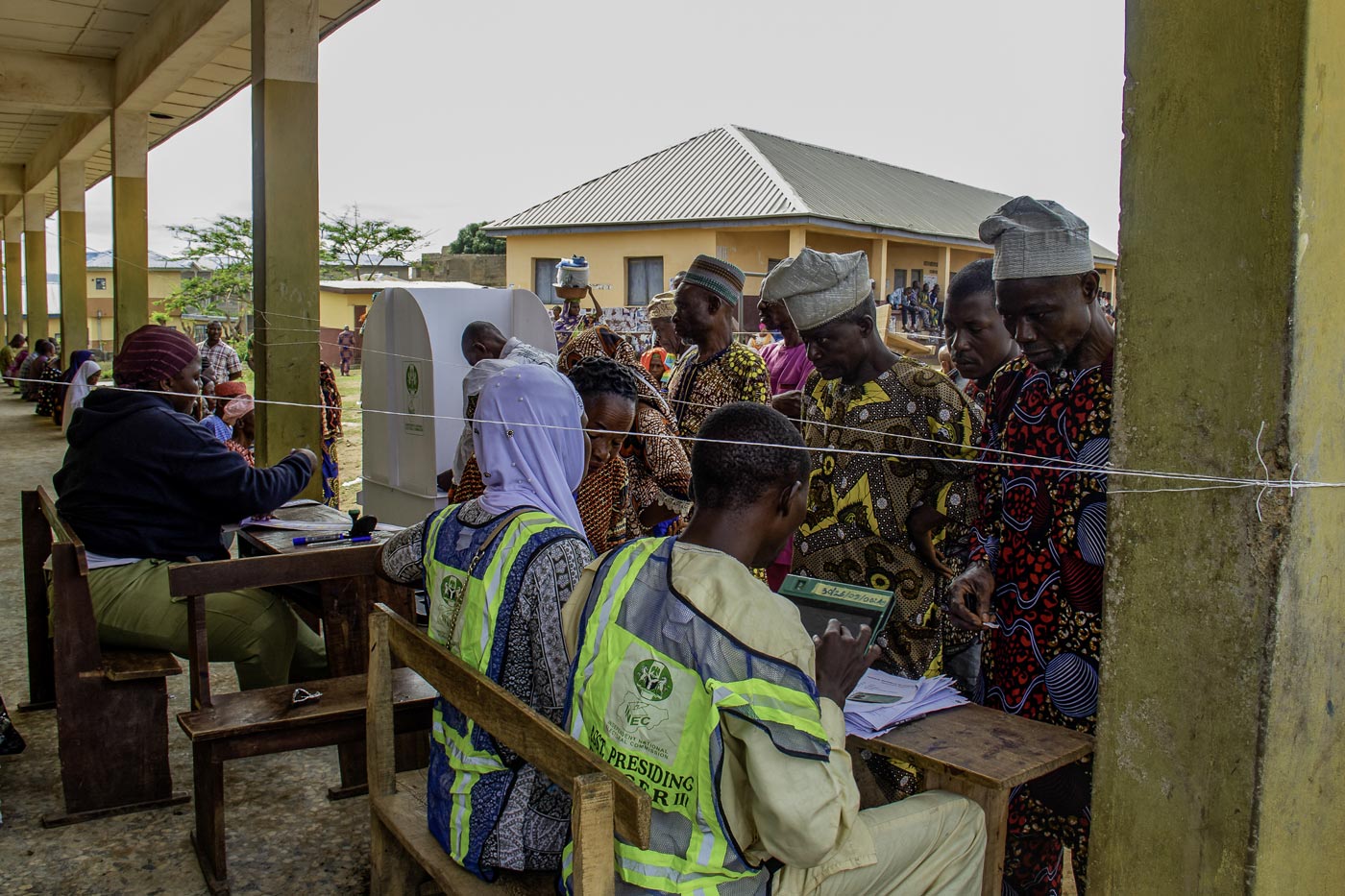
At the end of voting at the polling units, INEC uploads the EC8A polling-unit result form to the IReV portal. What we did was use AI to extract, in real time, all the results and accreditation details from the EC8A forms and run them through a set of validation checks.
We looked out for overvoting, anomalies, arithmetical errors and other inconsistencies, then collected the results and presented the information to the public.