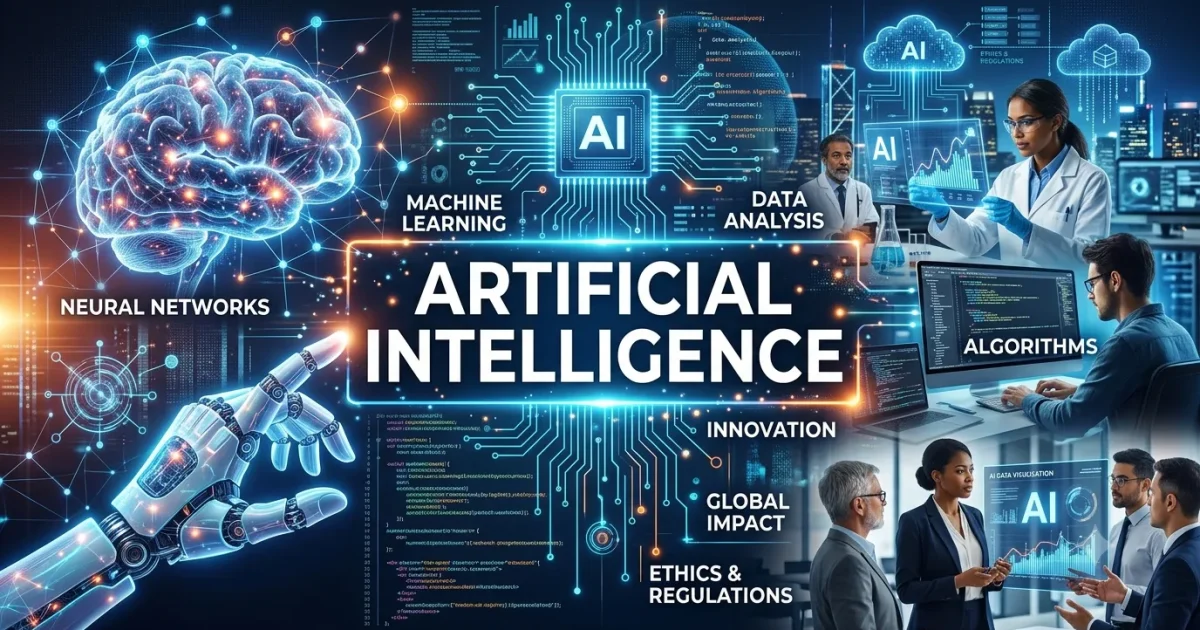
Artificial intelligence is changing how we work, learn, play, think and relate to one another. It is already transforming medicine, education, scientific discovery and economic productivity. Used well, AI could expand human capability on a scale few technologies in history have achieved.
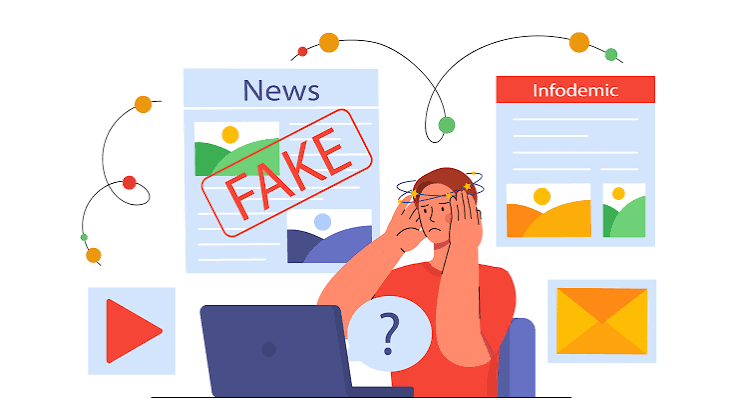
But the same technology can also deepen inequality, industrialise misinformation, amplify political division and make it increasingly difficult to distinguish authentic human communication from synthetic persuasion. They can help citizens understand their world or manipulate what citizens believe about it. The defining question, therefore, is what kind of societies will AI help us build?
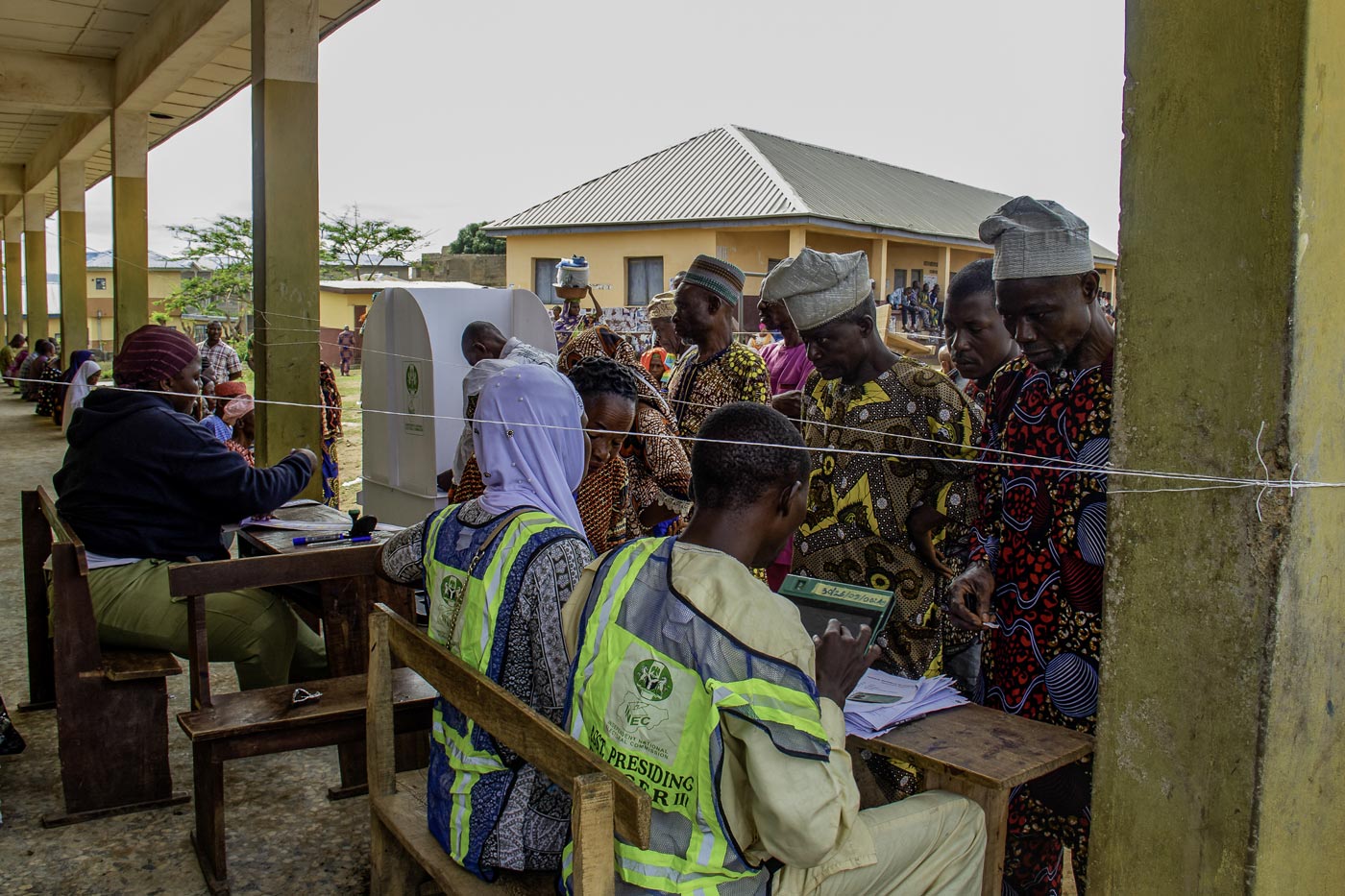
For Nigeria, that question is becoming urgent. Presidential and National Assembly campaigns officially begin on 19 August. Nigerians will vote on 16 January 2027, followed by governorship and State Assembly elections on 6 February. But much of the political contest will take place long before Nigerians enter polling stations. It will unfold on X, Facebook, TikTok, Instagram, YouTube and WhatsApp; through viral videos, memes, influencers, anonymous accounts and, increasingly, AI-generated content.
Democracy has vital signs