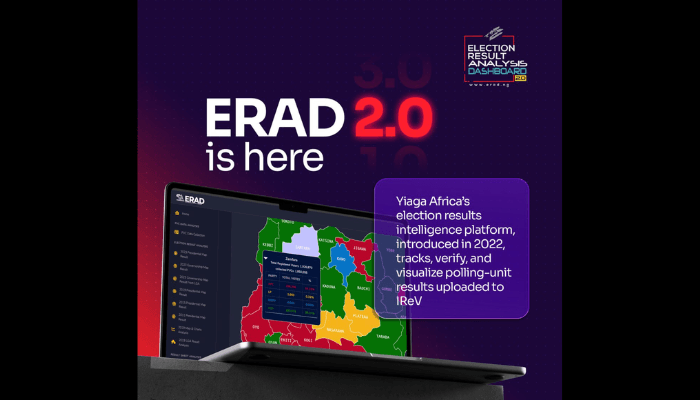
Artificial intelligence and citizen-led election monitoring are poised to fundamentally change the dynamics of Nigeria’s 2027 presidential election, giving voters, observers and civil society groups unprecedented capacity to track the ballot and independently test official results in real time.
The growing sophistication of these tools is also raising the stakes for the Independent National Electoral Commission (INEC), which will face intensified scrutiny over the transparency, accuracy and credibility of the country’s most consequential election.
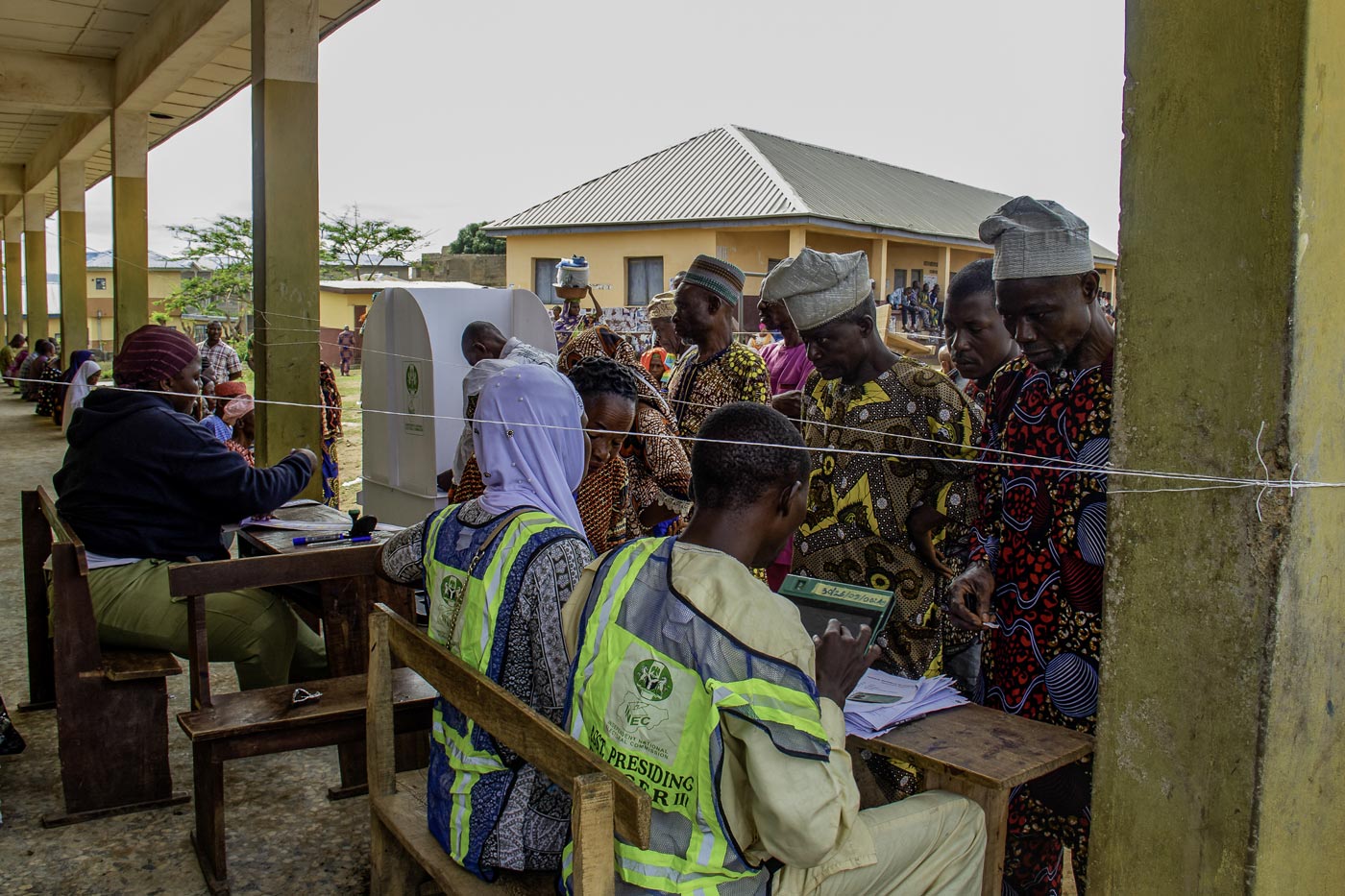
Yiaga Africa, TAF Africa and other election observer groups turned the August 15 Osun State governorship election into a testing ground for technology-driven scrutiny, deploying digital tools to track voting, verify results and monitor electoral developments in real time, raising a critical question, whether artificial intelligence could make it harder to manipulate Nigeria’s presidential election in 2027.
The Osun experience demonstrated how technology can give citizens and observers another window into the electoral process, from monitoring polling-unit activities and results to comparing independently collected information with official figures released by the Independent National Electoral Commission (INEC).