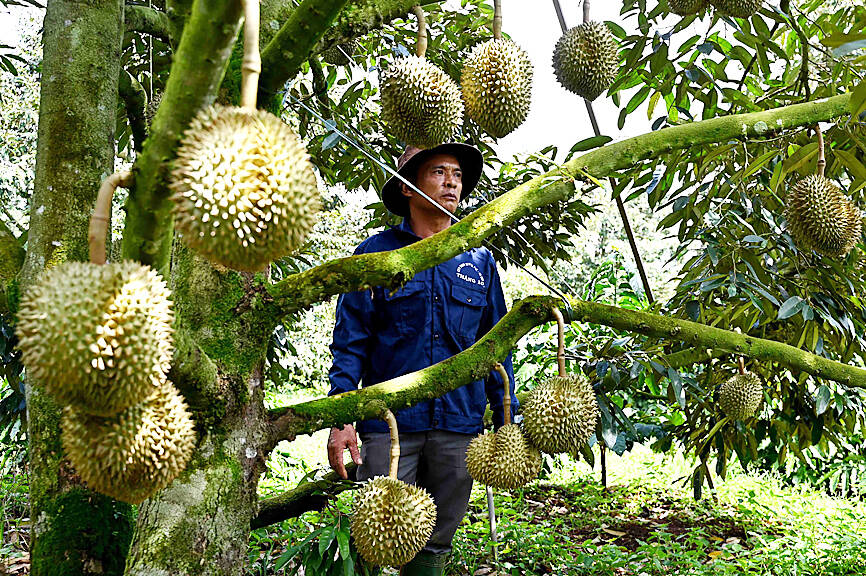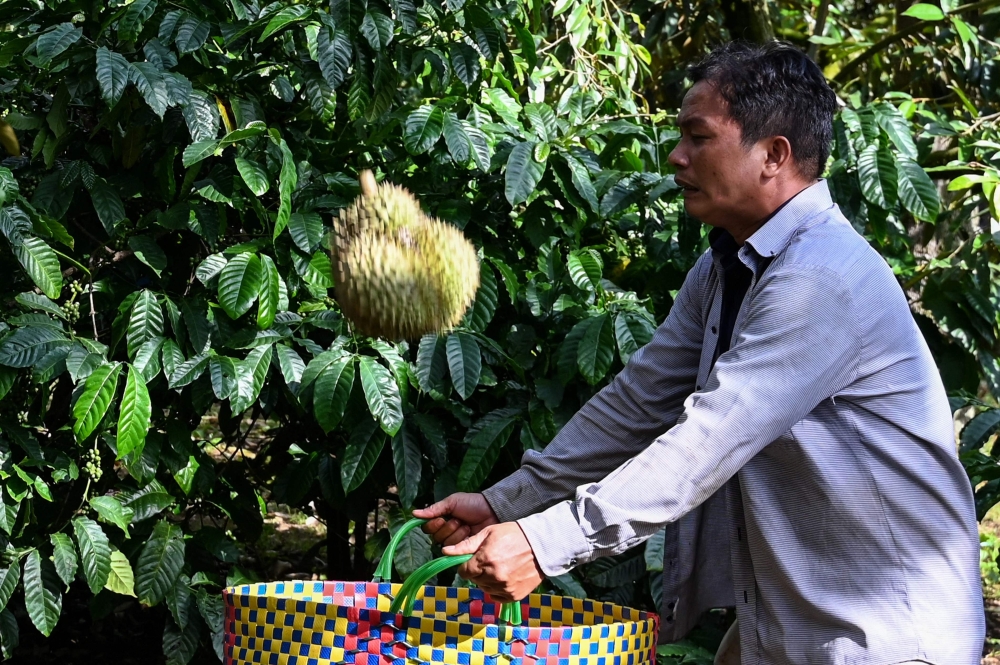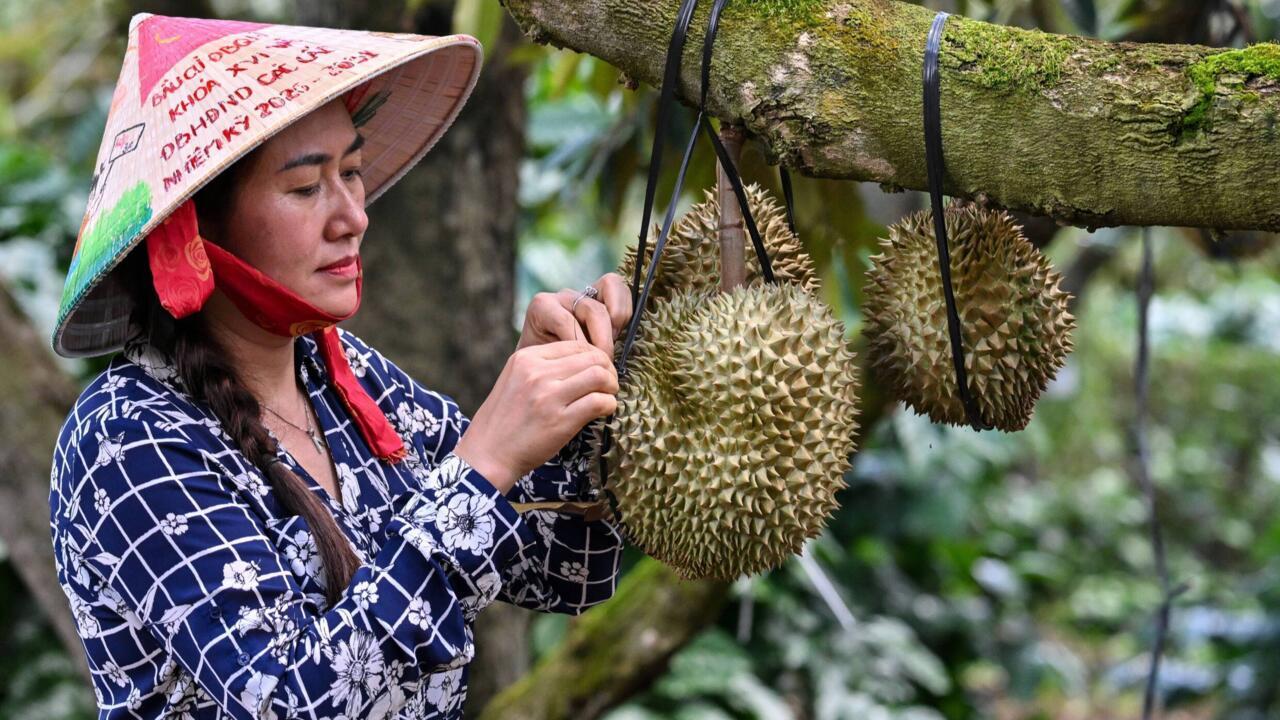
"You can live okay with coffee, but it's durian that makes you rich," said Pham Xuan Lan, as he showed AFP journalists around his farm.Blessed with a tropical climate and rich basalt soil, the lush Central Highlands produces vast quantities of robusta beans, and Vietnam trails only Brazil in coffee output.But the area dedicated to durian has soared more than fivefold to 200,000 hectares (494,000 acres) nationwide over the past decade, according to the agriculture ministry.Vietnam only officially entered the Chinese durian market after a 2022 trade protocol but last year became the country's biggest supplier by volume, ending Thailand's near two-decade dominance.Lan was an early adopter, diversifying his crop two decades ago and now boasting 400 durian trees in Ea Knuec commune, part of Dak Lak province.They produce 60 tonnes of the sweet yet smelly fruit, which is driven in frozen containers thousands of kilometres north into China.The 56-year-old expects to make $76,000 this year -- against $10,000 had he stayed with just coffee.
Vietnam's area dedicated to durian has soared more than fivefold over the past decade © Nhac NGUYEN / AFP
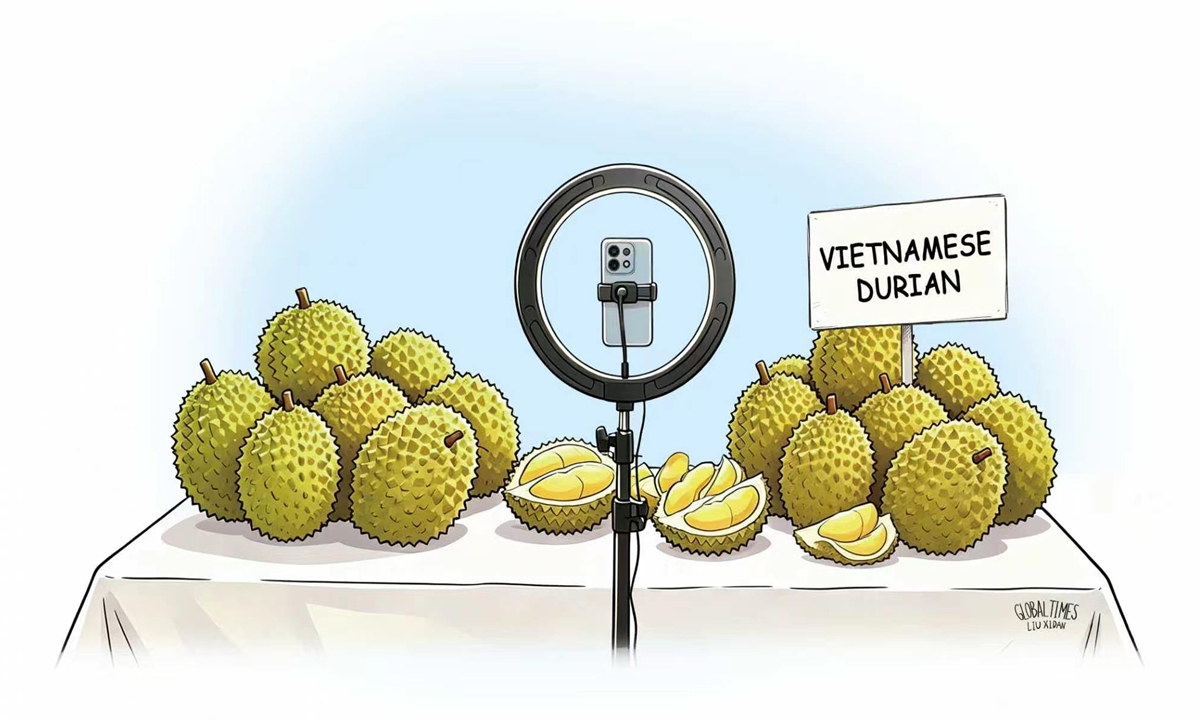
"With durian, I bought a car, houses for my children and built a villa for my family," he said, his affluence evident around him.Other local farmers have followed suit, focusing on the premium Ri6, Musang King and Dona varieties.During the August-October harvest, Dak Lak's roads are packed with trucks loaded with the spiky fruit, and at a durian festival this month, 525 vehicles formed what the Guinness World Records declared the largest ever parade of fruit-carrying vehicles.Billions of viewsThe boom is driven by demand from China, fuelled by a combination of expanding supply and growing popularity on social media, particularly among young people.On Douyin, China's equivalent of TikTok, videos of users cracking open fruit with their bare hands have been watched billions of times."This tastes really sweet. It's almost like it's been coated in sugar," said Douyin influencer Liulianzi in a clip liked more than 17,000 times.Once a luxury food, increased competition between Thailand and Vietnam and improved transport links have helped cut prices and make the fruit more affordable.At a durian tasting event in Beijing last month, Ada Song told AFP that she had spent almost 1,000 yuan ($150) on the fruit in recent weeks."I have tried nearly 20 different varieties," Song said.