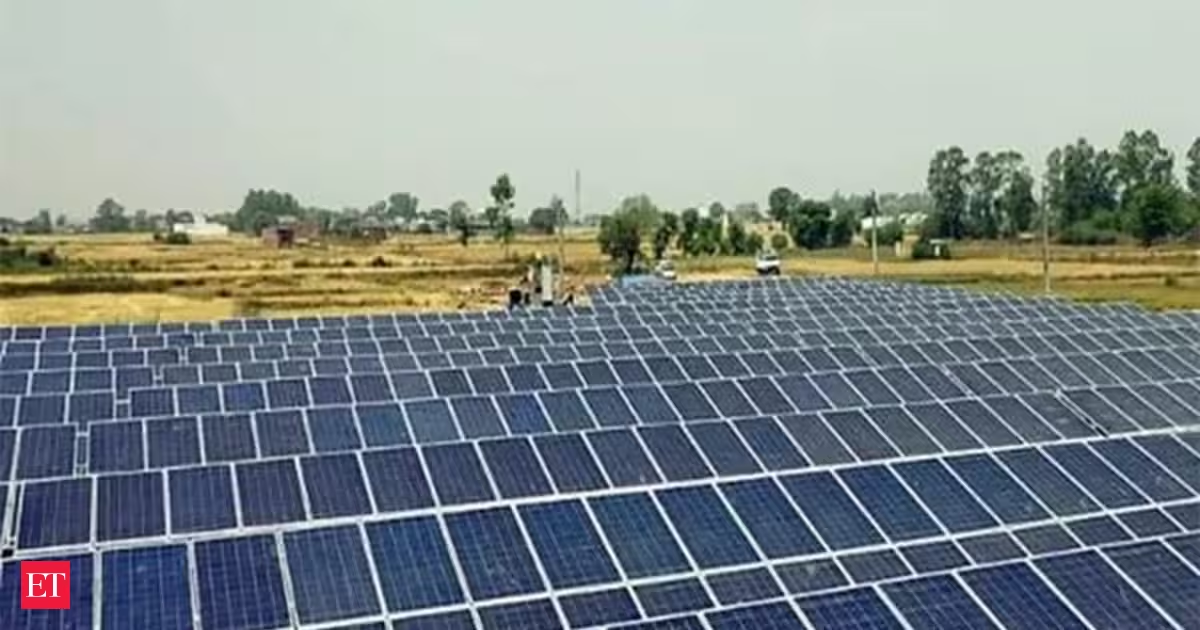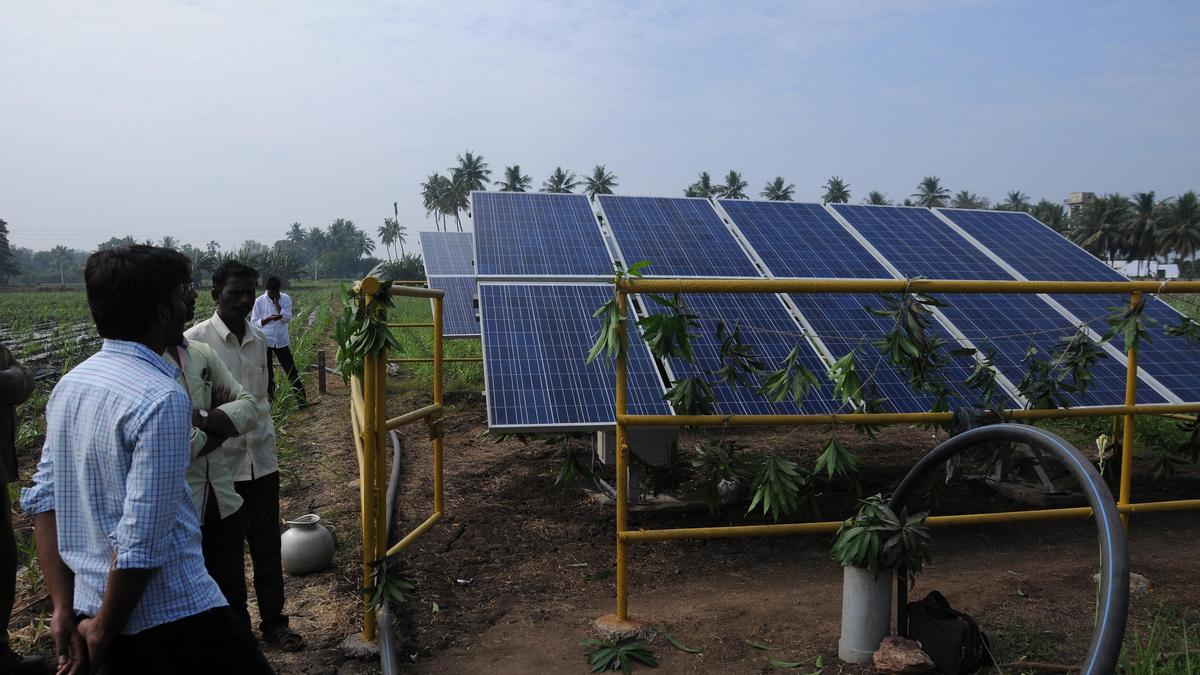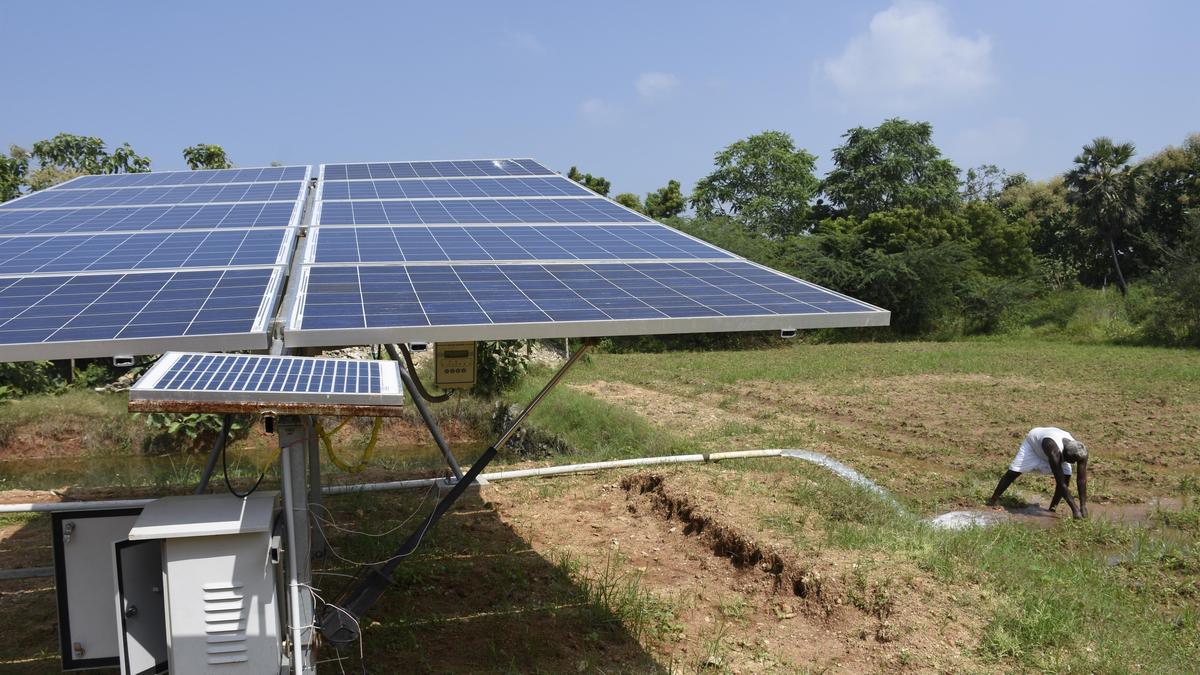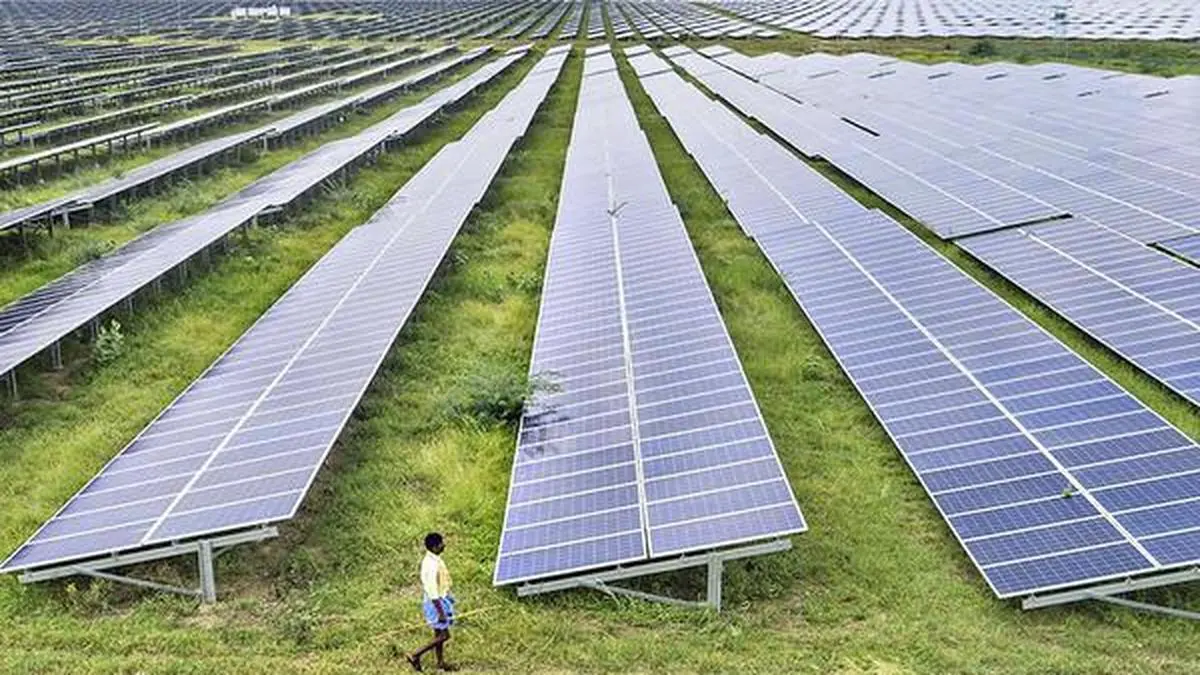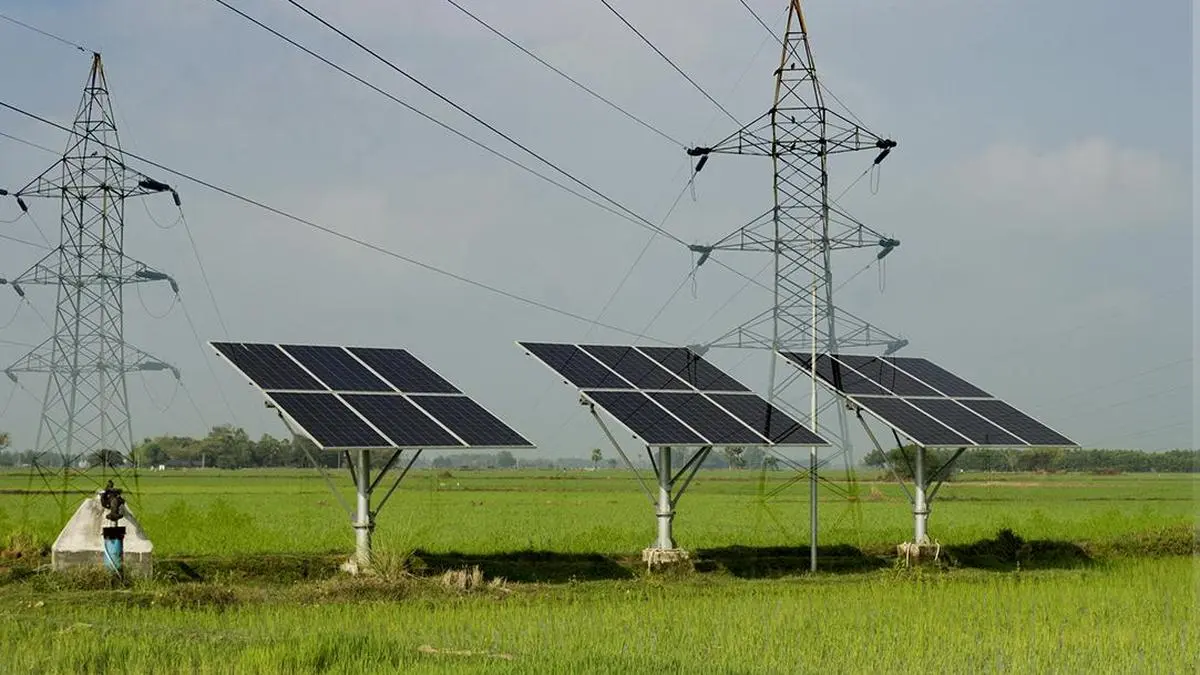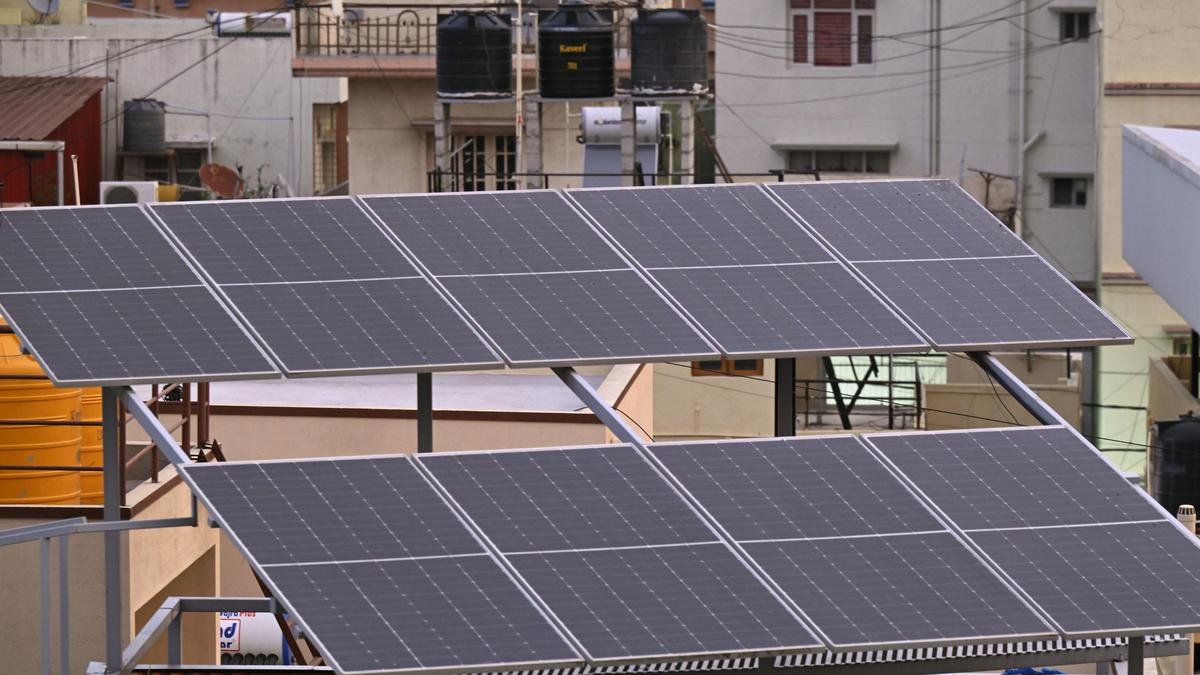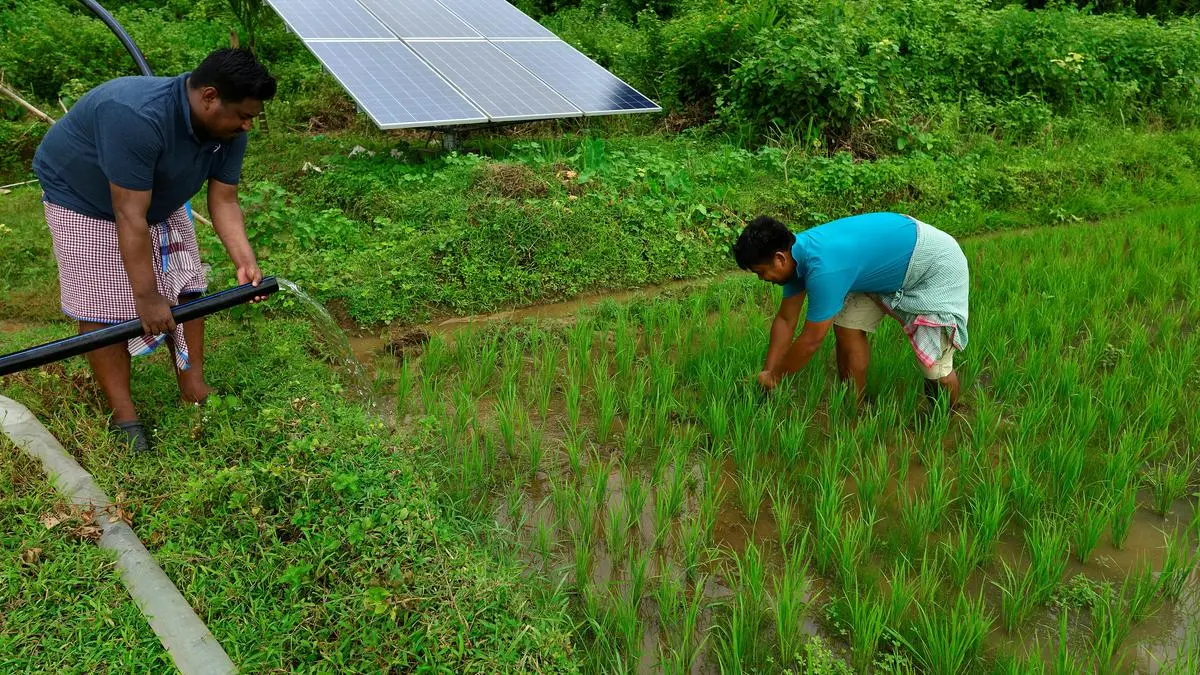
India’s agricultural sector is entering a phase where energy security is becoming central to irrigation. For decades, irrigation has depended on diesel pumps or grid electricity, with their cost and reliability directly shaping farmers’ ability to water their fields. Solar-powered irrigation is now making renewable energy a built-in part of the agricultural production system, not an add-on.At the centre of this shift is the Pradhan Mantri Kisan Urja Suraksha evam Utthaan Mahabhiyan (PM-KUSUM), designed to add 34,800 MW of solar capacity by March 2026, backed by Central Financial Support of ₹34,422 crore. Its three components decentralised renewable plants (Component A), 14 lakh standalone solar pumps (Component B), and solarisation of 35 lakh grid-connected pumps and feeders (Component C) were conceived not as a solar-energy programme alone, but as a mechanism to weave renewable power into the agricultural economy itself.The national portal’s numbers show how far that intent has travelled into execution. As of May 31, 2026, 8,95,882 standalone pumps had been sanctioned under Component B, with 7,70,384 installed. Feeder-level solarisation had reached 9,30,215 against 20,69,796 sanctioned, a programme moving decisively from policy design into large-scale, on-ground deployment.Beyond switching energy sourcesThe value for farmers goes beyond simply switching energy sources. Where grid supply is constrained or diesel is a recurring cost burden, a well-sized, well-installed solar pump gives farmers a dependable, renewable alternative for irrigation, directly serving PM-KUSUM’s own goals of de-dieselisation and higher farm income. Realising that value, however, depends heavily on equipment quality, correct system sizing and long-term maintenance, which is where the industry’s role becomes decisive.Maharashtra shows how fast this ecosystem can scale once policy support and implementation capacity align. Through the state’s Magel Tyala Saur Krushi Pump Yojana, alongside the national push, MSEDCL installed 45,911 solar agricultural pumps in a single month in December 2025, a pace that depended on coordinated vendor networks, structured operations and digital tracking as much as on subsidy availability.That scale points to an important reframing: the solar-pump opportunity was never just about manufacturing equipment. It is about building an integrated ecosystem: design, manufacturing, supply, installation, commissioning and post-installation support capable of functioning across thousands of geographically dispersed farmer locations, often in terrain and climate that vary sharply district to district. As volumes rise, execution capability, inventory planning, trained installation teams and digital monitoring are becoming as important a differentiator as manufacturing scale, and companies investing early in that capability are best placed to lead the sector’s next phase.Long-term real determinantThis is why after-sales service is emerging as the real determinant of long-term value. A solar pump is a long-duration agricultural asset; its worth is ultimately decided by whether it performs reliably season after season, and whether service support can reach it well beyond urban centres. The industry’s growing recognition of this, alongside PM-KUSUM’s domestic-content and quality-standard provisions signals a sector maturing from installation-count metrics toward performance and reliability metrics.The broader architecture of PM-KUSUM signals where this is heading. Component A allows farmers, cooperatives, panchayats, FPOs and Water User Associations to set up decentralised plants on barren or fallow land and sell power back to DISCOMs at regulated tariffs, repositioning the farmer from energy consumer to potential energy provider, or “Urja Data.” It is a genuinely structural shift in how India connects agriculture, energy and rural livelihoods.Sustained utilisation, reliable commissioning, responsive grievance redressal and long-term service quality will determine whether installation numbers convert into durable farmer outcomes. But the direction is encouraging: the need for dependable irrigation, lower energy costs and a national renewable push is real, and industry capability is visibly rising to meet it.Energy is taking its place alongside productivity, water availability and food security as central to India’s agricultural story and solar irrigation is where all three meet. What the sector needs now is steady, disciplined execution, extending what already works in frontrunner states like Maharashtra until it becomes the norm rather than the exception.The author is Chairman and Managing Director, Oswal Pumps LimitedPublished on August 30, 2026
PM-KUSUM and the rise of solar-powered farming: Opportunities for India’s agricultural sector
Explore how PM-KUSUM is revolutionizing India's agriculture through solar-powered irrigation, enhancing energy security and farmer livelihoods.
658 words~3 min read