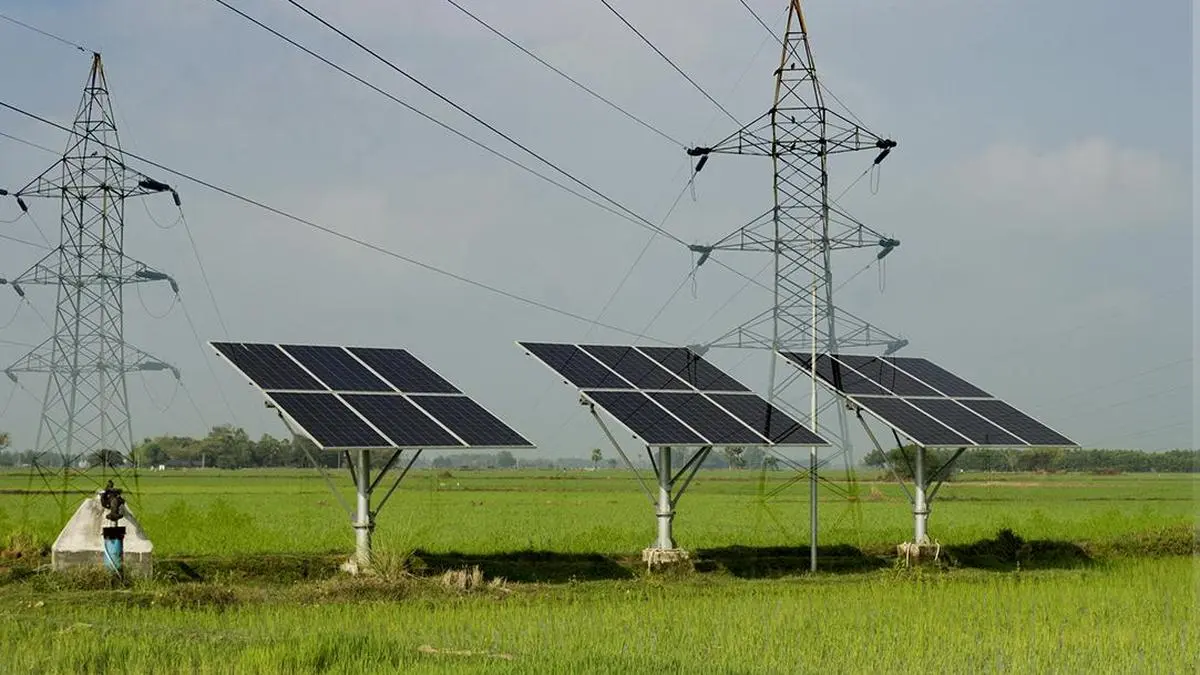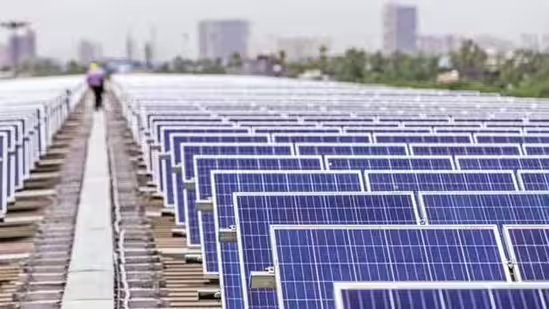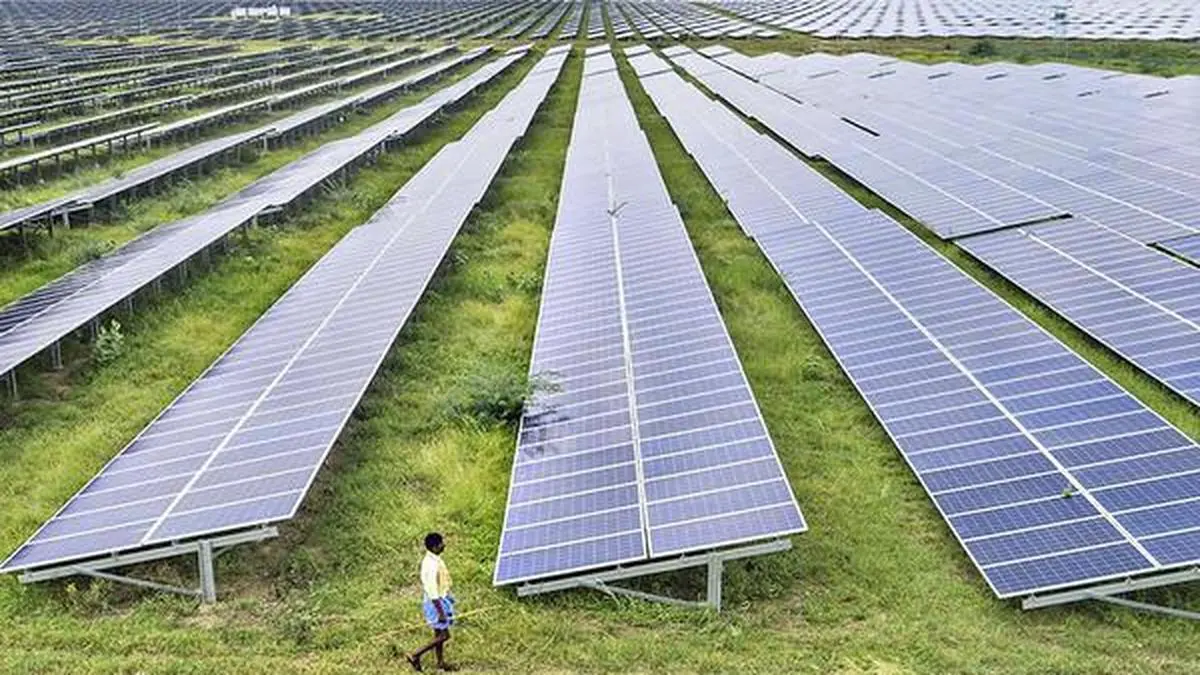
Nearly one million standalone solar pumps have now been installed under the PM-KUSUM scheme, and more than 1.1 million grid-connected pumps have been solarised.
| Photo Credit:
Abhishek Chinnappa
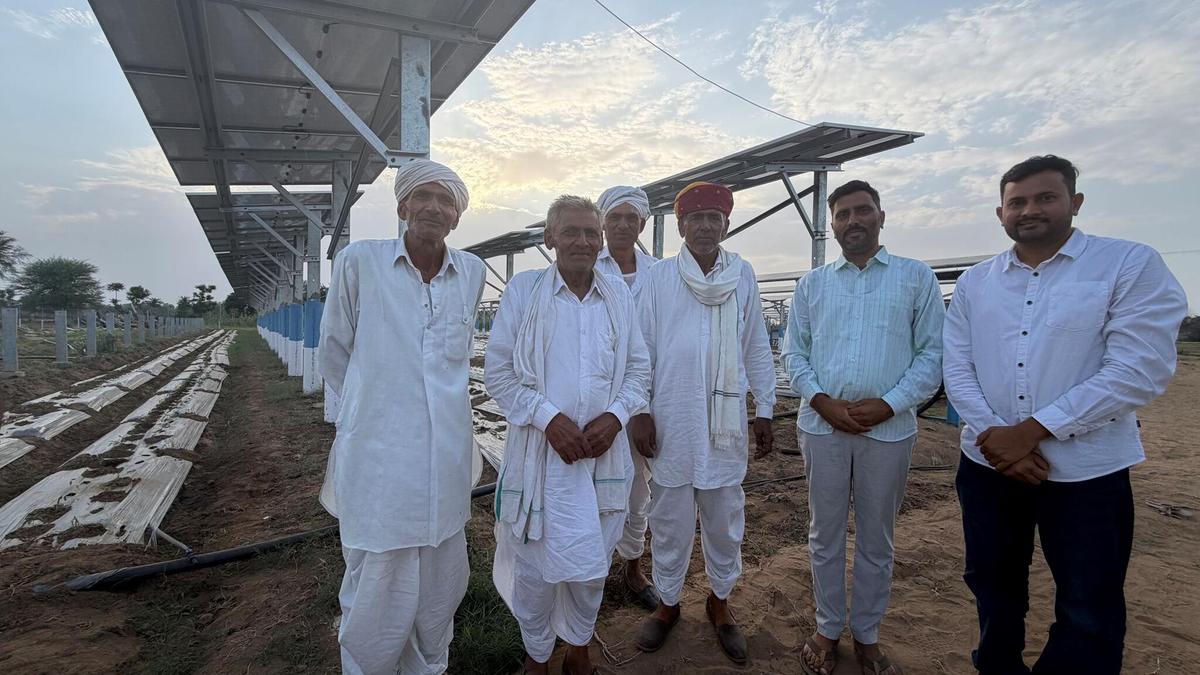
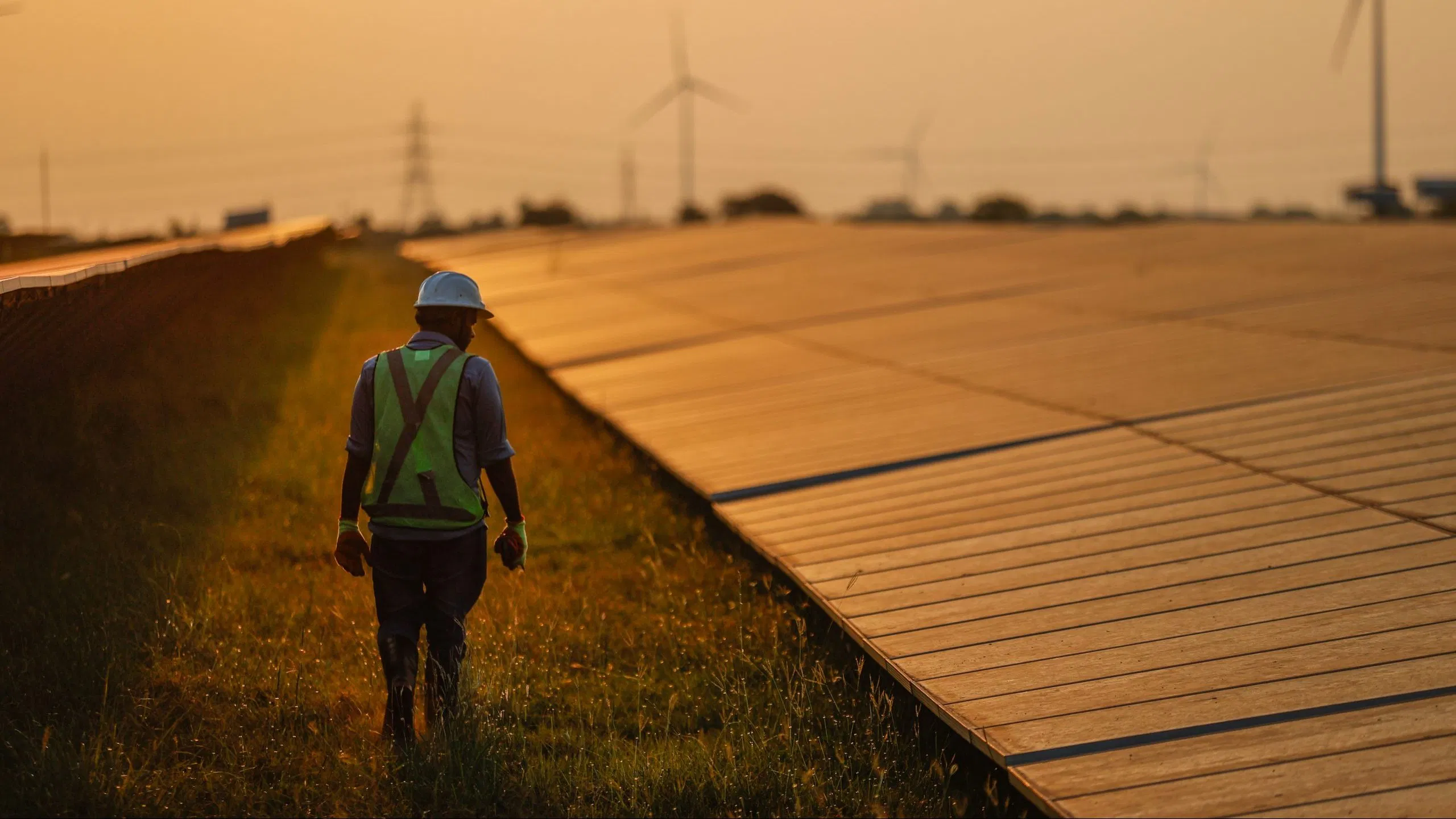
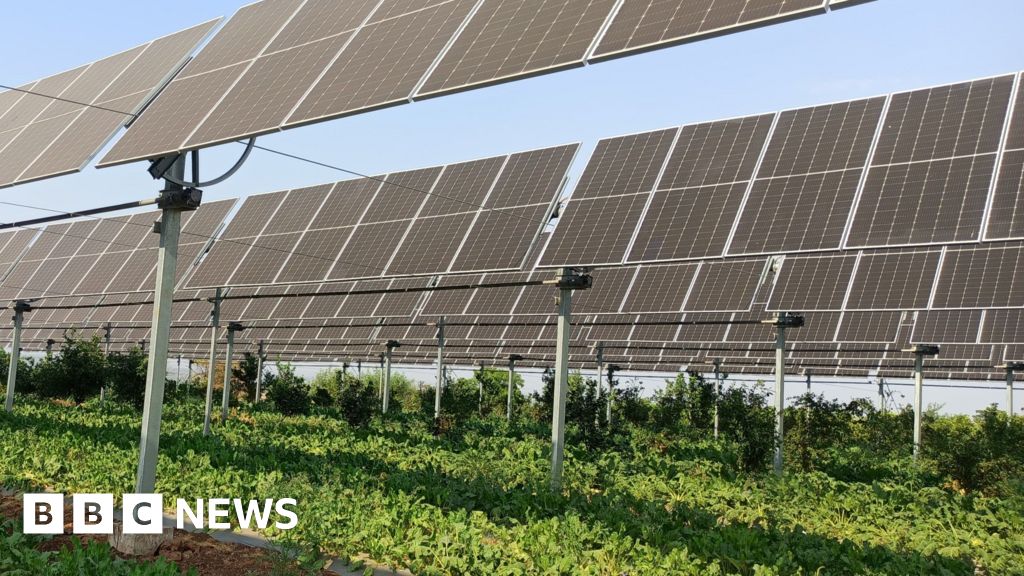
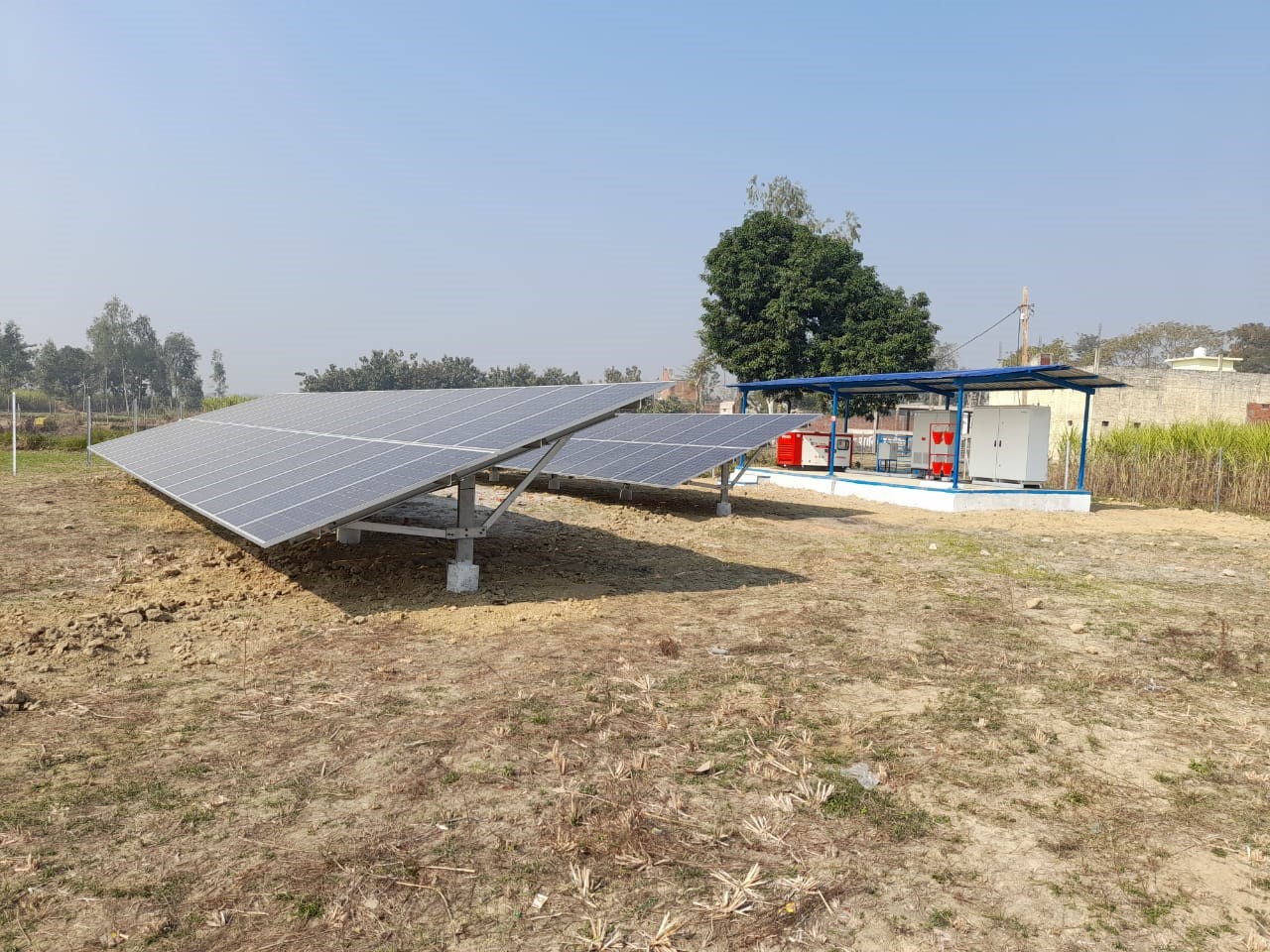
The Indian farmer has been called “Annadata,” food provider since time immemorial, and that has become a venerable axiom. A newer fact is catching up pace with it. Increasingly, that same farmer is also becoming a power producer, and the country’s energy planners have sit up and taken notice.The pump that pays for itselfNearly one million standalone solar pumps have now been installed under the PM-KUSUM scheme, and more than 1.1 million grid-connected pumps have been solarised, adding over ten thousand megawatts of clean energy capacity. The initiative has cut diesel use, stabilised irrigation costs and opened new income streams in rural areas. Each solarised pump represents a farmer who no longer budgets for diesel, and in many cases, one who now has surplus power to sell back to the grid. This is a renaissance of sorts. I feel very gratified at this national achievement and whatever contribution my company has been able to extend towards energy independence of our farmers.Beyond the individual pumpWhat makes this moment different is the range of pathways now open to farmers. Standalone solar pumps replace diesel irrigation where grid access is weak. Solarisation of existing grid-connected pumps lets farmers irrigate off sunlight by day while feeding surplus back to the discom. Feeder-level solarisation goes further still, powering an entire agricultural feeder line serving many farms at once, rather than requiring separate installations on every field.A fourth pathway lets farmers become power plant owners outright. Under the scheme’s provision for decentralised, grid-connected solar plants, farmers, cooperatives and panchayats can set up installations of up to 2 megawatts directly on their land and sell that power to the local discom. The total number of farmers benefited in the country through the PM-KUSUM scheme as on December 31, 2025, has been 21,77,369.This is where the next round of policy is headed. India is preparing to roll out PM-KUSUM 2.0, with a stronger focus on agri-photovoltaic systems that let farming and solar generation operate side by side on the same land to the best advantage of our annadatas. The government has confirmed this next phase will include a dedicated 10 gigawatt Agri-PV component to promote the co-location of solar panels with crops, letting farmers generate electricity while continuing agricultural activity on that land.A second harvest, from the same fieldAgrivoltaics adds another layer here. Rather than choosing between food and power, panels are increasingly designed to sit above crops that tolerate partial shade, letting a farmer harvest sunlight twice over. Officials say combining solar generation with agricultural cultivation can meaningfully improve land productivity while giving farmers an additional source of income. A parliamentary committee that visited a working agrivoltaics site in Delhi earlier this year came away with the same impression, describing a model that maximises land productivity while supporting farmer income, and speaking directly with local farmers to hear how solar income was changing their calculations on the ground.None of this is without friction. Land conversion rules, financing gaps for small landholders, and the upfront cost of infrastructure remain real obstacles, and the more ambitious components of the scheme have moved slower than the simpler ones. But the direction of travel is unmistakable. A farmer who once measured a good season purely by rainfall and crop prices may soon measure it by kilowatt hours sold as well. That is not a small shift in identity. It is the foundation of a rural economy where energy security and food security are no longer competing claims on the same acre of land, but are serving as two harvests from the same field.The author is Founder & Managing Director, Sunkind India LimitedPublished on August 23, 2026