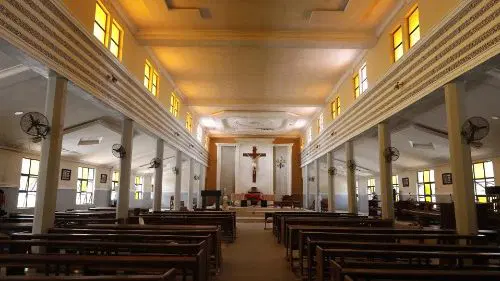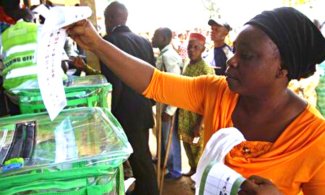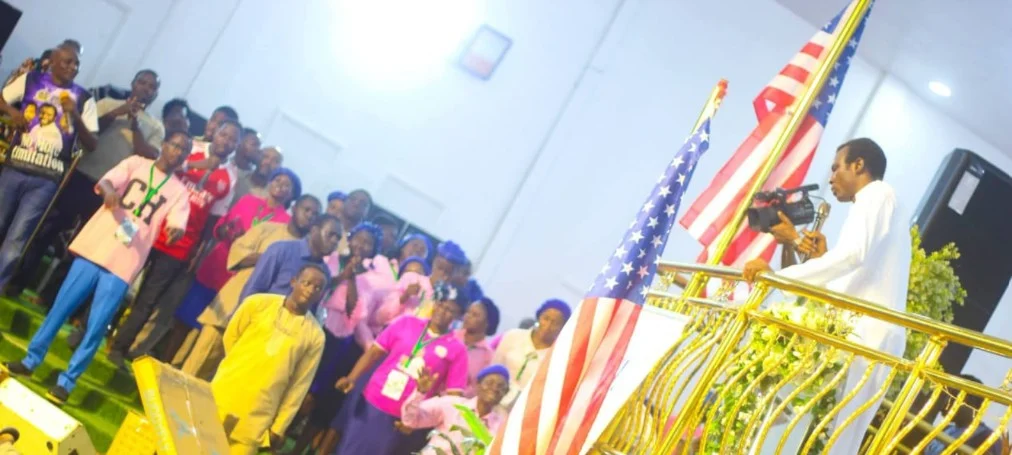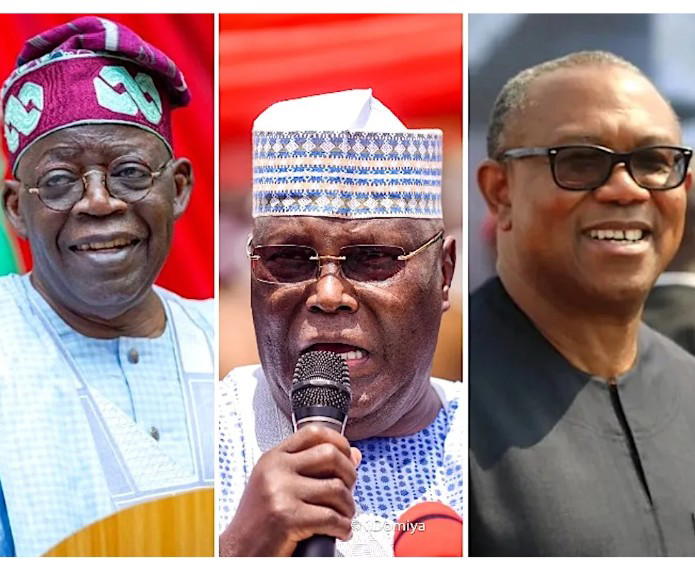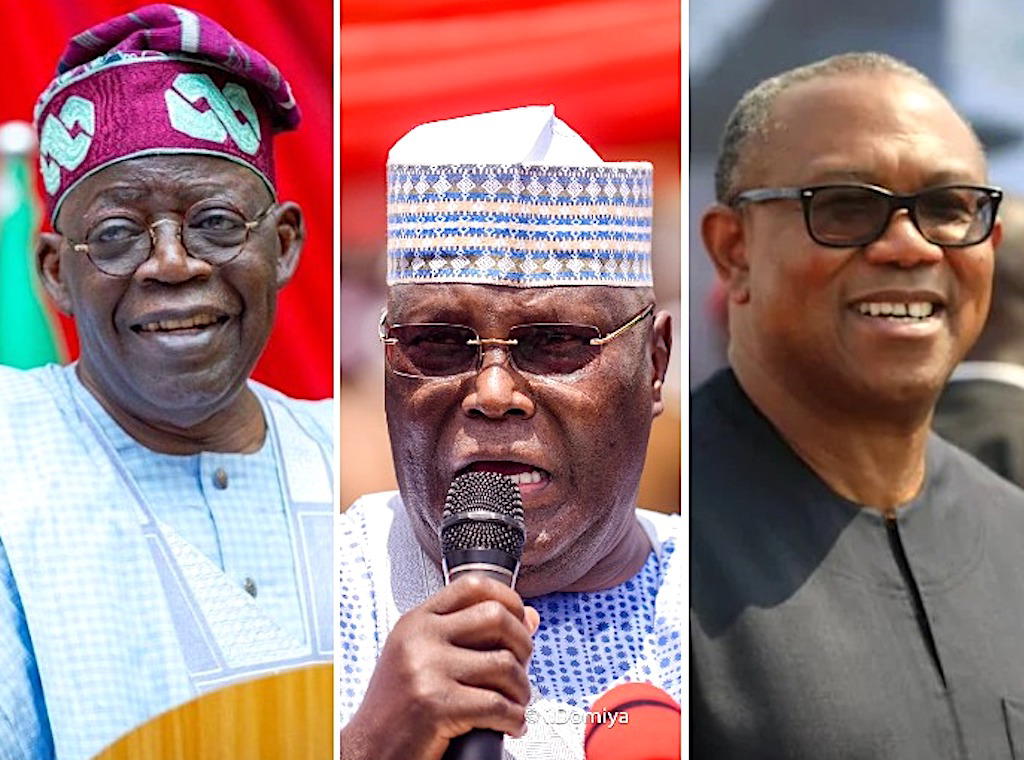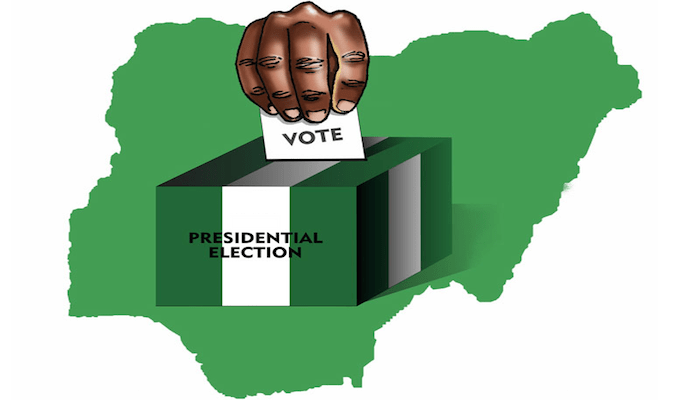
Religious organisations and prominent individuals in the religious sector are under the spotlight as Nigeria inches closer to the general election. Some caustic utterances have already been made by some influential religious figures.
The question many observers are asking now is: what should be the appropriate role for religious leaders towards a free, fair and credible election? Some schools of thought are of the opinion that they should be positive influencers, moderating the activities of their congregants.
Another school of thought is of the view that religious organisations and their leaders should take the back seat in the electioneering process without any form of interference. It is believed that they must continue to emphasise that their members should be good ambassadors of their denominations, whether they are contestants, supporters or party leaders.
According to political analysts, religious institutions and church leaders’ attitudes must synchronise with their preaching. In other words, they must lead by example and not be seen as partisan in their rhetoric.
“Religious leadership is a position of trust and moral guidance, not a commercial platform for vote canvassing or the promotion of political violence and intimidation,” the Civil Society Legislative Advocacy Centre (CISLAC), said in a statement signed by its Executive Director, Auwal Musa Rafsanjani.