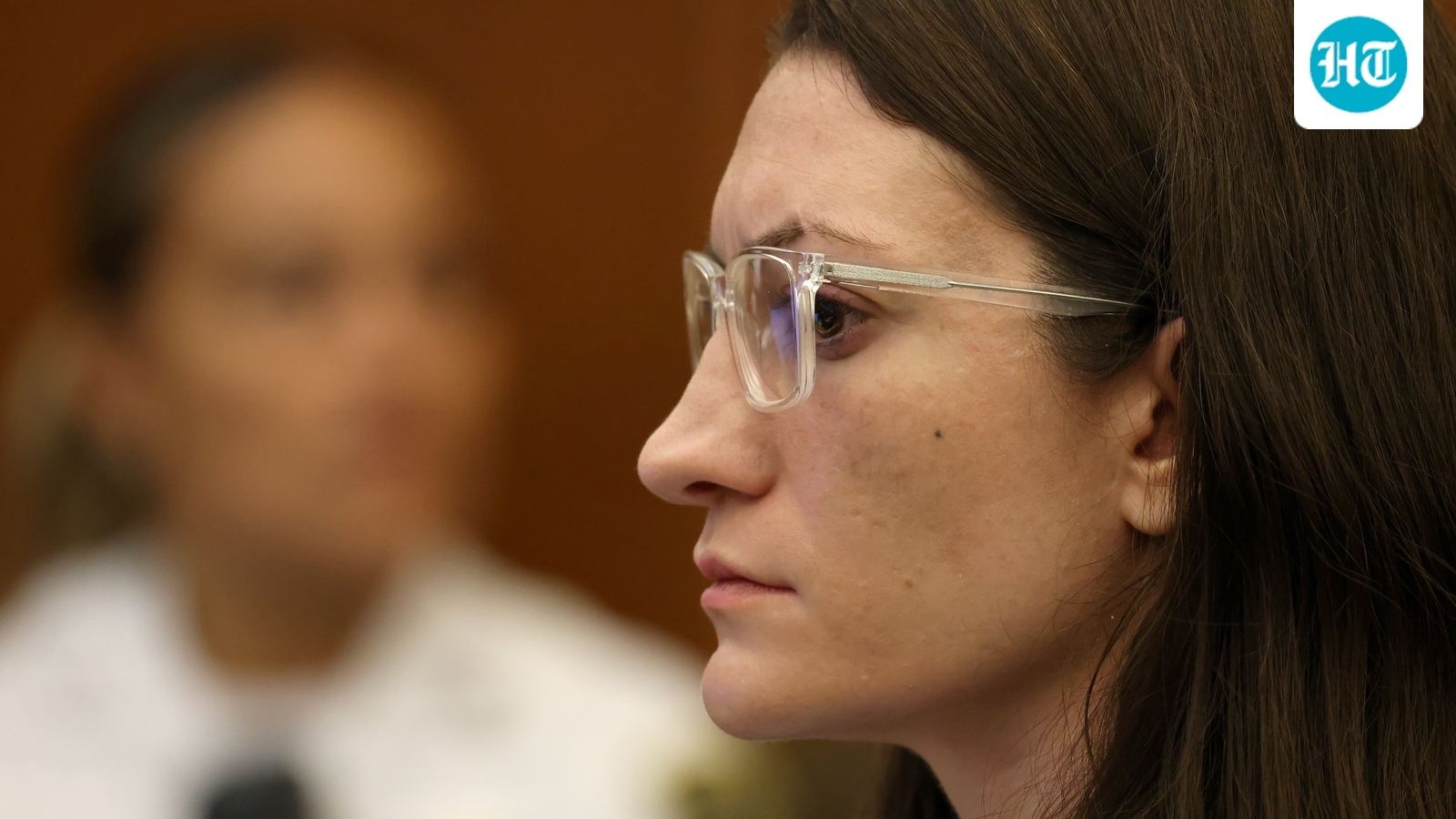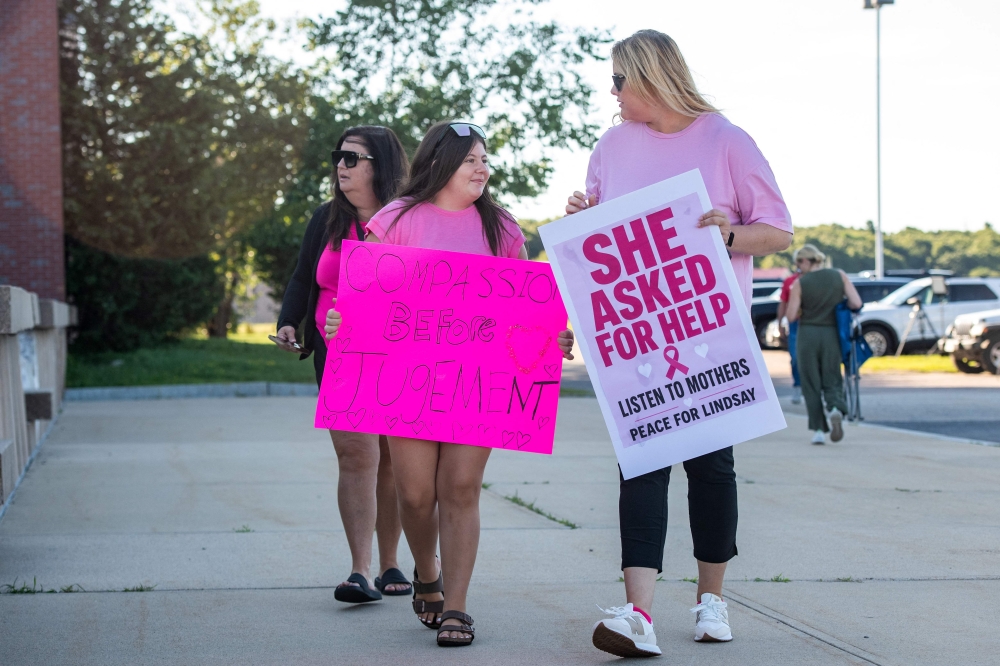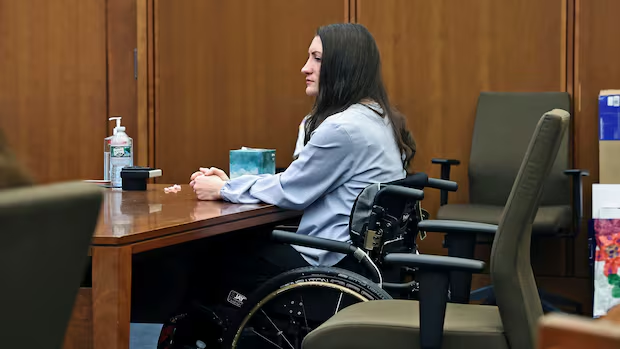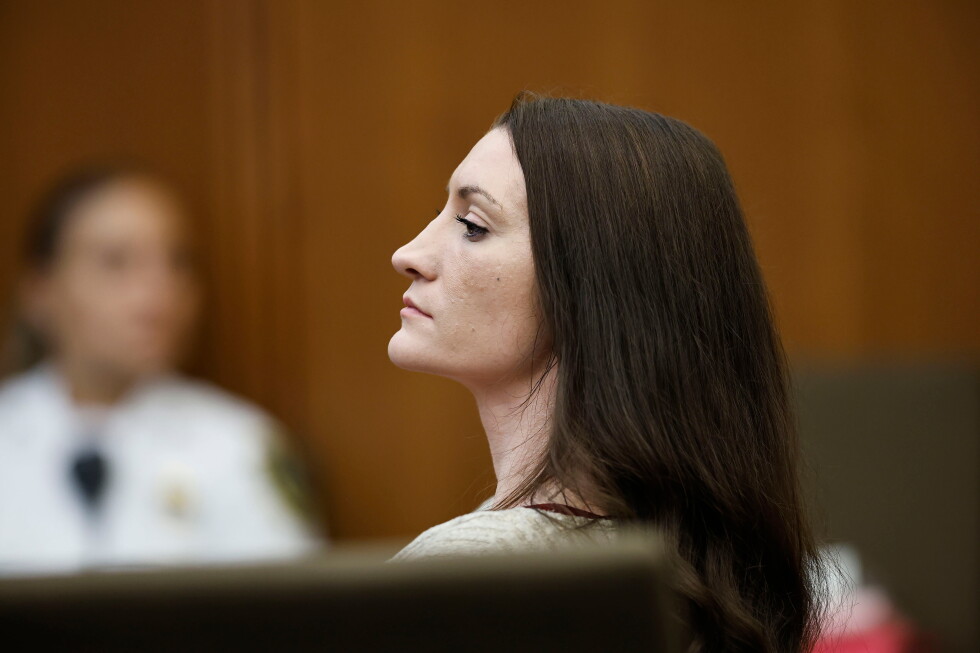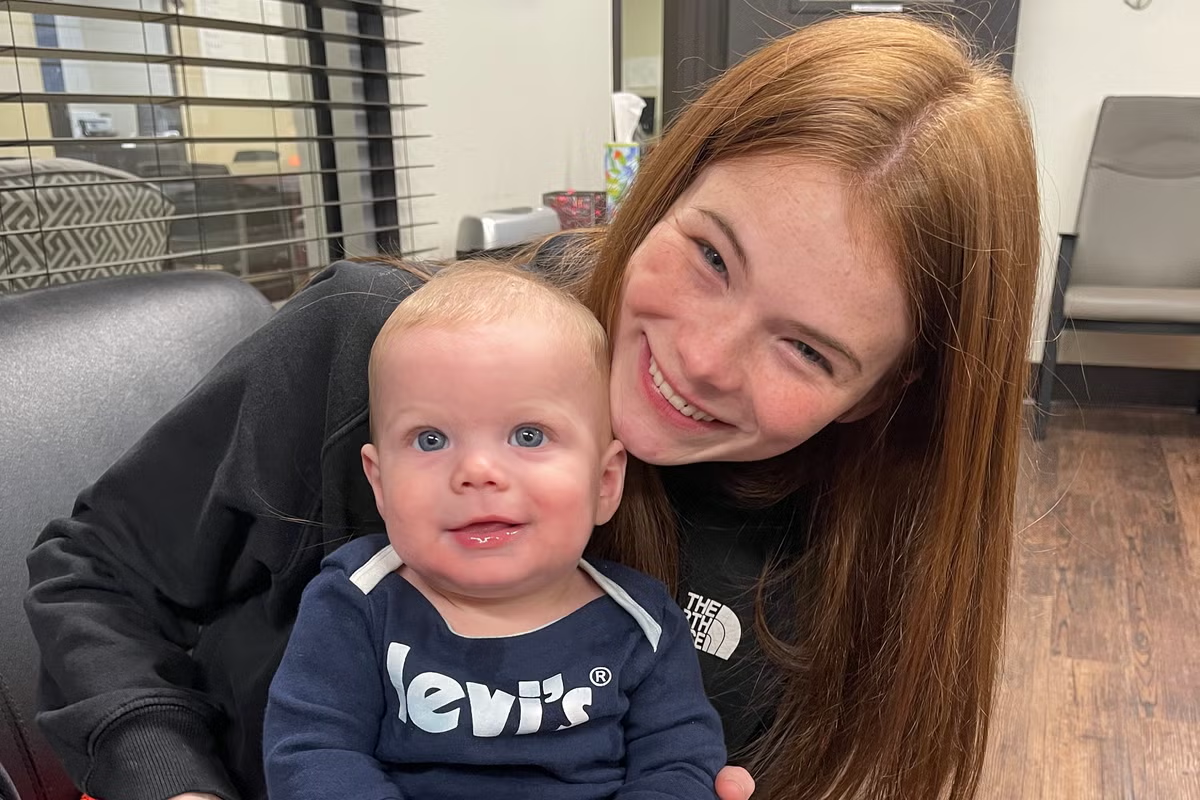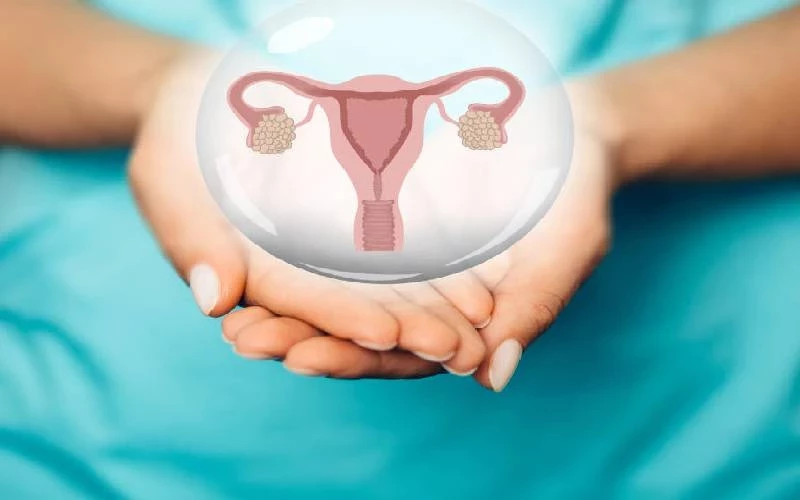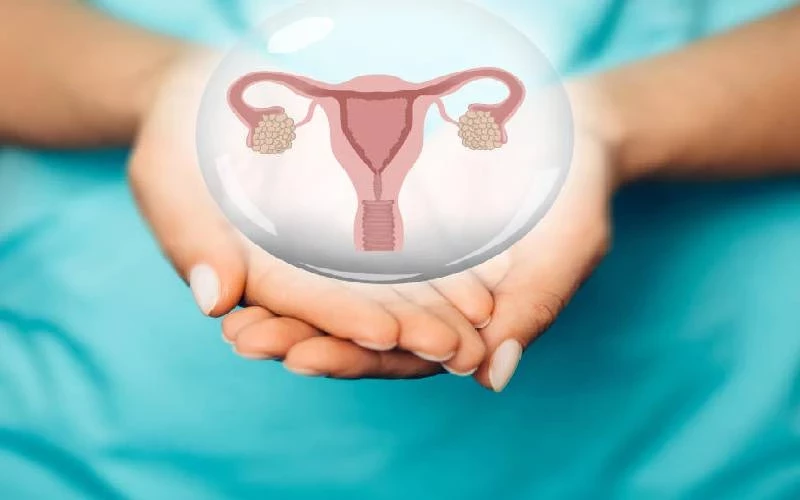
Lindsay Clancy's case has brought up important conversations about maternal health, postpartum support and where the system often fails mothers.gettyLindsay Clancy’s story has gripped headlines for the last several weeks. Clancy is a Massachusetts woman who has been on trial for killing her three children and attempting to take her own life in 2023. Her defense has argued that she was experiencing postpartum psychosis, with voices in her head telling her to kill herself and her three children. Susan Hatters Friedman wrote for MS Now that there are several important aspects of the case that should not be overlooked, such as how Clancy’s race, class, and gender shape public perceptions and the amount of support she’s received thus far. Clancy’s case has also brought up important conversations about maternal health, postpartum support and where the system often fails postpartum mothers. “Returning to work after having my daughter had a significant impact on my mental health,” shared talent acquisition consultant Jalonni Weaver. “I was navigating new motherhood while also trying to figure out who I was outside of being a mom. Going back into a corporate environment meant immediately switching back into employee mode when, emotionally, I was still adjusting to becoming a parent. There was also the pressure of performing at the same level I had before having a baby, while my priorities, capacity and perspective had completely changed.”Lindsay Clancy is a Massachusetts woman who has been on trial for killing her three children and attempting to take her own life.Boston Globe via Getty ImagesWeaver went on to share, “What would have helped most was more flexibility and more empathy…not just policies on paper but managers who genuinely understood that becoming a parent changes you. A flexible hybrid schedule, reasonable expectations during the transition back, protected time to handle my child’s needs and a manager who treated me like a whole person rather than just an employee would have made a huge difference. I also think workplaces need to stop treating parental leave as the finish line. The transition back to work is its own adjustment period and support shouldn’t disappear the day you return.”“We have to rethink how we support employees after childbirth,” explained Keisha Toussaint, HR expert and founder of a boutique agency called BCC’d HR, in an email. “Too often, organizations treat maternity leave as the finish line: an employee returns, their access is restored, their workload resumes, and we assume they’re ready to operate exactly as they did before. But returning to work doesn’t mean someone has finished recovering physically or mentally. Employers should be building more intentional re-entry practices—manager training, regular check-ins, clear access to mental-health resources, and flexibility or accommodations when needed. HR shouldn’t be diagnosing postpartum mental-health conditions, but we should be creating an environment where an employee can say, ‘I’m struggling,’ and know what happens next.”"Workplaces need to stop treating parental leave as the finish line."gettyIn an informal LinkedIn poll directed towards women returning to work after having a baby, based on 41 responses, only 14% of respondents felt very supported by employers while more than 50% of respondents indicated they were either not very supported or not supported at all by their employer. It’s clear that more infrastructure is needed to support women and birthing parents coming back from parental leave. As Toussaint explained, it shouldn’t be when an employee says they are drowning that employers throw them a life jacket—there should be systems in place already to support new parents that include more flexibility around projects, assignments and expected deliverables as well as robust mental health support. On a societal level, more conversations about postpartum health are needed. Many people are still unaware of how postpartum depression, anxiety and psychosis can show up for birthing parents, so more discussion is needed to demystify these conditions. Luckily with the advent of social media, more people are sharing their experiences with these conditions, and this will hopefully contribute to the dispelling of myths about these conditions. Organizations and institutions should also think about ways to provide learning opportunities for employees to help educate them about these conditions, which can also help them support fellow employees who may be experiencing these conditions.
Lindsay Clancy’s Story Opens Up Conversations About Postpartum Support
As the nation watches Lindsay Clancy's murder trial, her story is prompting harder questions about postpartum mental health and workplace support for new moms.
699 words~3 min read