Imagine an unusual illness beginning to spread quietly in a community.
One person develops a fever, while another reports diarrhoea. A mother searches online for the cause of her child’s persistent symptoms, and a health worker notices several patients presenting with similar complaints.
Individually, the incidents may appear insignificant. But analysed together, such signals could reveal a pattern that warrants investigation.
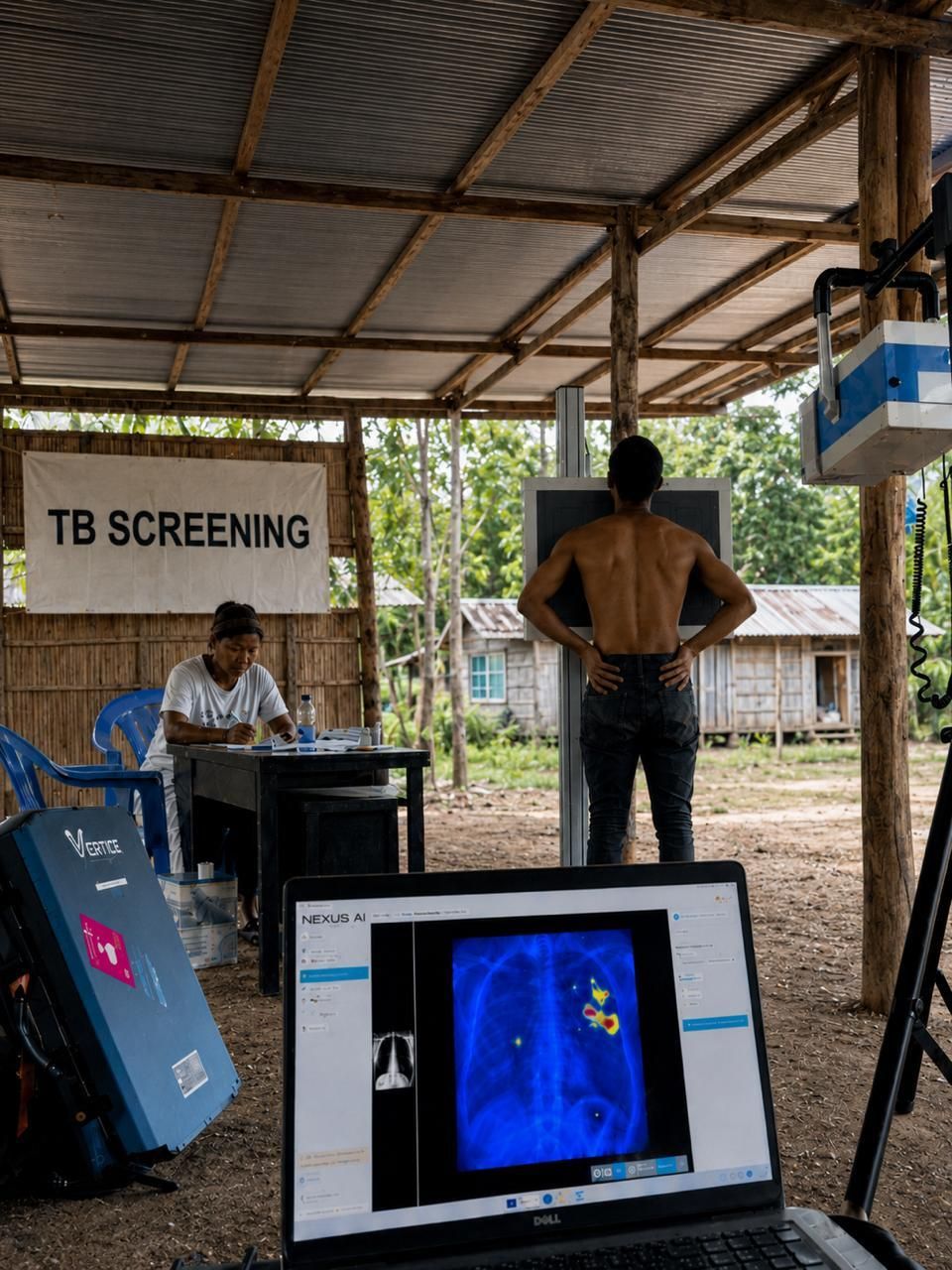
That is where artificial intelligence is beginning to attract attention in disease surveillance.
Rather than waiting for hospitals and laboratories to confirm enough cases to establish an outbreak, AI systems can analyse information from multiple sources, including health records, laboratory reports, news reports, social media, environmental data, climate information, mobility patterns and wastewater.