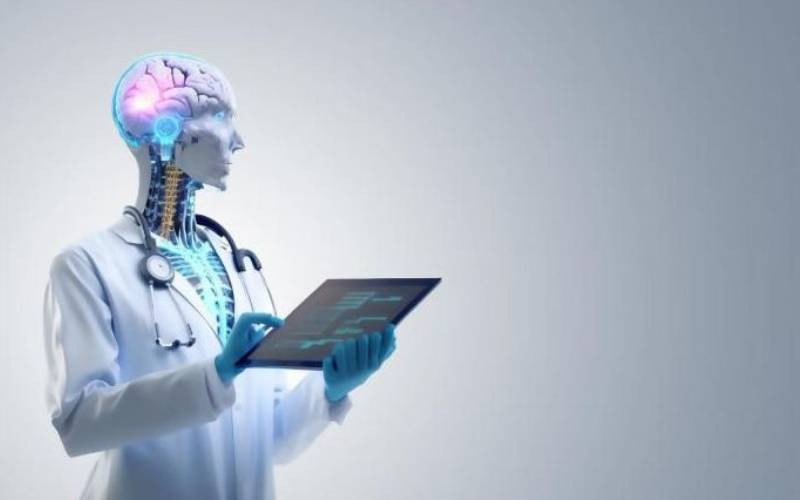
AI systems may also produce errors or reflect limitations in data, reinforcing the importance of responsible implementation, regulation and continued human oversight. [iStockphoto]
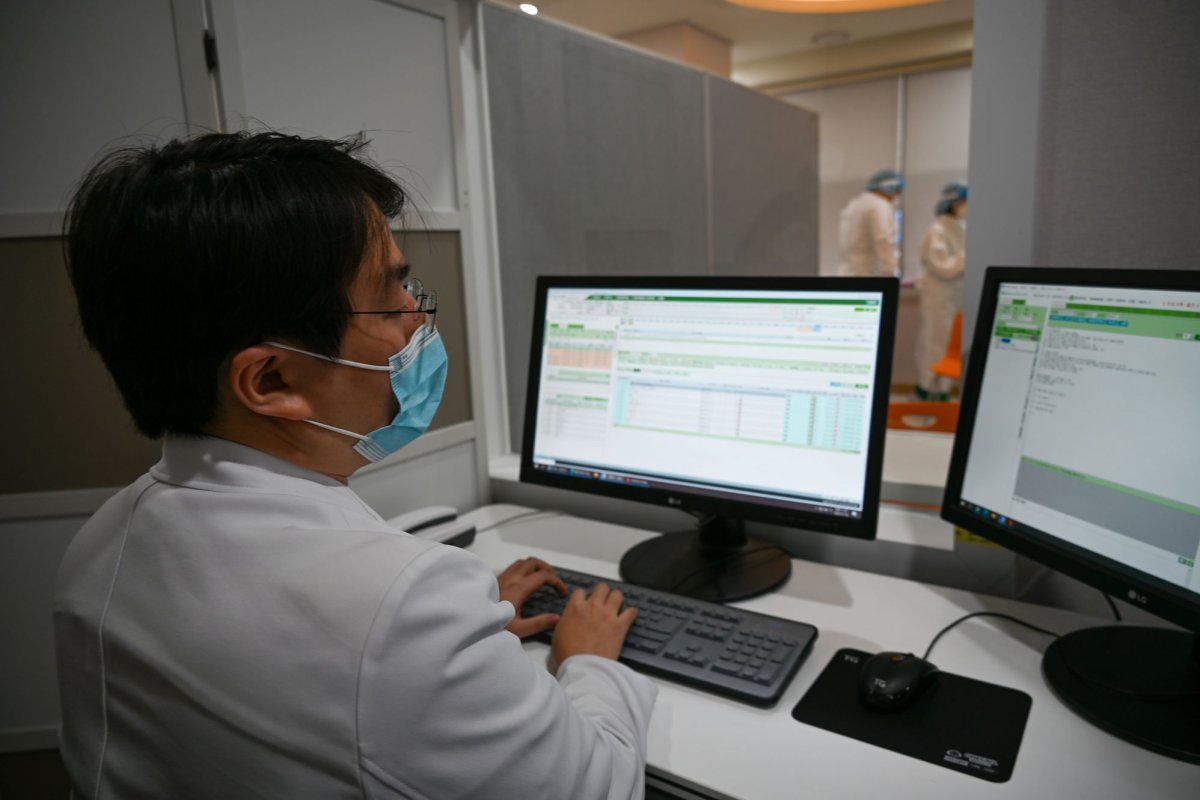
It is a Tuesday afternoon in one of Nairobi’s busy hospitals. The waiting area is overcrowded, tempers are rising and frustration is visible on patients’ faces. A nurse calls in the 50th patient of the day, while an exhausted specialist still has dozens waiting outside. This is routine for many healthcare workers in Kenya and across the world.
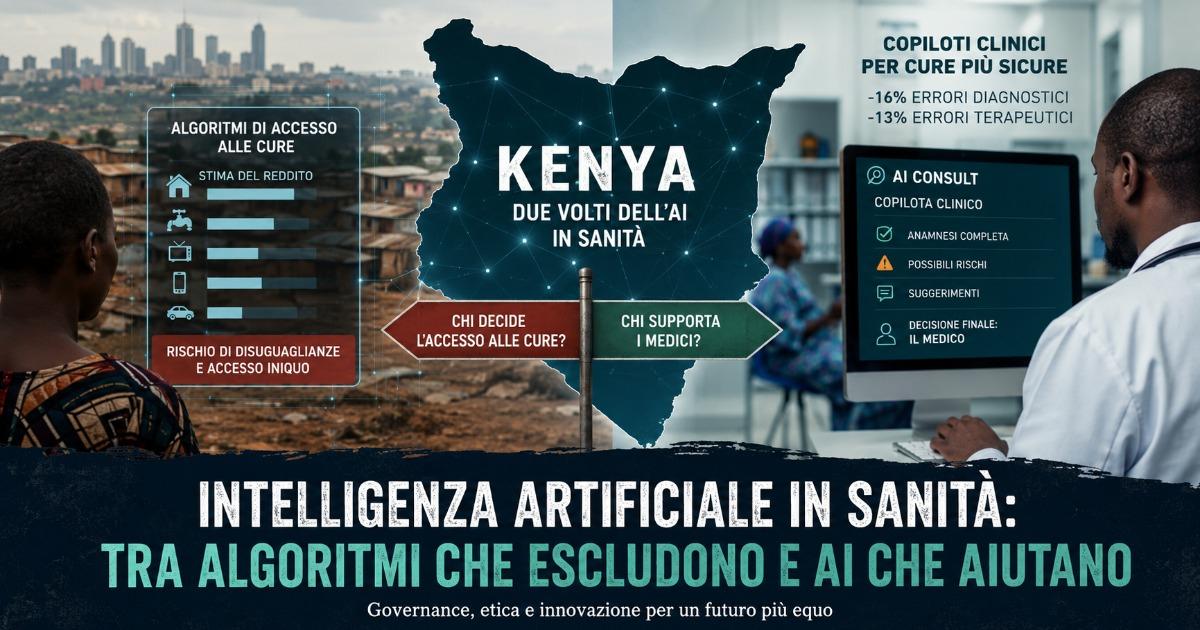
Under such conditions, even experienced clinicians can miss warning signs, delay diagnoses or overlook critical details, not because they lack competence, but because healthcare systems are stretched beyond their limits. This is the context in which artificial intelligence (AI) in healthcare should be understood.
Yet AI in healthcare often sparks understandable anxiety among clinicians. Some fear automation could replace jobs, while others worry that algorithm-driven recommendations may undermine clinical judgement and weaken the human connection at the heart of medicine. These concerns are valid, but they reflect uncertainty about implementation more than the technology itself.