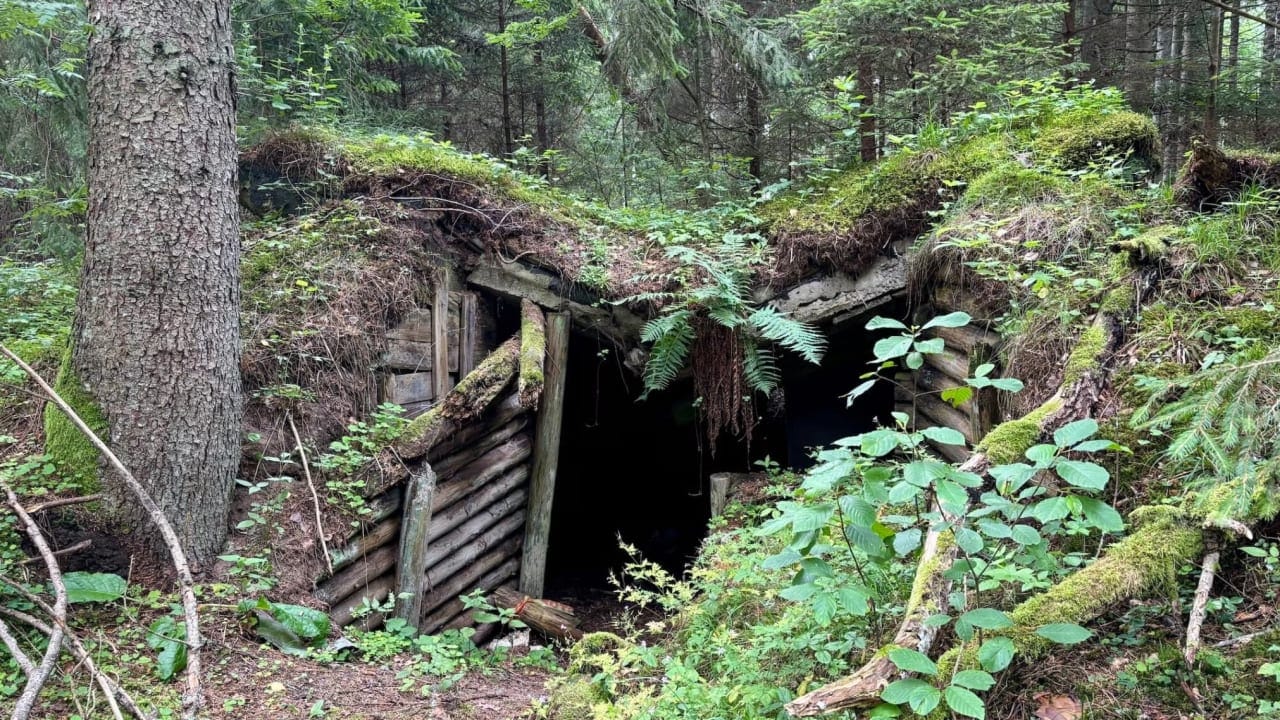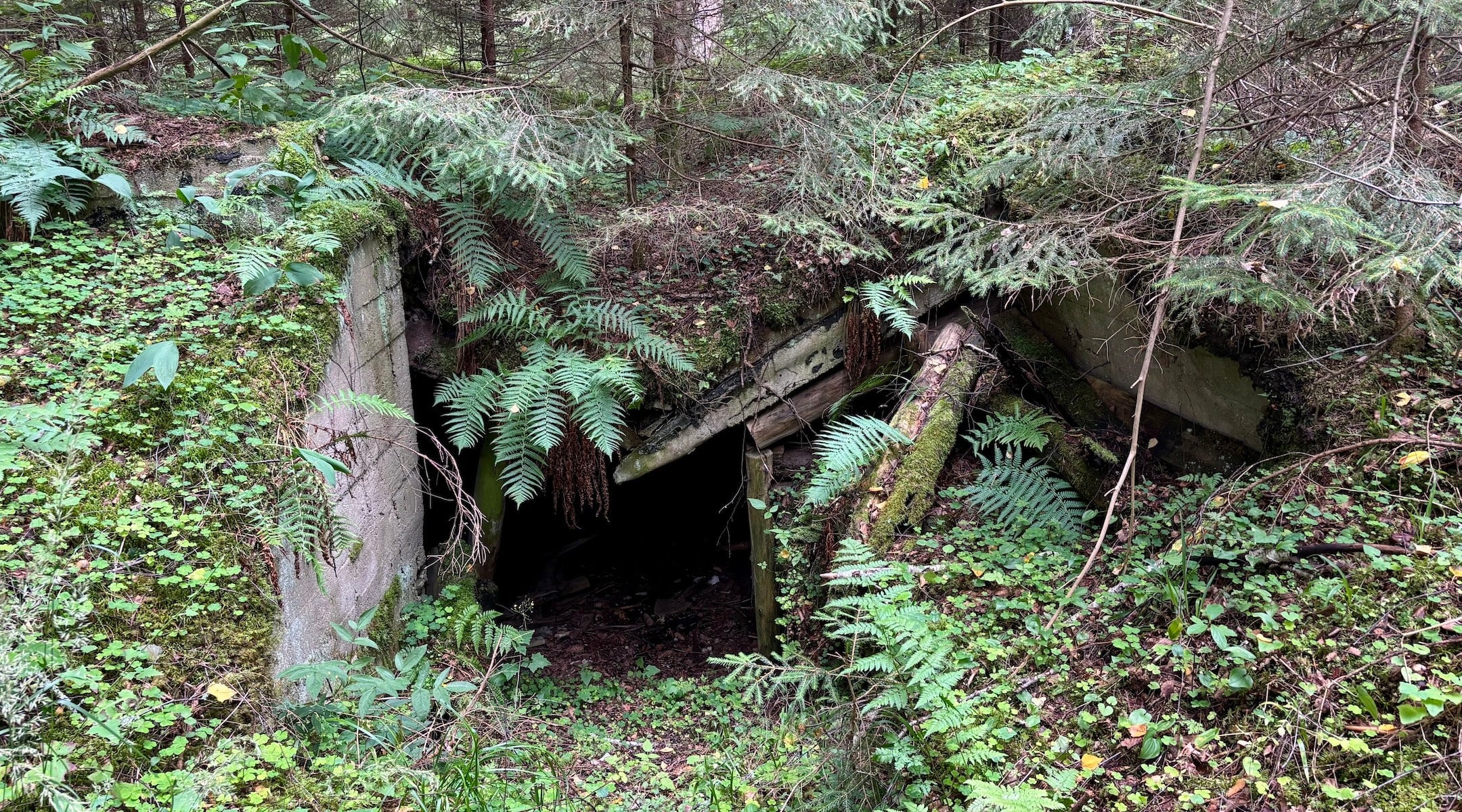
RUDNINKAI, Lithuania (JTA) — Deep in the trees and swampy thickets of Lithuania’s Rudninkai Forest, a series of makeshift forts is sinking into the earth.
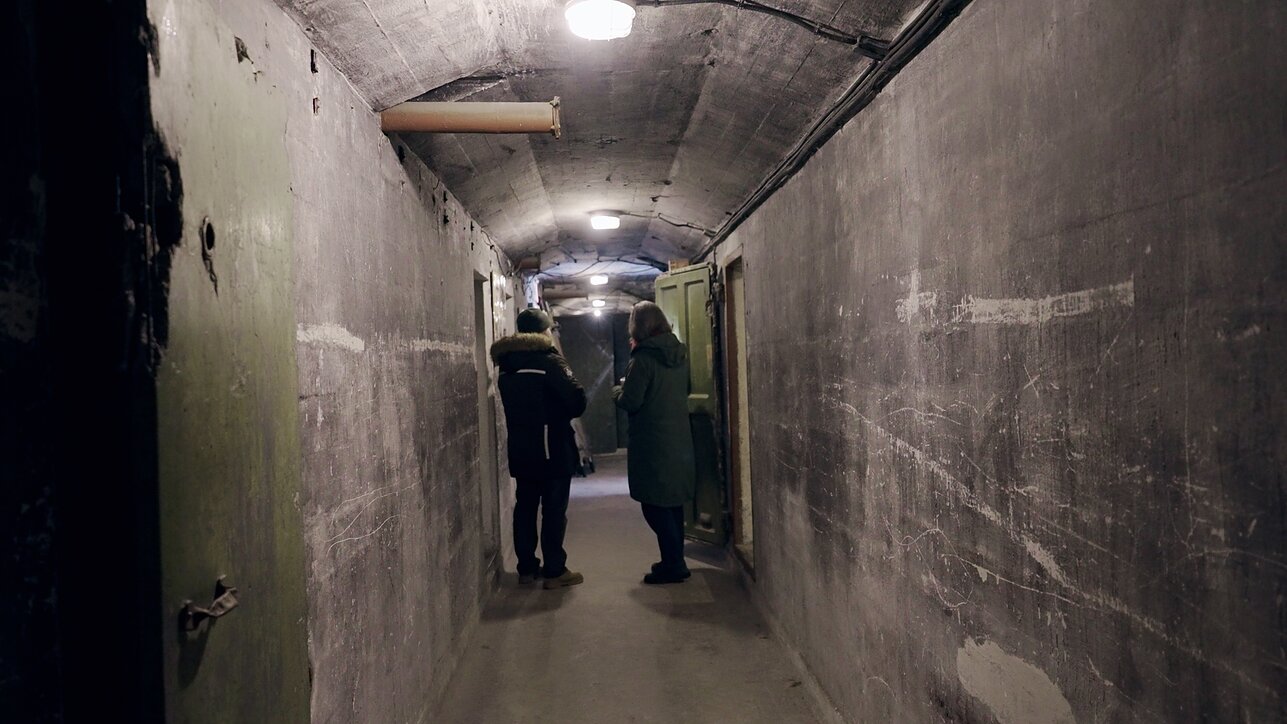
These represent the remains of underground bunkers where Jewish partisans resisted their annihilation in the Holocaust. Under German occupation, some 400 Jews escaped the Vilnius ghetto to this forest and organized attacks against the Nazis.
After World War II, the story of these partisans was folded into Soviet propaganda, leaving a shroud of mystery over the bunkers. Now, construction of a new German military base in the area is throwing into question the fate of the forts — and the memory of their fighters.
Jewish former partisans and their descendants have traveled for decades to visit the bunkers, which mark the only memorial to their resistance in Lithuania. But in recent months, new obstacles have appeared: Signs forbidding entry and demarcating a “dangerous area” are installed on the road to the forest and pinned on trees approaching the forts.
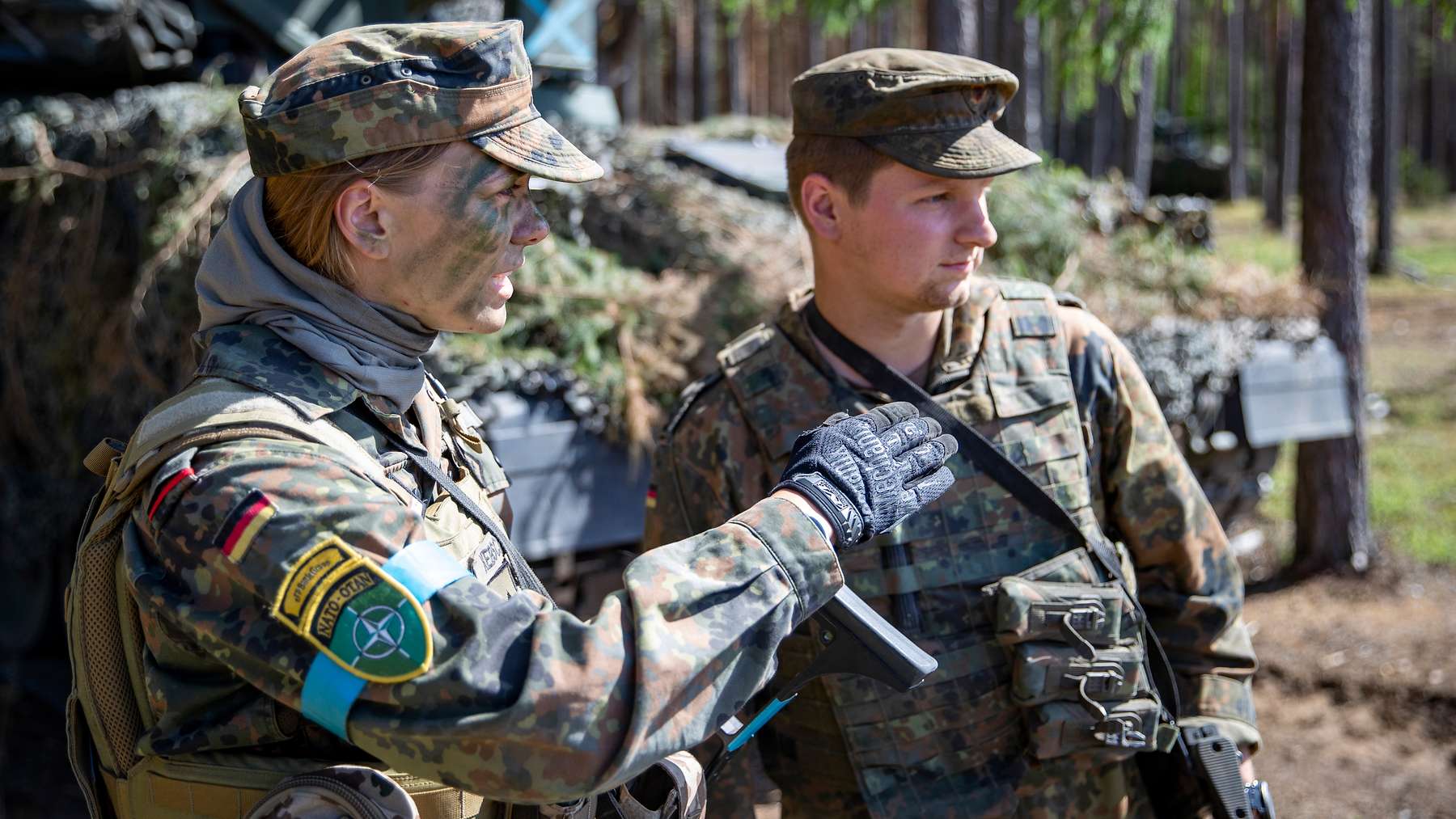
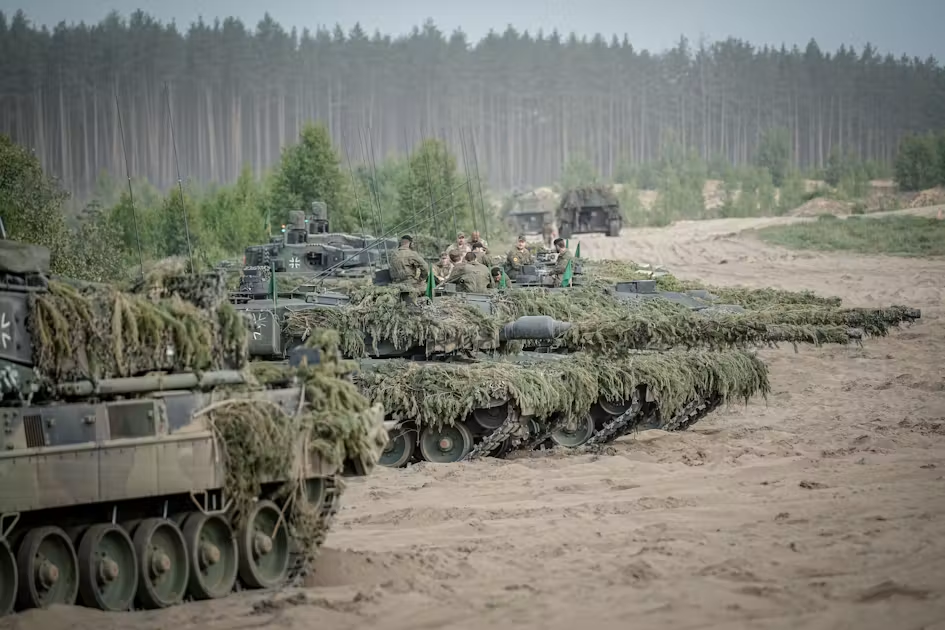
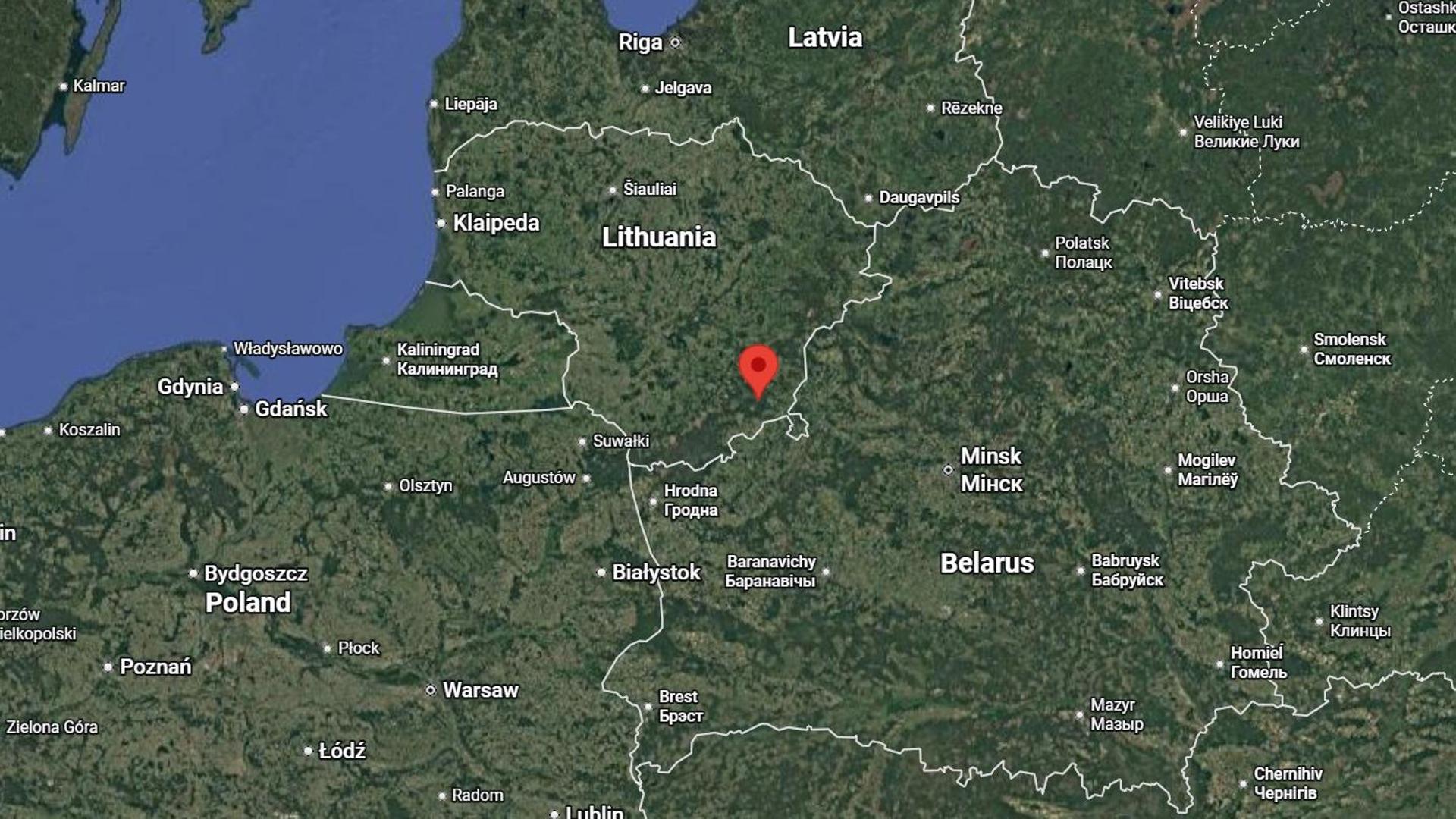
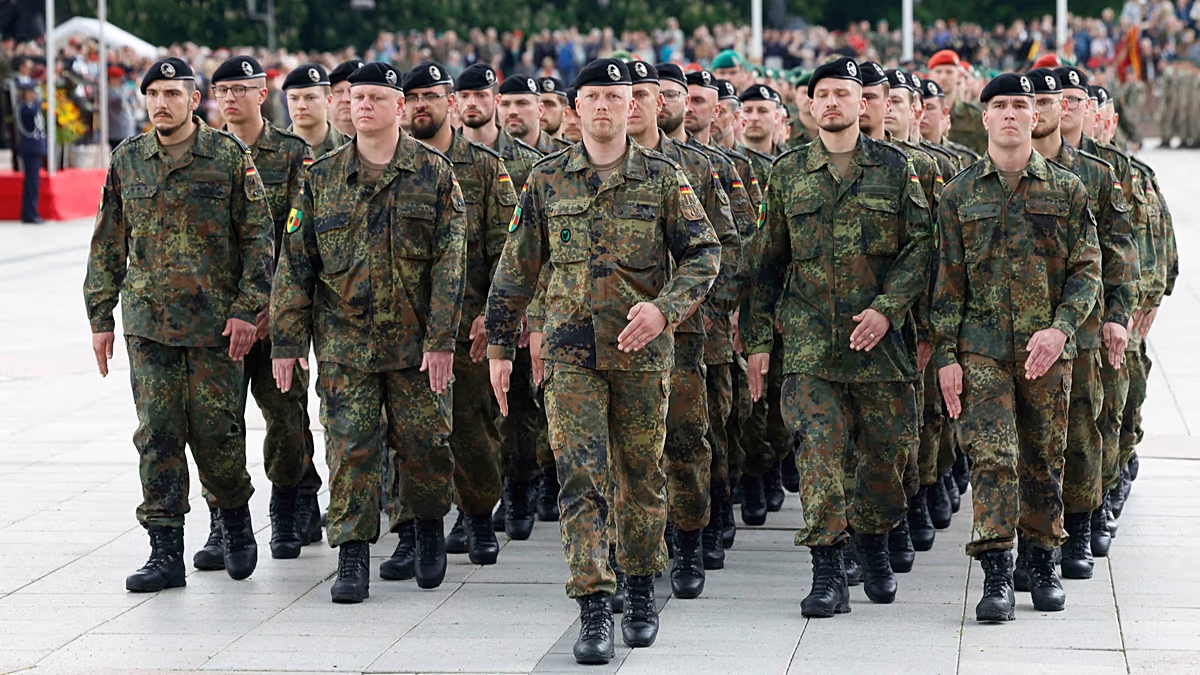
Lithuania is nearing the final stage of constructing a military base for German troops in Rudninkai Forest, nestled about 27 miles south of Vilnius. The training ground near the former partisan camps was planned after Russia’s 2022 invasion of Ukraine to shore up NATO’s eastern flank. Strategically located some 12 miles from the border with Moscow-allied Belarus and east of Russia’s Kaliningrad exclave, the troops will be Germany’s first permanent deployment abroad since WWII. About 5,000 German soldiers will begin arriving this fall.