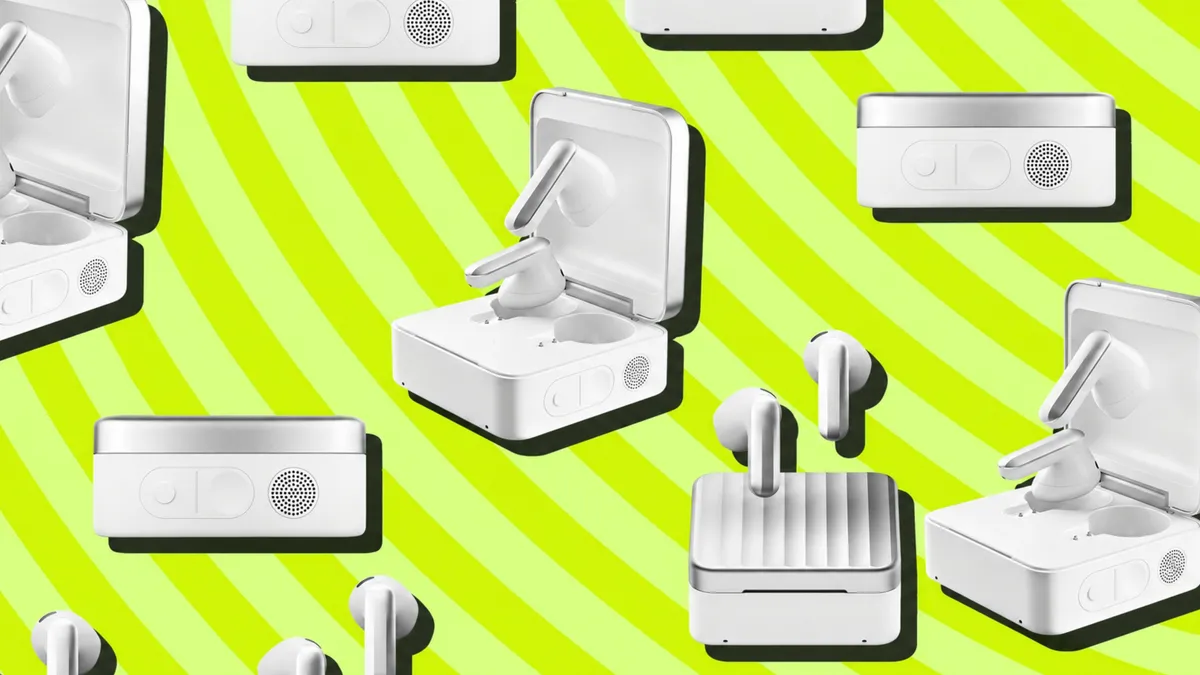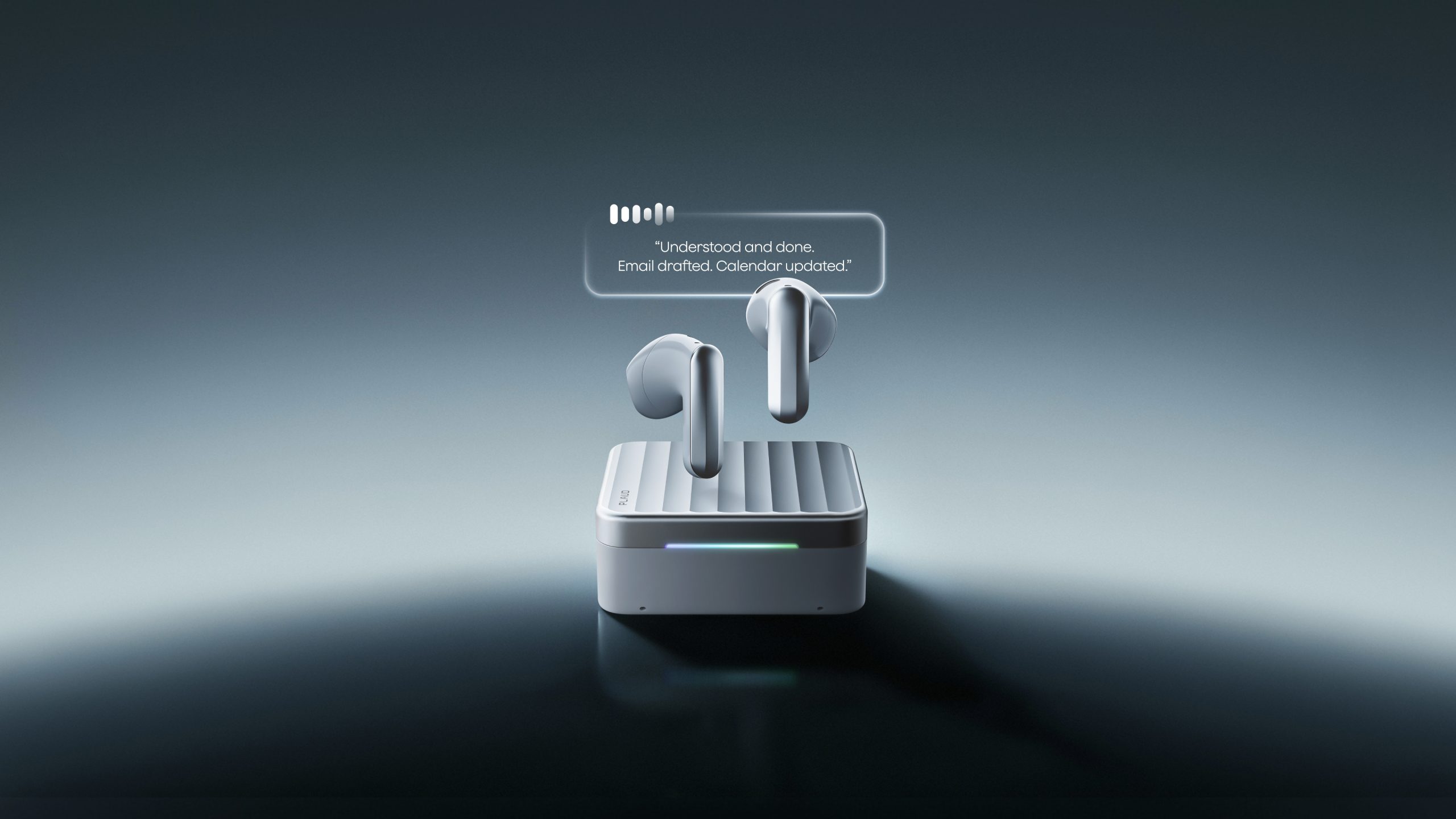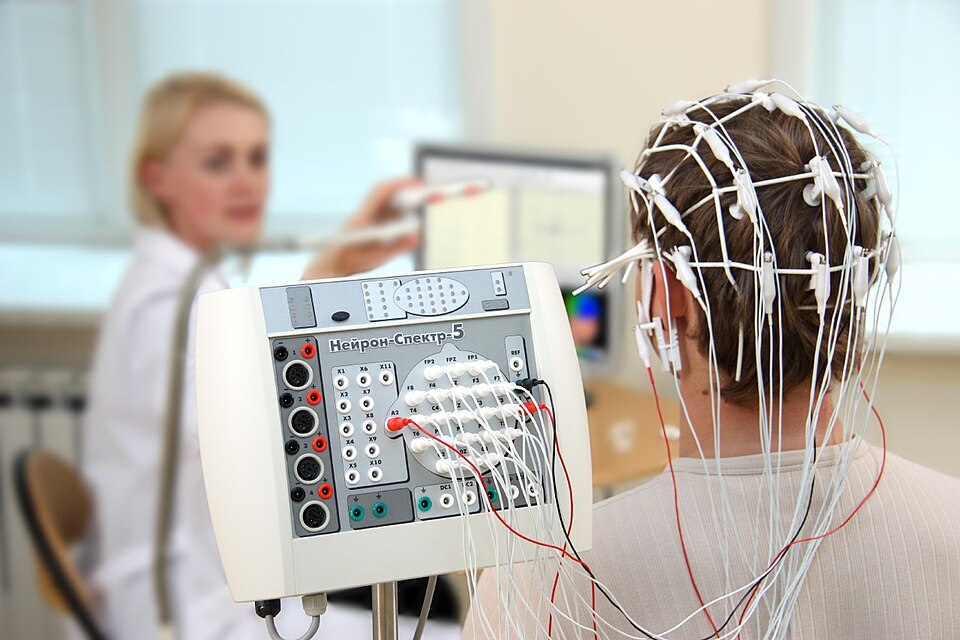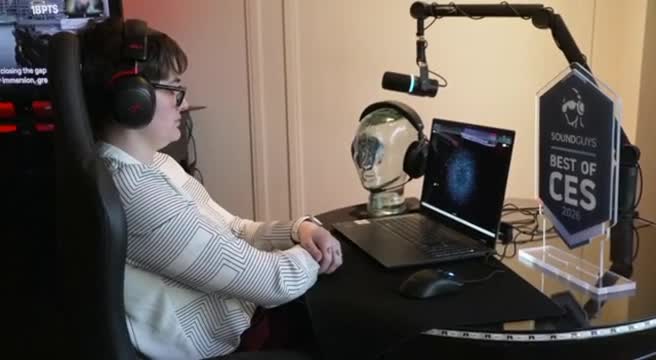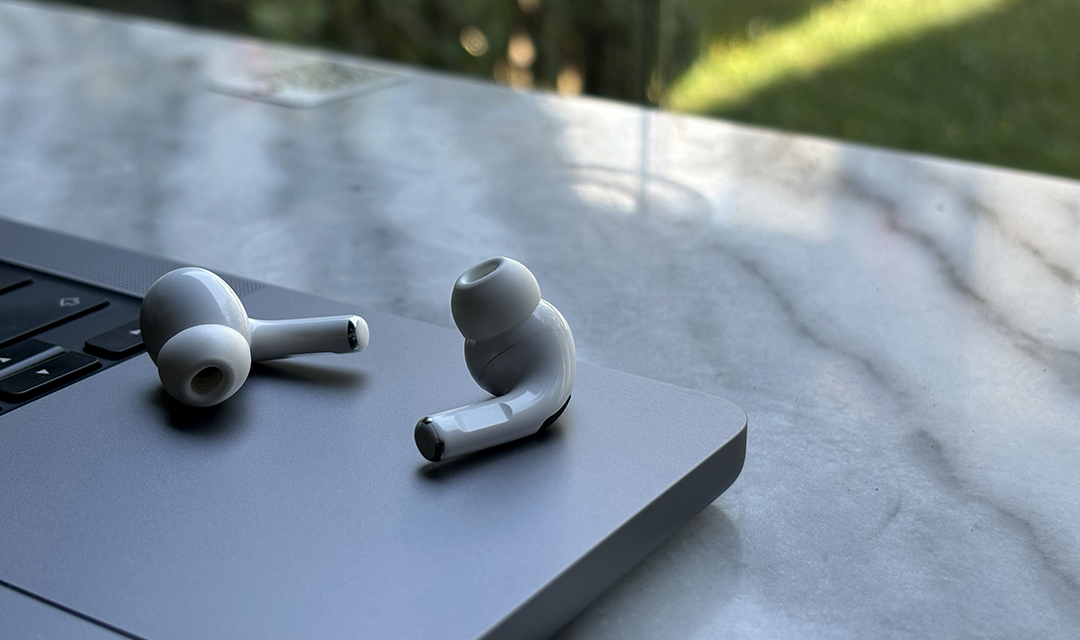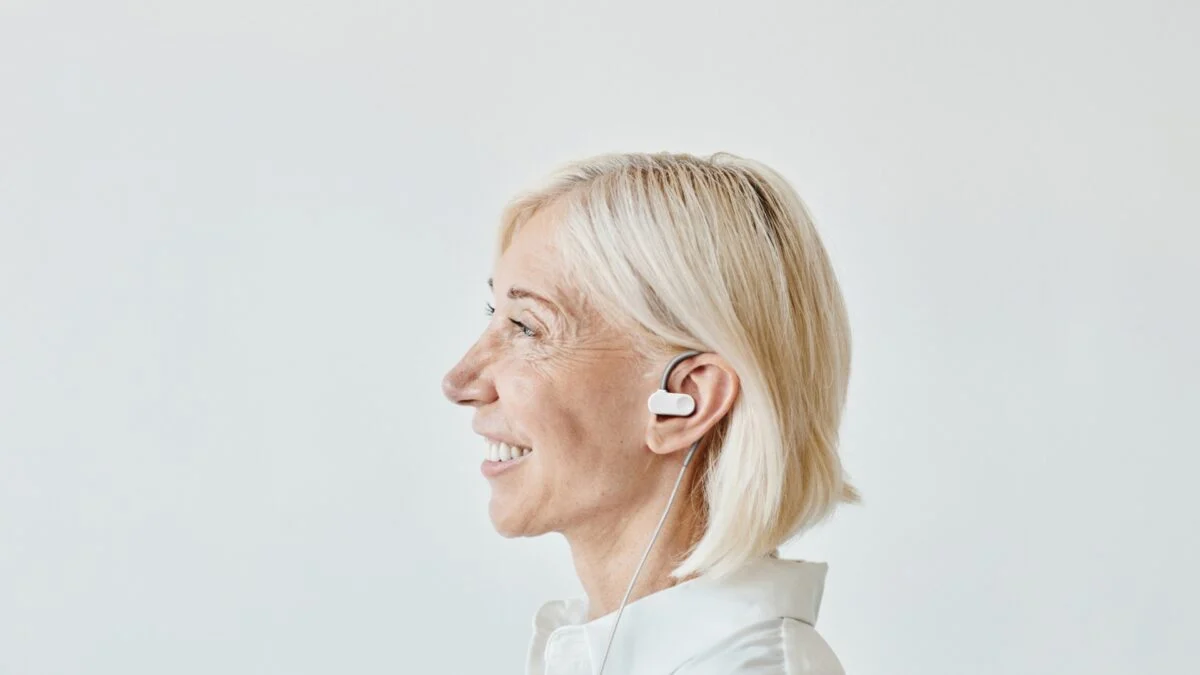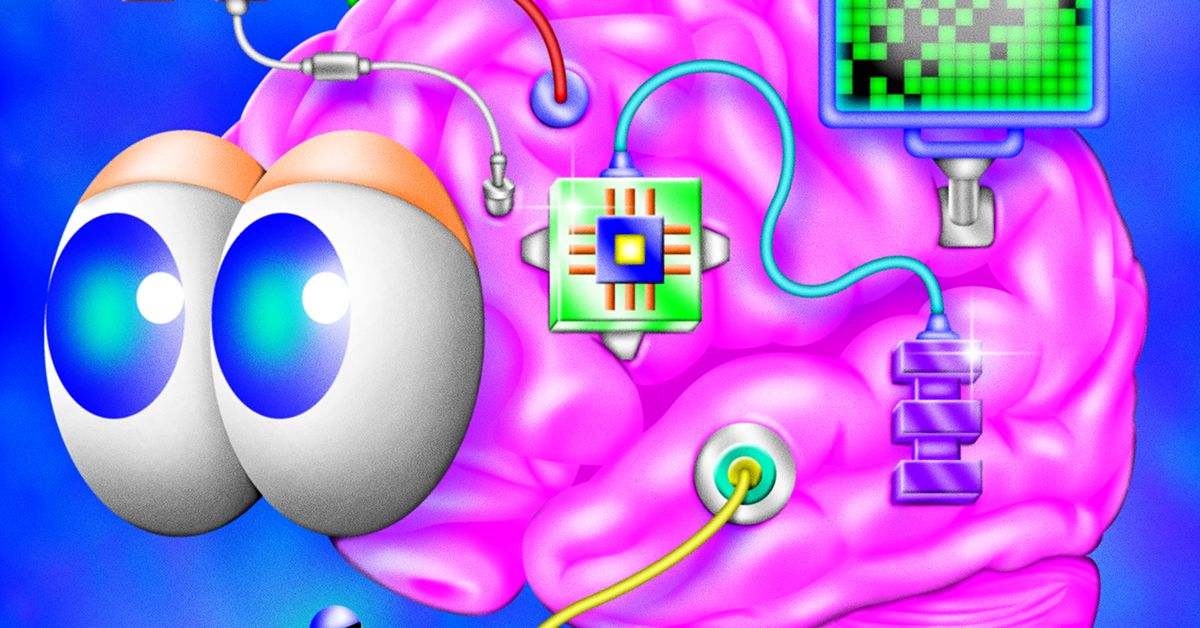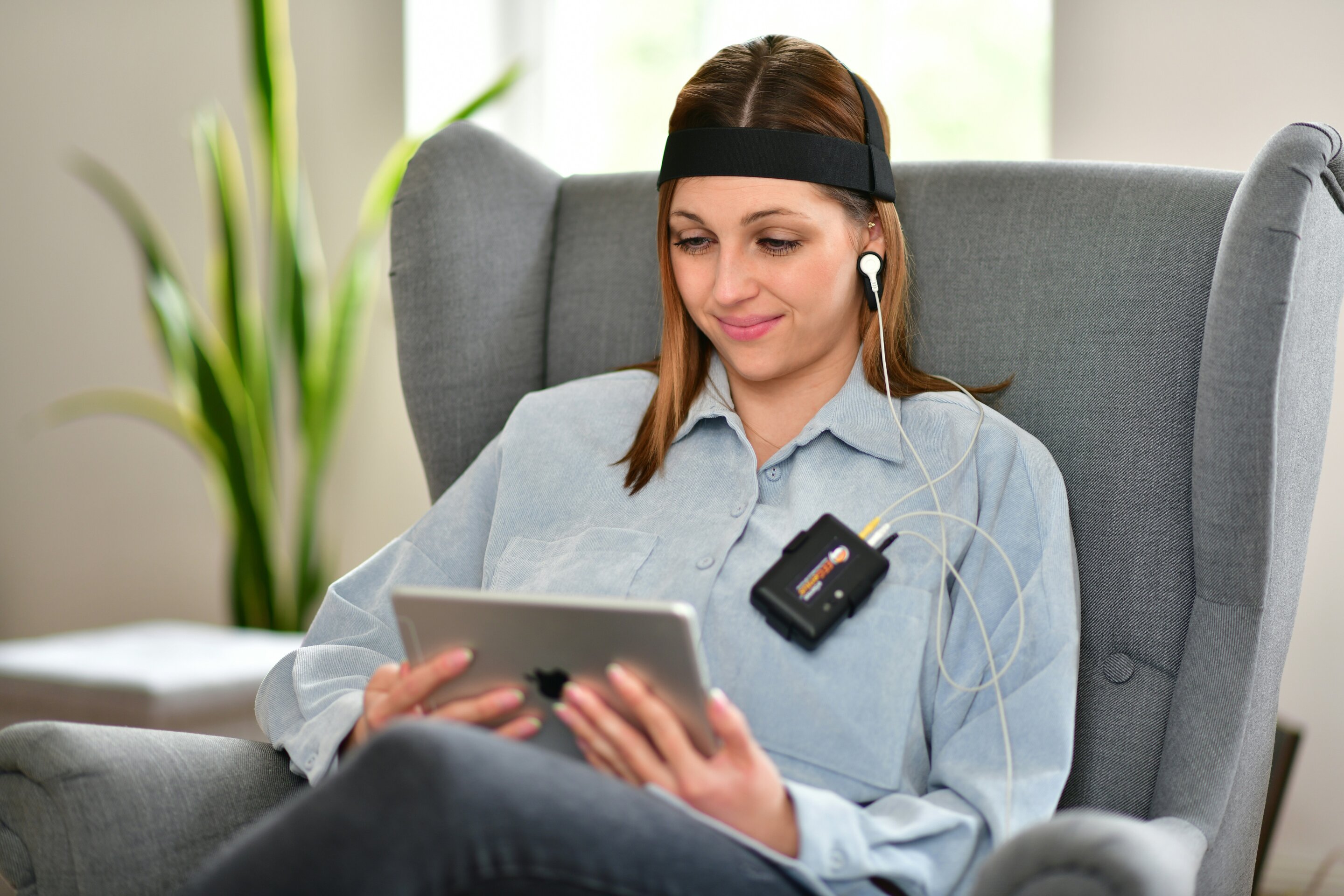
While it may sound like science fiction, earbuds that read brain activity are already on sale. Wearable technology company Neurable claims that its headphones, equipped with electroencephalography (EEG) sensors, can track your fatigue and reduce burnout. At night, NextSense's Smartbuds pick up the electrical signals of your brain to chart your sleep. By day, the same EEG sensors help schedule demanding tasks for the hours when you are sharpest.
Interest is not confined to specialist companies. In 2023, Apple filed a patent application for AirPods with electrodes that would measure brain activity. With hundreds of millions of earbuds already in circulation, Apple's venture into EEG technology would pave the way for truly widespread, mainstream adoption.
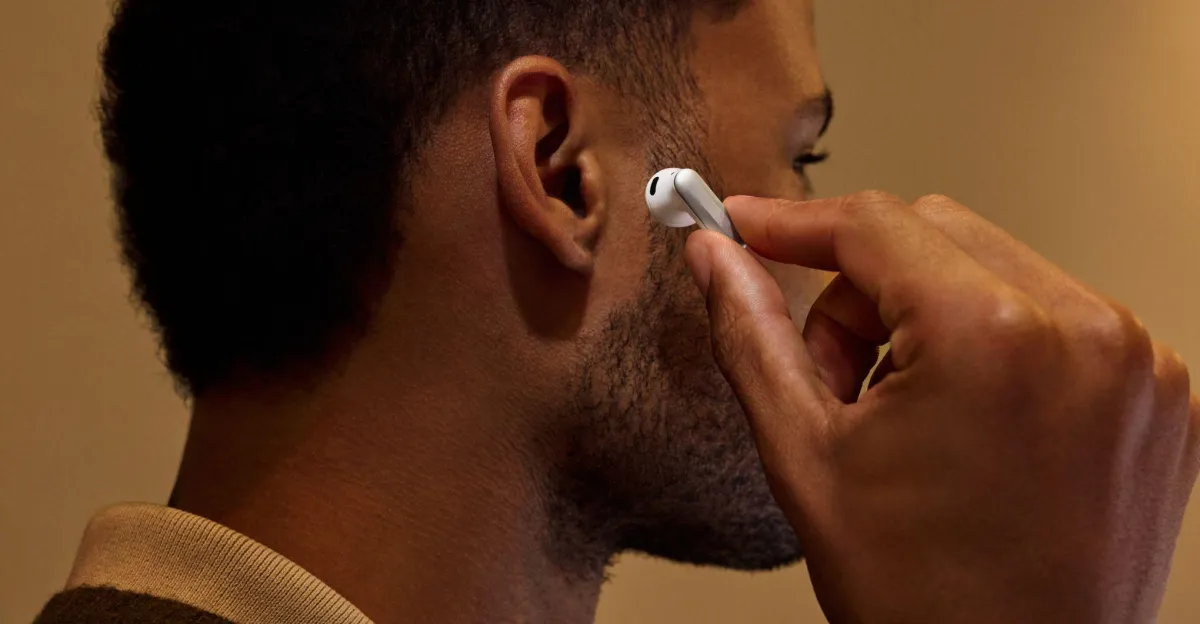
While this technology may sound futuristic, it certainly doesn't look it. There are no glowing headsets, no visible apparatus and no solemn declaration that the brain itself has now become an interface. Instead, the shift is so quiet and gradual that it would be easy to miss altogether.
In the near future, a 10-year-old given brain-sensing earbuds won't experience them as neurotechnology—they'll just be earbuds they wear to sleep, study or focus. One day, that child could well become an employee at a workplace where brain monitoring is unremarkable.