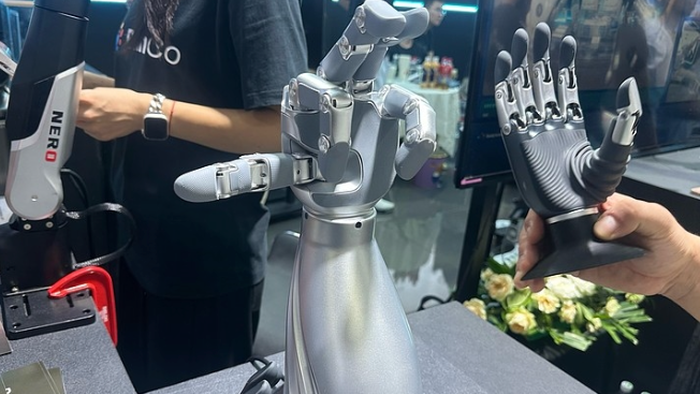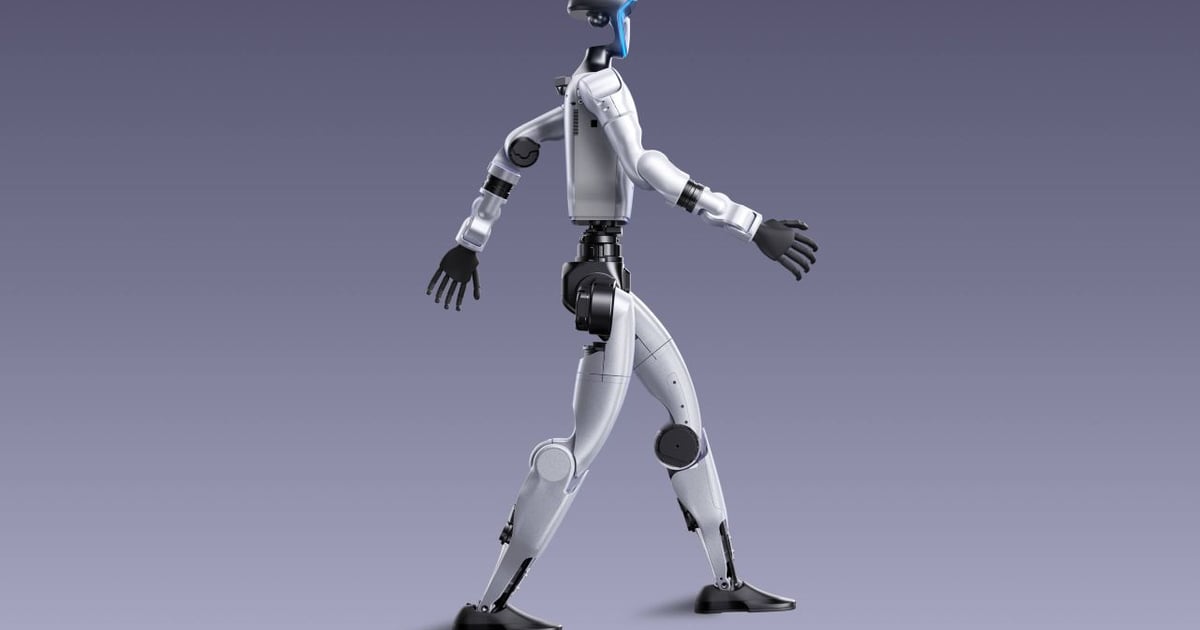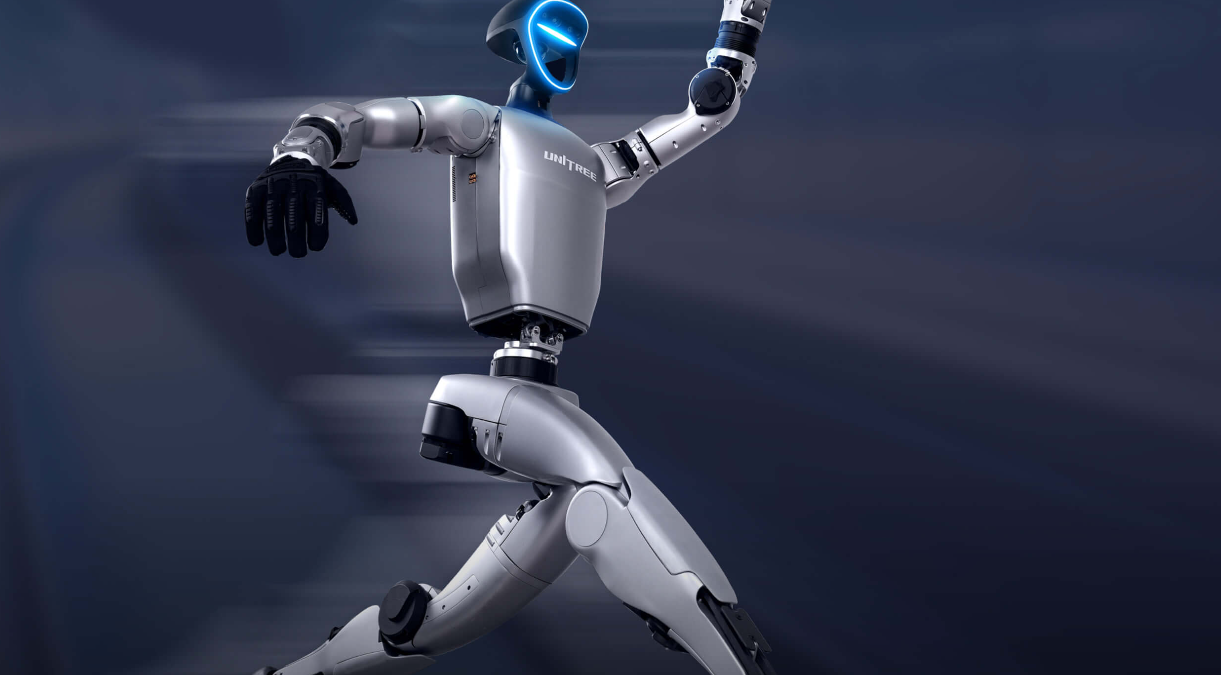
China’s government is pouring money into humanoid robots at a pace that would make a venture capitalist blush. Central and local governments committed at least $230 million to humanoid robotics procurement in the first half of 2026 alone, up from $62 million in the same period last year and a modest $6 million in the first half of 2024. That is a roughly 40-fold increase in two years, and the checkbook is still open.
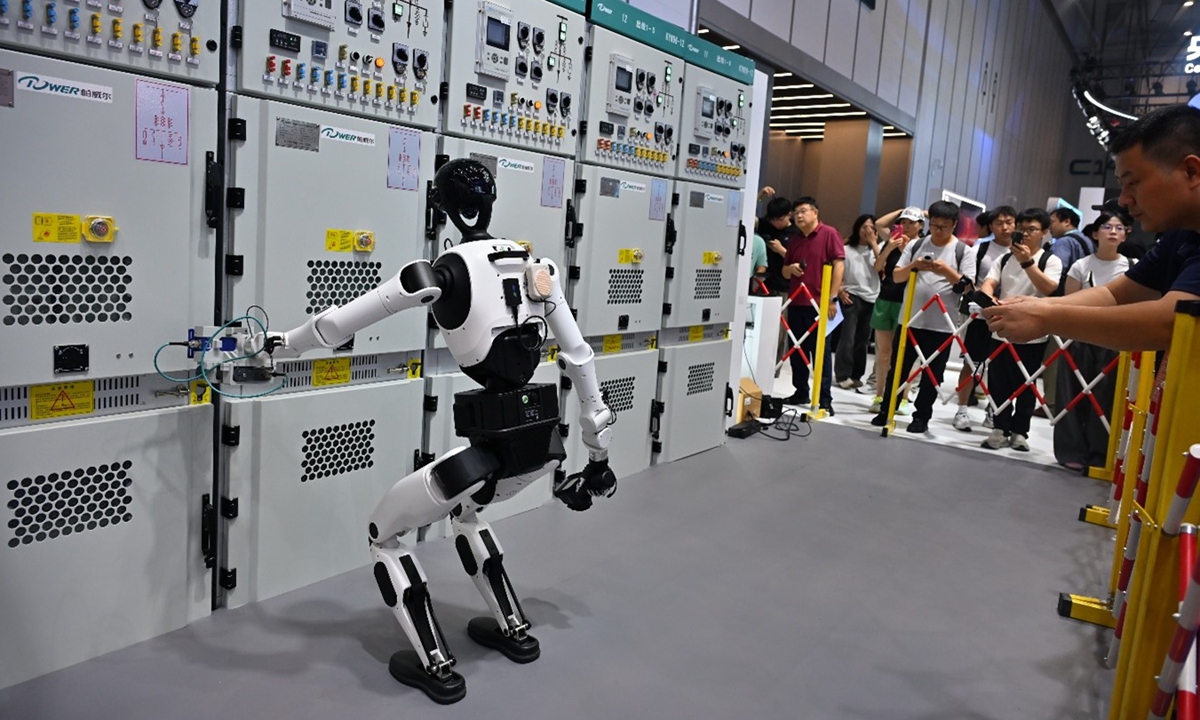
China faces an acute labor shortage driven by a rapidly aging population, and humanoid robots are the government’s preferred long-term answer. The problem is that the robots being deployed today are mostly good at looking impressive in choreographed demonstrations, not at doing the messy, unpredictable work of an actual factory or warehouse floor.
A manufacturing surge built on shaky technical foundations
China produced somewhere between 12,800 and 20,000 humanoid robots in 2025, accounting for roughly 90 to 95 percent of global output. The government’s target for 2026 is to surpass 100,000 units. Morgan Stanley, responding to the scale of government demand, has raised its own 2026 shipment forecast to 50,000 units.
Current models struggle with basic dexterity and have limited ability to operate in environments they weren’t specifically trained for. The deeper issue is data. Training a humanoid robot to navigate the physical world requires what researchers call physical intelligence, and building that requires enormous volumes of real-world interaction data. Analysts estimate the field currently has a deficit of hundreds of thousands of hours of training data against an estimated requirement of 100 million hours for robust, generalizable capability.