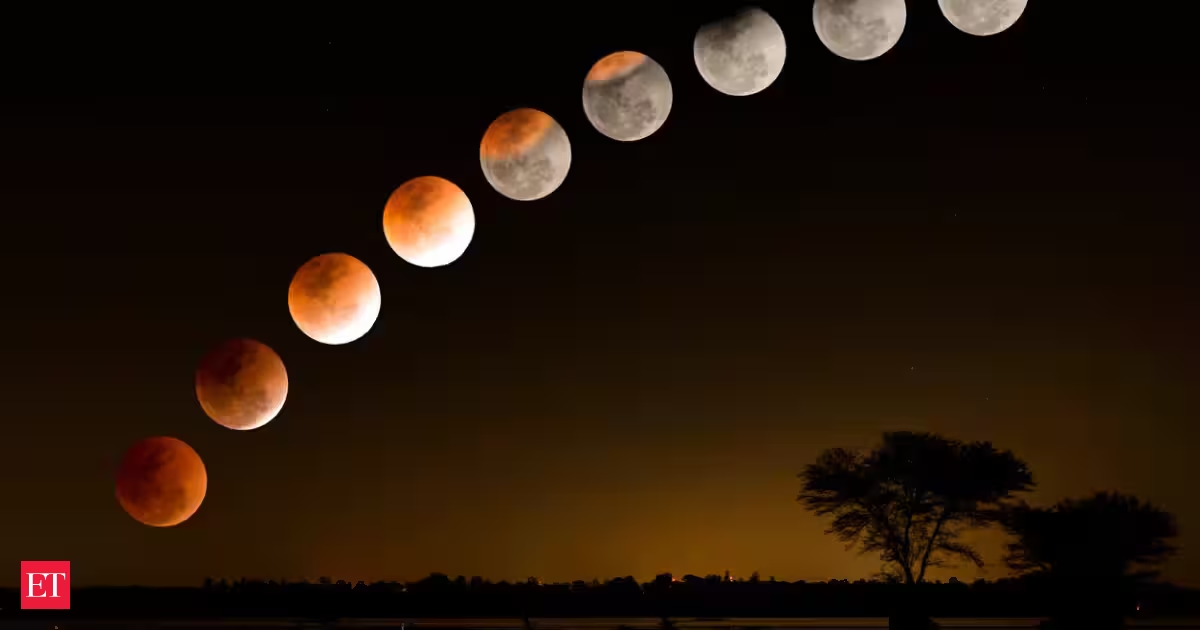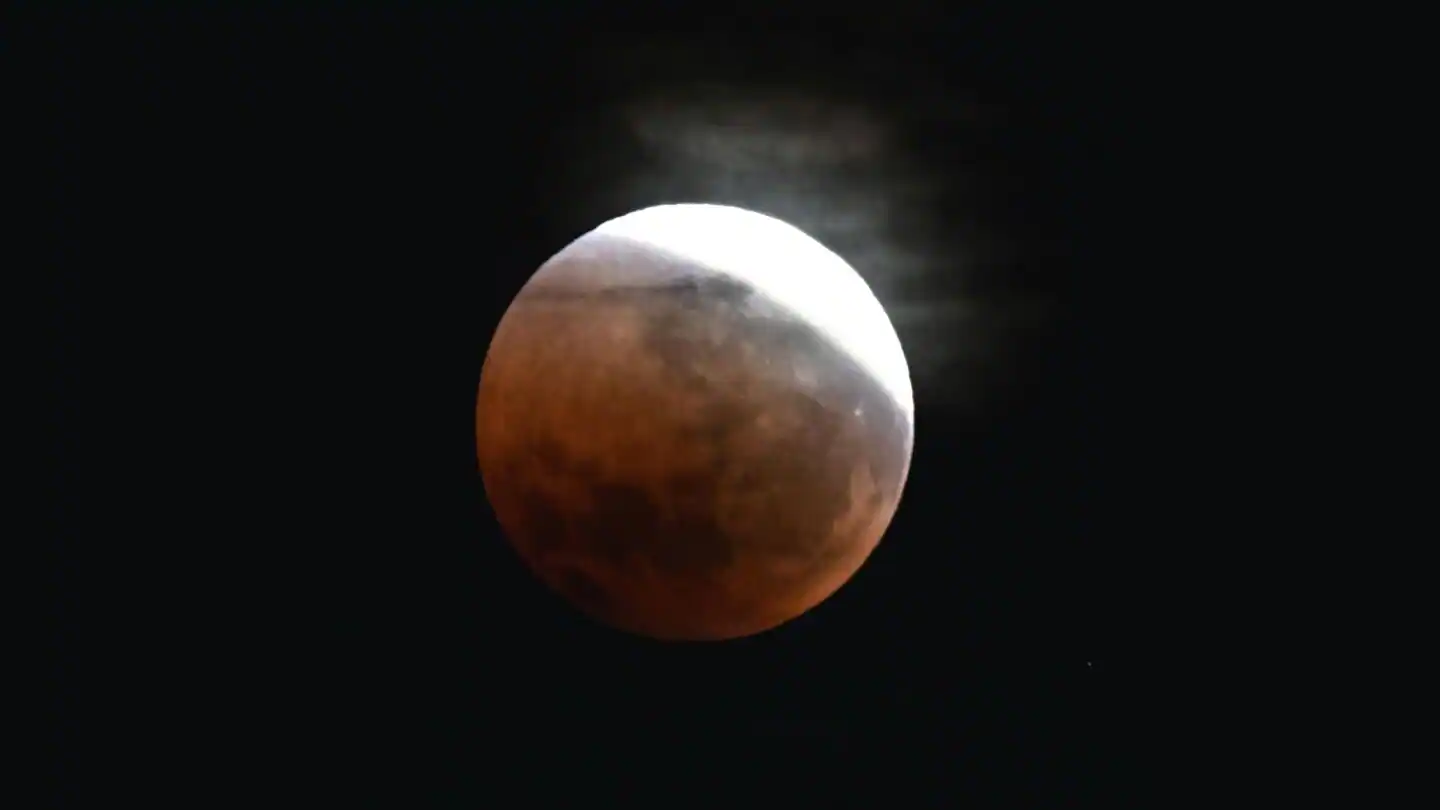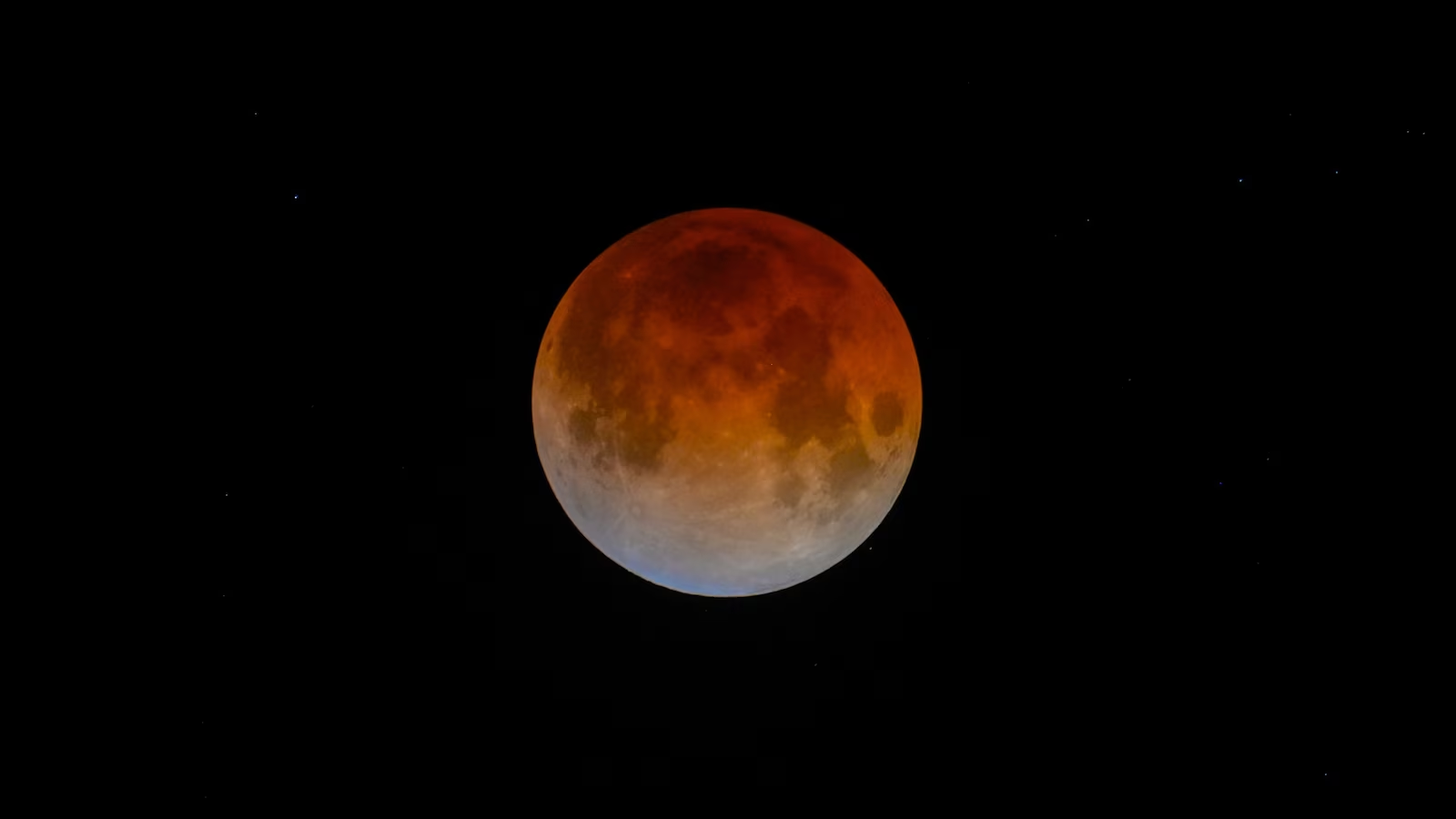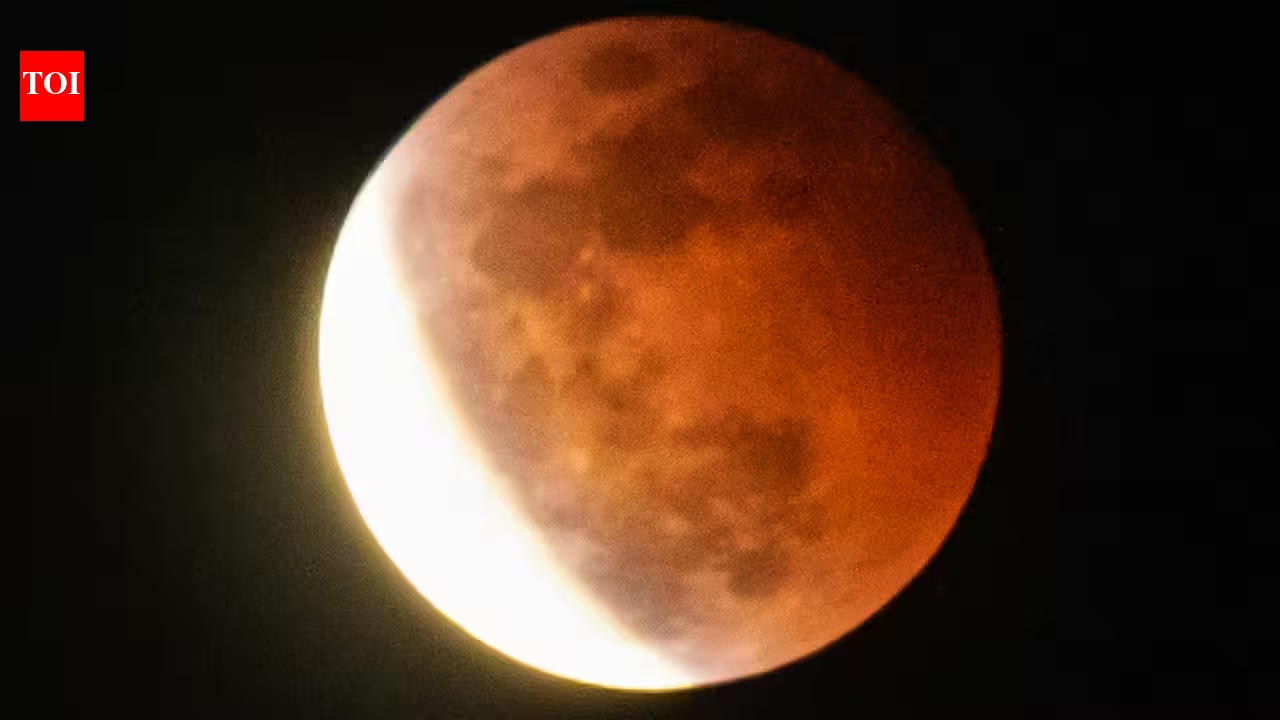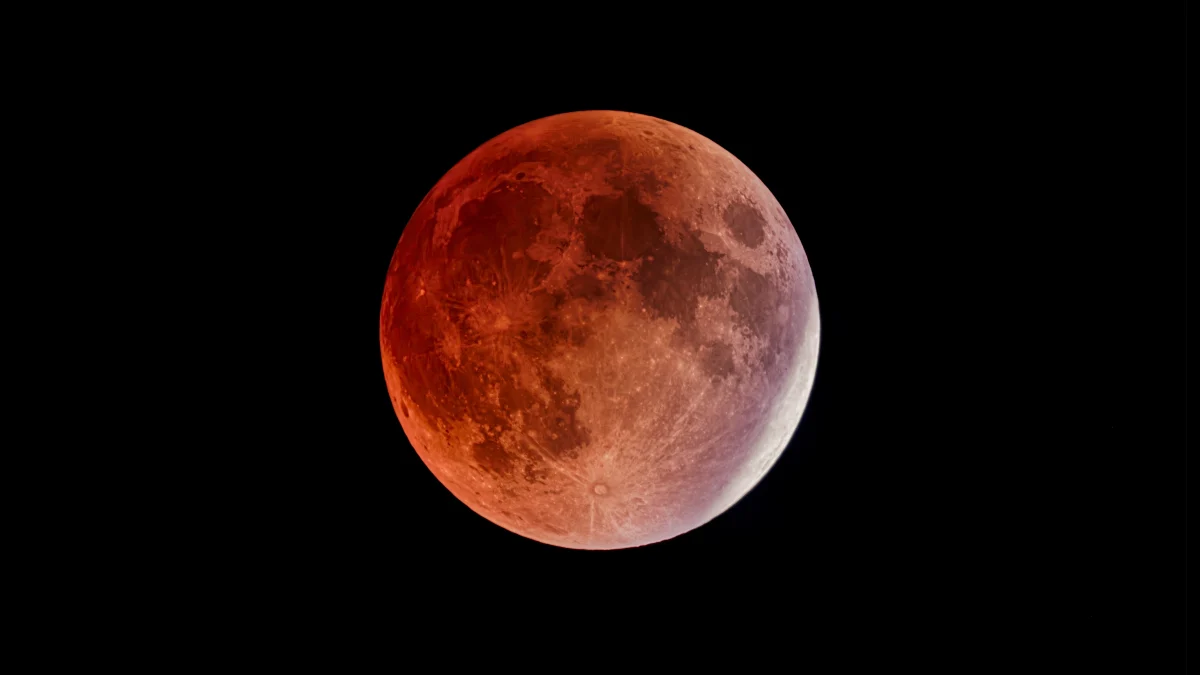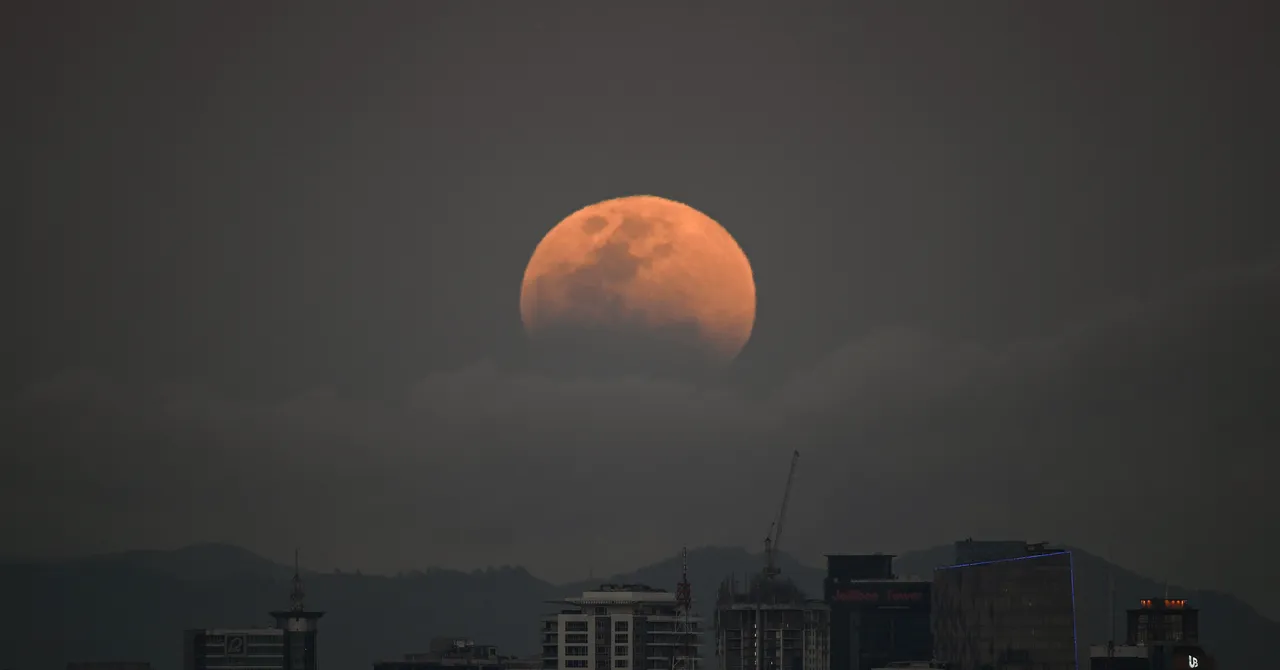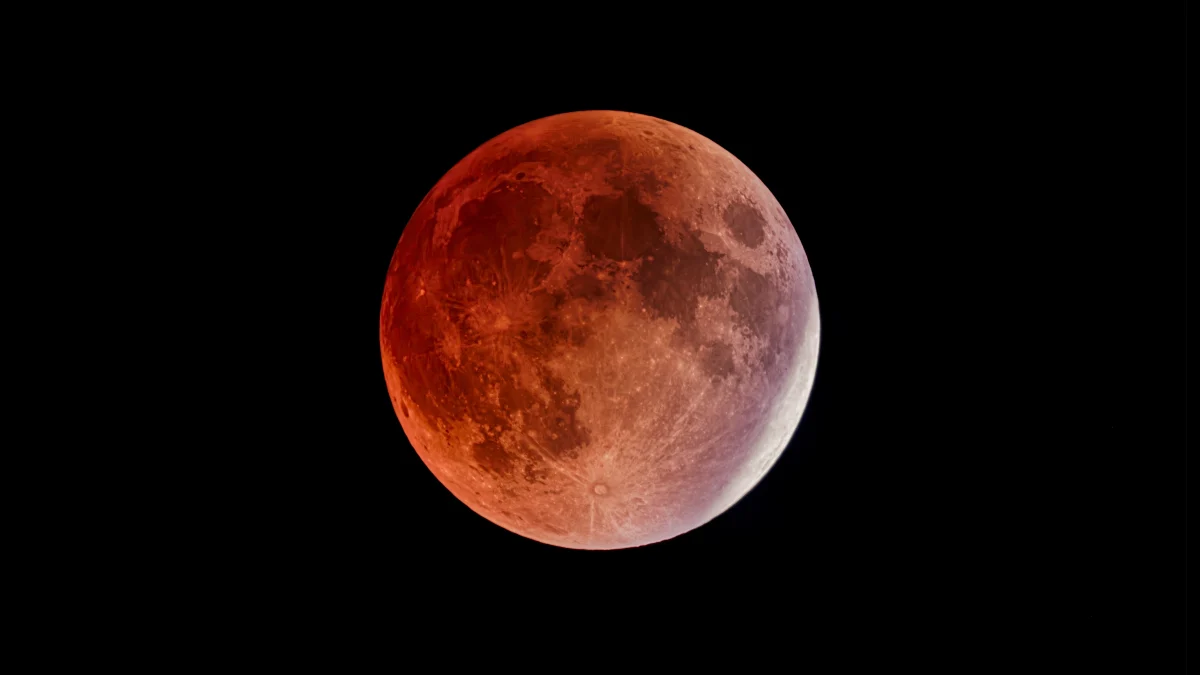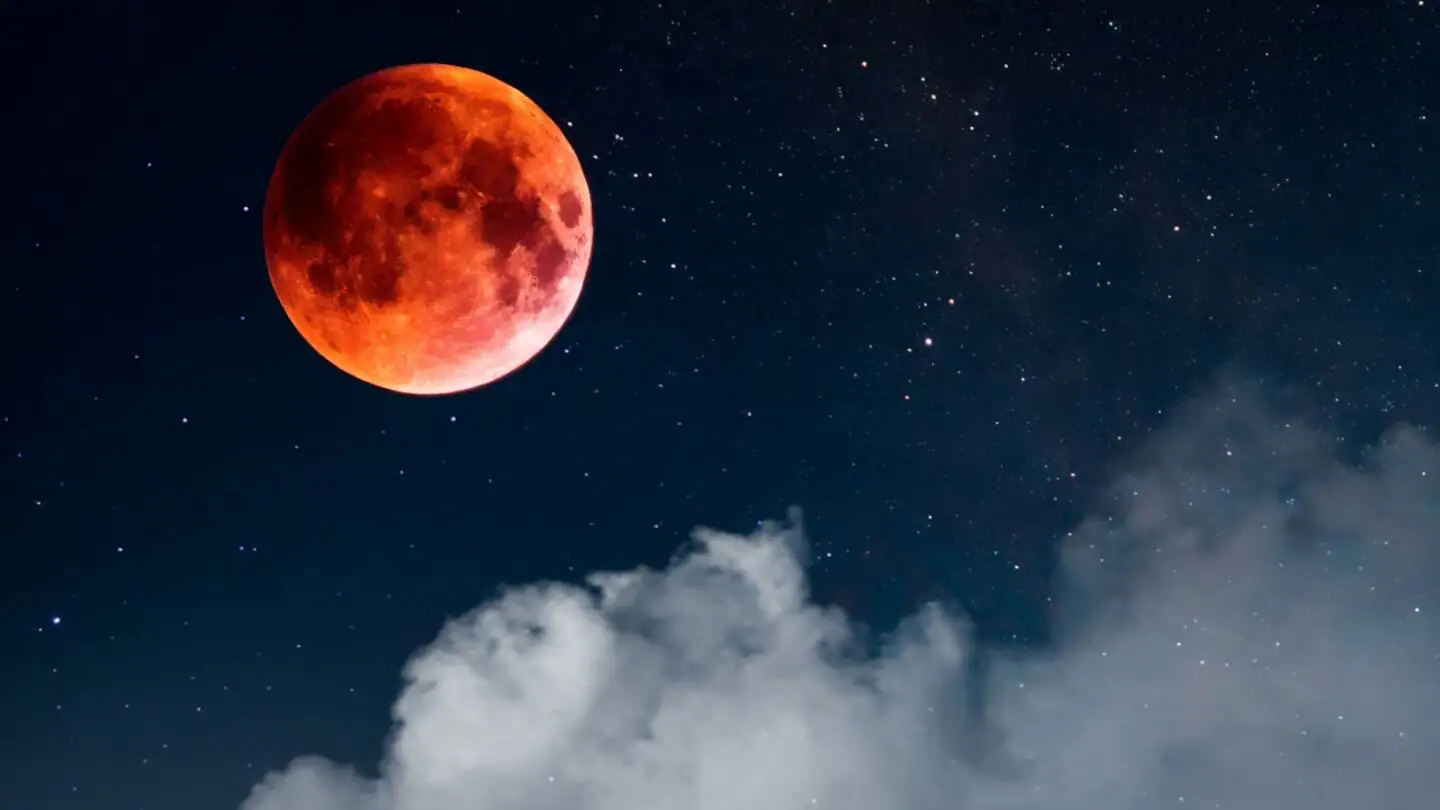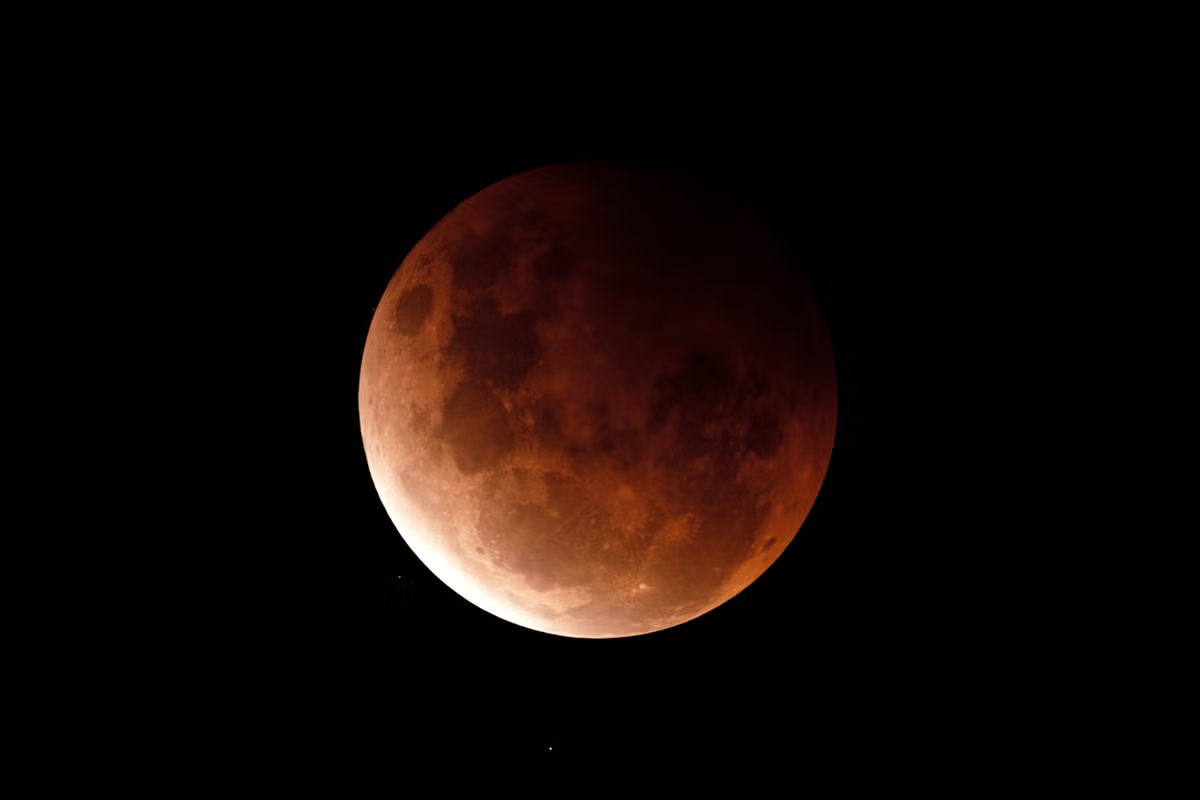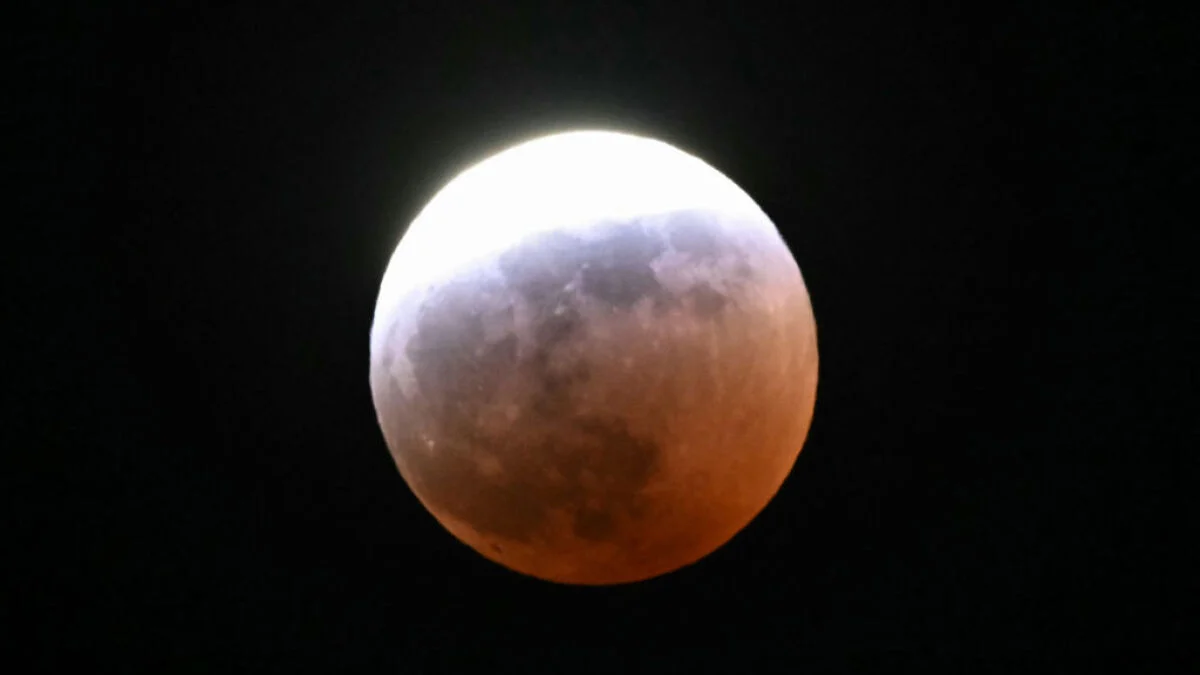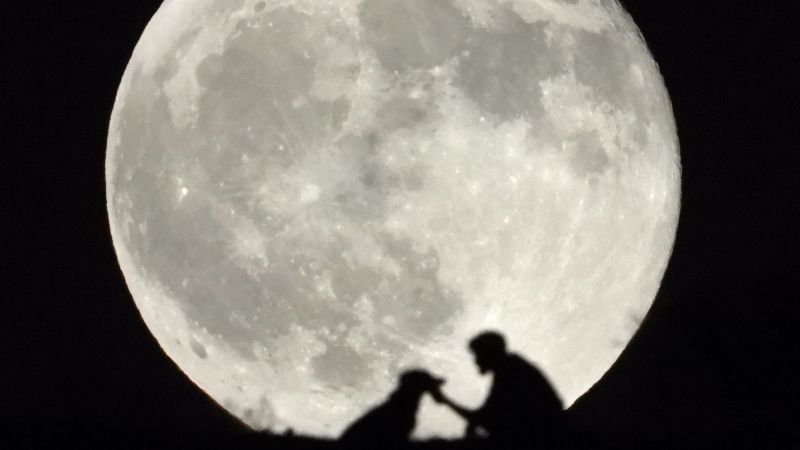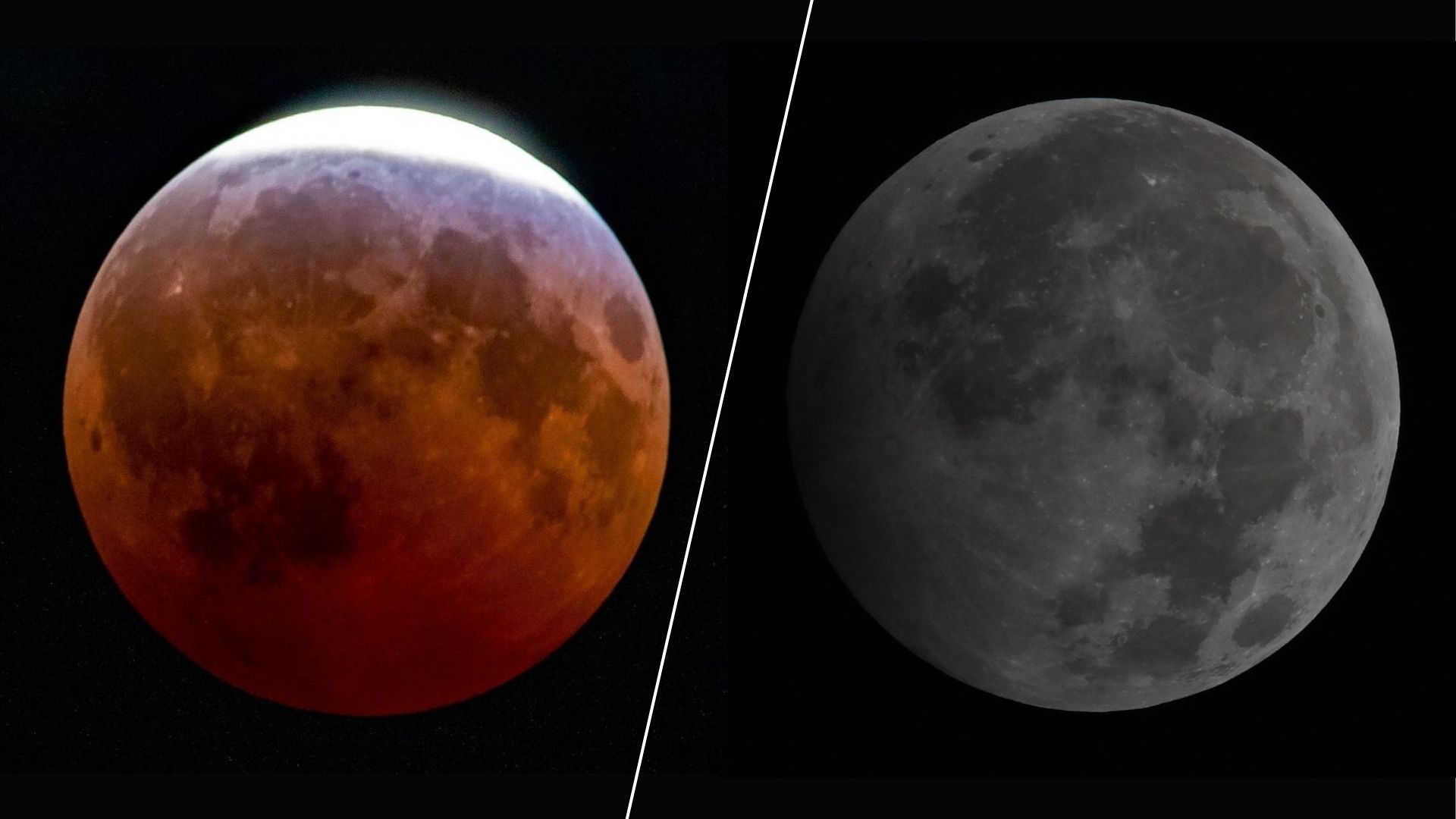
August's "almost Blood Moon" partial lunar eclipse has come and gone, delighting stargazers with a gorgeous natural light show as light filtered by our planet's atmosphere turned it a deep crimson around the point of maximum eclipse.But when is the next lunar eclipse?Earth won't darken the moon again until Feb. 20, 2027, when a penumbral eclipse will cast our planet's soft outer shadow across February's full "Snow Moon", so named for the freezing weather that occurs around the time it rises.Fujinon Techno-Stabi 1640
(Image credit: Fujifilm)With 16x magnification and some of the strongest image stabilization available, these binoculars deliver detailed views of the moon without needing a tripod by completely eliminating hand-shake.Fujinon Techno-Stabi 1640 reviewThe darkening will be incredibly subtle compared to that of a partial lunar eclipse, where the moon passes into Earth's intense inner shadow — the umbra — revealing our planet's curved silhouette on the lunar surface.Our planet's deeper umbral shadow will miss the moon entirely on Feb. 20, 2027, setting the stage for an understated show of orbital mechanics, as the moon's silver lustre is almost imperceptibly dimmed by Earth's penumbra.The soft penumbral shadow will be most apparent at 6:12 p.m. EST (2312 GMT) on Feb. 20, as the moon passes closer to our planet's umbra, according to Time and Date. The shadow will be deepest around the moon's north polar region, but even then the effect will be very subtle.