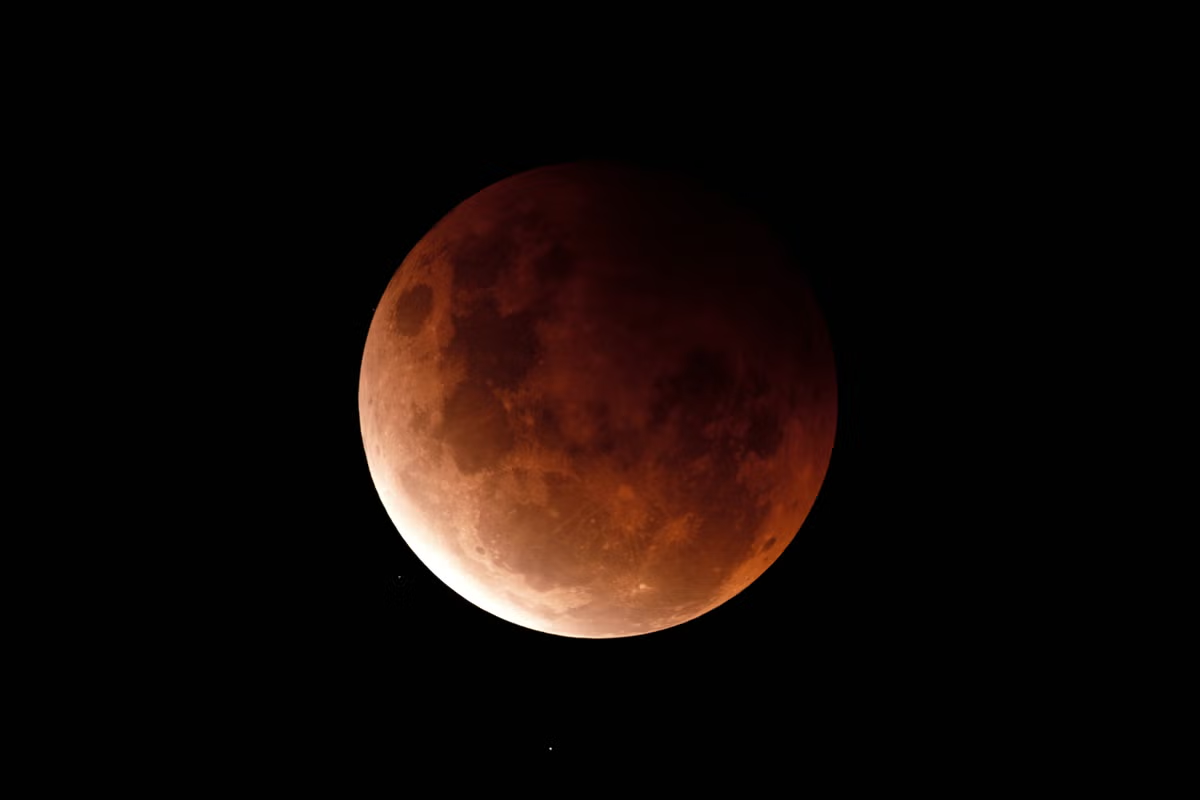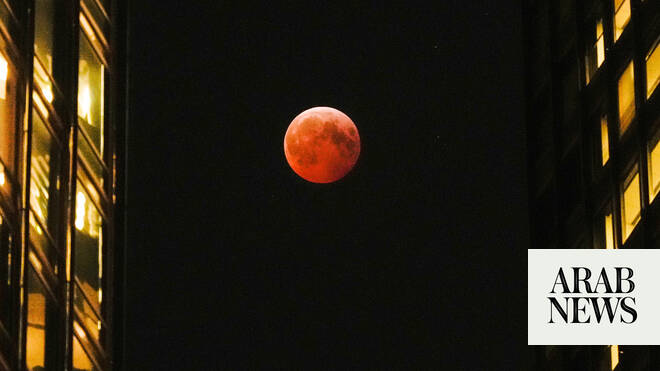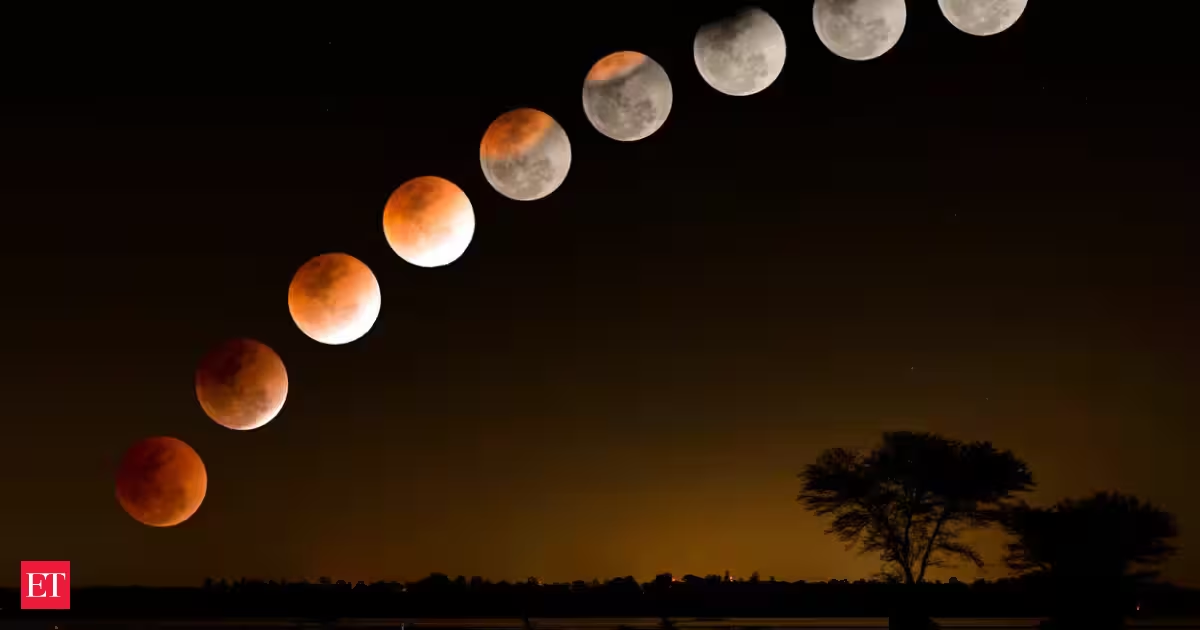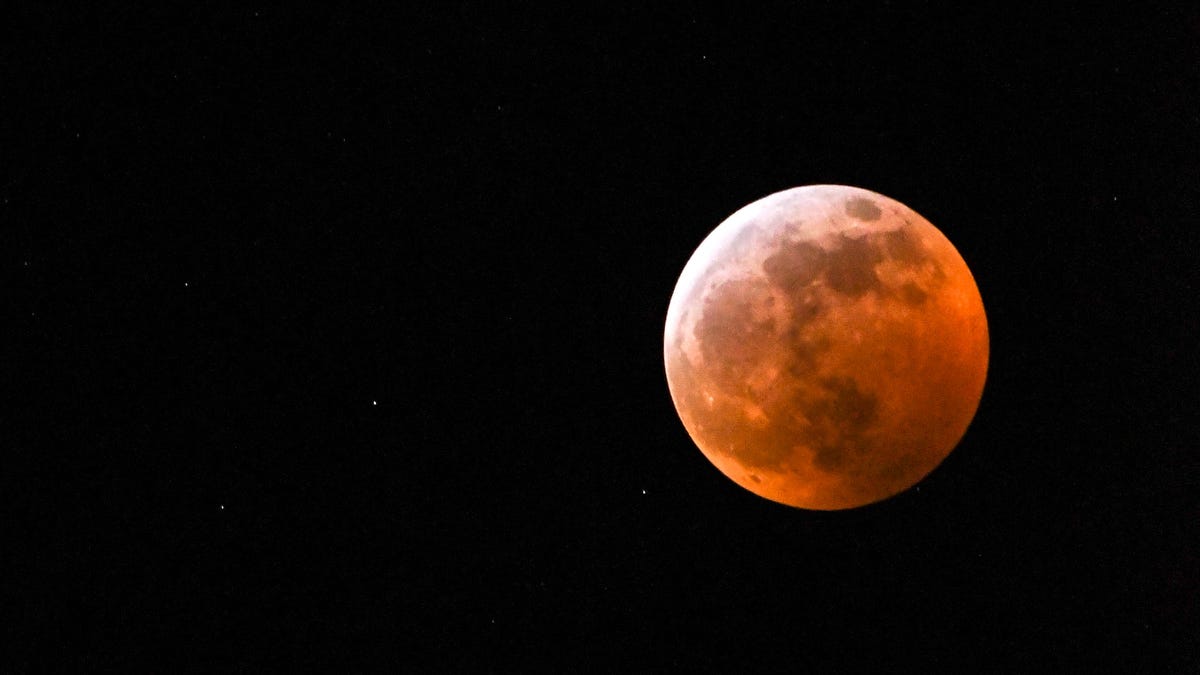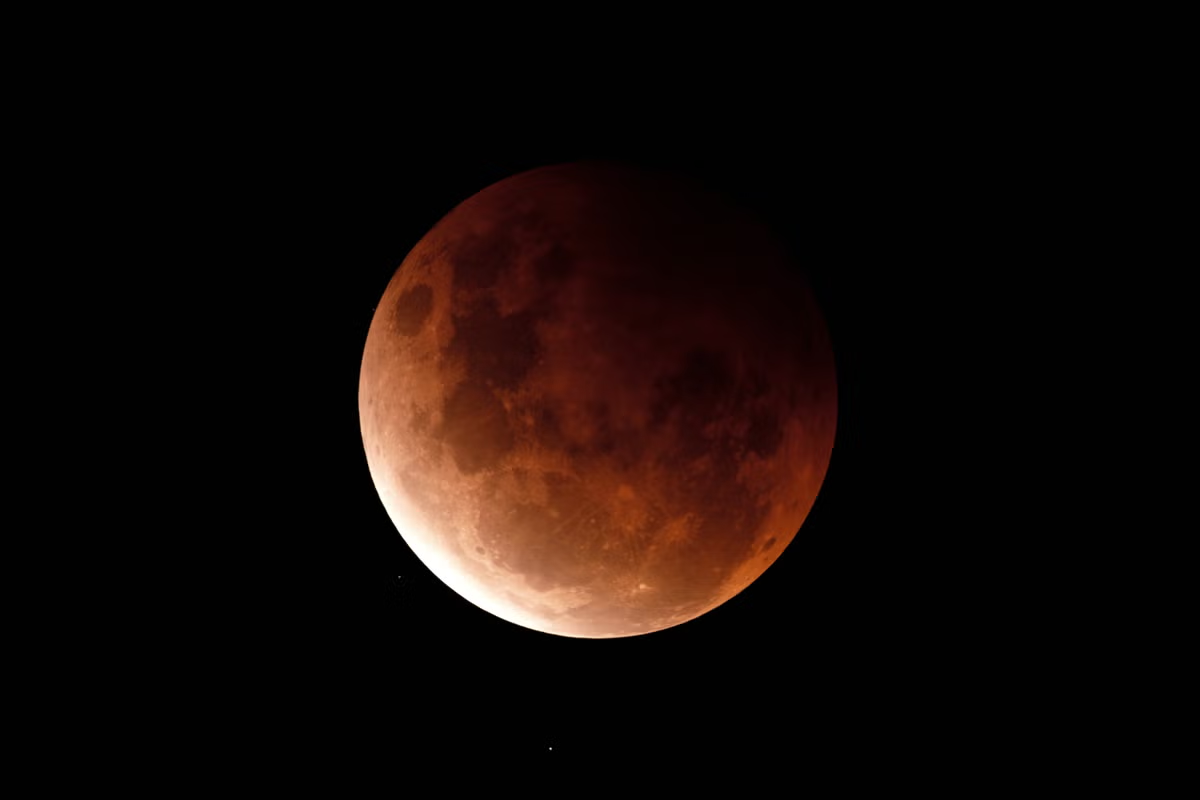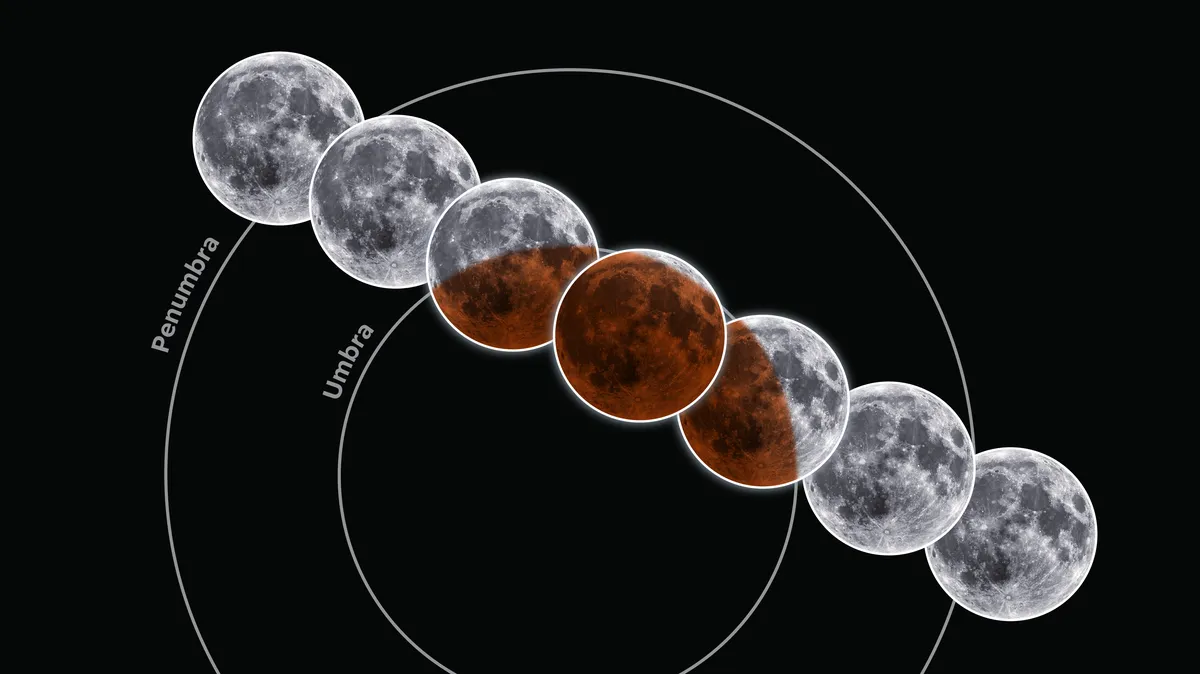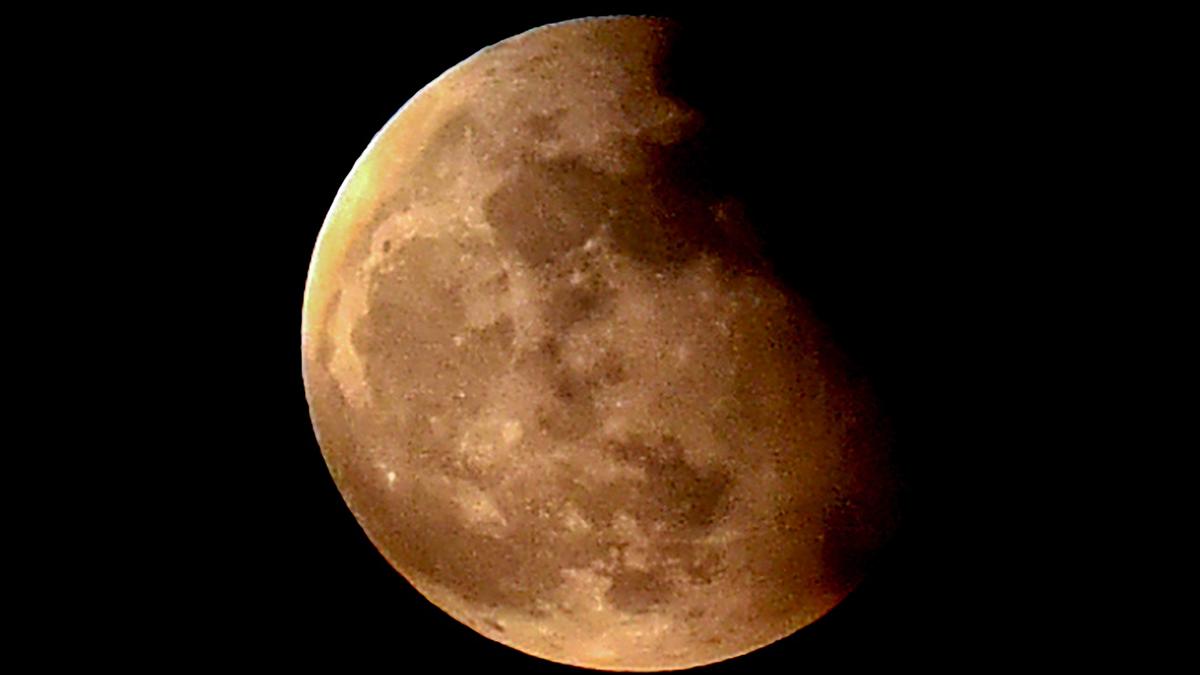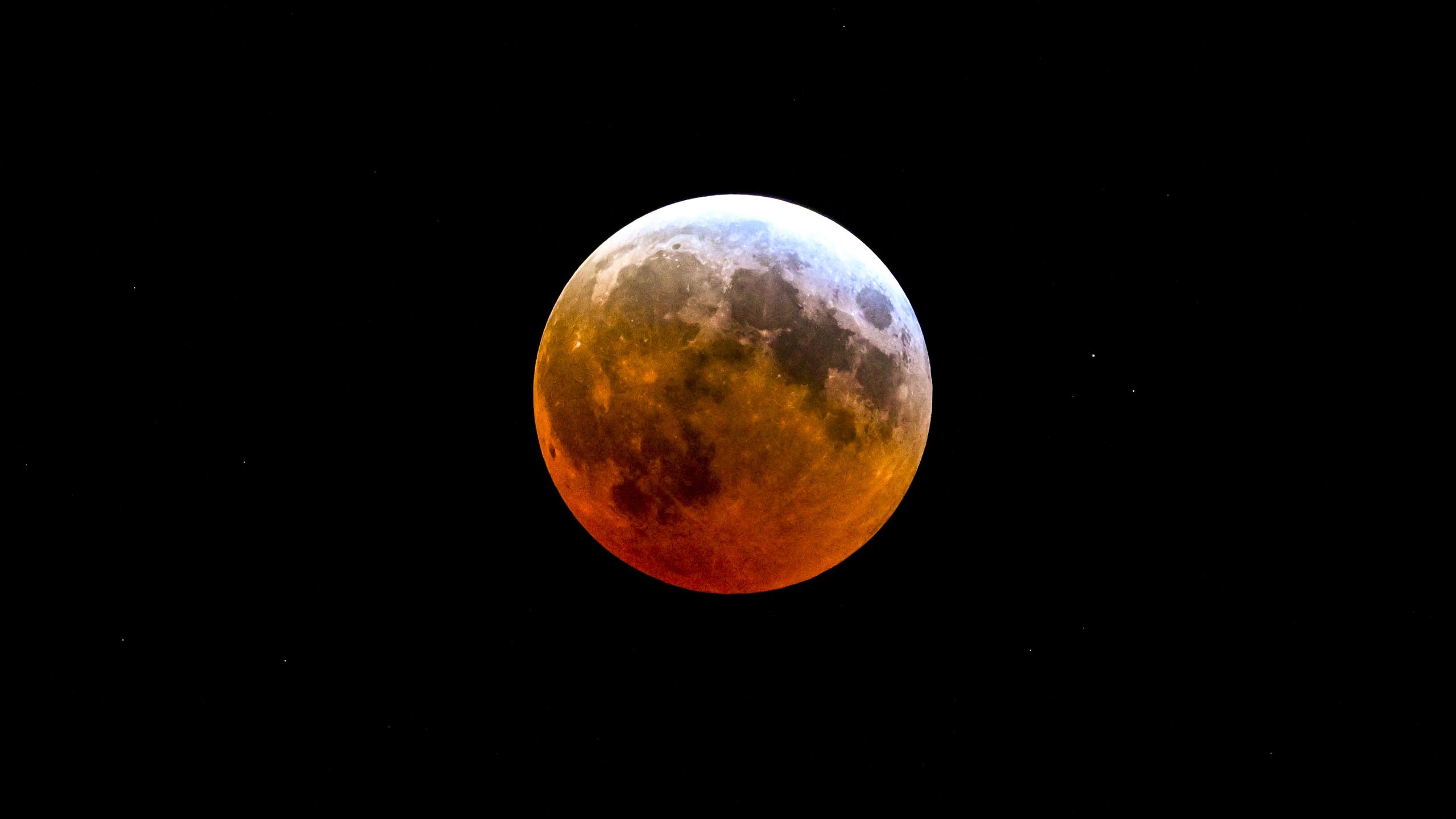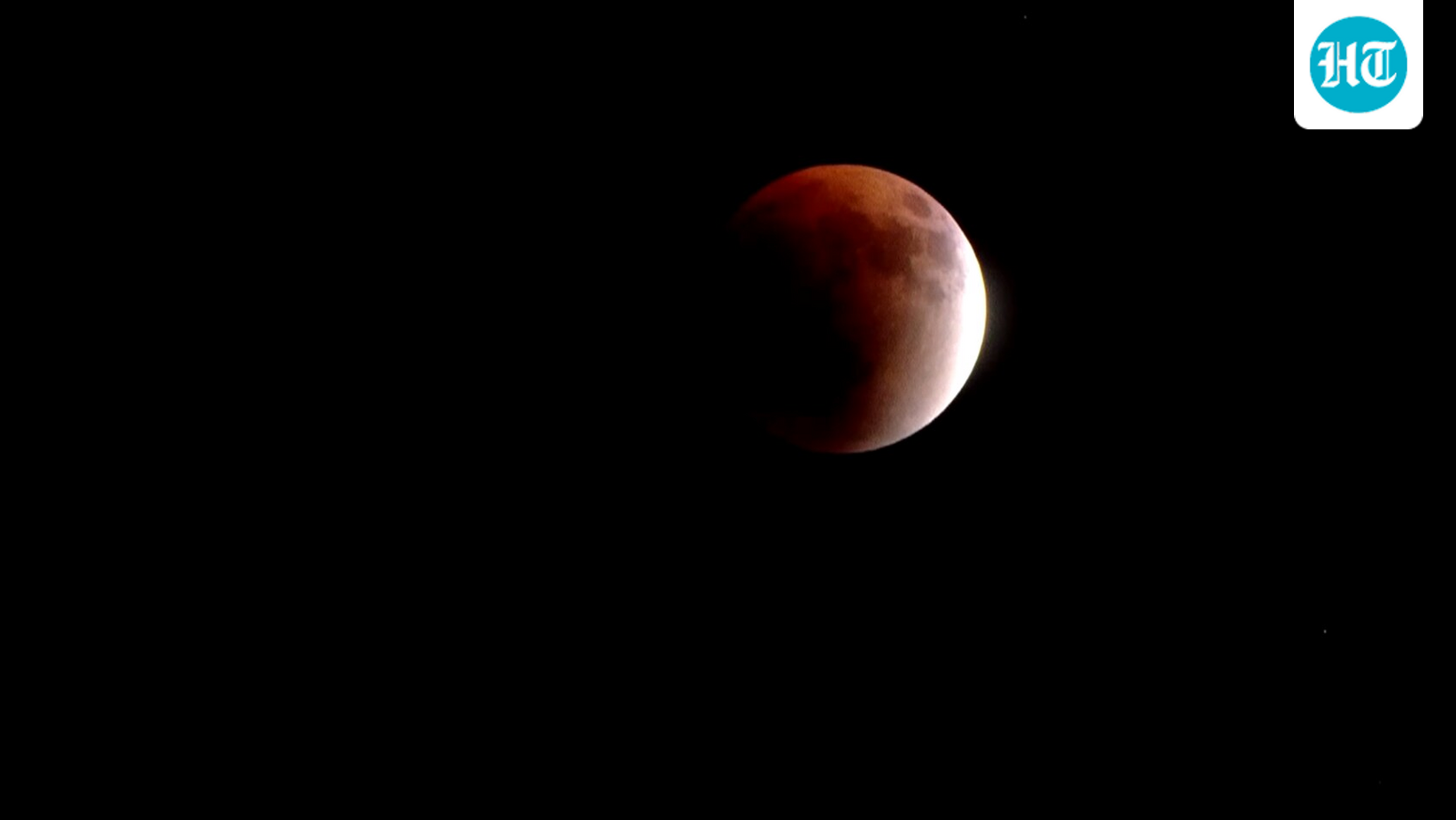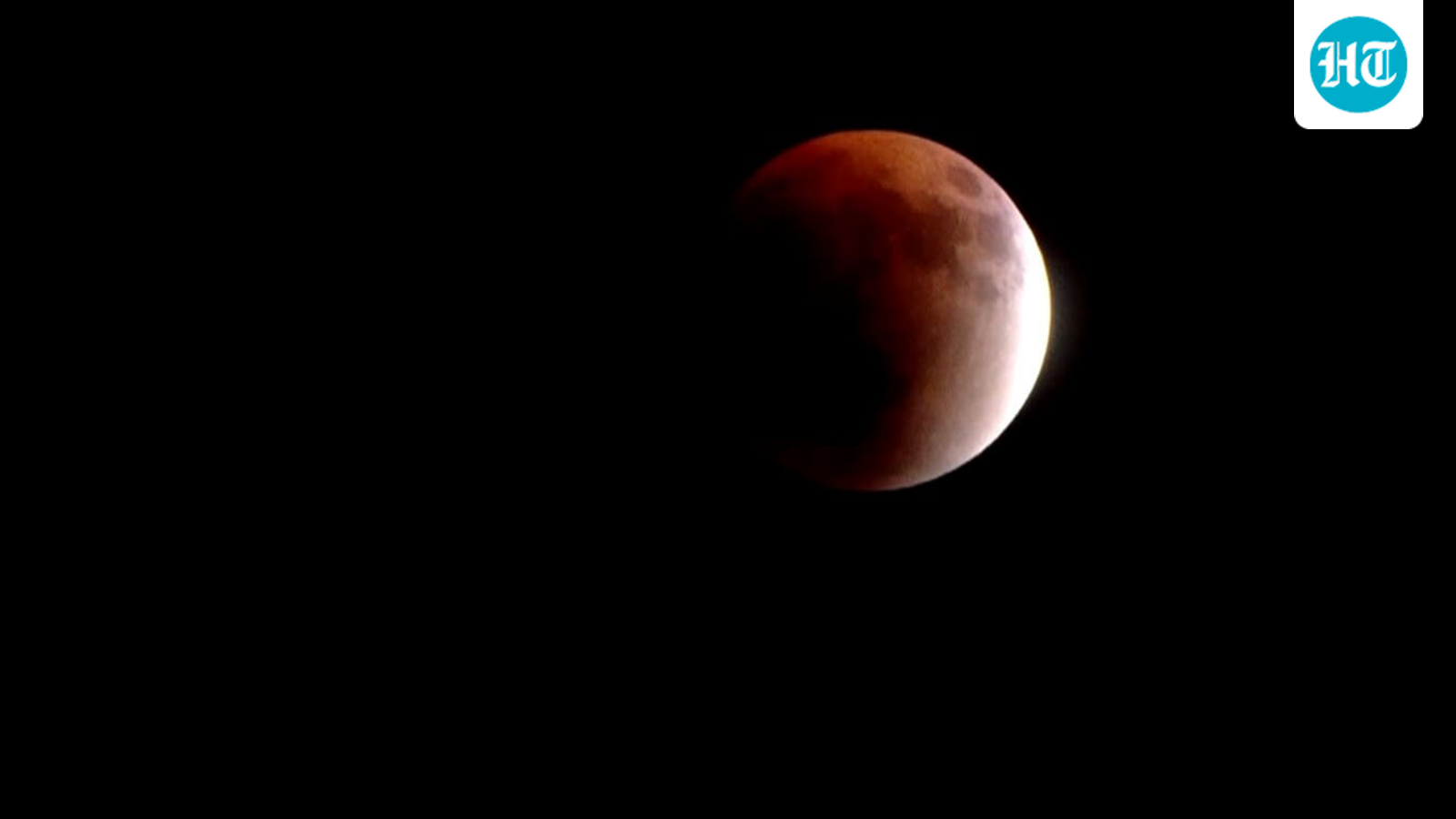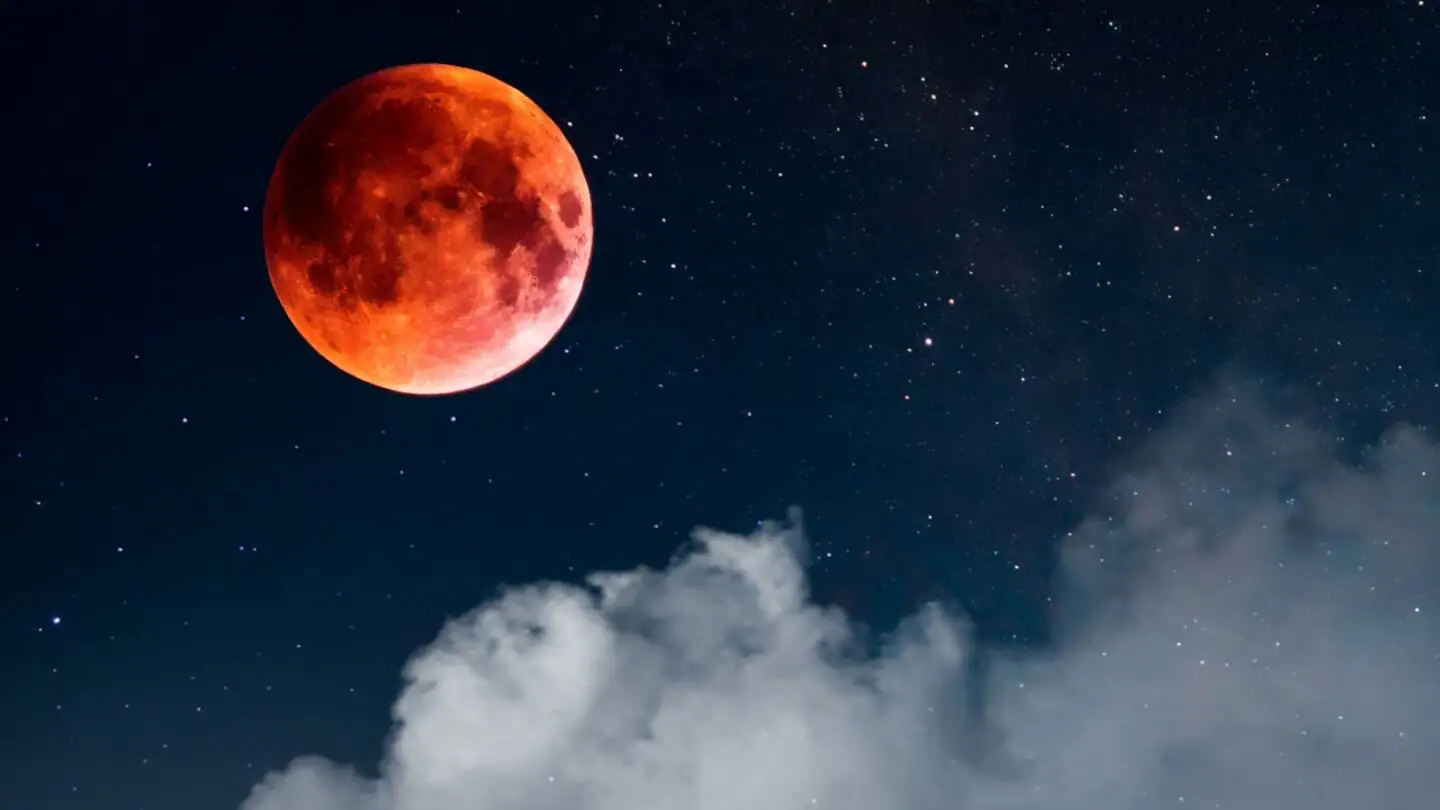
Skywatchers across large parts of the Americas are set for a striking celestial event as a near-total lunar eclipse turns the Moon a deep reddish-orange this week. At its peak, around 96.2% of the Moon will be covered by Earth’s shadow.The event comes just two weeks after a total solar eclipse darkened skies across parts of southern Europe and other regions, giving stargazers another chance to watch the Sun, Earth and Moon line up.Lunar eclipse 2026: Why will the Moon turn red?A lunar eclipse happens when Earth moves between the Sun and the Moon, causing Earth’s shadow to fall across the lunar surface. During a total lunar eclipse, the Moon can take on a distinctive red or orange colour, earning the event the popular name blood moon.The reddish appearance is caused by Earth's atmosphere scattering sunlight. Some of the remaining light reaching the Moon is filtered through the atmosphere, giving the lunar surface its characteristic coppery glow.Although August's event will not be fully total, almost the entire Moon will enter the darkest part of Earth's shadow, making it a particularly dramatic moon eclipse.Blood moon August 2026: When is the lunar eclipse in August 2026?The lunar eclipse August 2026 time varies depending on where you are watching from. For viewers in the continental US, the eclipse will begin at 9:23 p.m. ET, when the Moon enters the outer part of Earth's shadow.The more noticeable partial phase will begin at 10:33 p.m. ET, when Earth's darker shadow starts moving across the lunar disc.The eclipse will reach its peak at 12:12 a.m. ET, with approximately 96.2% of the Moon covered by Earth's shadow.The event will finish at 3:01 a.m. ET, when the Moon finally leaves the outer edge of Earth's shadow.What time is the lunar eclipse?For viewers in the US:9:23 p.m. ET: Moon enters Earth's outer shadow10:33 p.m. ET: Main eclipse phase begins12:12 a.m. ET: Eclipse reaches its peak3:01 a.m. ET: Moon leaves Earth's outer shadowBecause the timing changes with location, people outside the US should check their local astronomical timings before heading outside.Full moon tonight and August full moon: What is the Moon phase?A lunar eclipse can only happen during a full moon. Unlike a solar eclipse, which takes place during the new Moon phase, a lunar eclipse occurs when the full Moon passes through Earth's shadow.So, if you are searching for the full moon tonight, the important detail is that this month's full Moon provides the alignment needed for the eclipse.The moon phase during a lunar eclipse is therefore full Moon, with Earth positioned between the Sun and the Moon.Eclipse tonight: Where can you see the lunar eclipse?The continental US will have some of the best opportunities to watch the eclipse tonight, weather permitting.The event will also be visible across much of North and South America. Most viewers in these regions, apart from Alaska and the northernmost parts of Canada, should be able to watch the different stages of the eclipse.Parts of Europe and Africa will also get a view, although the timing means the eclipse will occur during the early hours of Friday in those regions. In some locations, the Moon will set before the entire event has finished.Lunar eclipse tonight: Do you need special glasses?No special eye protection is required for a lunar eclipse.Unlike a solar eclipse, when looking directly at the Sun can damage the eyes, a lunar eclipse is safe to view with the naked eye. Binoculars or a telescope can also provide a closer look at the Moon as Earth's shadow gradually covers its surface.For the best experience, find a location with a clear view of the sky and as little artificial light as possible.Blood moon solar eclipse lunar eclipse: Why do eclipses come in pairs?A solar eclipse and a lunar eclipse often occur roughly two weeks apart because of the geometry of the Sun, Earth and Moon.During a solar eclipse, the Moon moves between Earth and the Sun and blocks some or all of the Sun's light. During a lunar eclipse, Earth moves between the Sun and Moon, casting its shadow on the Moon.The apparent coincidence that makes solar eclipses possible is particularly fascinating. The Sun is about 400 times farther from Earth than the Moon, but it is also roughly 400 times larger. As a result, the two bodies can appear remarkably similar in size from Earth's perspective.Solar eclipse and lunar eclipseThe recent total solar eclipse was visible across Spain, a small part of Portugal, Greenland, Iceland and northern Russia, giving observers in those regions a spectacular view as the Moon passed in front of the Sun.According to NASA, the next solar eclipse is expected on 6 February, with visibility across parts of South America and Africa. The next lunar eclipse is expected overnight from 20 to 21 February, and NASA says it should be visible from large parts of North and South America, Europe, Africa, Asia, Australia and Antarctica.So while this August full moon offers one of the year's more eye-catching lunar events, there will be plenty more opportunities for skywatchers to follow the changing Moon and future eclipses.Inputs from agencies
Lunar Eclipse 2026: When will the Moon turn red? Exact timing, where to watch and everything skywatchers need to know
Lunar Eclipse 2026: Skywatchers will witness a near-total lunar eclipse this week, with the Moon expected to take on a deep reddish-orange hue as Earths shadow covers almost its entire surface. The celestial event follows a recent total solar eclipse that was visible across parts of Europe. The lunar eclipse will be visible across the Americas and parts of Europe and Africa. Unlike a solar eclipse, it can be viewed safely with the naked eye, so special glasses are not required.
848 words~4 min read