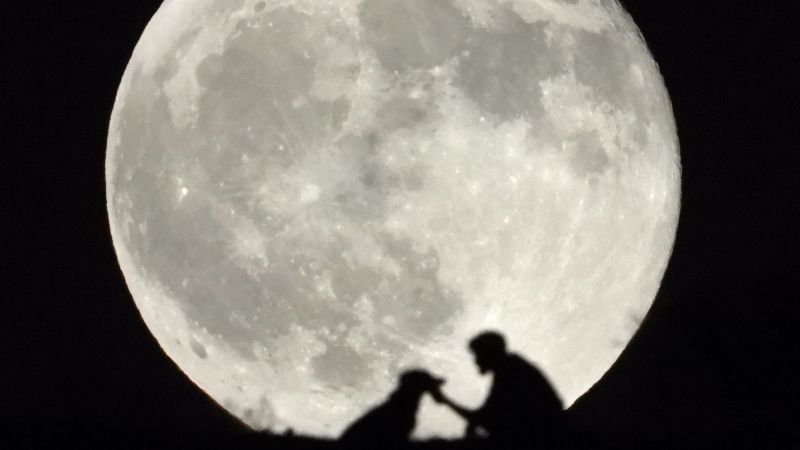
August’s full sturgeon moon will align with a partial lunar eclipse this week, producing a stunning cosmic sight for sky-gazers.
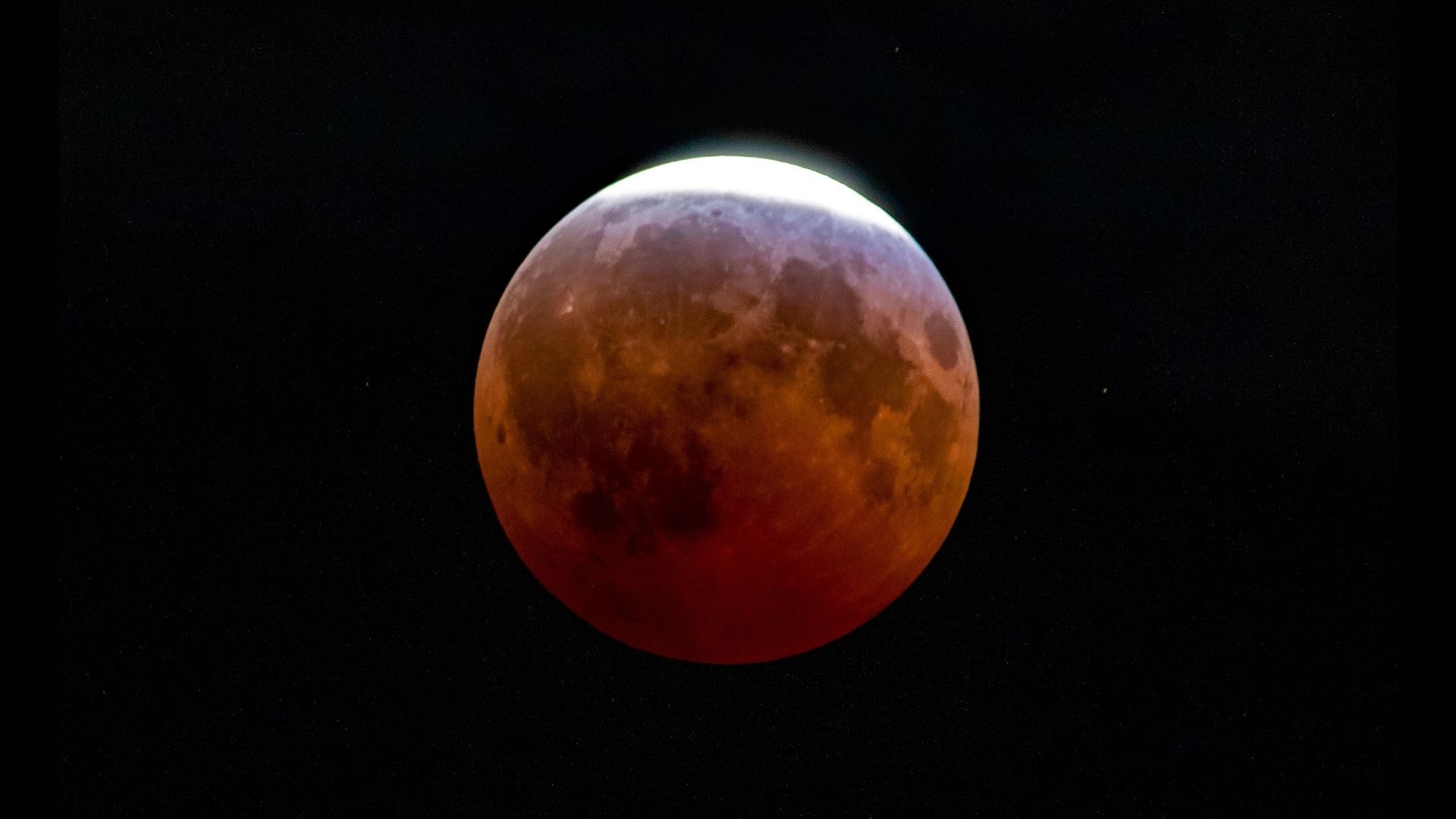
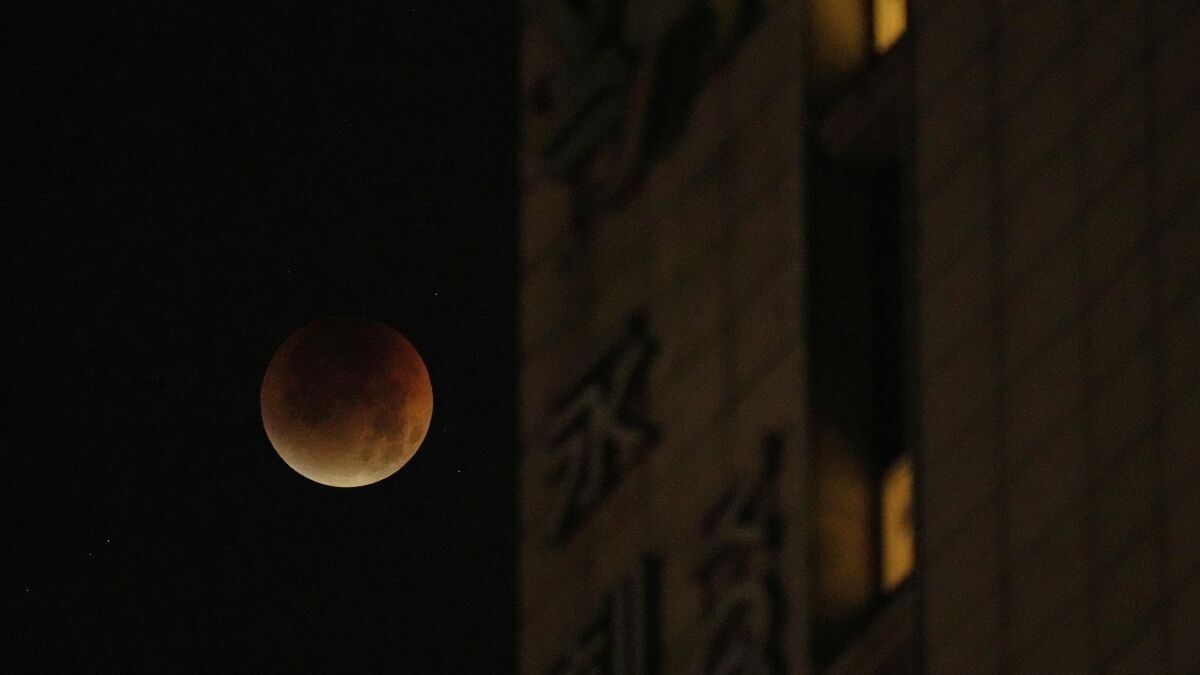
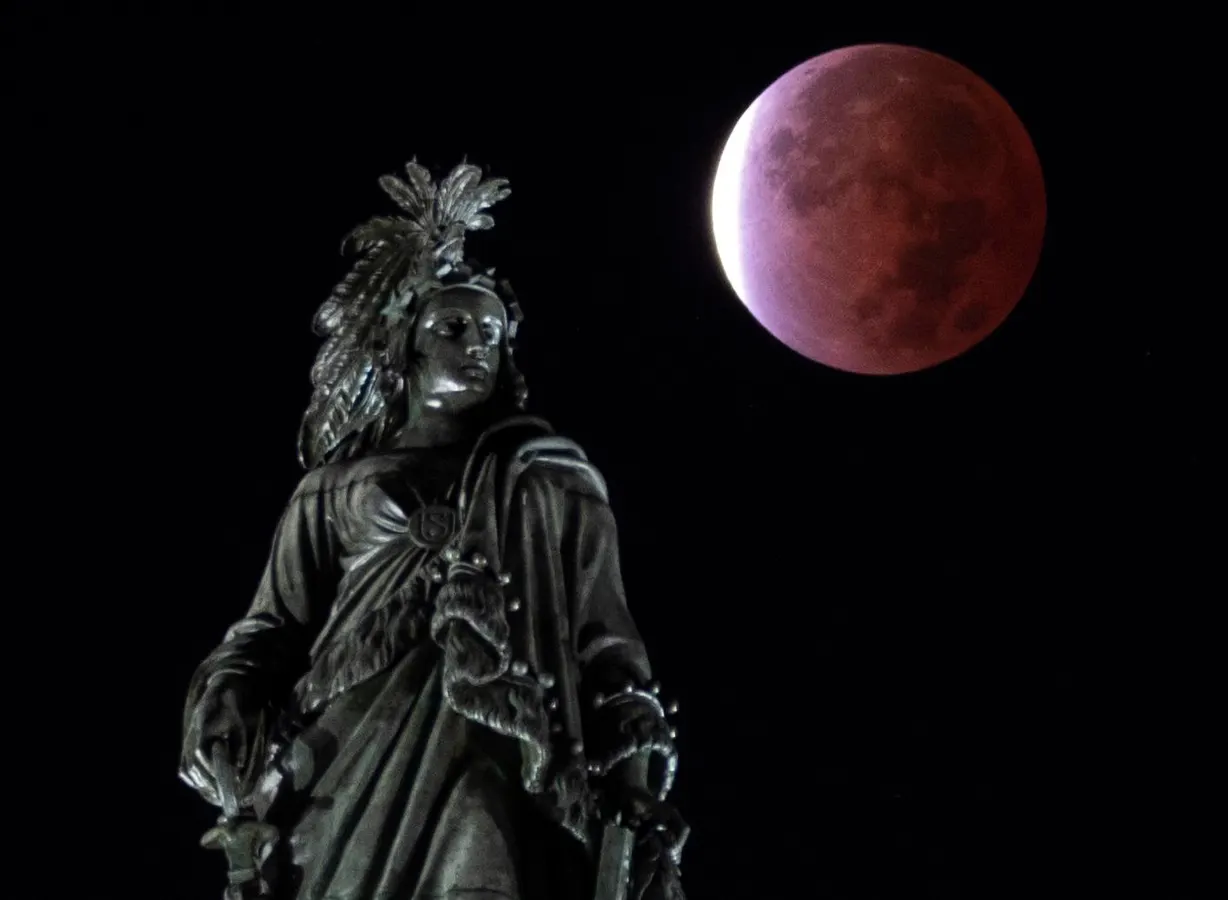
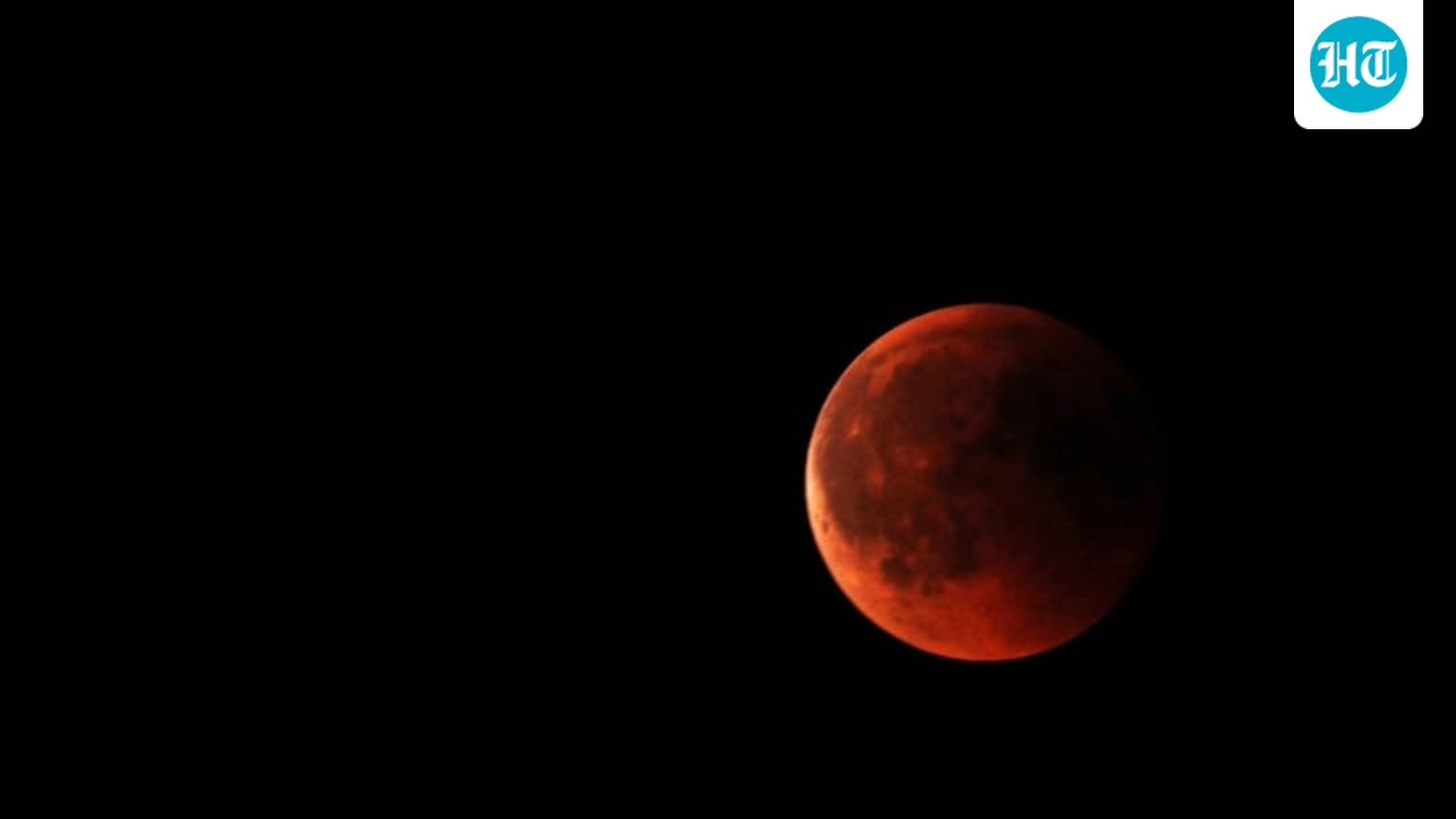
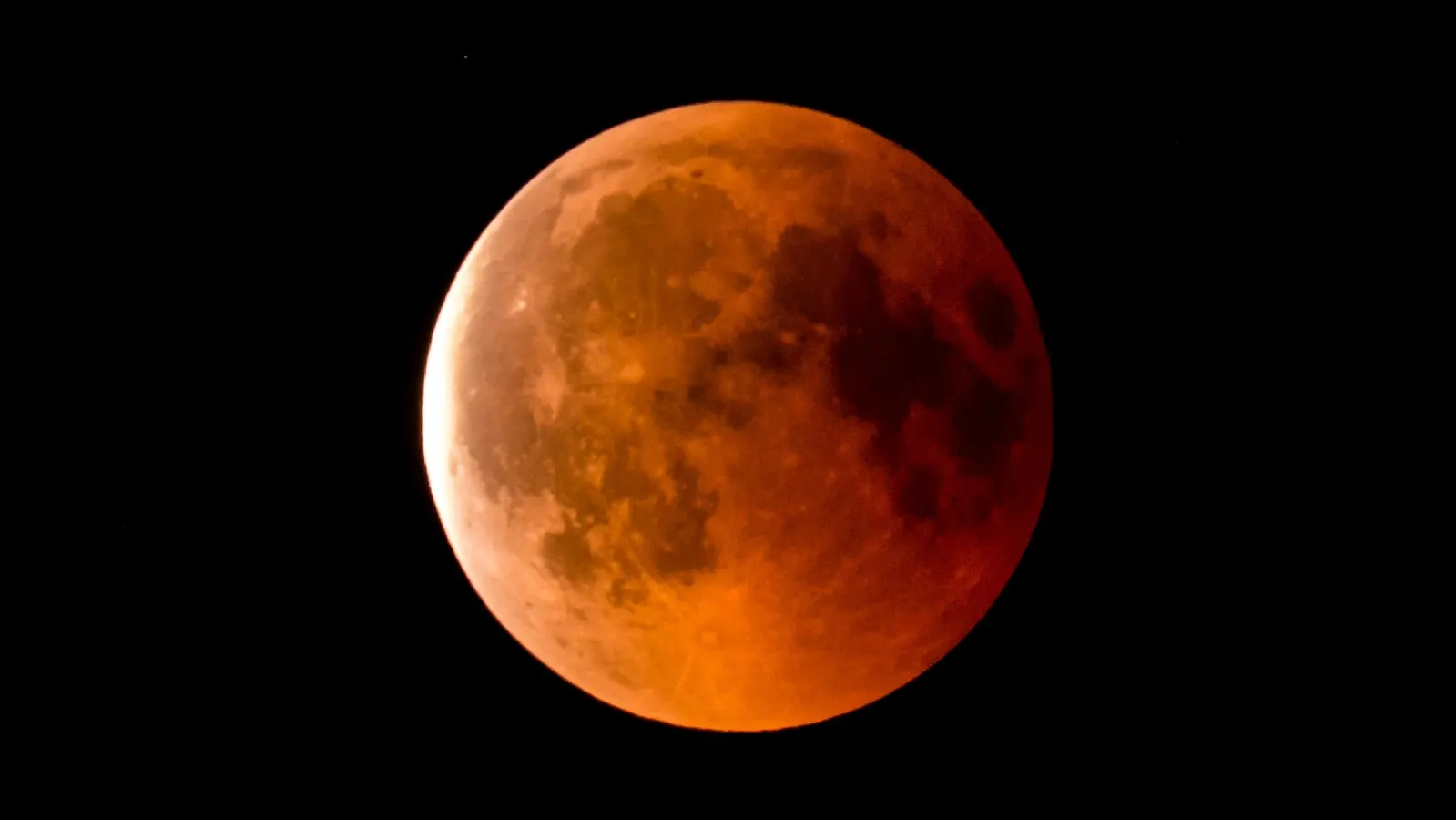
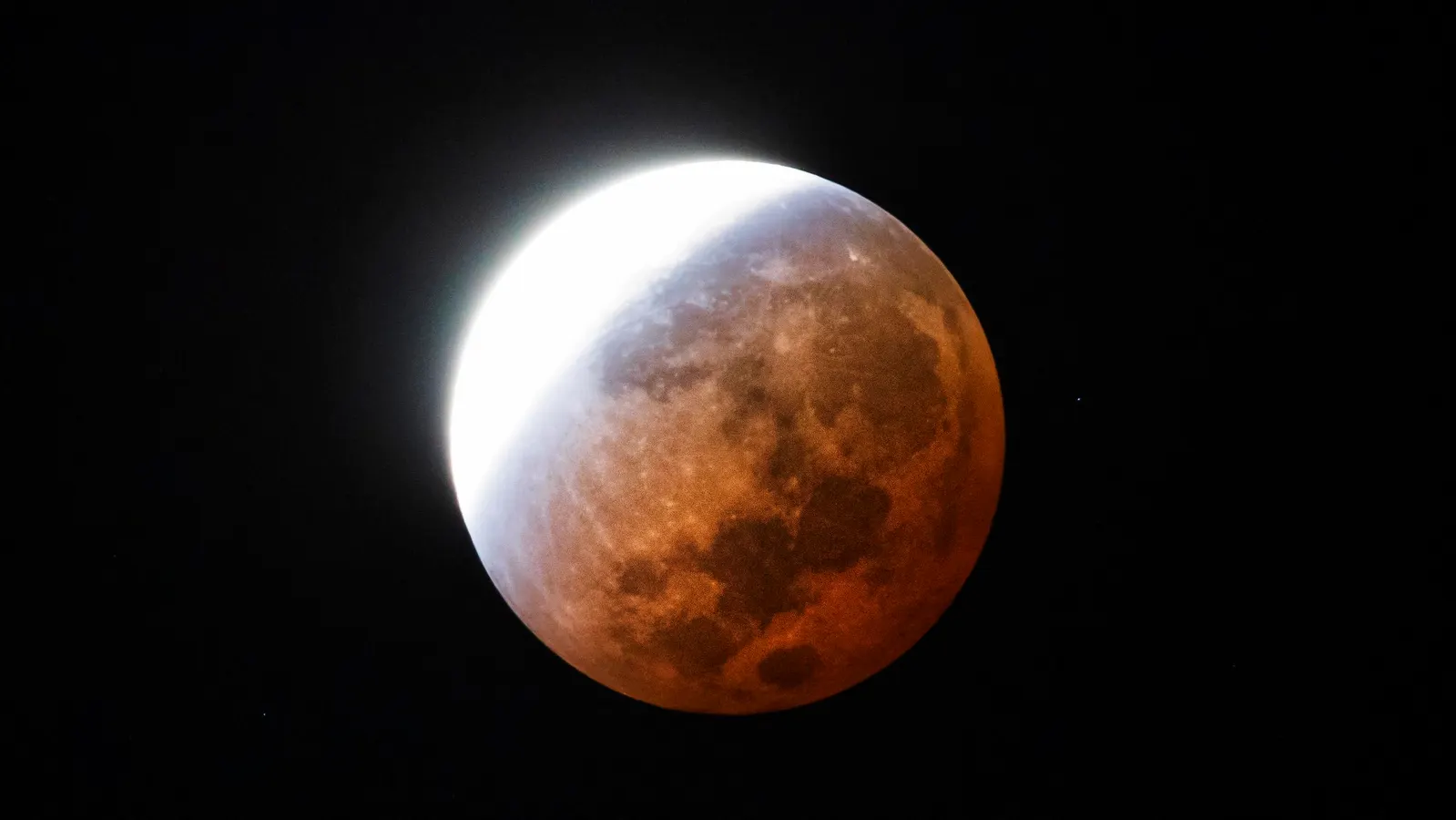
A lunar eclipse occurs when the Earth’s shadow, or umbra, falls upon the moon. When the umbra darkens the entire lunar orb, it creates a total lunar eclipse. But when there is a portion of the moon that remains outside Earth’s umbra, it’s called a partial lunar eclipse. This week’s event will be a partial lunar eclipse, but it will be near-total, with Earth’s shadow covering 96% of the moon.
Lunar eclipses always occur during a full moon when Earth is positioned between the sun and moon. This week’s partial lunar eclipse will begin at 10:34 p.m. ET Thursday and reach its maximum point at 12:13 a.m. ET Friday, according to EarthSky. The peak of the full moon, or the point at which the moon appears fullest, will occur at 12:18 a.m. ET Friday, according to The Old Farmer’s Almanac.
Observers across North and South America will be able to view most or all of the partial lunar eclipse, as it occurs during evening and overnight hours.
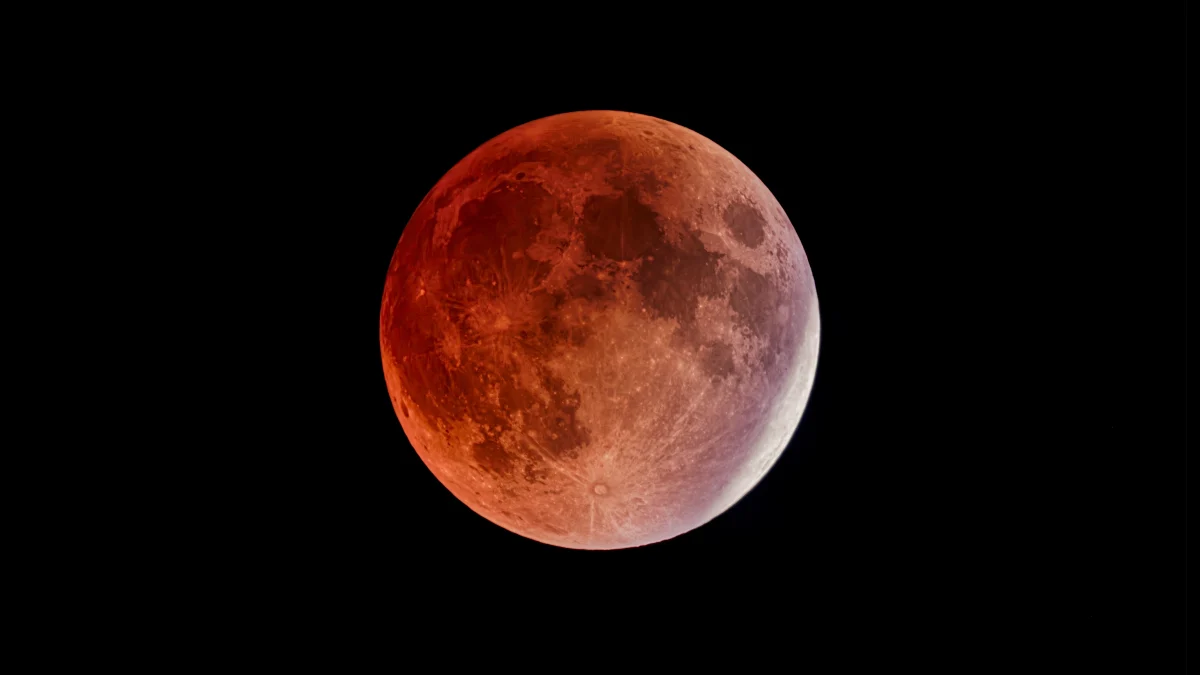
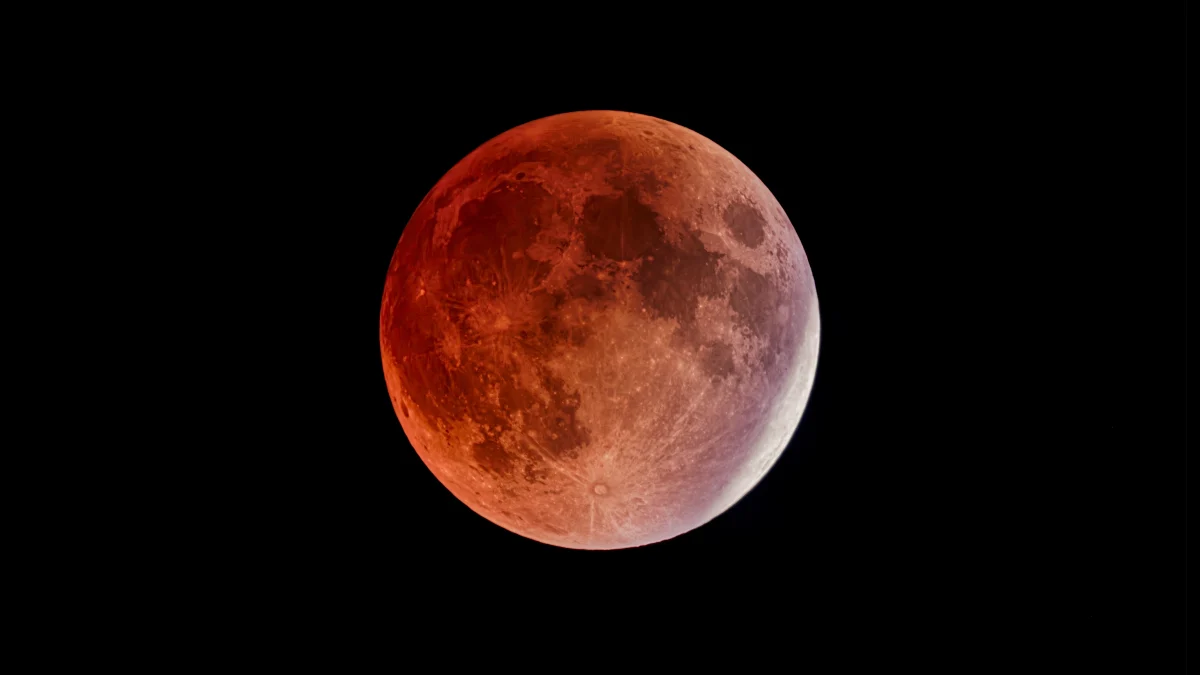
During total lunar eclipses, the moon often appears to have a more red-orange hue because shorter wavelengths, such as those that appear violet and blue, scatter through Earth’s atmosphere, while longer wavelengths, which appear as red and orange hues, pass right through.