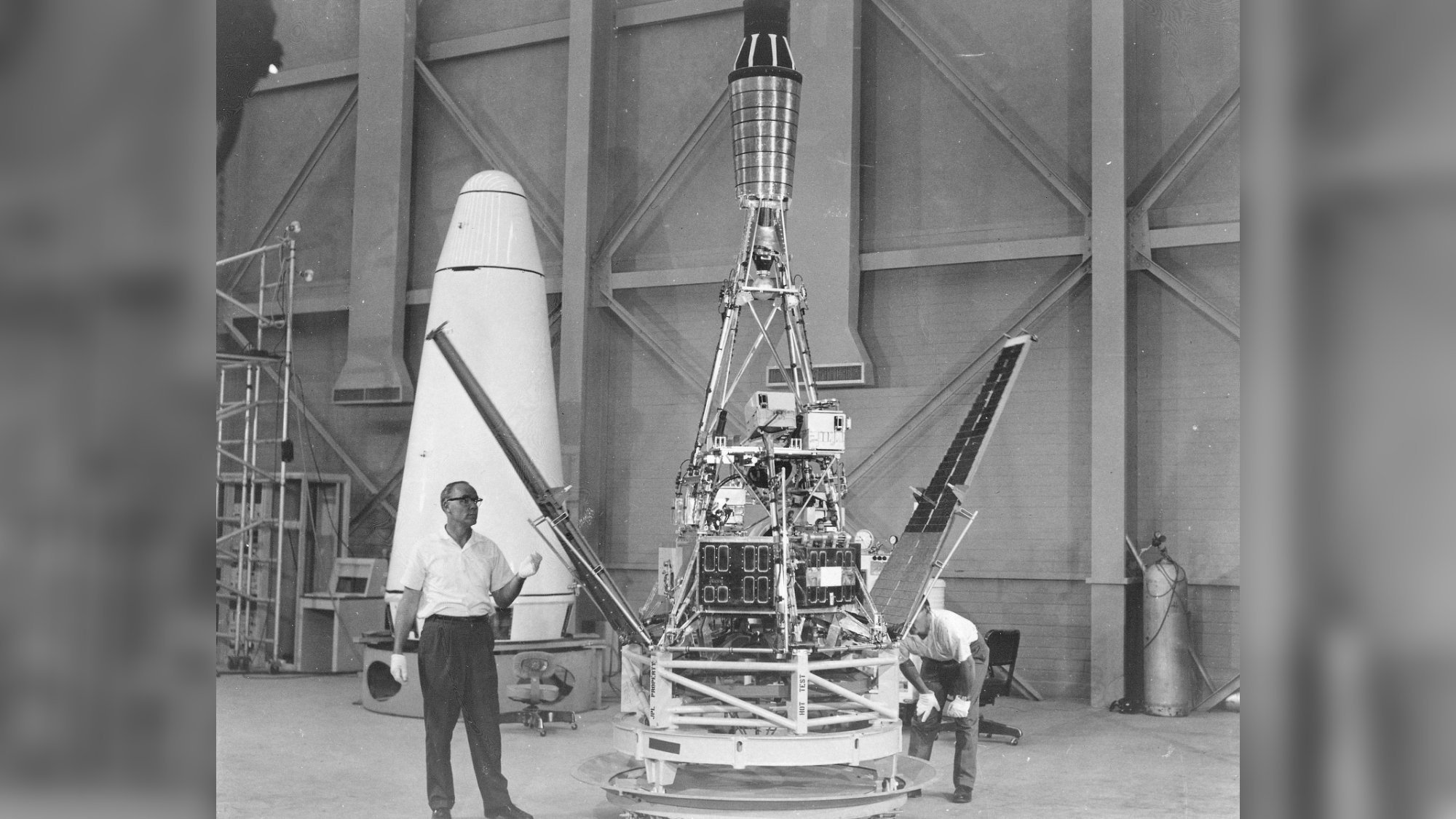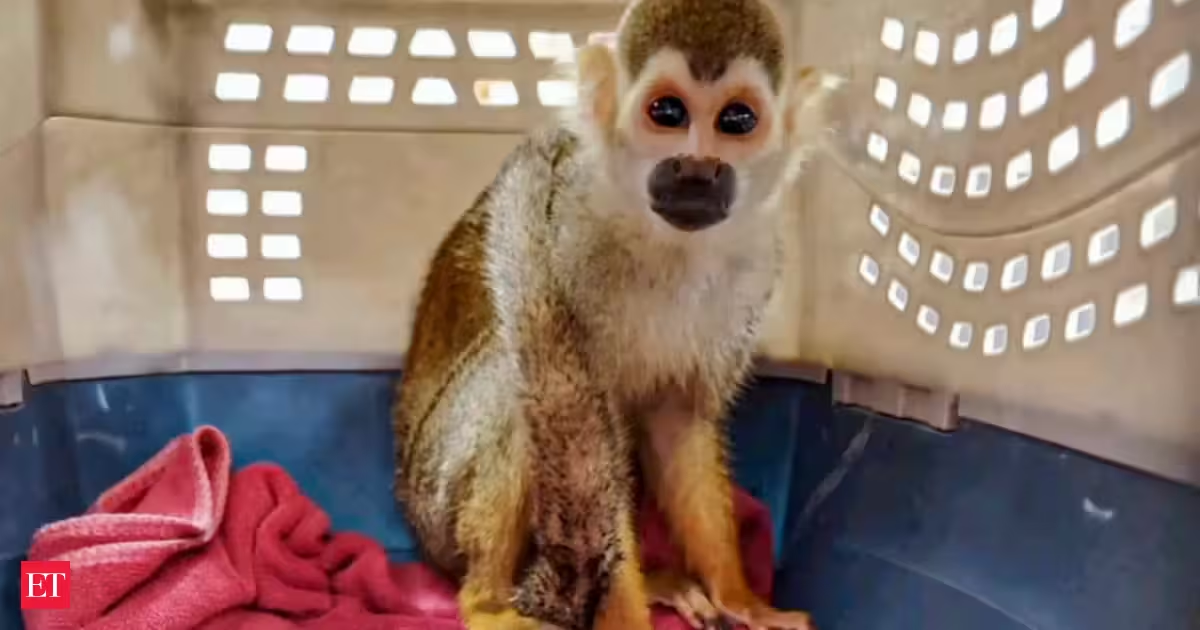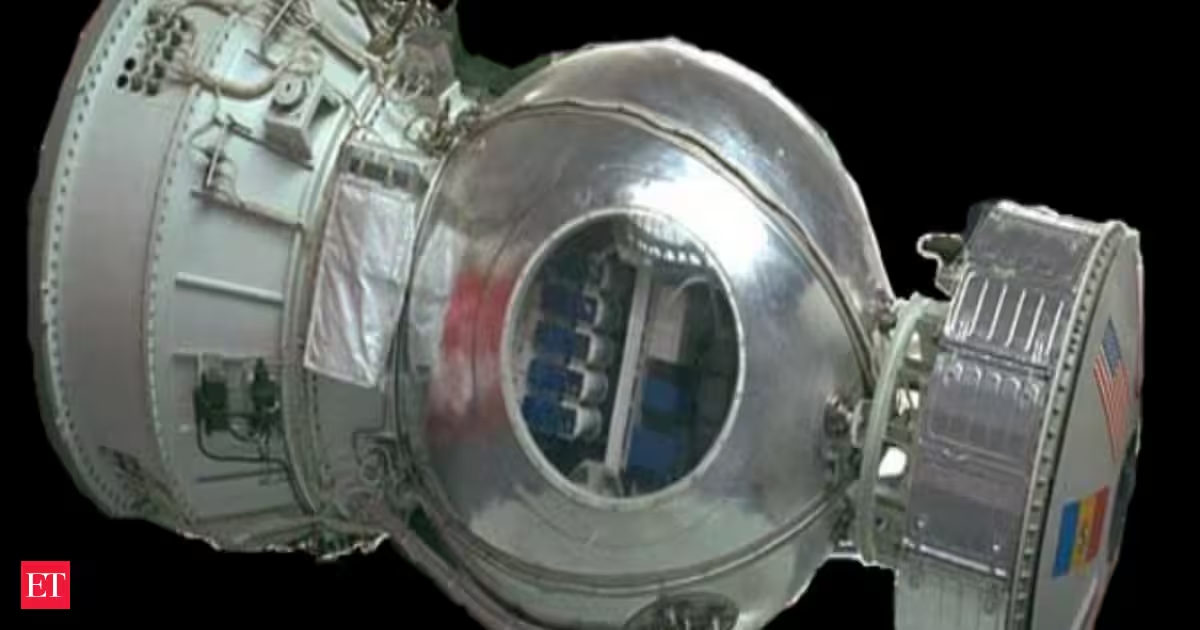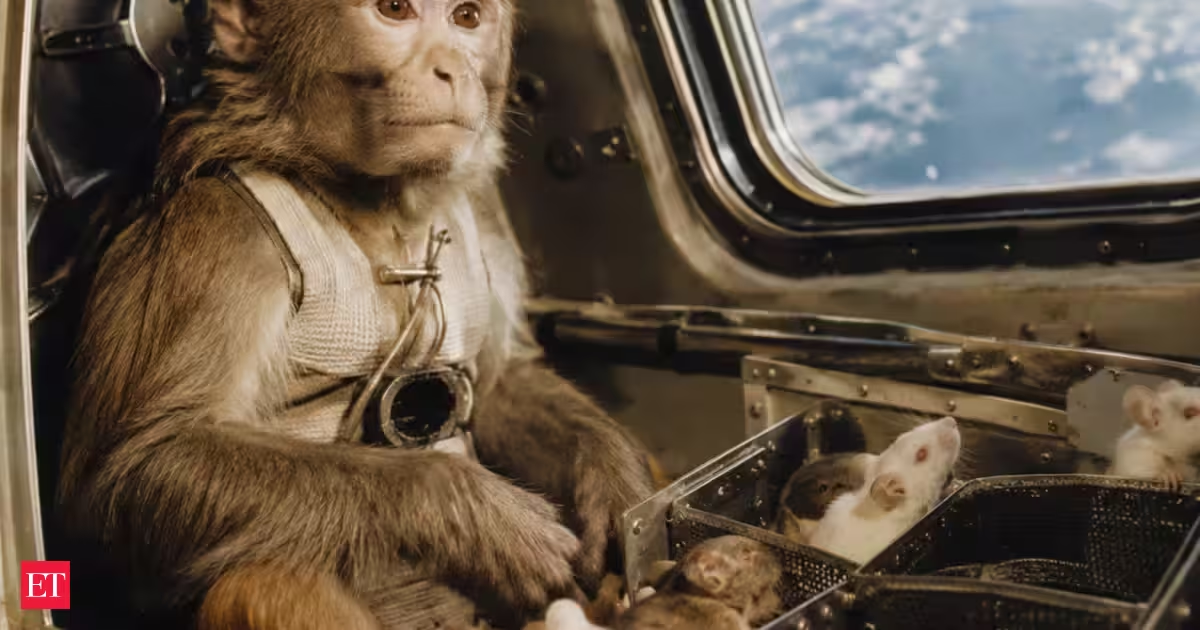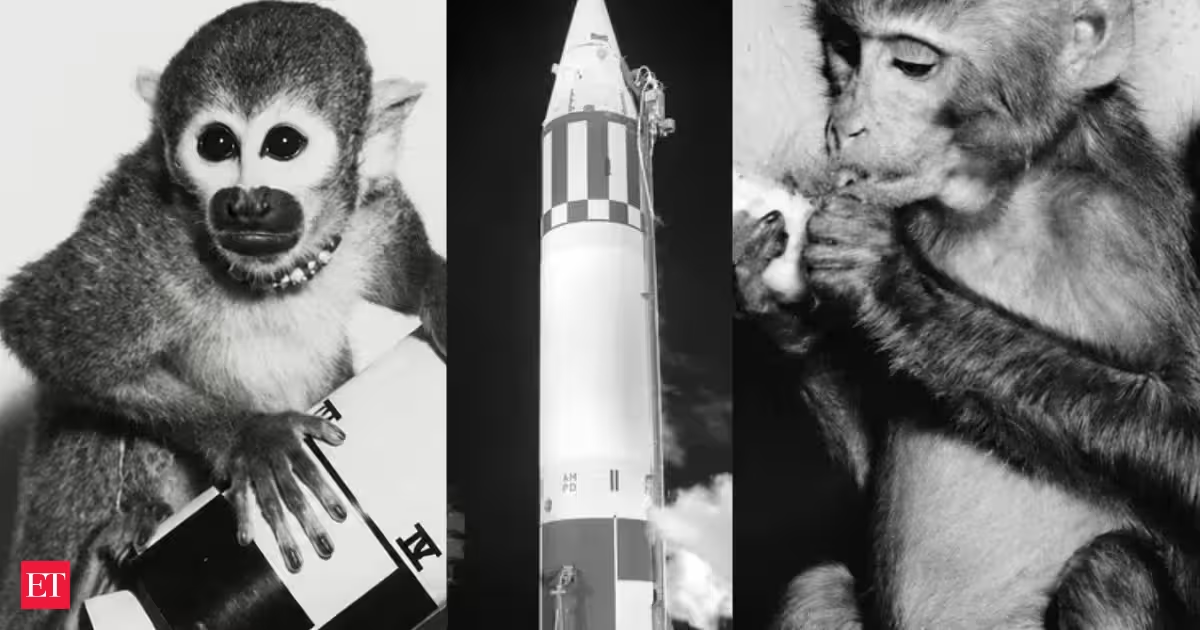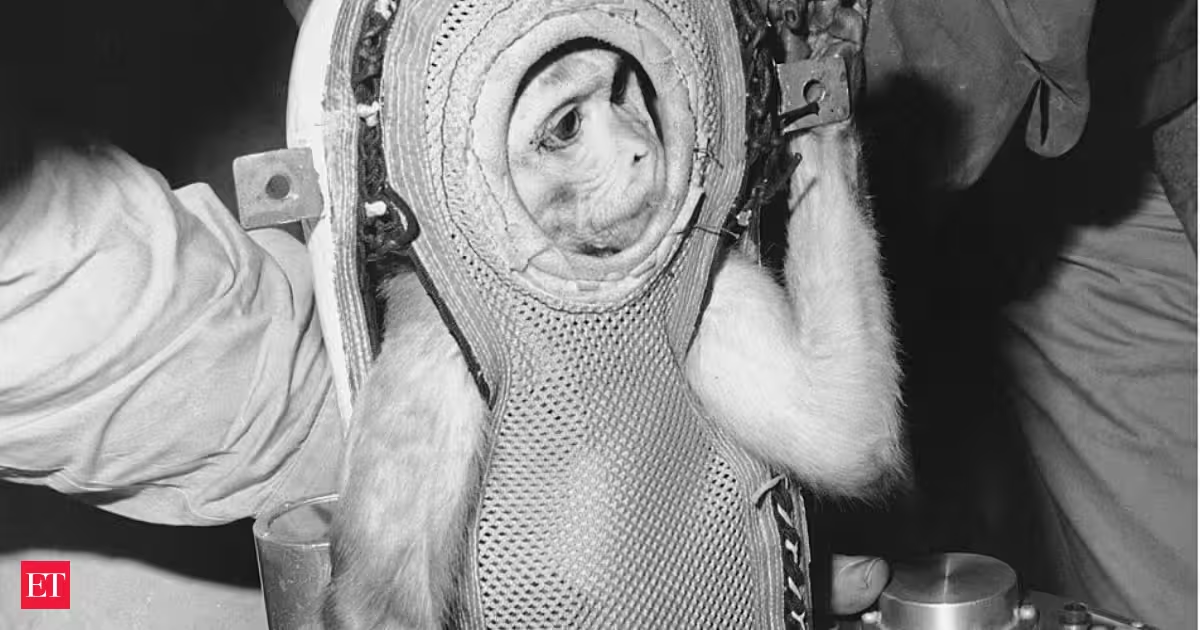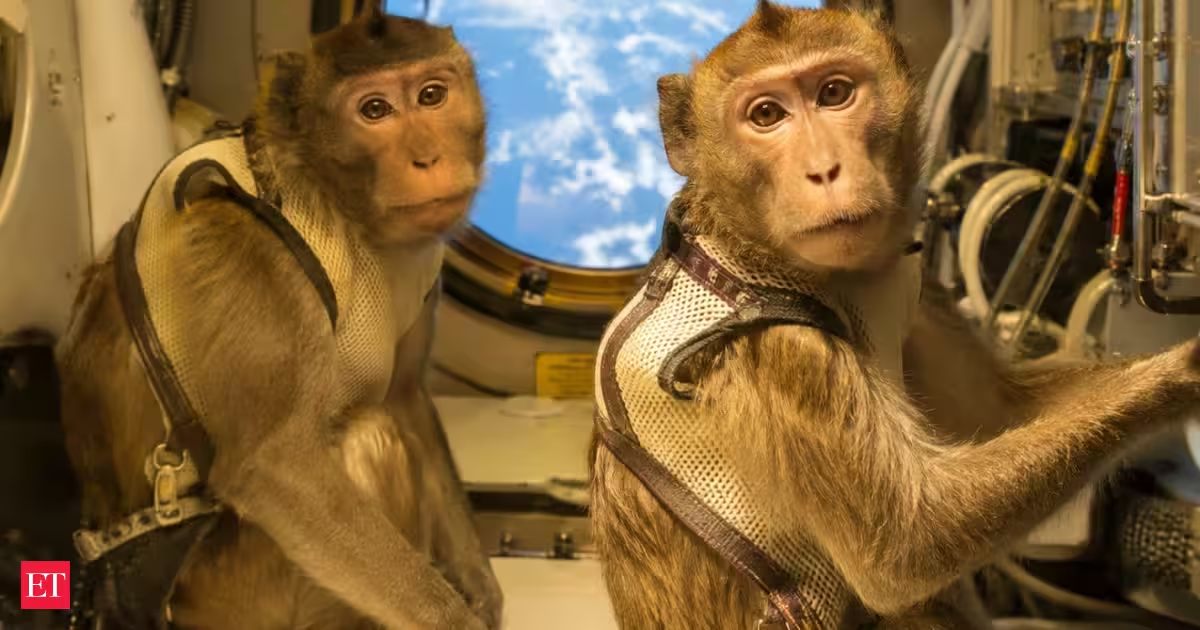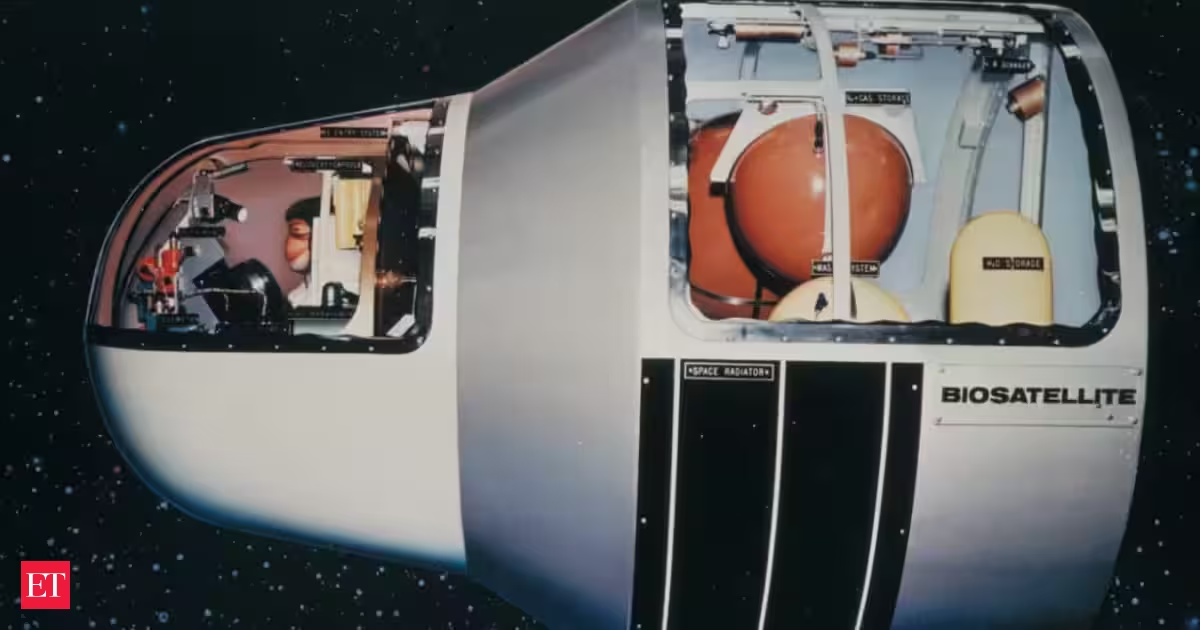
About three weeks before Neil Armstrong took his historic step on the Moon, there was another living being that was traveling a lonely way from the Earth, and very few people seem to know about him. This animal was Bonnie, a 6-kilogram pig-tailed macaque monkey placed inside the satellite Biosatellite III on June 28, 1969, and launched from Cape Canaveral. His task was to travel around the Earth for thirty days, while being monitored by sensors measuring the brain wave pattern, heart rate, and chemical composition of his body. According to NASA's own history archives, the mission never even came close to its completion, as it was aborted after less than nine days in space due to Bonnie’s failing health conditions, and he eventually died of a heart attack caused by dehydration.A body wired for science, alone in the darkThere was much more to the experiment than mere floating through space. NASA scientists had fitted Bonnie with devices to record his cardiovascular functions, brain activity, and behavioral responses, in addition to monitoring how his body coped with water and salt balance in zero gravity, all while Bonnie was confined in an enclosed capsule without any companionship of other living beings around him. The experiment carried out in 1969 was highly invasive by NASA standards. The extent of the instrumentation was impressive, for according to NASA’s historical record, 33 channels of information were obtained from sensors placed in his brain, his heart was monitored by chest leads, temperature sensors monitored his abdomen, and blood pressure was monitored through his veins and arteries in his legs. Urine samples were also obtained via catheter, along with sensors monitoring muscle and eye movement.Biosatellite III. Image credits: Wikimedia CommonsPerhaps, it could be said that this was precisely the reason why the experiment went south. A 1971 physiological interpretation of the mission by Dr. J.P. Meehan of the University of Southern California, published in Life Sciences and Space Research, suggested that the combination of weightlessness and the capsule's low temperature triggered a shift in Bonnie's blood volume with which his body could scarcely cope, while restraint and disorienting motion sensations likely added to the fluid loss. Meehan's paper titled “Biosatellite 3: a physiological interpretation,” proposed that this stress, motion sickness, and lack of water together produced the electrolyte disturbance and dehydration that ultimately killed him.Nine days, then silenceScientists became aware that Bonnie's condition was deteriorating and they had to terminate the mission prematurely by day eight, much earlier than the full month that was scheduled for his mission. However, recovery was not without complications either. Inclement weather over the Pacific Ocean made it difficult for aircraft to pick up the capsule midair as was initially planned, and Bonnie had to be rescued from the open sea and taken to Hickam Air Force Base to be treated.NASA’s history office recorded that Bonnie died of a heart attack caused by dehydration within eight hours of recovery. This was the third and final flight of the NASA Biosatellite program, a series of three missions carried out between the years 1966 and 1969 to study the reactions of organisms to extended periods in space. Biosatellite III was intended to cap the whole series with success. Unfortunately, it ended up being a warning about experimenting too much with one test subject.The part we rarely get toldHowever, Bonnie's case is not an isolated incident. This little monkey became just another addition to the long list of animals, which included Albert II, Able, Baker, and Ham, also aboard NASA spaceships. Several of them died during spaceflight experiments, and the use of animals in American space research remained controversial for years. NASA gave up primate flight testing and created ethical guidelines for research animals only in 1986.The southern pig-tailed macaque. Image credits: WikipediaThe Conversation, in a 2025 piece, noted that those guidelines were partially a legacy of the 1979 Belmont Report, an influential document initiated in reaction to previous incidents of unethical treatment of animal and human research in the United States. The Conversation also notes that there is still no internationally recognized law to protect animals used in spaceflights, noted in the article. This is the grim footnote to one of the greatest months in the United States' space program history; while preparing for its legendary Apollo mission, the country almost ignored one more death of an innocent animal, a lonely monkey that died in Hawaii's laboratory. Bonnie's eight-day flight had no bearing on Apollo 11 itself; that mission's trajectory was already locked in for its July launch, and Biosatellite III had been investigating something else entirely: how a body copes with a full month of weightlessness, the kind of long-duration data that would later inform Skylab and, decades on, the International Space Station. Almost 57 years later, that contribution still goes largely unrecognized outside a handful of NASA history pages.
In 1969, NASA launched Bonny the monkey for a planned 30 days in orbit; his condition deteriorated after about 8 days, and the mission was ended early
Explore the tragic mission of Bonny the monkey, who was launched by NASA in 1969 for a 30-day experiment in space but faced dire consequences after just eight days, uncovering the ethical challenges of animal testing in aerospace research.
808 words~4 min read