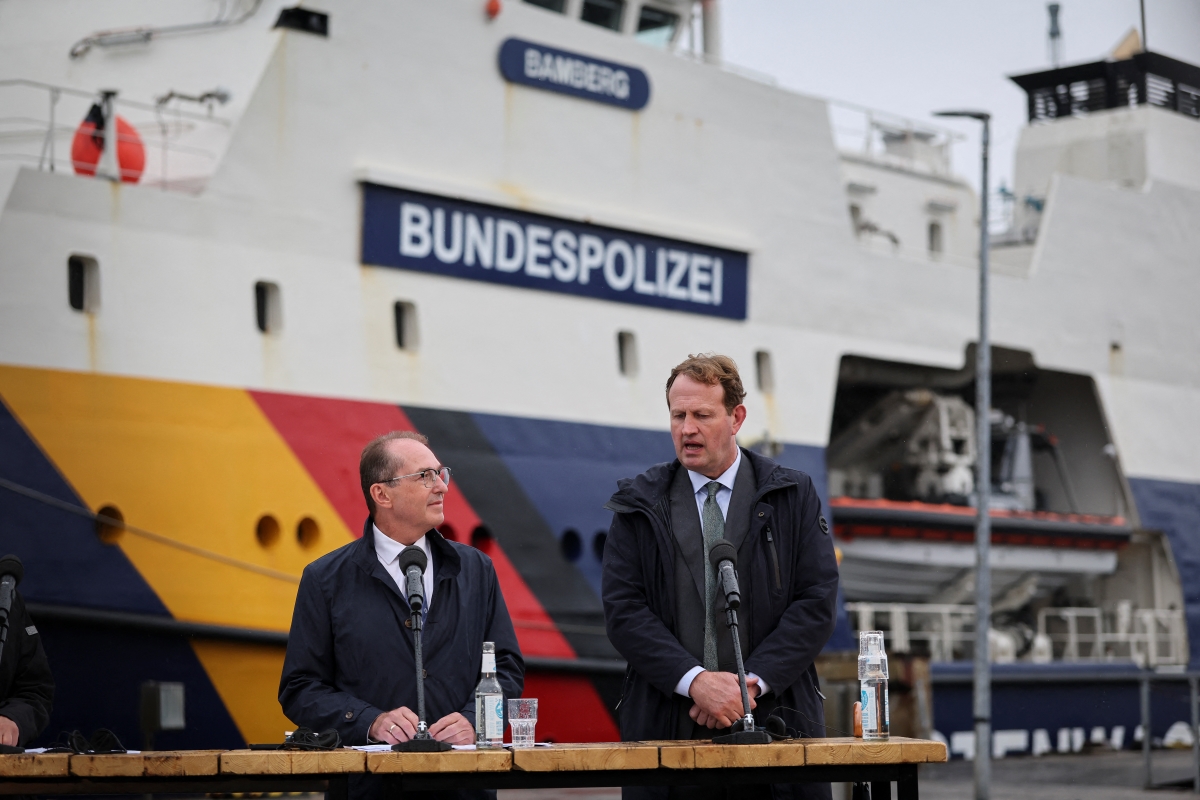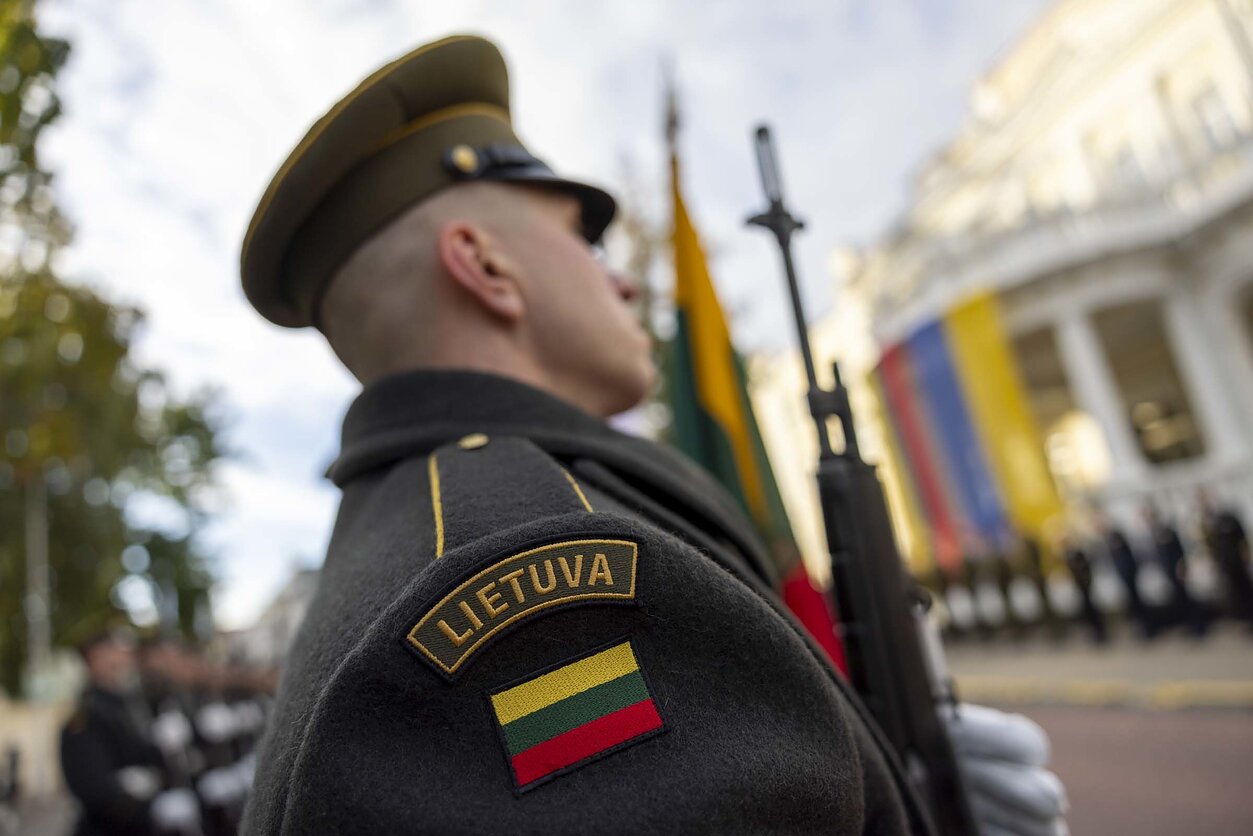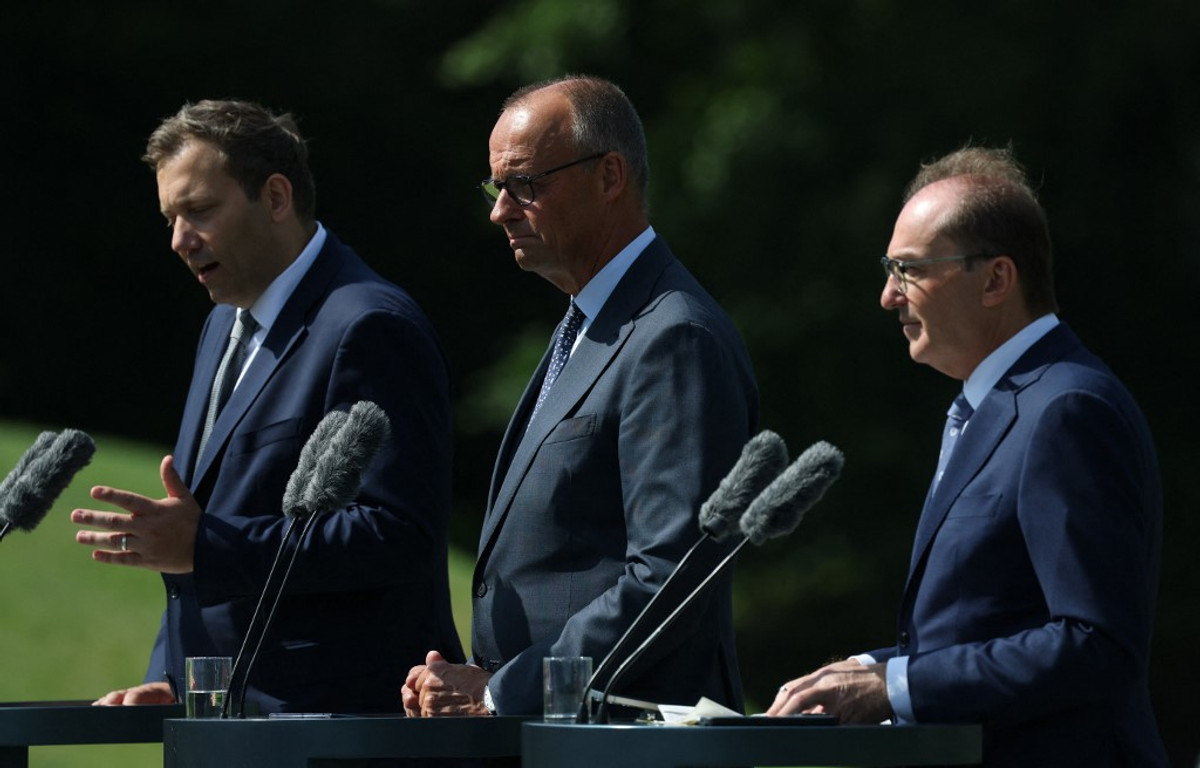
The European countries bordering the Baltic Sea are now seeking to ramp up their security coordination due to increasing hybrid warfare activity in their territory. On Friday, Germany’s Interior Minister Alexander Dobrindt gathered his colleagues from Denmark, Estonia, Finland, Latvia, Lithuania, Poland, Sweden, Norway and Ireland in northern Germany to discuss the current threat perception in and around the Baltic Sea.JOIN US ON TELEGRAMFollow our coverage of the war on the @Kyivpost_official. “The hybrid activities to which our countries are exposed point to a further escalation,” Dobrindt said during a press conference, while standing next to his Irish counterpart Jim O’Callaghan. According to Dobrindt, the number of hybrid threats is growing and becoming more sophisticated. The majority of the threats appear to come from Russia’s war against Ukraine. At the beginning of August, one of Germany’s main military logistics hubs – the Leipzig airport – was targeted by a drone equipped with explosives. The drone was located near a Ukrainian Antonov transport plane. The Baltic Sea itself has also been the site of multiple incidents, leaving sub-sea communication cables destroyed. To better defend against such hybrid attacks, the countries are now calling for the issue to be considered in the EU’s future financial planning. Ireland, which holds the rotating Council Presidency, is currently leading the negotiations between the European Parliament and EU capitals to determine the EU’s next seven-year budget. On Thursday, six countries met in Berlin to call for a cut of several hundred billion from the proposed €2 billion budget, while also pointing to the need for adequate defence spending.
Baltic Sea States Ramp Up Coordination on Hybrid Threats
European nations bordering the Baltic Sea have agreed to increase security coordination and establish a joint task force to counter hybrid warfare.
438 words~2 min read