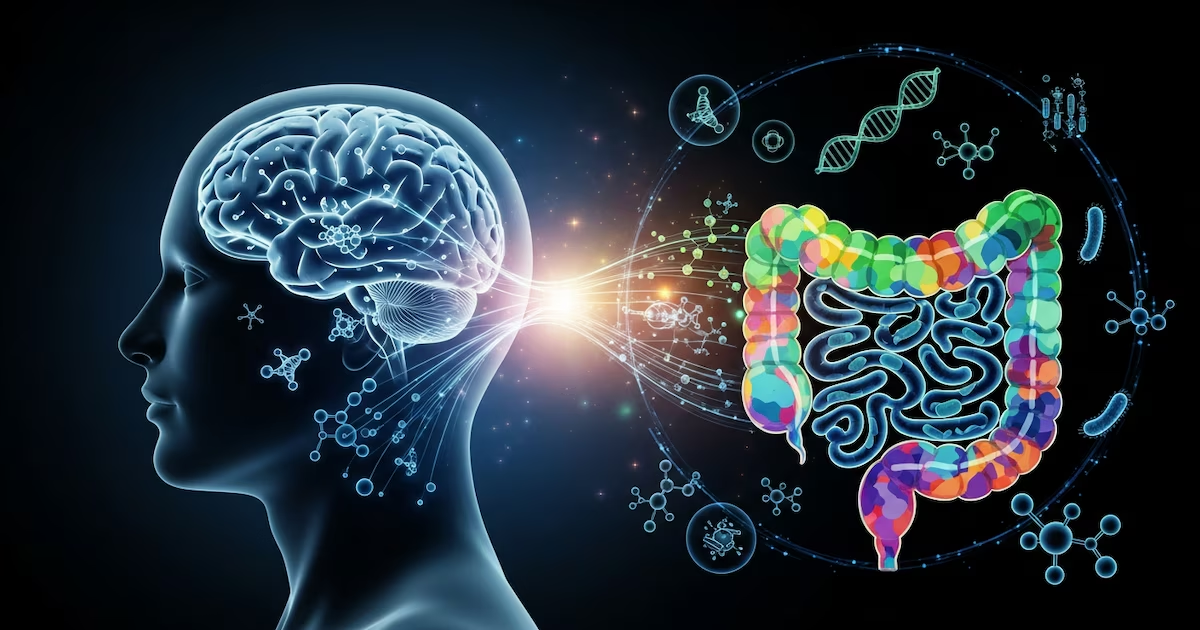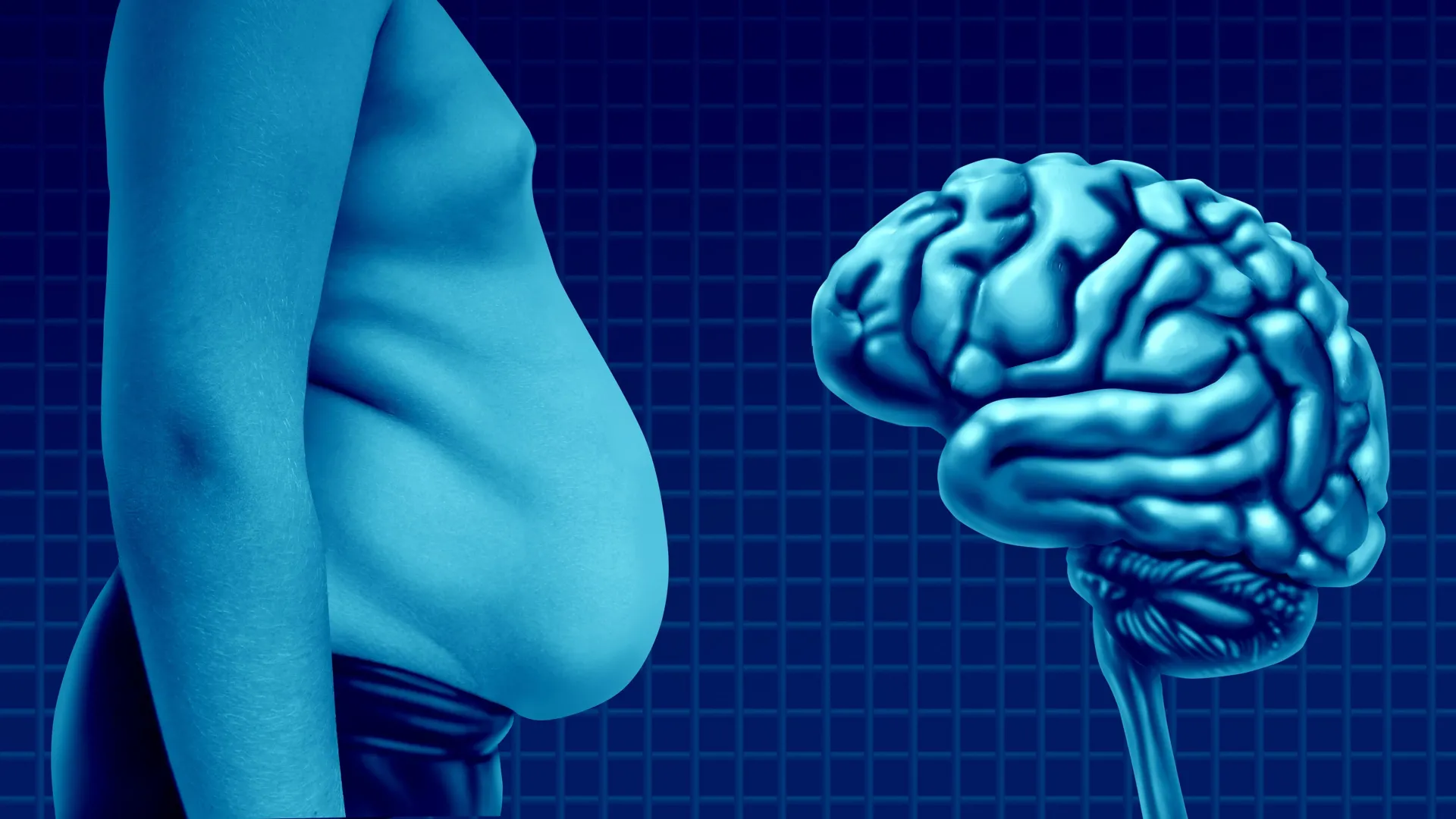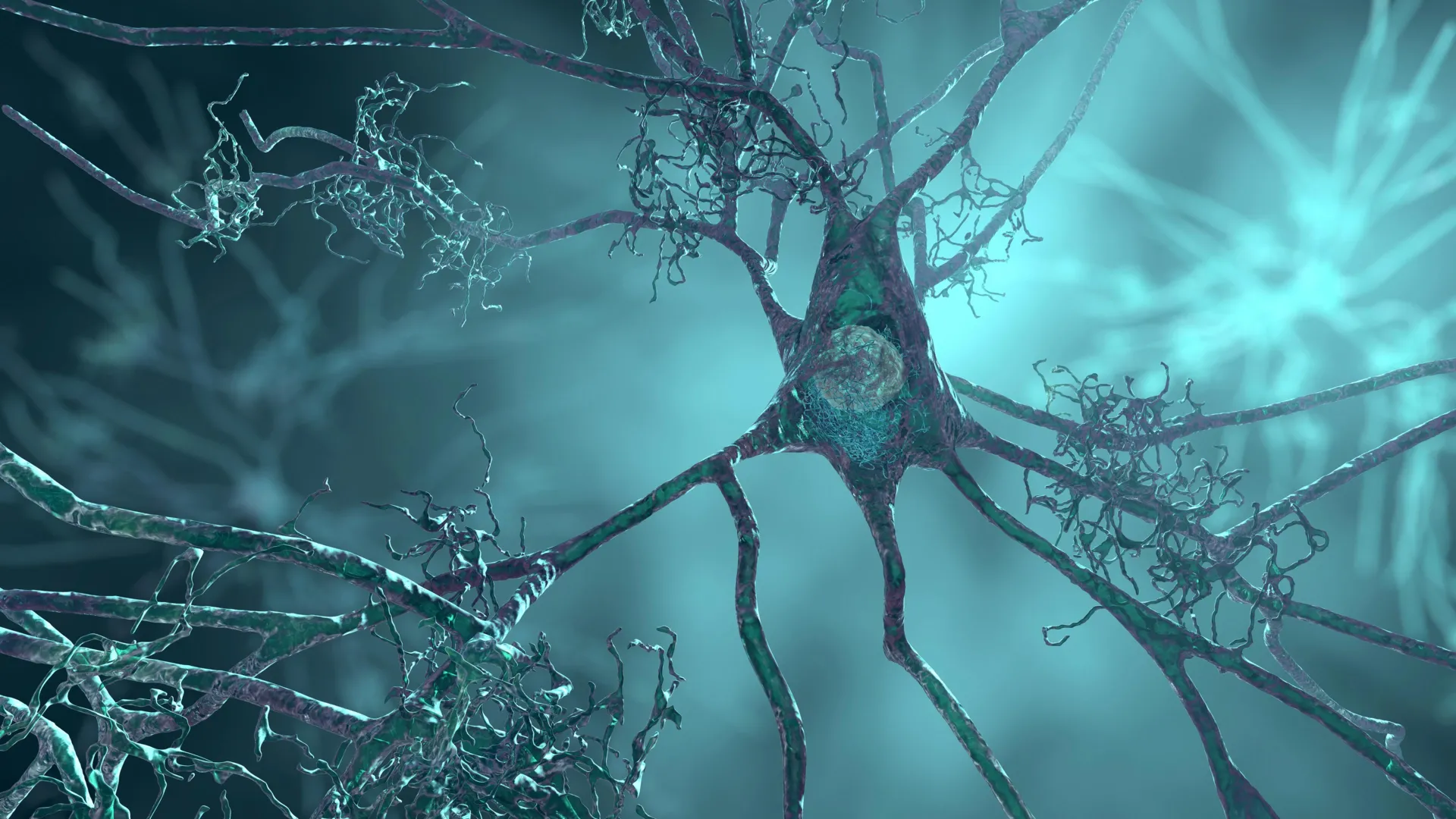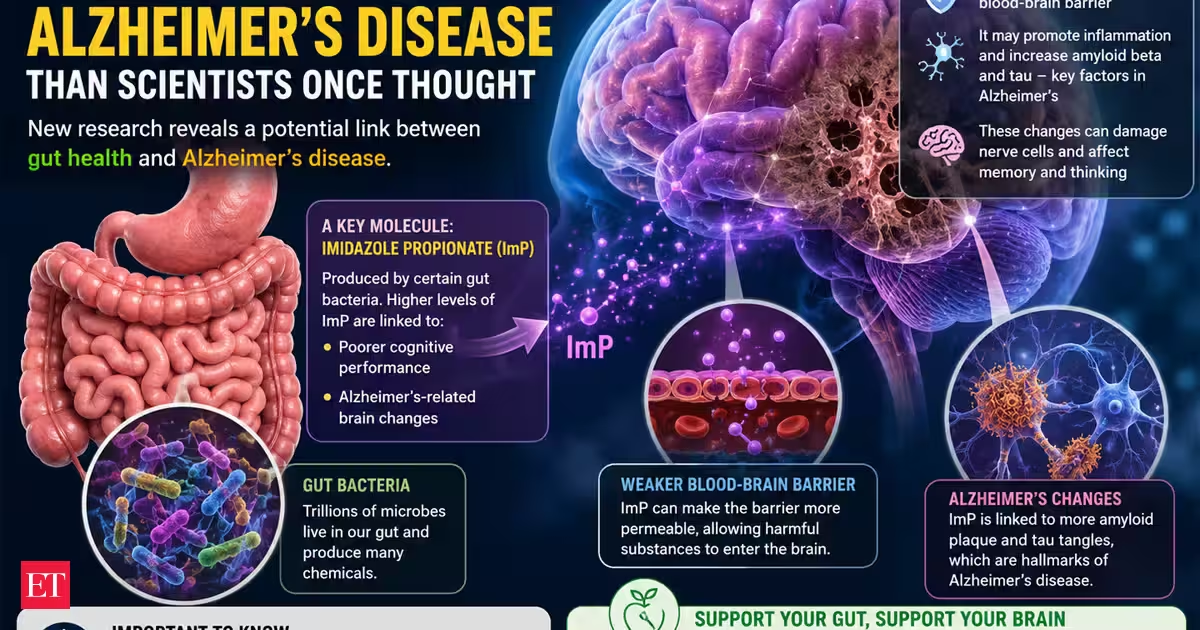
For years, scientists have explored the possibility that what happens in the gut could influence what happens in the brain. Now, new research is adding an intriguing piece to that puzzle. A study, highlighted by Wired and published in Nature Communications, has identified a gut bacteria-produced molecule called imidazole propionate, or ImP, that may be linked to biological changes associated with Alzheimer’s disease. The researchers found that people with higher levels of ImP tended to have poorer cognitive scores and more Alzheimer’s-related biomarkers. Experiments in mice and laboratory-grown human brain cells also suggested that ImP can weaken the blood-brain barrier and promote changes involving amyloid beta and tau. The findings do not mean that an unhealthy gut causes Alzheimer’s. Instead, they offer new clues about how the gut-brain connection might influence the disease.A GUT BACTERIA METABOLITE DRAWS SCIENTISTS’ ATTENTIONThe research was led by Vaibhav Vemuganti and colleagues, including Federico E. Rey, Barbara B. Bendlin and Tyler K. Ulland. The team examined data from 1,196 cognitively healthy adults, with an average age of about 61 years. The researchers found that participants with higher blood levels of ImP generally performed worse on cognitive tests. Higher ImP levels were also associated with biomarkers linked to Alzheimer’s disease, including phosphorylated tau, or pTau-217, and neurofilament light chain, a marker of neuronal damage. Importantly, these associations were observed in people who were still cognitively unimpaired. That makes the finding particularly interesting because Alzheimer’s-related biological changes can begin years before noticeable symptoms appear. The researchers also found links between ImP-producing gut bacteria and Alzheimer’s-related characteristics, suggesting that the molecule itself may be more important than simply asking whether certain bacteria are present.HOW COULD THE GUT AFFECT THE BRAIN?One of the most important findings involves the blood-brain barrier, a protective system that helps regulate which substances in the bloodstream can enter the brain. In laboratory experiments, the researchers found that ImP could compromise the integrity of human brain endothelial cells. Experiments in mice also showed increased permeability of the blood-brain barrier after exposure to ImP. The researchers then found evidence that ImP could reach brain tissue. Once there, the molecule appeared to promote biological processes associated with Alzheimer’s pathology, including increased tau phosphorylation and worsening amyloid-related changes in genetically modified mice. That suggests a possible chain of events: certain gut bacteria produce ImP, the molecule enters the bloodstream, the blood-brain barrier becomes more vulnerable, and changes associated with neurodegeneration may become more pronounced.THE FINDINGS ARE PROMISING, BUT IT IS TOO EARLY TO BLAME THE GUTThe study is significant, but it does not establish that ImP causes Alzheimer’s in humans. The human portion of the research was largely observational, meaning higher ImP levels were associated with poorer cognitive performance and Alzheimer’s-related biomarkers. The experiments in mice and cells provide stronger evidence for a possible biological mechanism, but results in animals do not automatically translate into human disease. Researchers also emphasize that there is no single 'Alzheimer’s bacterium'. ImP-producing bacteria can exist in healthy people, and their impact may depend on factors including age, genetics, sex, diet and the overall composition of the gut microbiome.Still, the findings open an important avenue for future research. Instead of trying to eliminate particular bacteria, scientists may eventually investigate ways to reduce ImP production or block its effects. For now, the message is not that changing your gut will prevent Alzheimer’s. Rather, the research suggests that molecules produced by the trillions of microbes living in the gut could be one of several factors influencing brain health - and scientists are only beginning to understand how deep that connection may go.
Your 'Gut' may play a bigger role in Alzheimer’s disease than scientists once thought - New research reveals a potential link
New research links gut bacteria molecule ImP to Alzheimer's disease changes. Higher ImP levels correlate with poorer cognitive scores and brain biomarkers. Experiments suggest ImP weakens the blood-brain barrier and affects brain cell processes. These findings offer clues about the gut-brain connection's influence on neurodegeneration. Scientists are exploring ways to reduce ImP production or block its effects.
597 words~3 min read