Tourism is only just taking hold in Vipava, but the locals are determined to do it right, by putting community first and preserving what makes it special
T
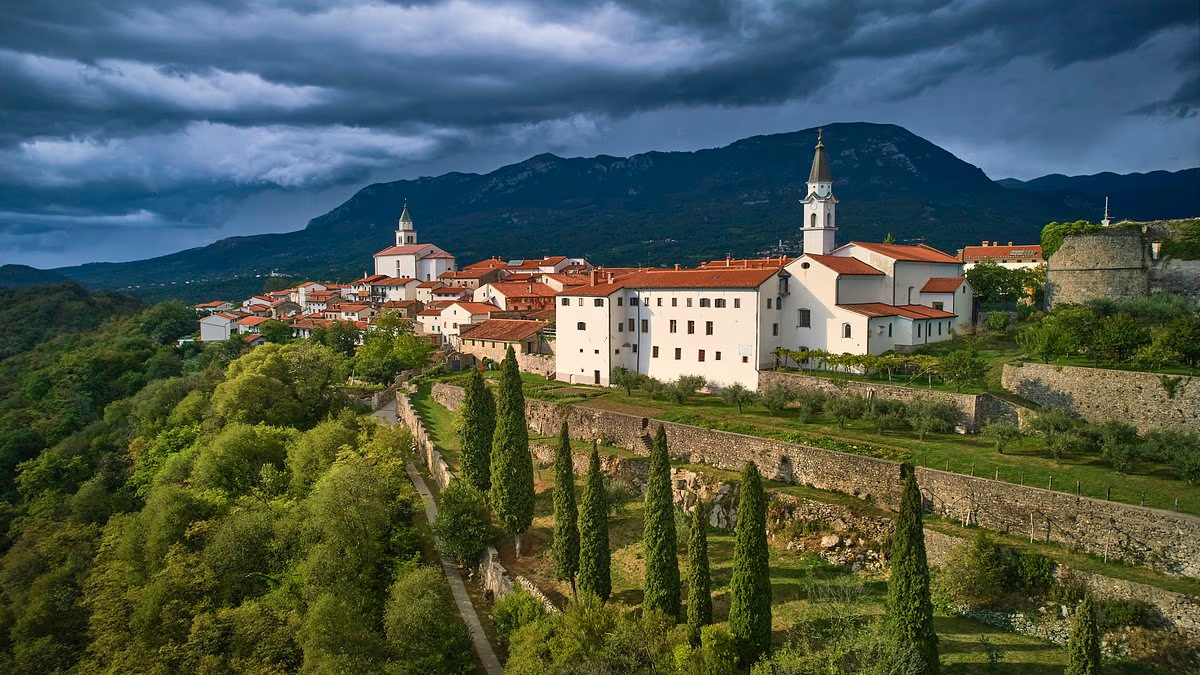
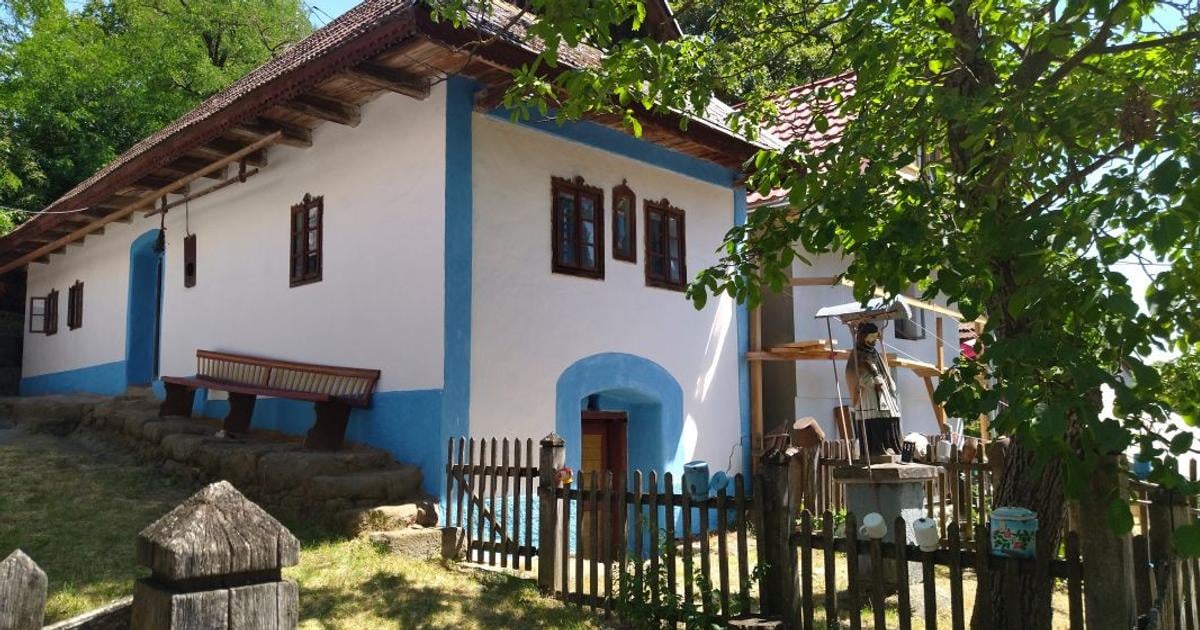
he drive to Pedrovo is vertiginous, and each hairpin bend has me sending a silent prayer that we won’t meet a tractor coming the other way. When we near it, we abandon the car and continue on foot to the hamlet, a scattering of red-roofed, whitewashed houses high on the steep karst hillside. The air is warm and dry, scented with wild sage.
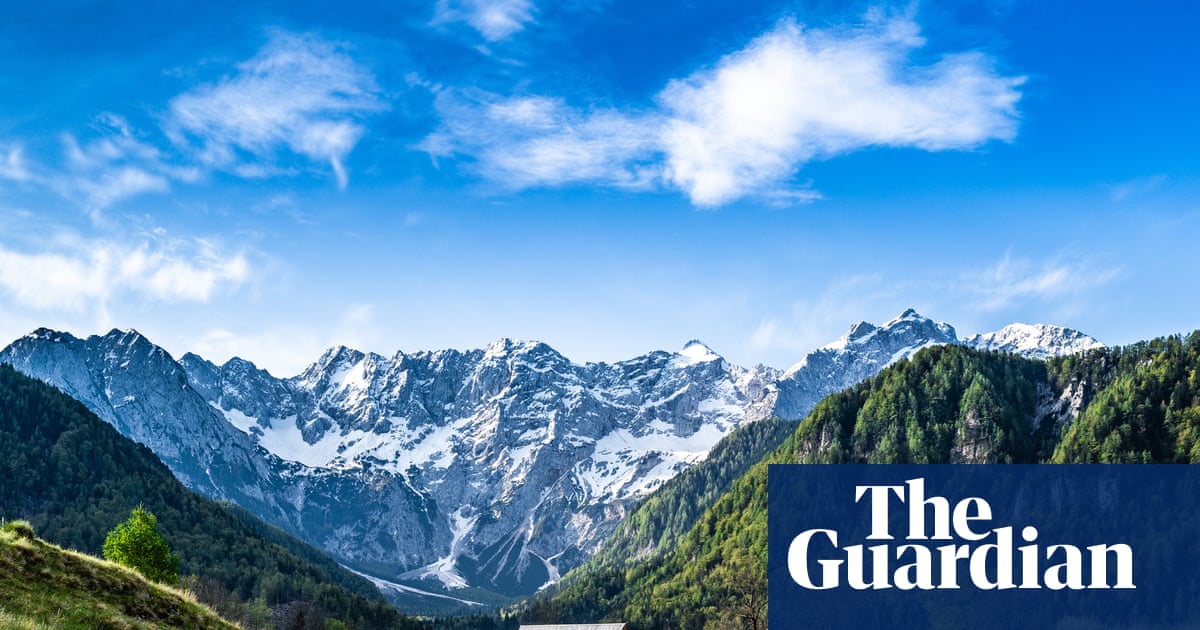
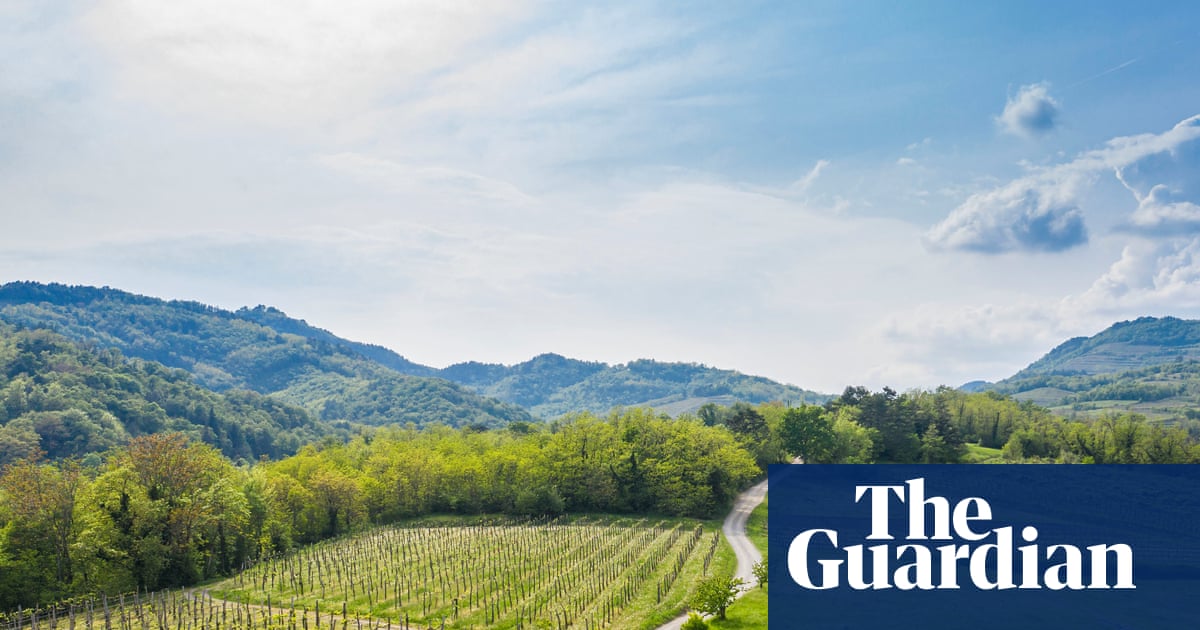
We follow a hand-painted sign to Čilčevi Farmstead. Descending stone steps to a lush garden, we find a shaded table set with fresh cheeses produced at the farm’s own dairy. Below, the valley stretches in both directions, a wide flat plain hemmed in by steep mountain slopes, with the Vipava River winding lazily through fields and vineyards.
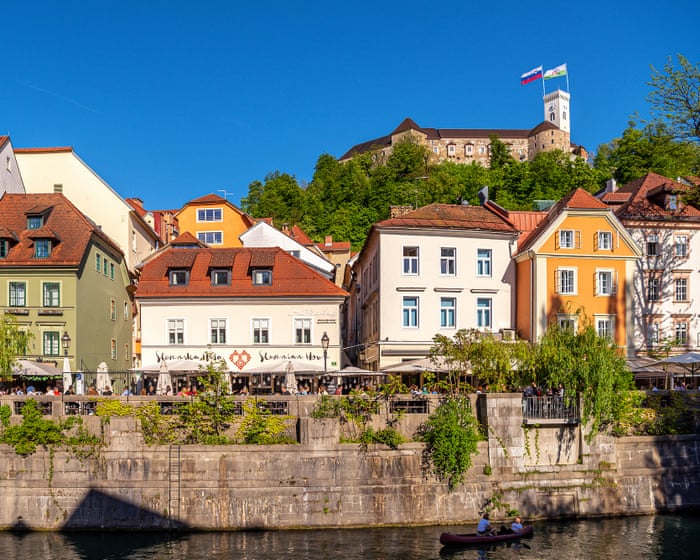
If the Vipava valley gets a mention in a Slovenian guidebook, it’s usually as a wine region footnote. The area is an hour’s drive south-west of Ljubljana, meeting Italy at the cross-border city of Nova Gorica (called Gorizia on the Italian side). Most visitors skip it in favour of the Soča valley to the north, drawn to the turquoise river and opportunities for rafting on the rapids.