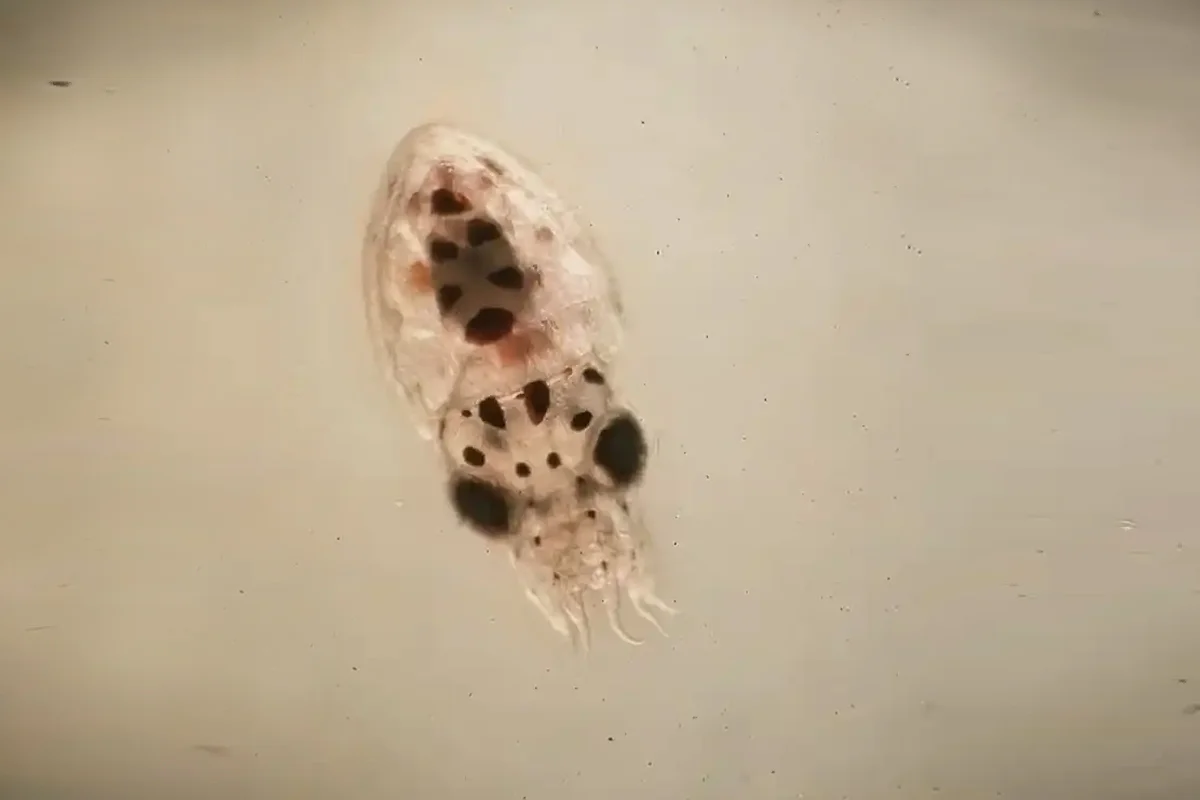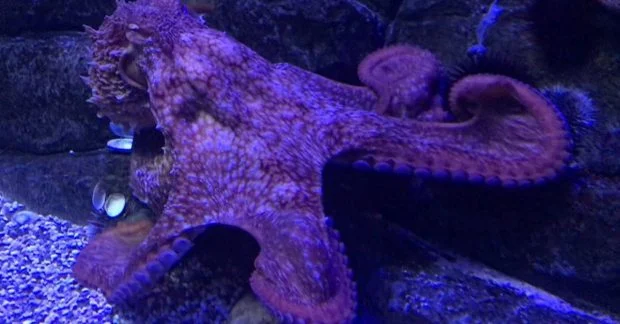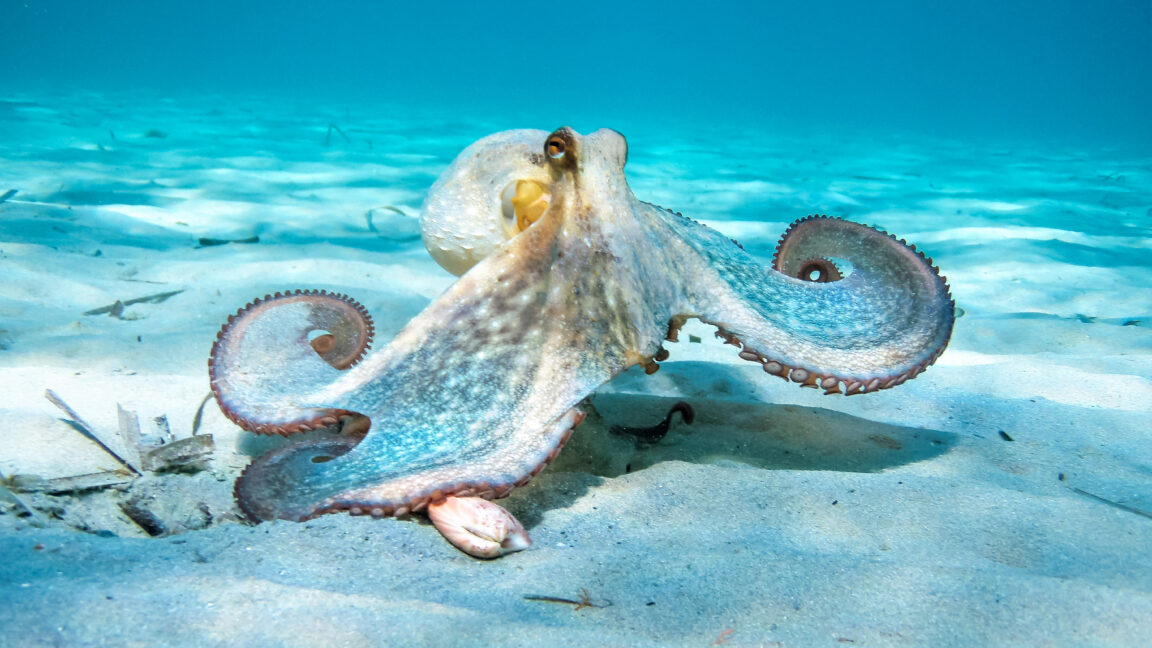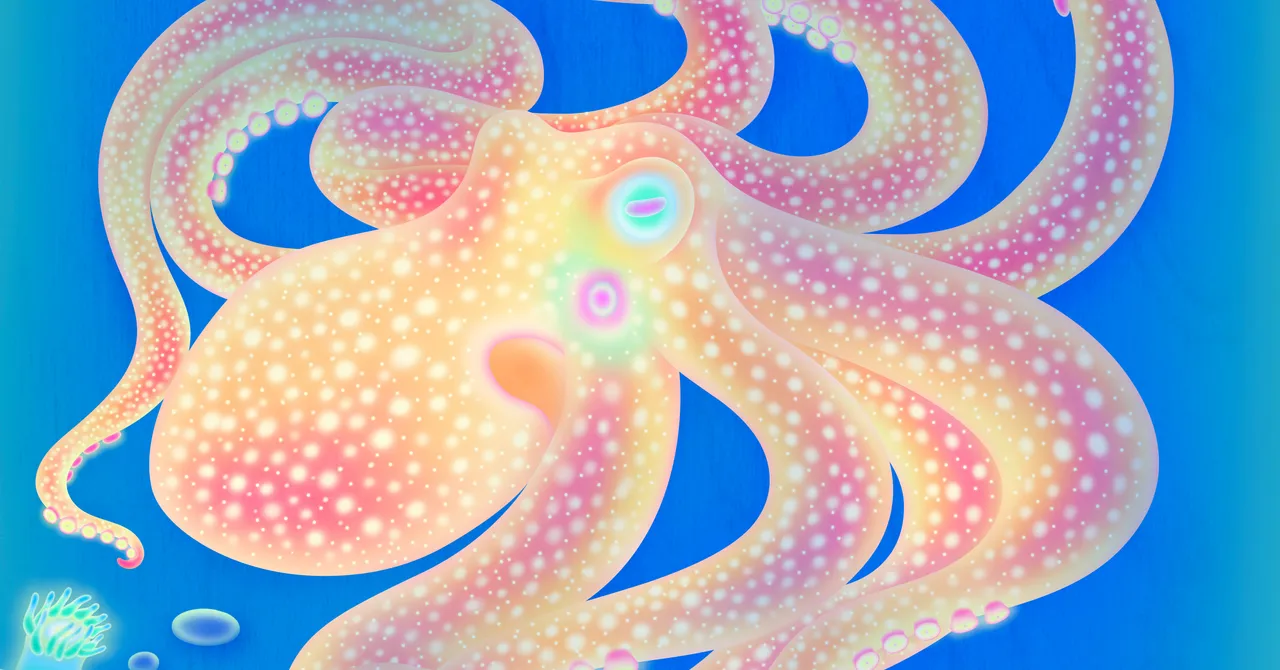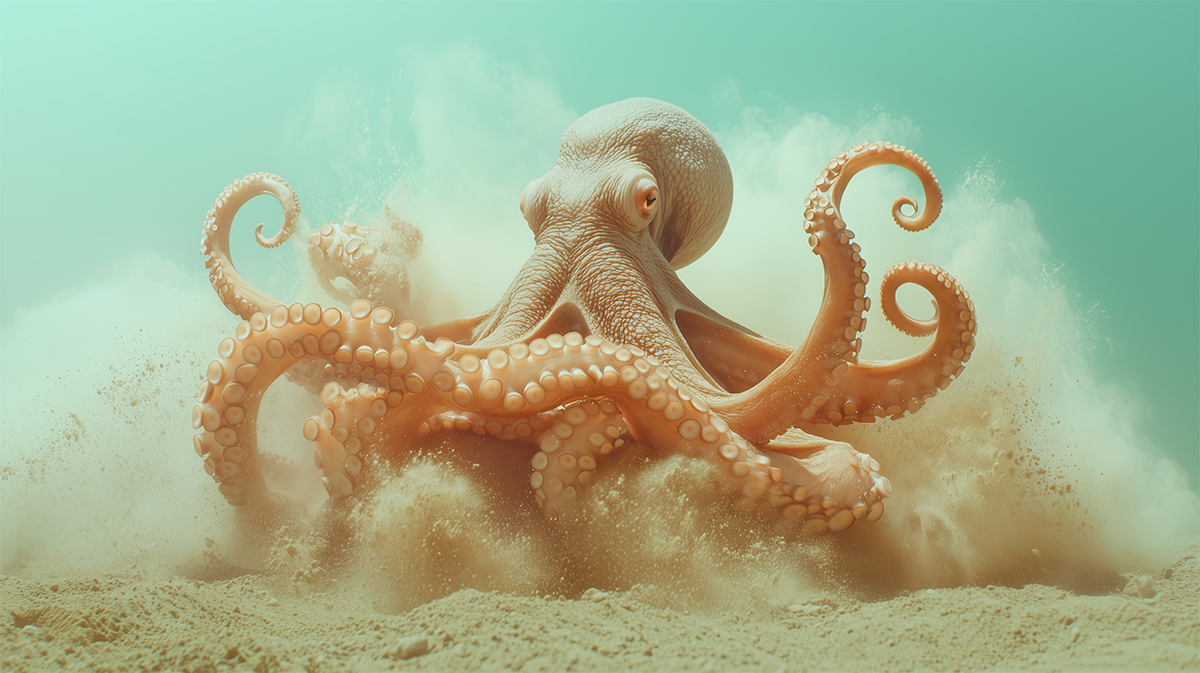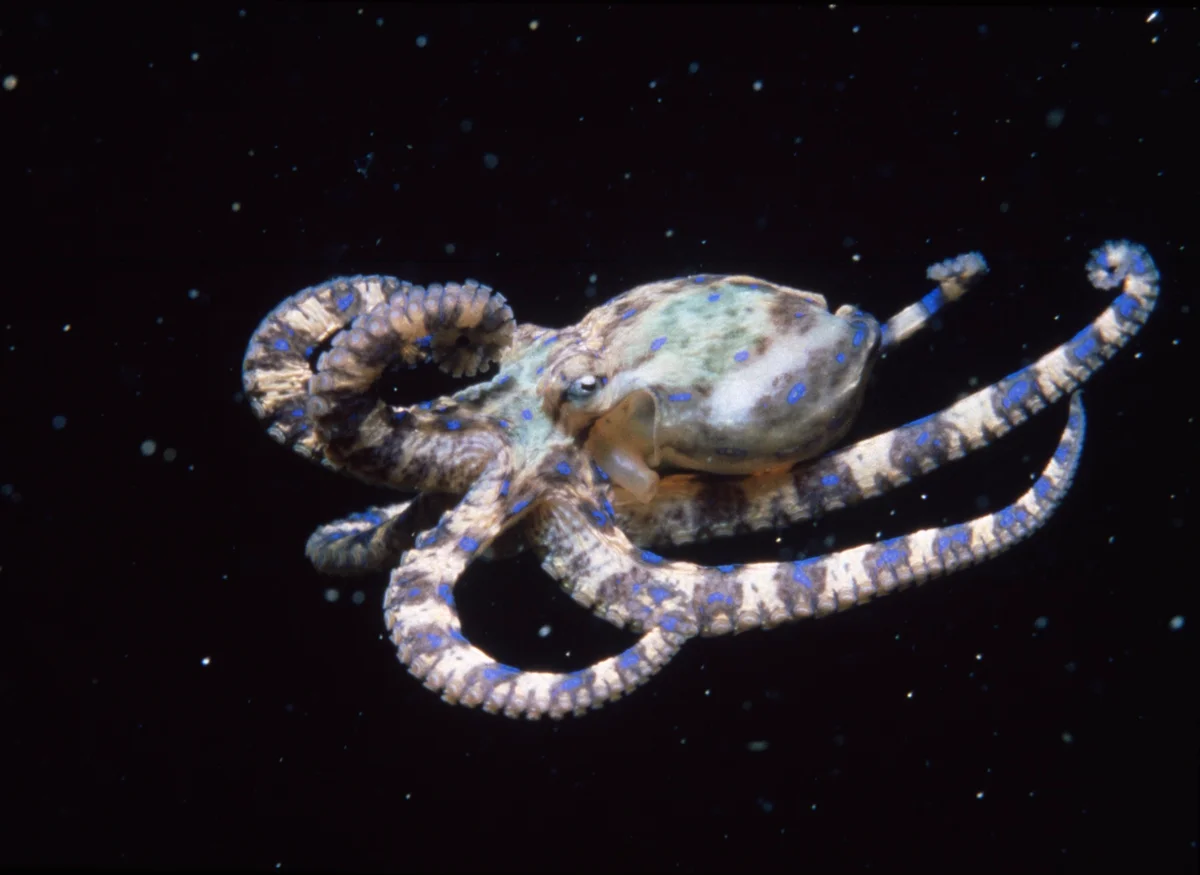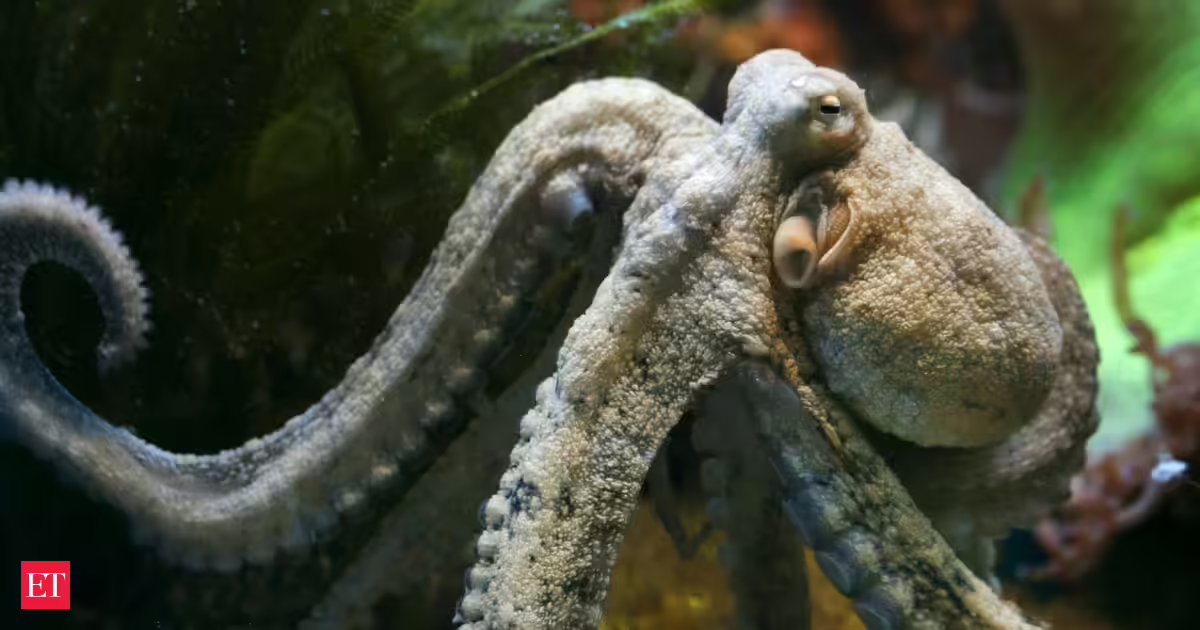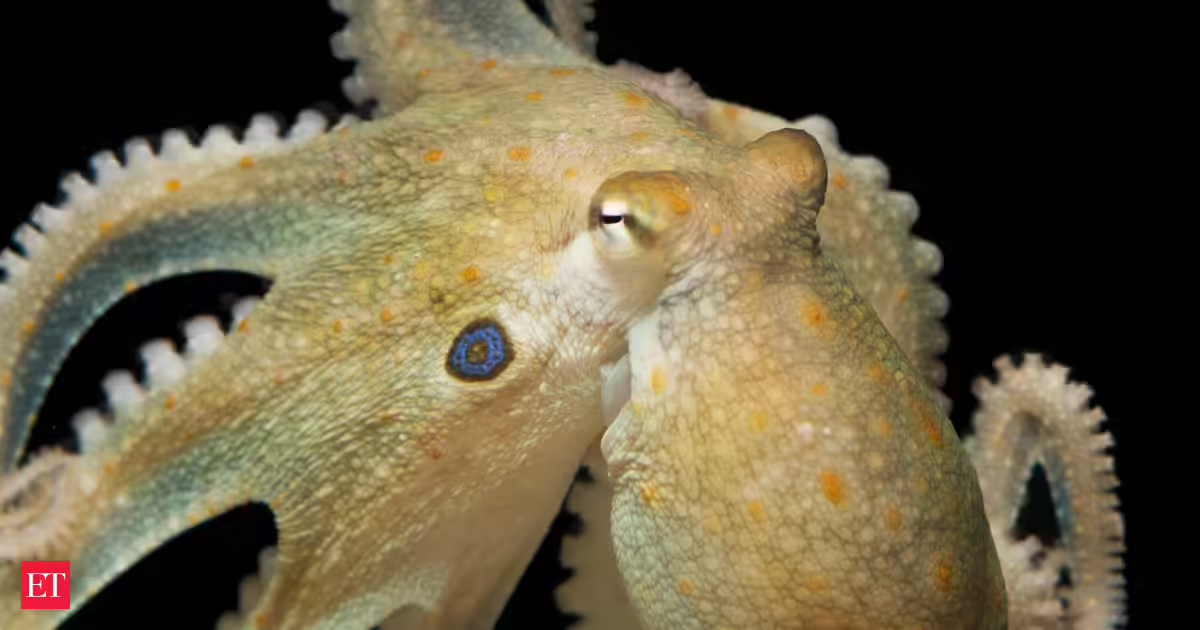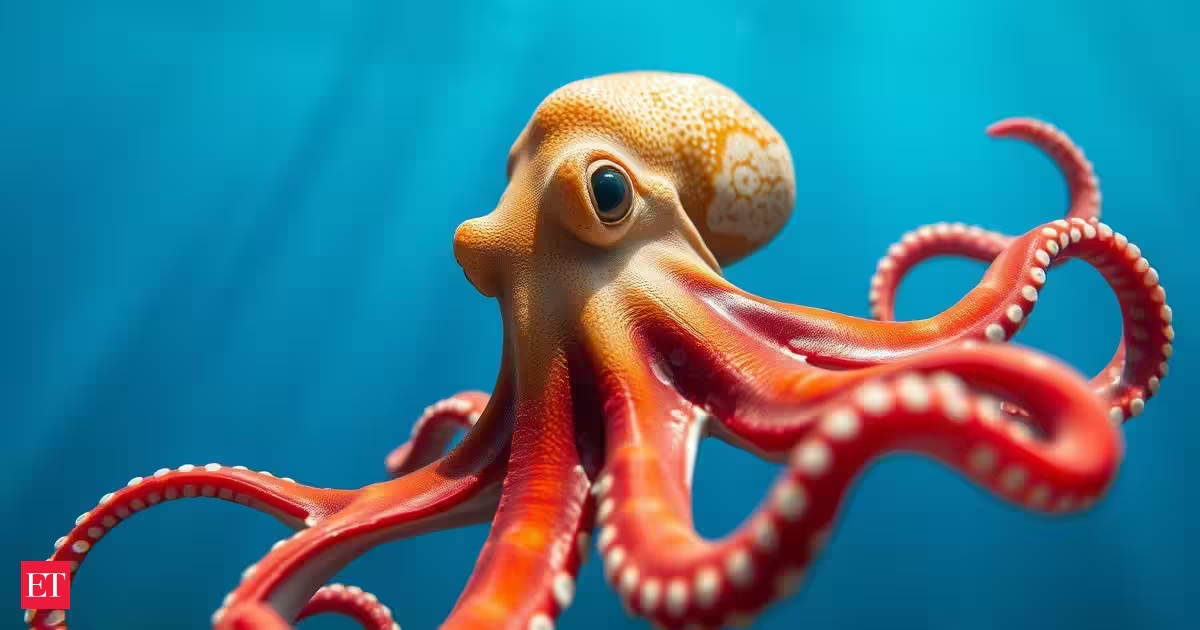
SynopsisThe octopus is a remarkable invertebrate characterized by an advanced neurological system featuring nine brains that facilitate complex behaviors. Each of its eight arms operates with a mini-brain, granting them independence in movement and response. A central brain manages the coordination of these arms, reflecting their extraordinary dual control abilities.TIL CreativesEach octopus arm contains its own mini-brain, allowing it to taste, touch, and move independently while staying connected to a central brainWith eight arms capable of intricate movement, octopuses possess one of the most unique neurological architectures in the animal kingdom. These sea creatures do not rely on a single command center to operate. Instead, an octopus has nine brains in total: a main central brain and eight smaller "mini-brains" located within its arms.How an Octopus uses 9 brains for independent controlAccording to the Natural History Museum, each of an octopus's eight arms contains its own localized mini-brain. This unique physical arrangement allows the arms to complete tasks with greater speed and effectiveness. Each individual arm is capable of acting independently, tasting, touching, and moving on its own without requiring constant direction from the head.At the same time, the central brain can exert top-down control over the entire system. Research cited by the Natural History Museum highlights a 2011 experiment that demonstrated this dual system in action. Researchers tested whether an octopus could learn to guide one of its arms through a maze to reach food rewards.The maze featured transparent walls that allowed the octopus to see the food, but forced the arm to leave the water, preventing the arm's localized chemical sensors from finding the meal independently. Most of the octopuses successfully guided their arm through the maze using visual cuesThis experiment proved that the central brain, which processed the visual information, ould override and control the arm's movement. Thanks to these nine brains, octopuses benefit from both localized autonomy and centralized control.Brain-to-Body ratio and neuron breakdown explainedBeyond their physical layout, octopuses earn their reputation as exceptionally clever creatures through their brain structure and problem-solving abilities. Scientists often use an animal's brain-to-body ratio as a rough guide to gauge intelligence, as it indicates how much energy and biology the animal invests in its brain.While other factors like brain folding also influence cognitive capacity, smarter animals generally exhibit a higher ratio. The Natural History Museum notes that the octopus has the largest brain-to-body ratio of any invertebrate, surpassing many vertebrates, though remaining below mammals.In terms of raw cellular capacity, an octopus possesses roughly 500 million neurons, about the same number as a dog. In the common octopus (Octopus vulgaris), about two-thirds of these neurons reside within the arms, while the remaining third forms a doughnut-shaped brain wrapped directly around the esophagus in the head.Why Octopuses are considered the smartest invertebratesThis neural network translates into remarkable practical intelligence. Octopuses have repeatedly demonstrated their smarts in controlled settings by solving complex mazes, navigating tricky tasks to secure food rewards, and adeptly opening or escaping from sealed containers. Combining nine decentralized brains with an extraordinary neuron count, the octopus remains one of the most uniquely capable creatures in the ocean.Read More News on
Inside the Octopus Brain: How nine mini-brains make this sea creature remarkably clever
The octopus is a remarkable invertebrate characterized by an advanced neurological system featuring nine brains that facilitate complex behaviors. Each of its eight arms operates with a mini-brain, granting them independence in movement and response. A central brain manages the coordination of these arms, reflecting their extraordinary dual control abilities.
520 words~2 min read