In many cases, aches and pains can be a reflection of your daily routines.Habits like sitting at a desk all day, looking down at your phone or even straining to pick your socks up off the floor can lead to a body that feels creaky, tight and sore. Making time to practise good movement habits can keep you feeling limber and strong.Physical therapists know this all too well.“People come in with the same problems over and over again,” said Theresa Marko, a physical therapist in New York City.She often finds herself recommending the same exercises as solutions, she said – exercises that, for example, “counteract, you know, going to see The Odyssey for three hours.”We asked physical therapists to share the exercises they wish everyone incorporated into their fitness routines. Here are six that came up again and again.1. STANDING ON ONE LEG
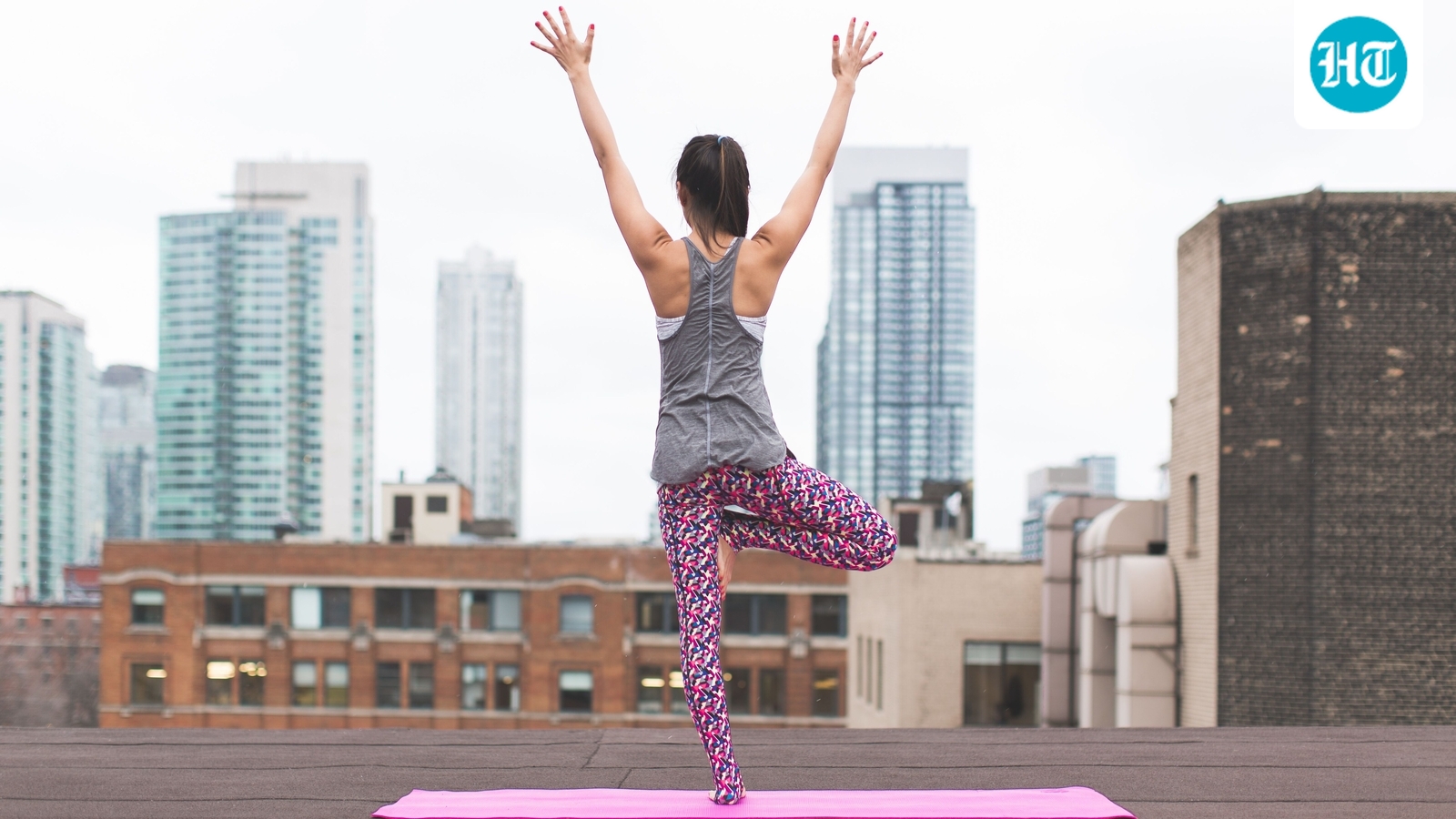
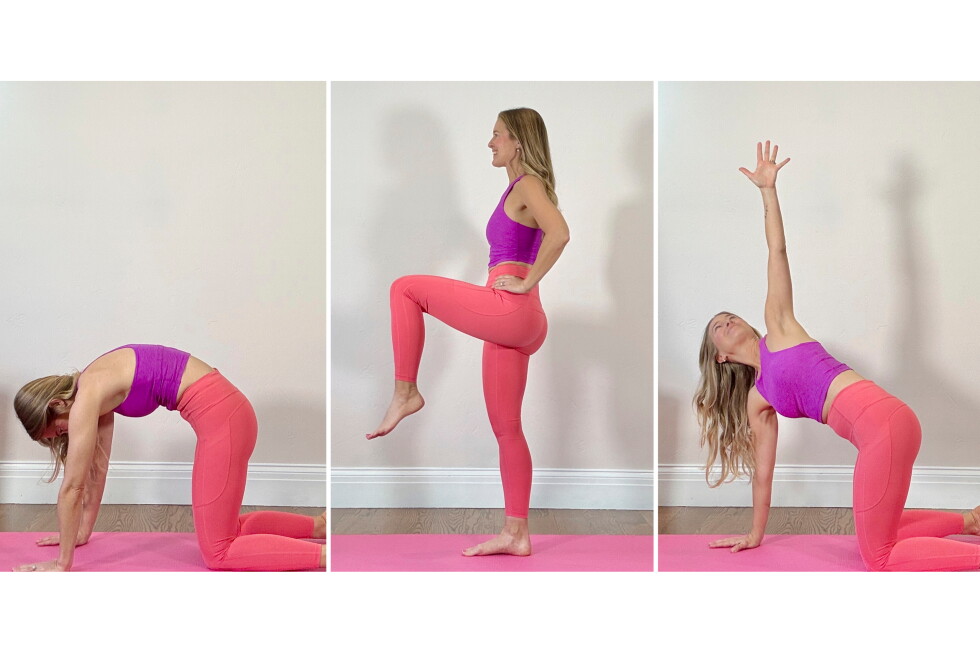
A woman stands on one leg. (Photo: The New York Times/Bee Trofort)
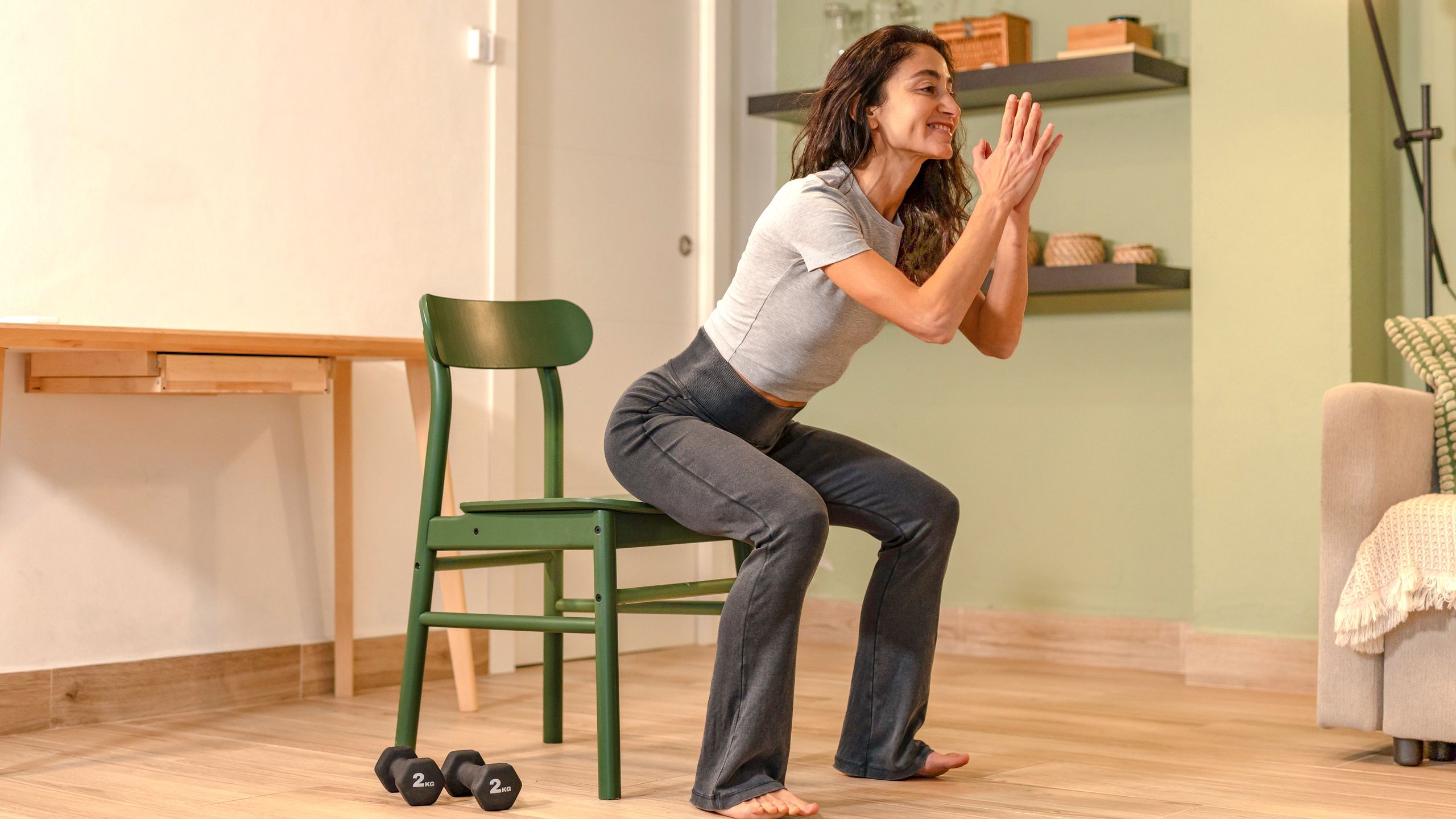
Good balance is important for both fitness and everyday life, but it deteriorates with age, unless you’re “really deliberate about practising it,” said Conor Nordengren, a physical therapist in Wellesley, Massachusetts.One of the simplest ways to do this is by regularly standing on one leg, experts said.This simple exercise can “strengthen all the muscles in your foot, your ankle, your knee, your thigh,” Marko said. It also helps to build stability – not only in your legs, but also in your hips, pelvis and lower back. “I stand on one leg in the kitchen, waiting for coffee, waiting for the elevator,” she added.If standing on one leg is challenging for you, lightly rest your hand on a chair, a wall or a countertop until you feel stable enough to let go. If the exercise feels easy, close your eyes.Stand on each leg for at least 30 seconds every day.2. HIP HINGESThe ability to properly bend forward, or hinge, at the hips is useful both for daily tasks, like picking things up off the floor, and for exercises like deadlifts and kettlebell swings.But many people struggle with hip hinges, said Dhara Shah, a physical therapist at Emory Healthcare in Atlanta. It’s common to round your back and lock your knees when you bend over, which puts pressure on your spine and can lead to pain or injury.Regularly practising hip hinges can also strengthen your glutes and hamstrings.To do a hip hinge, send your hips backward while bringing your chest forward. Keep your back straight, your shoulders pulled slightly back, your abdominal muscles pulled toward your belly button and your knees softly bent.Practice this movement daily, doing two sets of 15 hinges.3. SIT-TO-STANDSThe act of sitting down and then standing back up may seem simple, but with age, it can become increasingly difficult without proper strength and stability. Making time to practise “sit-to-stand” exercises will pay off by strengthening your quads, glutes, hamstrings, calves and core muscles, and improve your ability to do lunges and squats, the experts said.To do a sit-to-stand, lower yourself into a chair and stand back up in a slow, controlled way. If this feels challenging, practise it several times a day until it feels easier.If it already feels easy, lower your body even more slowly and just barely tap your butt to the seat before slowly standing up again. The lower the surface, the more challenging it will be. “That control piece makes it a little harder,” Shah said. Do two sets of 20 repetitions several times a week. For more of a challenge, do it while holding weights or a kettlebell.4. DEAD BUGS WITH DIAPHRAGMATIC BREATHING