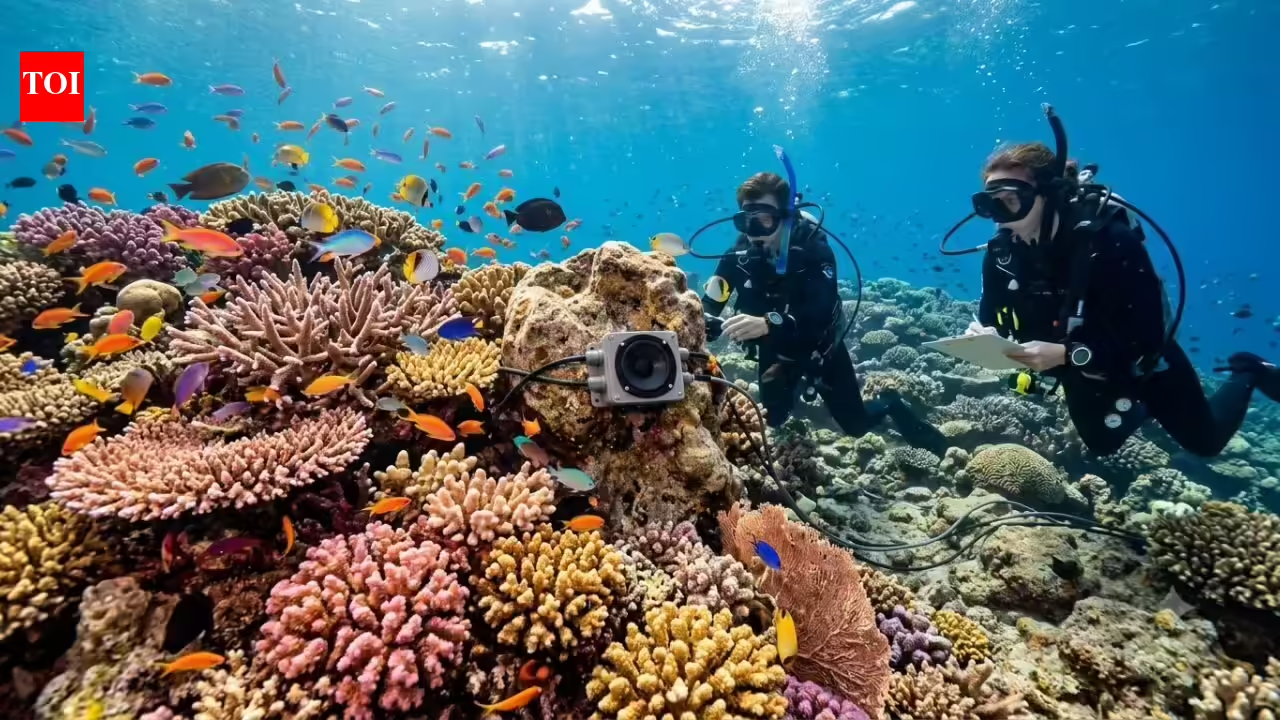
Coral reef fish that are exposed to motorboat noise grow up smaller and less able to dodge predators, new research shows. Scientists played either boat noise or natural reef sounds to a species from the Great Barrier Reef called the spiny chromis, both as embryos and soon after hatching.
The research is published in the journal Environmental Pollution.
Fish exposed to boat noise at both stages were less likely to respond to a simulated predator attack—and those that did were more likely to swim toward the predator.
The study, by the University of Exeter, University of Bristol and James Cook University, also found that fish exposed to boat noise after hatching were 7% shorter on average than those exposed to reef sounds.
Commenting on the possible reasons for these effects, Exeter's Dr. Sophie Nedelec said: "We know from previous research that motorboat noise affects parental care behavior, including oxygenating eggs by fanning during the embryonic phase, which is linked with their survival.