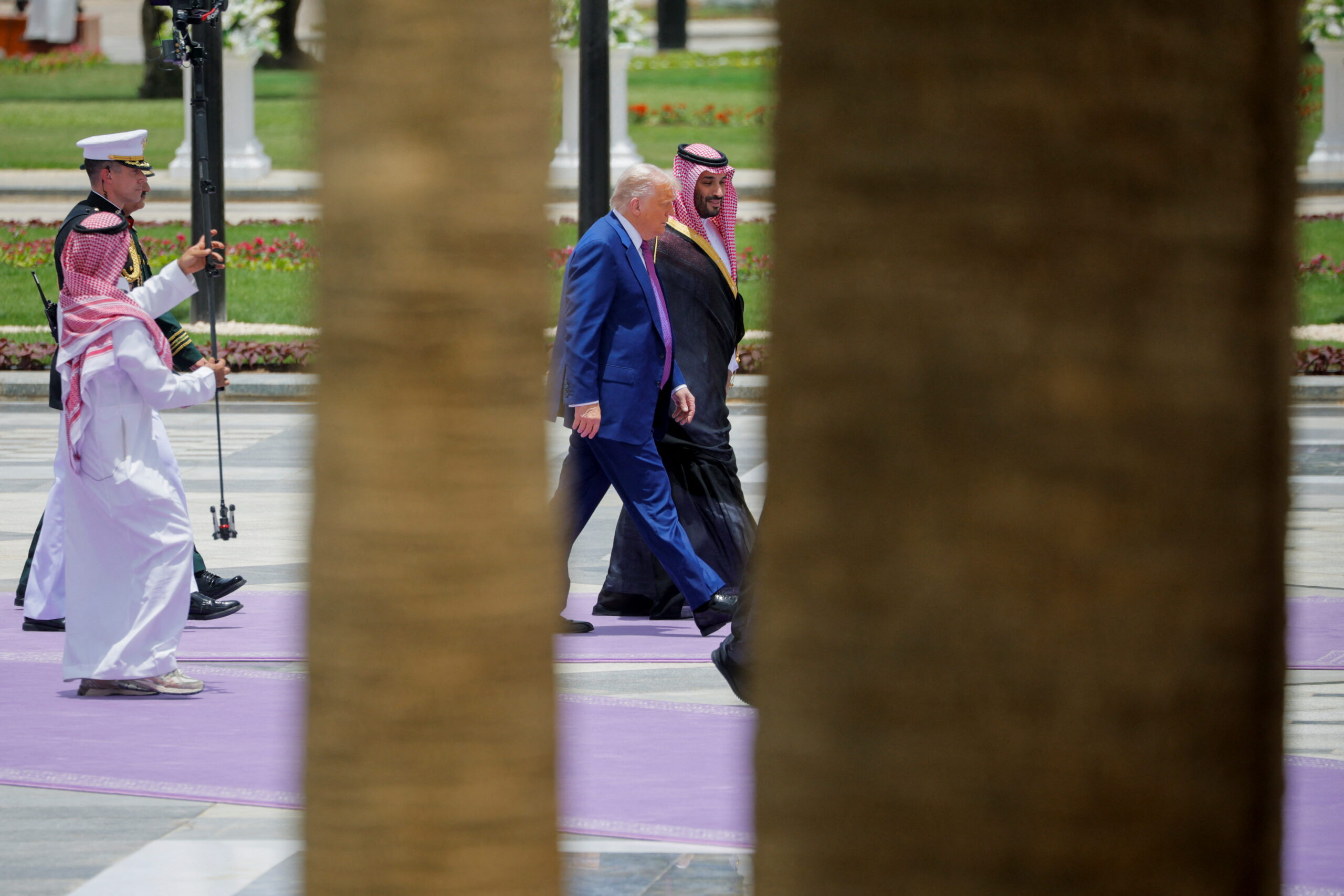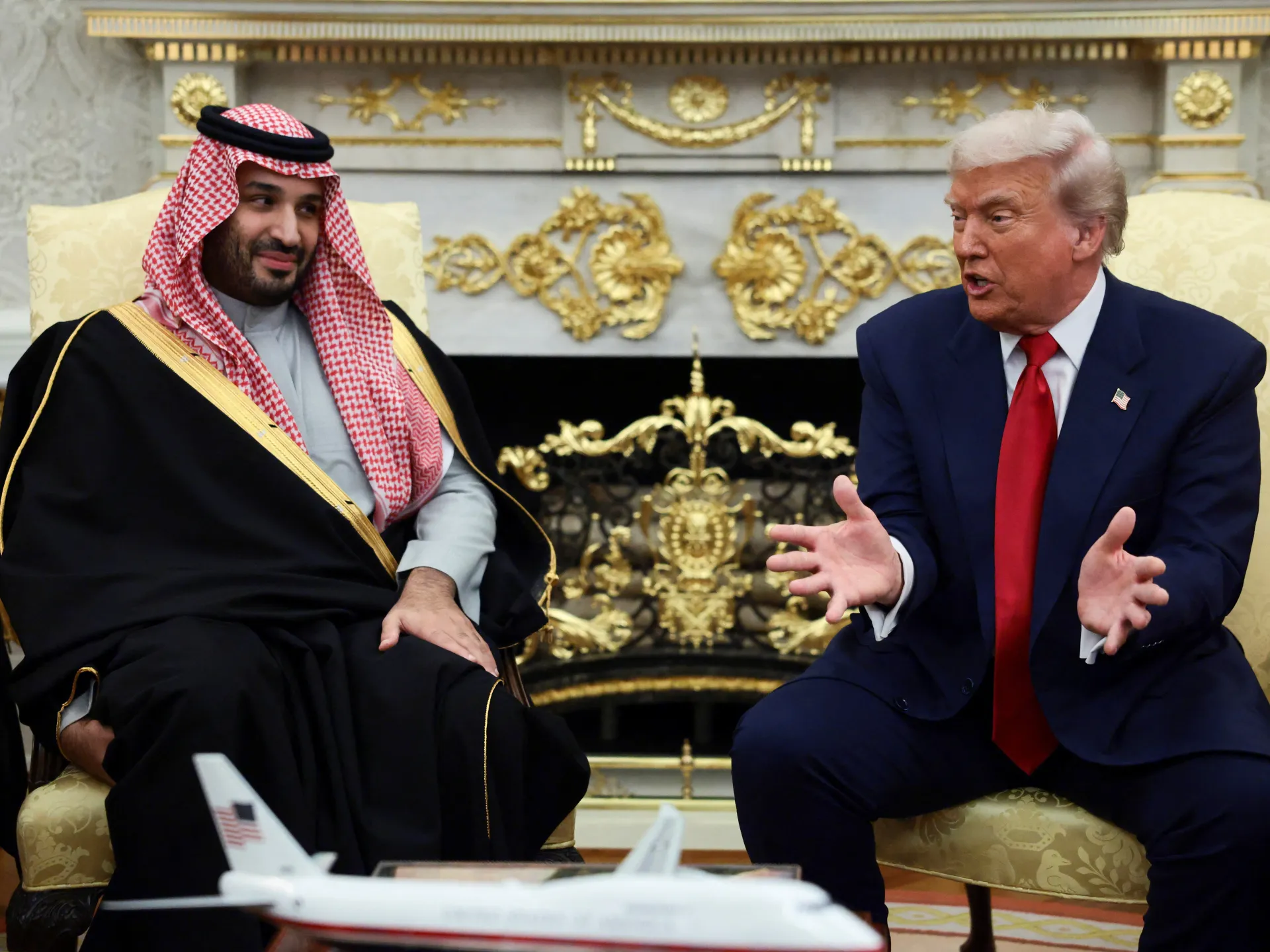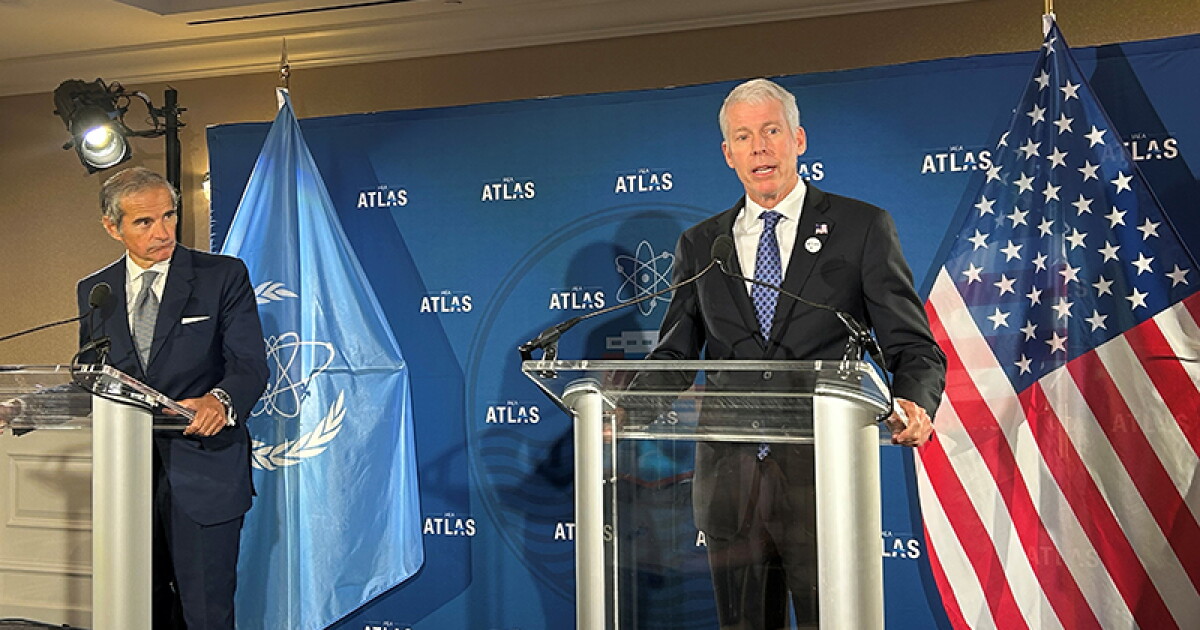
The Trump administration's submittal to Congress this week of its nuclear cooperation agreement (NCA) with Saudi Arabia is a major step toward the implementation of a deal that could have global nonproliferation impacts well beyond the US or Saudi Arabia. That's because the Saudi NCA marks a sharp departure from long-standing US policies. Washington was for decades a principal driving force behind the establishment of the current multilateral nonproliferation regime, including the respective launches of the Nonproliferation Treaty (NPT), the International Atomic Energy Agency (IAEA) and the Additional Protocol (AP), the most rigorous standard instrument for IAEA monitoring and verification. The US government has, historically, also attempted to ratchet up nonproliferation commitments through plurilateral groups such as the Nuclear Suppliers Group or through bilateral commitments in NCAs. With the US-Saudi NCA this week submitted to Congress, but not yet made public, the administration has indicated that it would facilitate a Saudi nuclear program — and potentially a domestic nuclear fuel cycle — without requiring Riyadh to sign and ratify the AP.
Bespoke US Nuclear Deal Signals Major Pivot in Nonproliferation Policy
Washington has signed a nuclear cooperation agreement that would reverse years of precedent requiring nuclear trade partners to adhere to the highest nonproliferation standards.
171 words~1 min read