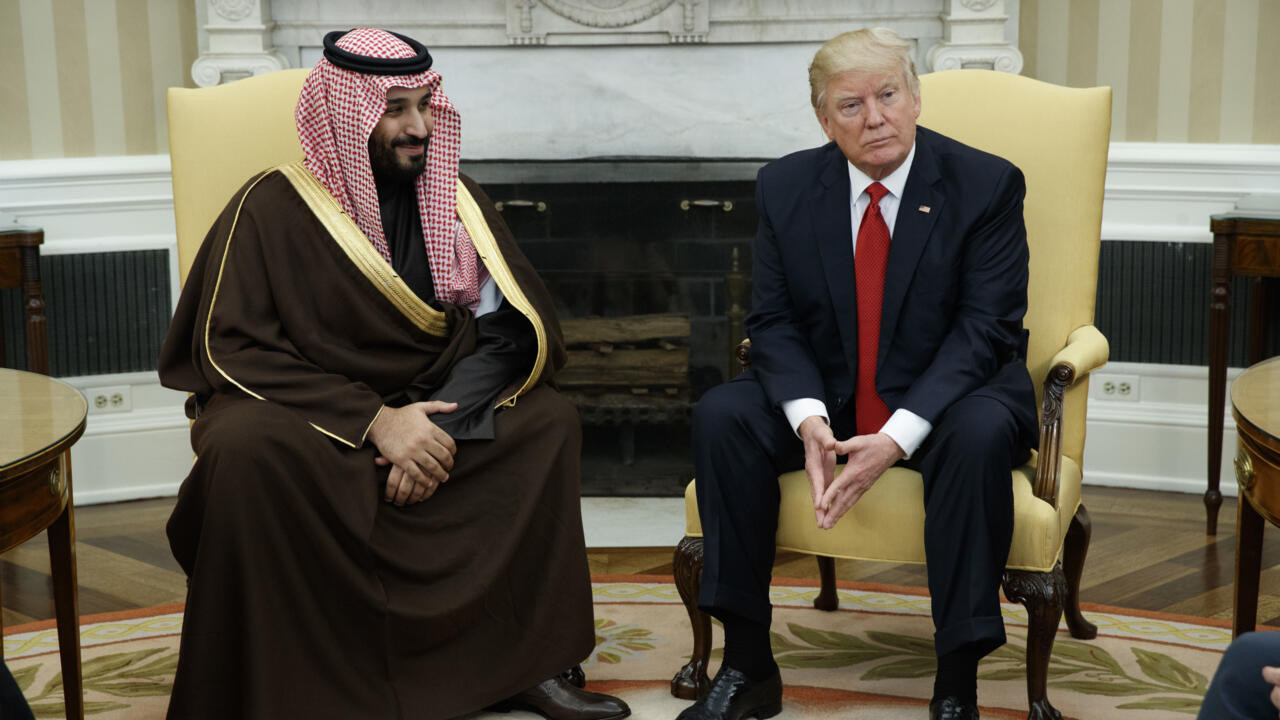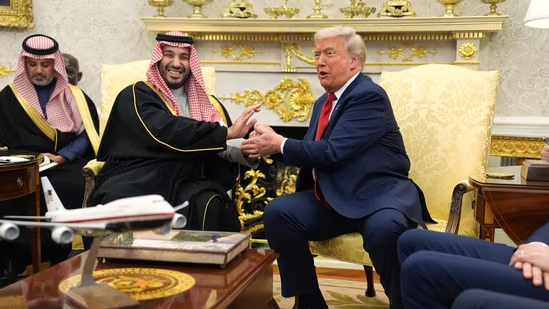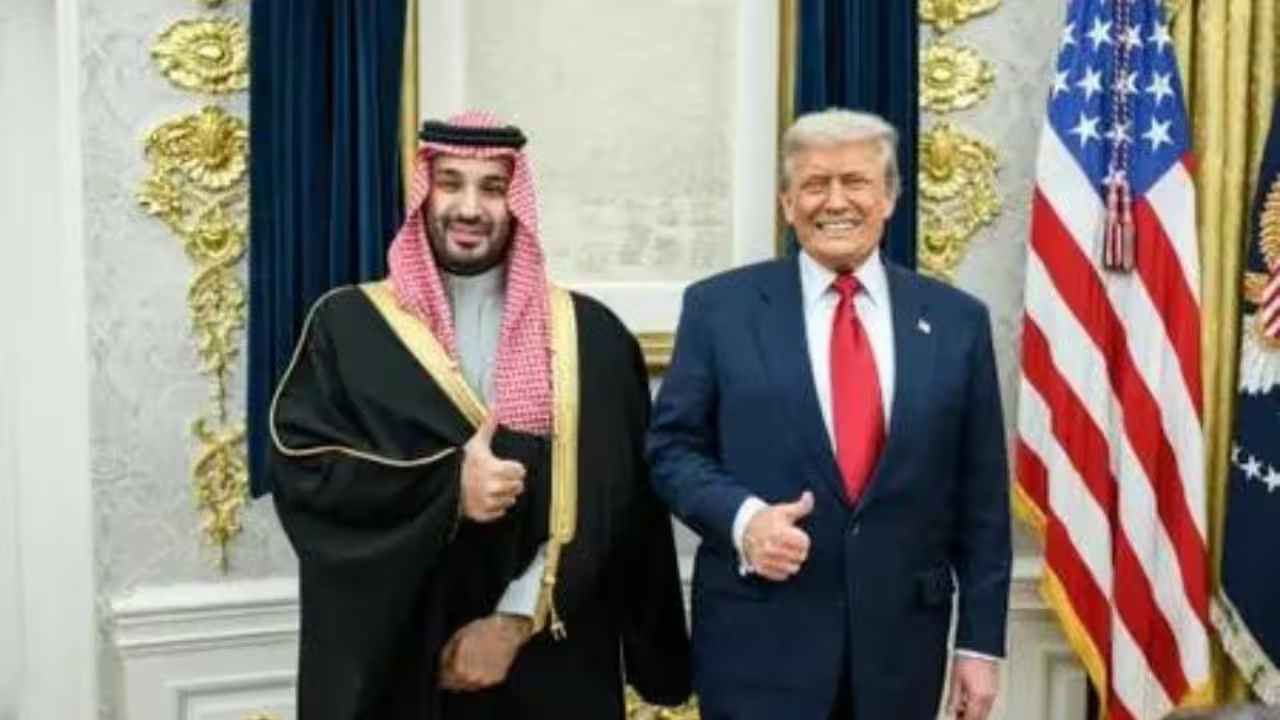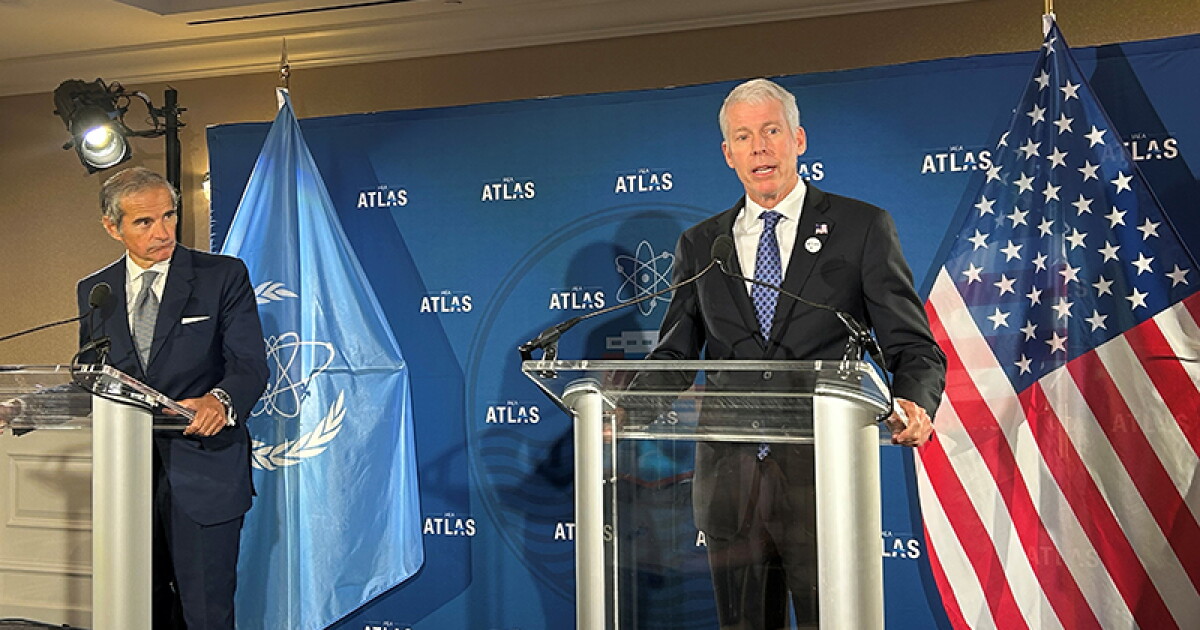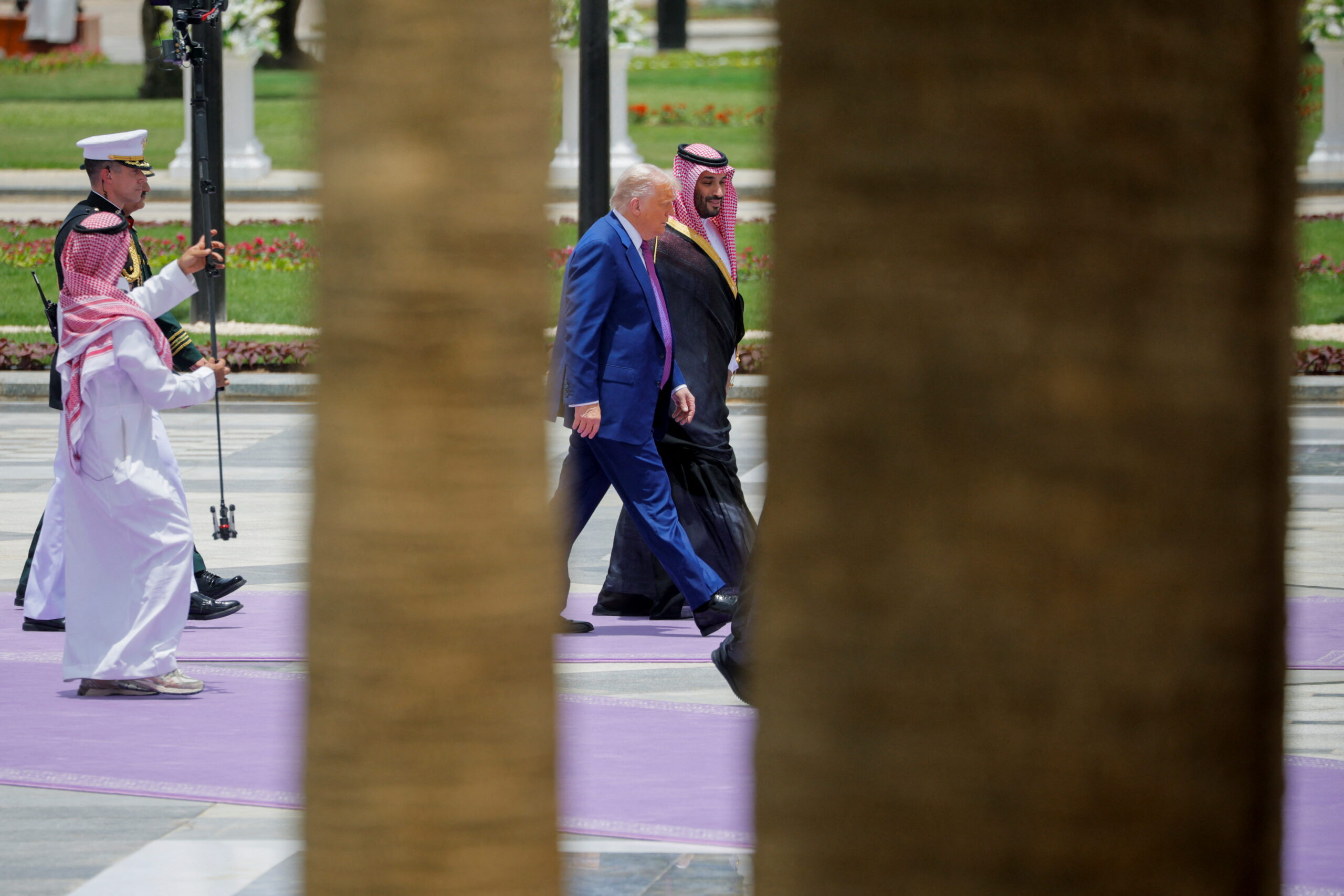
WASHINGTON—The new agreement announced Wednesday by the United States and Saudi Arabia that will accelerate the Saudi civilian nuclear program and reportedly could open the door for domestic uranium enrichment is both a triumph for Saudi diplomacy and a signal that the US has now shifted to a “Plan C” for preventing nuclear proliferation in the Middle East.
Before examining this agreement, some history is in order. One of the most consistent and generally successful US foreign policy objectives for decades has been limiting the global proliferation of nuclear weapons, including specifically to the Middle East. In the 1950s, President Dwight Eisenhower’s Atoms for Peace program sought to promote nuclear energy while preventing nuclear weapons and led to the establishment of the International Atomic Energy Agency. Call it “Plan A” for nonproliferation. In the Middle East, Israel and Iran were among the primary beneficiaries, and the latter’s program lasted until the 1979 Iranian revolution. But the US wasn’t the only potential provider of nuclear expertise to the region.
In the 1960s, Washington learned of France’s decision to provide Israel with a nuclear reactor (a collaboration that arguably led to both countries’ nuclear weapons programs) and heard reports of West German scientists working with the United Arab Republic (as Egypt was then known). These discoveries led President John Kennedy to publicly express his “strong opposition to the introduction or manufacture of nuclear weapons in the Middle East,” while also opining that, “I can see the possibility in the 1970s … of a world in which fifteen or twenty or twenty-five nations may have these weapons.” At the time, many shared his fear.