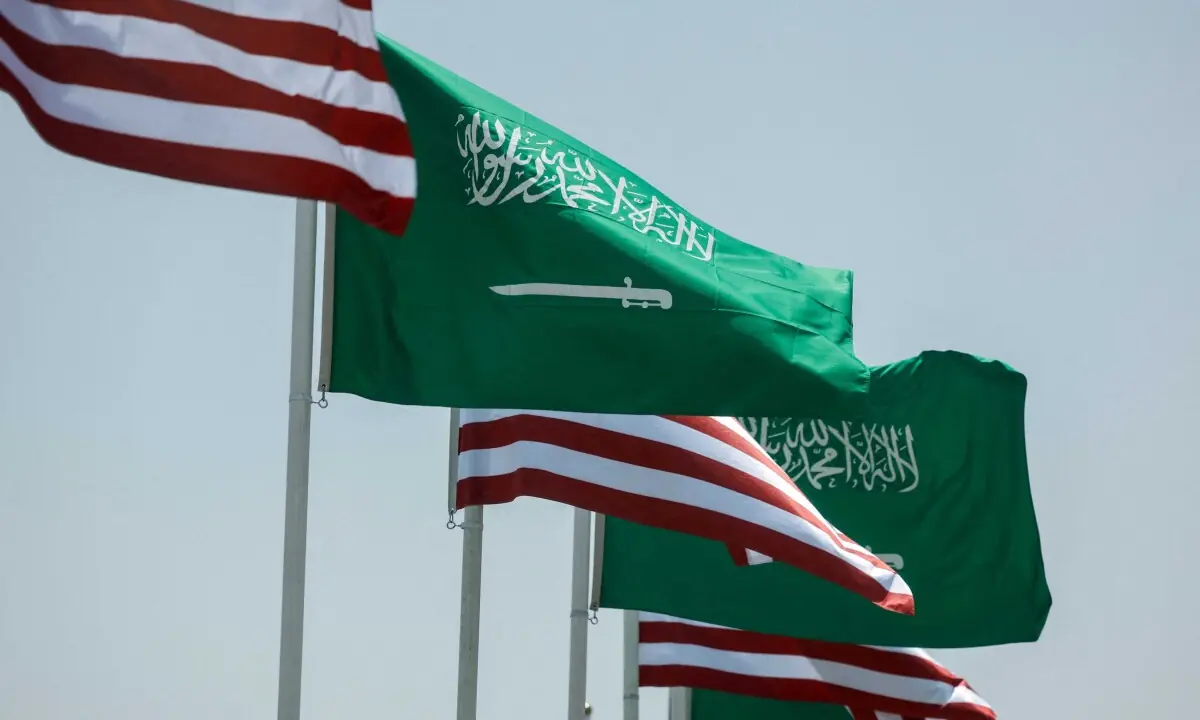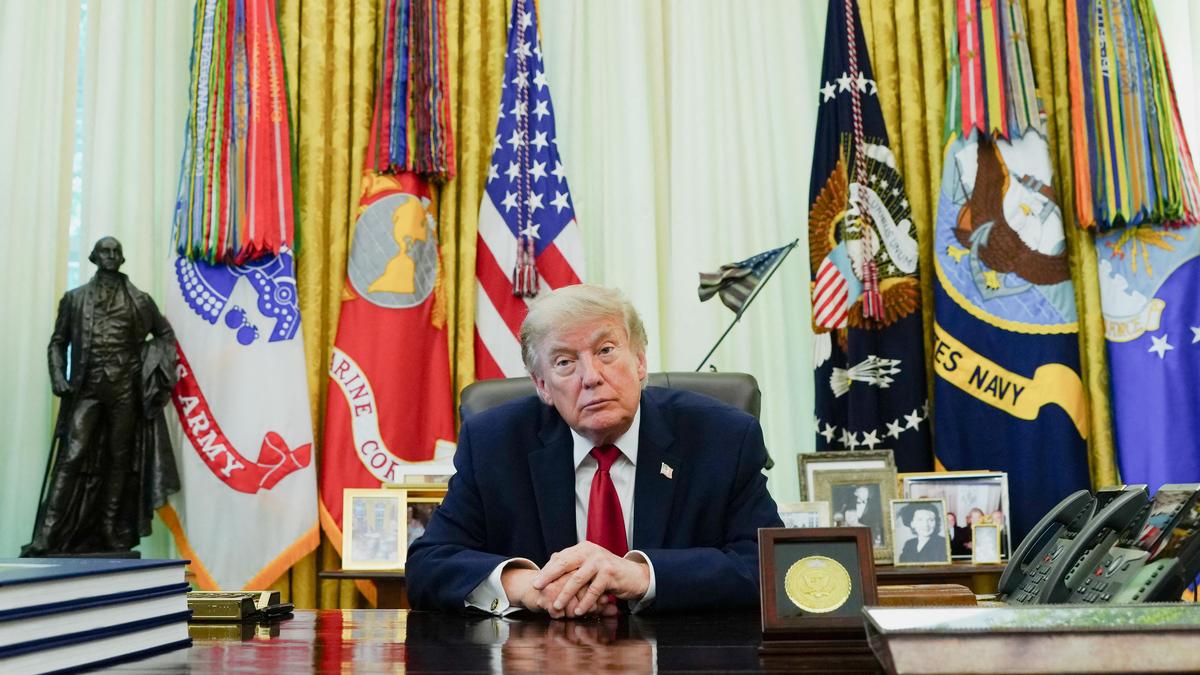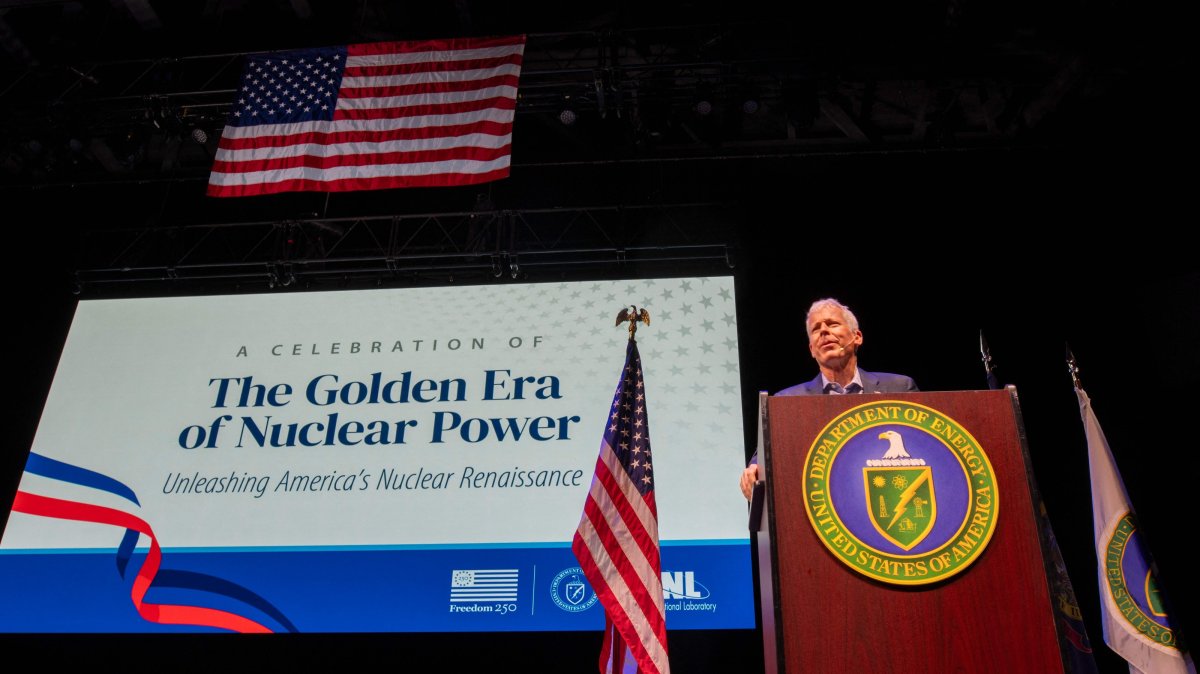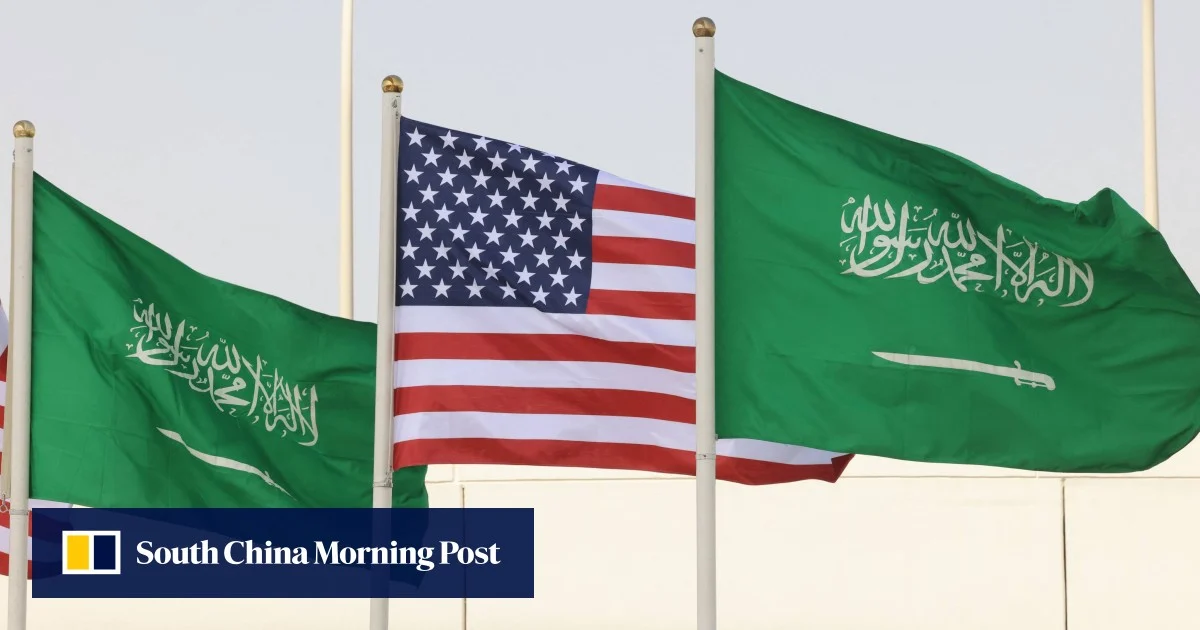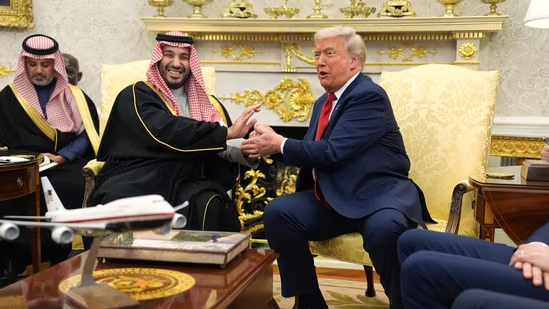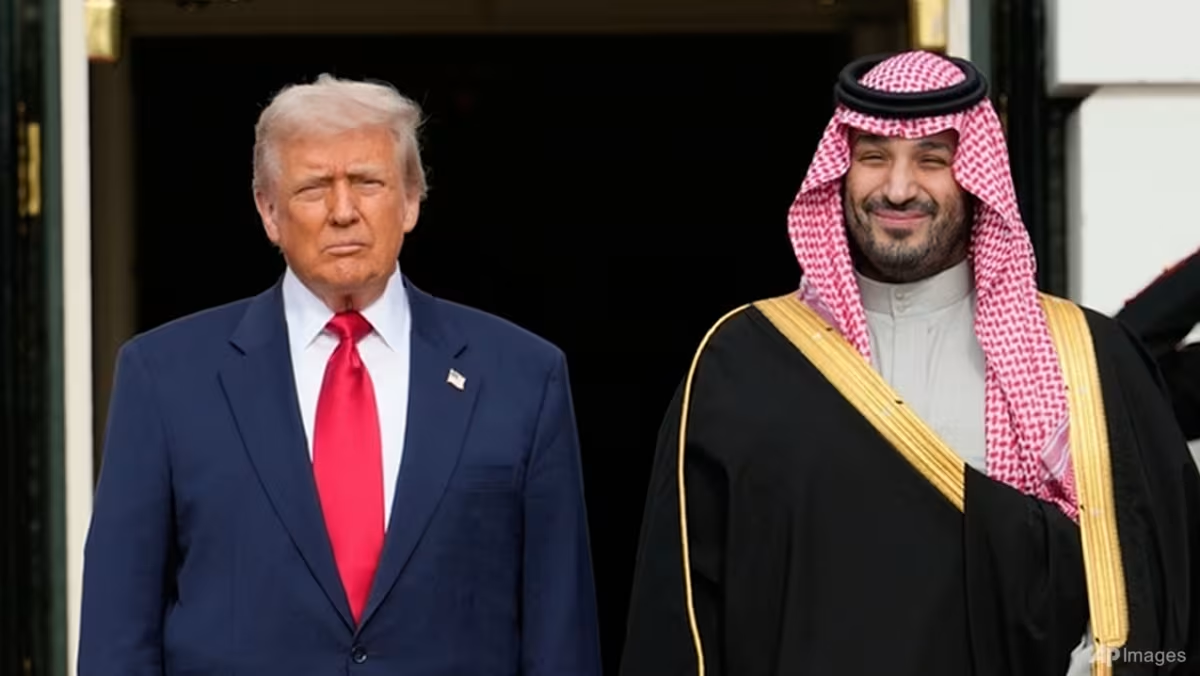
The United States on Wednesday announced a deal with Saudi Arabia that would establish a civilian nuclear programme in the Gulf country, with Washington insisting the agreement includes nonproliferation safeguards.
Issued on: 22/07/2026 - 14:46Modified: 23/07/2026 - 08:48
2 min Reading time
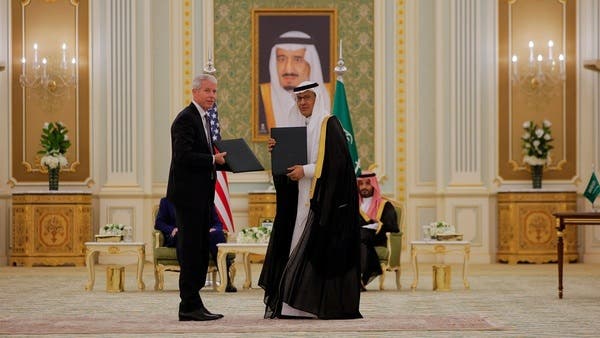
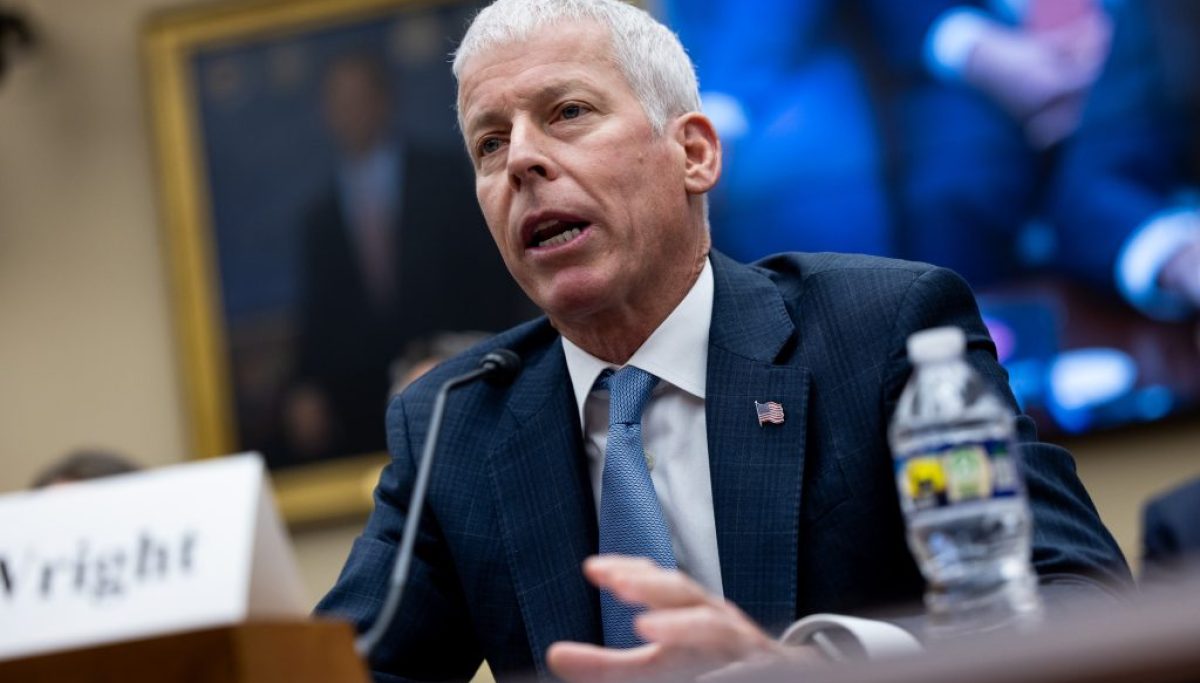
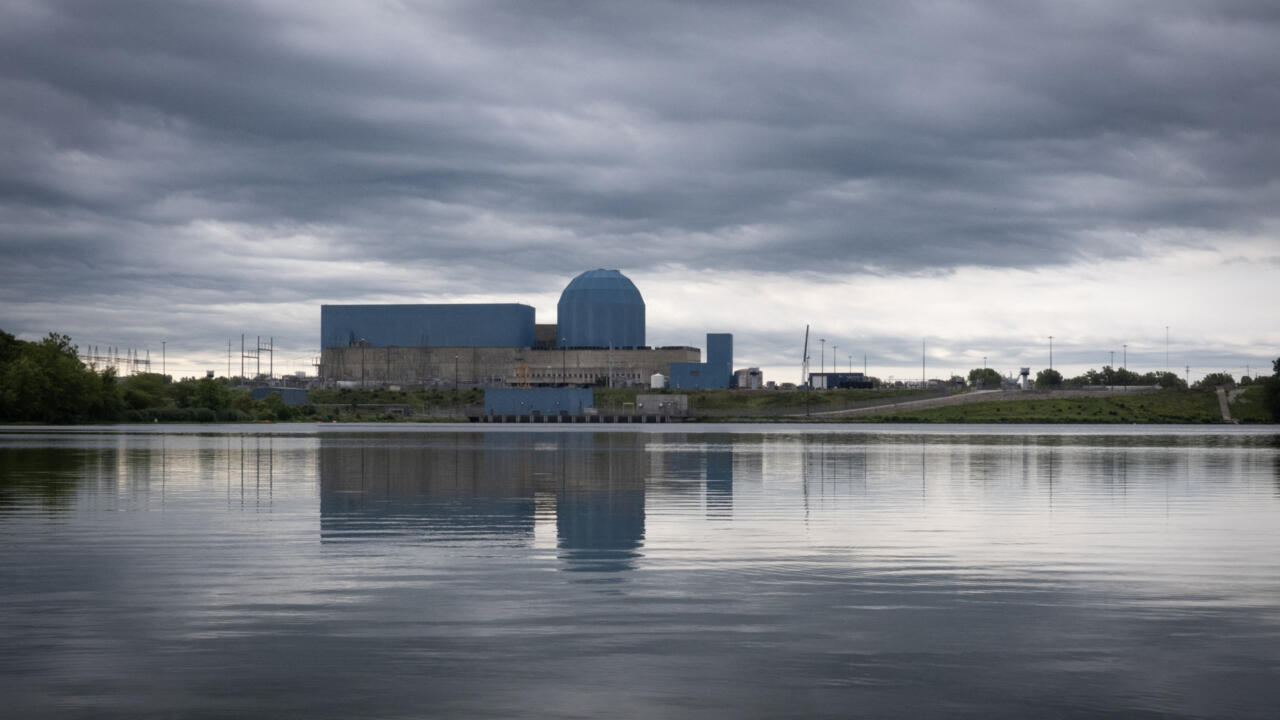
Two agreements – one on "peaceful nuclear cooperation" and another on "bilateral safeguards" – were signed by US Energy Secretary Chris Wright and his Saudi counterpart Prince Abdulaziz bin Salman, the US Energy Department said in a statement. The text of the deals was not immediately made public. "Together, these two agreements lay the legal foundation for a decades-long, multi-billion-dollar partnership that advances several priority economic and strategic objectives, including nuclear nonproliferation," the department said in a statement. The deal must be submitted to Congress for review, where lawmakers fear it could trigger new rounds of proliferation and competition in the region. Crucially, the agreement is not expected to include the International Atomic Energy Agency's Additional Protocol, which would allow enhanced monitoring and inspections of Saudi nuclear activities. "Unprecedented" nuclear deal adopted by Iran's Parliament Kelsey Davenport, director for non-proliferation policy at the Arms Control Association, warned that with nuclear cooperation "the devil is in the details". She said the documents suggest Washington has not carefully weighed the proliferation risks involved. Senator Edward Markey has called on Congress to reject the agreement, accusing the administration of caving to Riyadh. French ambitions The United States remains the world's largest nuclear power producer, with 94 reactors generating some 782 terawatt-hours in 2024 – roughly 30 percent of global nuclear output. Yet nuclear power supplies only around 18 to 20 percent of America's own electricity. France runs a smaller fleet of 57 reactors, which supplied 67.3 percent of the country's electricity in 2024, the highest share of any country in the world. French nuclear output reached 373 TWh in 2025, recovering from the corrosion crisis of 2022. The US consumes almost all its nuclear electricity domestically, while France sells its surplus abroad. France recorded net electricity exports of 92 TWh in 2025, a second consecutive record after 89 TWh in 2024, supplying every neighbouring country except Spain. By one measure, France exported 17 percent of everything it generated, almost as much as all other European exporters combined. French ambitions in Saudi Arabia date back to a 2011 agreement offering the kingdom atomic know-how and training, followed by a joint EDF-Areva office in Riyadh. According to a US Congressional Research Service brief, France's EDF is one of four approved bidders, alongside China's CNNC, South Korea's KEPCO and Russia's Rosatom, for the construction of two 1.4-gigawatt reactors at Khor Duweihin on the Gulf coast.